Choosing the right size air conditioner can make all the difference in your comfort and energy bills. If your unit is too small, it won’t cool your space properly.
If it’s too big, you’ll waste money and face uneven cooling. You might think picking an air conditioner is simple, but there’s more to it than just the size on the box. You’ll discover exactly how to size an air conditioner for your home or office.
By the end, you’ll know how to make the smart choice that keeps you cool without breaking the bank. Keep reading to find out what really matters when sizing your AC.
Importance Of Proper Ac Sizing
Proper AC sizingis key for efficient coolingand energy savings. An oversized unitcools too fast, causing short cycling. This wastes energy and wears out the systemquickly. It also fails to remove humidity, making rooms feel uncomfortable.
On the other hand, undersized unitsrun continuously. This leads to higher energy billsand poor cooling performance. Rooms stay warm and humid. The unit stressesand breaks down faster. Proper sizing keeps your home cool, comfortable, and your system lasting longer.
Credit: www.carrier.com
Factors Influencing Ac Size
The size of an air conditionerdepends on several key factors. First, the room dimensionsaffect the cooling needs. Larger rooms need more cooling power. Insulation qualityplays a big role too. Poor insulation causes more heat to enter, requiring a bigger AC.
The number of occupantsadds body heat, increasing cooling demand. Rooms with many people need stronger air conditioning. Sunlight exposurealso matters. Rooms with lots of sun get hotter and need a larger unit.
Appliance heat outputcounts as well. Devices like ovens and computers produce heat that the AC must cool. All these factors together help decide the perfect AC size.
Measuring Your Space
Measure the length and width of your room in feet. Multiply these numbers to get the square footage. This number shows how much floor space you have.
Ceiling height also matters. Standard height is about 8 feet. If your ceiling is higher, the room holds more air. This means you may need a stronger air conditioner.
| Ceiling Height | Adjustment Needed |
|---|---|
| 8 feet or less | No change needed |
| 8 to 10 feet | Increase capacity by 10% |
| Above 10 feet | Increase capacity by 20% |
Credit: www.furnaceprices.ca
Cooling Capacity Explained
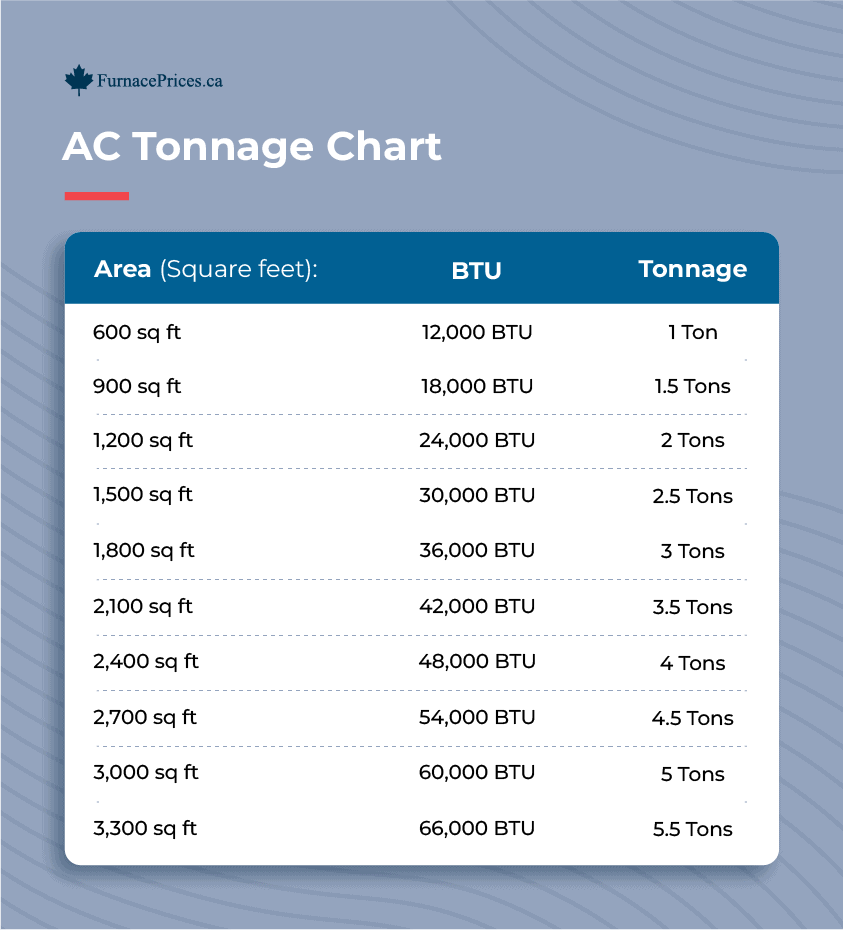
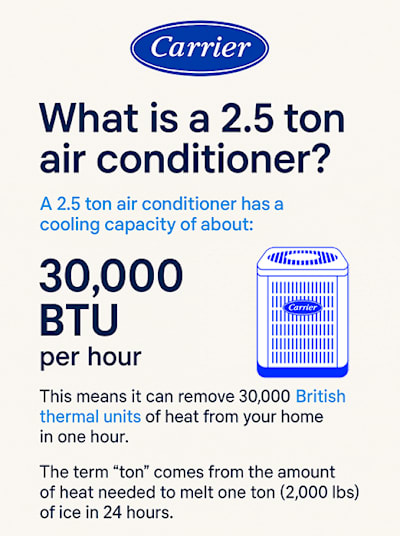
BTUstands for British Thermal Unit. It measures the amount of heat an air conditioner can remove from a room. The higher the BTU, the more cooling power the unit has. Choosing the right BTU helps keep your room comfortable without wasting energy.
BTU needs depend on the size of the room. A small room needs fewer BTUs, while a large room needs more. Using the right BTU prevents the air conditioner from working too hard or not cooling enough.
| Room Size (Square Feet) | BTU Required |
|---|---|
| 100 – 150 | 5,000 – 6,000 |
| 150 – 250 | 6,000 – 8,000 |
| 250 – 350 | 8,000 – 10,000 |
| 350 – 450 | 10,000 – 12,000 |
| 450 – 550 | 12,000 – 14,000 |
Using Ac Size Calculators
AC size calculators help find the right air conditioner capacity. They use room size and other factors to suggest the best unit. Many online tools and apps are free and easy to use. Entering accurate data is key for good results.
Important details include:
- Room dimensions:Length, width, and height.
- Number of windows:Windows affect heat gain.
- Sun exposure:Rooms in direct sun may need bigger AC.
- Number of occupants:More people generate more heat.
- Insulation quality:Poor insulation needs stronger cooling.
Most calculators give results in BTU (cooling power). Choose a unit close to the suggested BTU. Avoid too small or too large AC units for comfort and savings.
Credit: lynnswinnipeg.ca
Matching Ac Types With Size
Window unitsare best for small rooms or spaces. They are easy to install and cost less. Size depends on room size, usually between 5,000 to 12,000 BTU. Choose a unit that can cool your room without using too much energy.
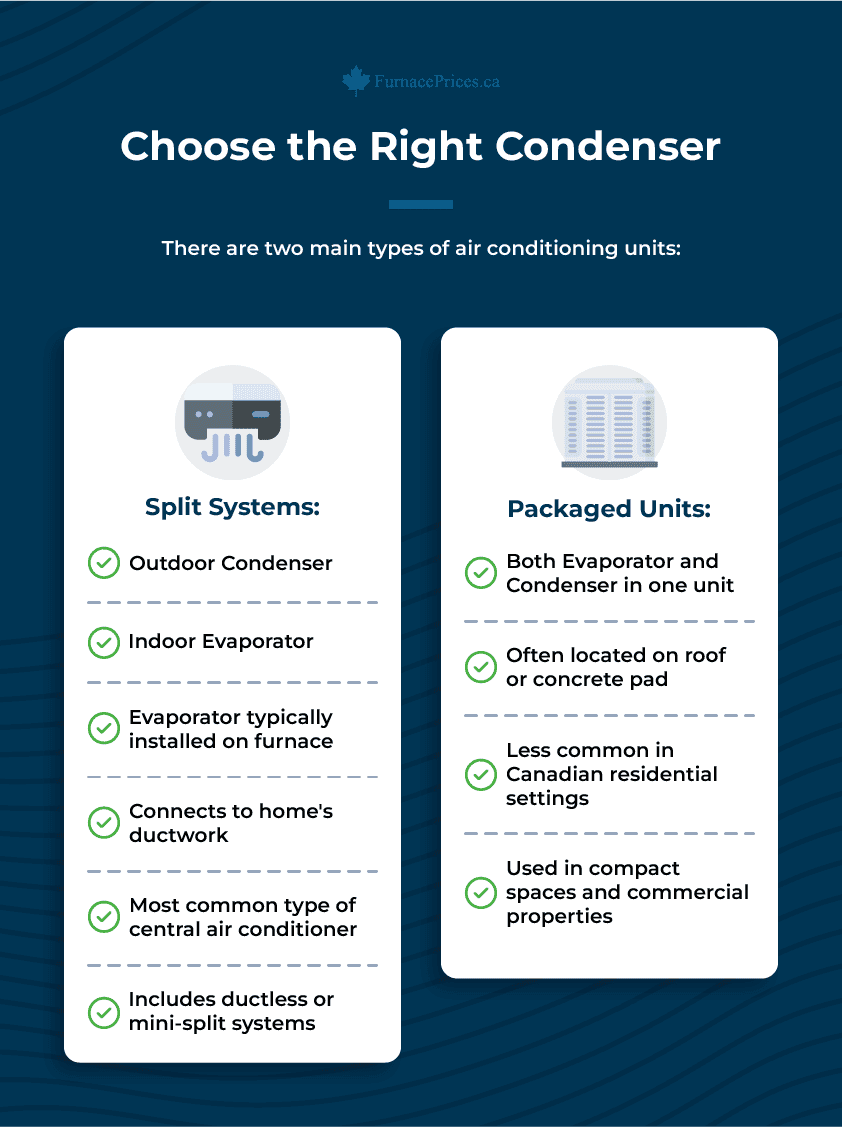
Split systemshave two parts: an indoor and an outdoor unit. They cool larger areas and are quieter than window units. These units range from 9,000 to 36,000 BTU. Proper sizing ensures good comfort and saves electricity.
Central air conditionerscool the whole house. They use ducts to spread cool air everywhere. Sizes start at about 18,000 BTU and go up. A professional usually helps choose the right size for your home.
Energy Efficiency And Sizing
SEER ratingsshow how efficient an air conditioner is. The higher the SEER number, the less energy it uses. This rating helps you save money on energy bills. Choosing an AC with a good SEER rating means it cools your home without wasting power.
Energy bills depend a lot on the SEER rating. An AC with a low SEER rating uses more electricity. That makes your bills go up. A higher SEER rating means the AC runs better and costs less to operate.
| SEER Rating | Energy Use | Impact on Bills |
|---|---|---|
| Below 13 | High | More expensive |
| 13 to 16 | Moderate | Average cost |
| Above 16 | Low | Lower cost |
Professional Assessment Tips
Experts helpwhen the room size or house layout is complex. They check factors like ceiling height, insulation, and window size. A professional can measure airflow needs accurately.
They test the space for heat gain and loss. This helps find the right air conditioner sizefor comfort and energy saving. Experts also advise on the best unit type.
| During Evaluation | What Happens |
|---|---|
| Room Measurement | Length, width, and height are measured |
| Heat Load Calculation | Checks sun exposure and insulation |
| Airflow Check | Sees how air moves in the space |
| Unit Recommendation | Suggests best size and type |
Installation Considerations
Proper placementof an air conditioner ensures efficient cooling. Avoid spots with direct sunlight or near heat sources. Place the unit where air can flow freely without obstructions. This helps the system work less and cool better.
Good ductwork and ventilationare essential. Ducts must be sealed and insulated to prevent cool air loss. Proper ventilation removes warm air and moisture, keeping rooms comfortable. Poor ductwork can cause uneven cooling and raise energy bills.
| Installation Aspect | Key Points |
|---|---|
| Placement | Keep away from sunlight, heat sources, and obstacles |
| Ductwork | Seal leaks, insulate ducts, and ensure proper size |
| Ventilation | Allow fresh air flow and remove warm air |
Maintenance For Optimal Performance
Keeping your air conditioner clean helps it work well and last longer. Dust and dirt can block air flow and reduce cooling power.
- Regular cleaningof the filters and coils stops dirt build-up.
- Replace air filters every 1-3 months to keep air fresh and clear.
- Check the system for leaks or strange noises during inspections.
- Inspect electrical connections and clean drain lines to avoid problems.
Routine care keeps your air conditioner running smoothly and saves energy.
Frequently Asked Questions
What Size Air Conditioner Do I Need?
To determine the right size, consider your room’s square footage and climate. Generally, a room needs 20 BTU per square foot. A professional can also help calculate precise needs, considering factors like insulation and sun exposure.
How Does Climate Affect Air Conditioner Sizing?
Climate influences the cooling capacity you need. Hotter climates require more BTUs to maintain comfort. In cooler areas, a smaller unit might suffice. Always consider local weather patterns when sizing your air conditioner.
Why Is Proper Air Conditioner Sizing Important?
Proper sizing ensures efficient cooling and energy use. An oversized unit cools too quickly, causing temperature fluctuations. An undersized unit struggles to cool, leading to higher energy bills. Correct sizing offers comfort and cost savings.
Can I Size An Air Conditioner Myself?
Yes, you can use online calculators for a rough estimate. Measure your space and consider factors like climate and insulation. However, consulting a professional ensures accuracy and optimal performance.
Conclusion
Choosing the right air conditioner size saves energy and money. A unit too big cools fast but wastes power. A unit too small runs too long and wears out. Measure your room and consider insulation carefully. Use simple calculators or ask a professional for help.
Proper sizing keeps your home comfortable all year. Remember, a well-sized AC means better cooling and lower bills. Take your time to find the best fit. Your comfort depends on the right choice.