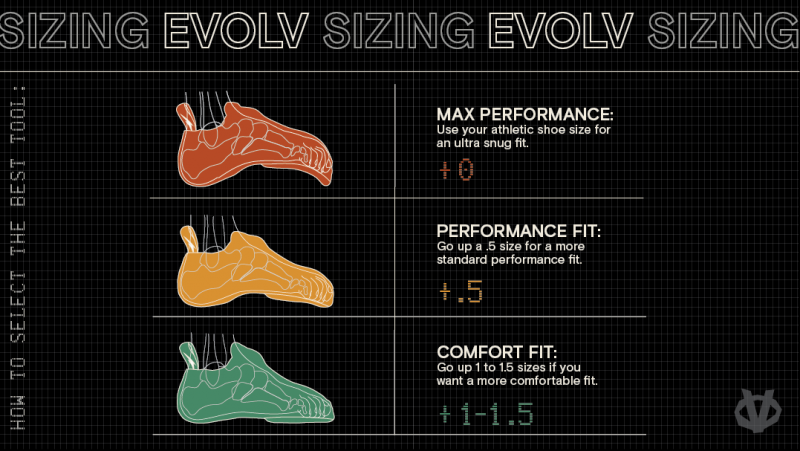
Finding the right size for your climbing shoes can make all the difference between slipping off a hold and confidently reaching the top. If your shoes are too tight, they’ll hurt and distract you.
If they’re too loose, you’ll lose precious grip and control. You want that perfect fit that feels like a second skin—supportive, snug, but never painful. You’ll discover simple, practical tips to help you size your climbing shoes correctly. By the end, you’ll know exactly how to choose shoes that boost your performance and keep your feet comfortable on every climb.
Keep reading to get started!
Credit: www.evolvsports.com
Choosing The Right Shoe Type
Picking climbing shoes depends on your foot shape and climbing style. The shoe type affects comfort and performance.
Different shapes, materials, and closure styles change how shoes fit and feel during climbs.
Aggressive Vs Neutral Shapes
Aggressive shoes have a downturned toe. They help on steep climbs and small holds. Neutral shoes are flat and more comfortable. They suit long climbs and beginners.
Choose aggressive shoes for power and precision. Pick neutral shoes for comfort and all-day wear.
Material Impact On Fit
Shoe materials affect stretch and breathability. Leather stretches more with wear. Synthetic materials keep their shape but may feel tight at first.
- Leather shoes mold to your foot over time.
- Synthetic shoes keep their size longer.
- Some shoes mix materials for balance.
- Consider materials if you want a snug or loose fit.
Lacing, Velcro, And Slip-on Styles
| Closure Type | Fit Control | Speed | Best Use |
| Lacing | High – precise fit | Slow | Long climbs, custom tightness |
| Velcro | Medium – quick adjustments | Fast | Bouldering, quick on/off |
| Slip-On | Low – less adjustable | Fastest | Crack climbing, comfort |

Credit: www.reddit.com
Measuring Your Foot Accurately
Choosing the right size climbing shoes starts with accurate foot measurement. Proper sizing helps improve comfort and climbing performance.
Measuring your foot well takes a few careful steps. This guide covers length and width, foot shape, and timing considerations.
Length And Width Measurements
Measure both length and width for the best fit. Use a ruler or tape measure and a piece of paper to trace your foot.
- Place your foot flat on the paper.
- Trace the outline with a pencil held straight up.
- Measure from the heel to the longest toe for length.
- Measure the widest part of your foot for width.
- Repeat for the other foot.
Foot Shape Considerations
Foot shape affects how climbing shoes fit. Some feet are narrow, others wide, and some have high arches or flat soles.
| Foot Shape | Fit Tip |
| Narrow | Look for shoes with a slim profile |
| Wide | Choose shoes with a wider toe box |
| High Arch | Try shoes with good arch support |
| Flat | Find shoes that offer cushioning and flexibility |
Time Of Day And Socks
Foot size can change during the day. Measure when your feet are at their largest for the best fit.
Consider these tips:
- Measure in the evening when feet swell most.
- Wear the type of socks you plan to use with your climbing shoes.
- Try shoes on with socks to check fit and comfort.
Trying Climbing Shoes On
Choosing the right climbing shoe size is important for both comfort and performance. Trying shoes on helps you find the best fit for your feet.
Climbing shoes should feel snug but not painful. Learning how to check the fit around your toes and heel is key.
Fit Around Toes And Heel
Your toes should fit flat or slightly curled inside the shoe. Avoid extra space or long toes pushing against the shoe tip.
The heel should feel snug without slipping. A loose heel makes climbing harder and can cause blisters.
- Check for tightness but no sharp pain
- Toes should touch the shoe tip lightly
- Heel stays firmly in place when you walk
- No gaps between heel and shoe
Assessing Comfort Vs Performance
Climbing shoes balance comfort and performance. Tighter shoes give better control but may feel uncomfortable at first.
For beginners, comfort is important to prevent pain. Advanced climbers often choose a tighter fit for better climbing precision.
- Comfort helps during long climbs
- Tight shoes improve foot placement
- Try shoes on both feet to compare feel
- Wear the same socks or no socks for testing
Breaking In New Shoes
New climbing shoes may feel stiff at first. Breaking them in helps the shoes mold to your feet and become more comfortable.
Wear the shoes for short periods before long climbs. This helps prevent pain and allows the material to soften.
- Wear shoes at home for 1-2 hours daily
- Stretch the shoes gently by hand if needed
- Avoid forcing shoes that cause strong pain
- Expect some tightness but not lasting discomfort

Credit: www.reddit.com
Common Fit Issues
Climbing shoes need to fit well for comfort and performance. Many climbers face issues with shoe fit.
Understanding these problems helps you choose the right size. Let’s explore common fit issues.
Pinching And Pressure Points
Pinching often occurs at the toes and sides. It happens when shoes are too tight.
Pressure points can lead to pain. Check for any hot spots after wearing shoes for a while.
- Try different brands for better fit
- Consider half sizes for comfort
- Wear shoes around the house to test
Loose Heels And Slipping
Loose heels cause slipping inside the shoe. This affects climbing stability.
Heel cups should be snug but not tight. This helps prevent unwanted movement.
- Test heel fit by walking around
- Use socks to improve fit
- Look for adjustable heel straps
Toe Curling And Numbness
Toe curling is common in tight shoes. This can cause numbness over time.
Ensure toes are slightly bent but not cramped. Comfort is key for performance.
- Choose shoes with a wider toe box
- Consider softer materials for flexibility
- Break in shoes gradually
Adjusting Fit For Different Climbing Styles
Climbing shoes must fit correctly for the style you climb. Different styles need different fits to perform well.
Choosing the right size helps you climb comfortably and safely. Adjust your shoe fit based on how you climb.
Bouldering Needs
Bouldering requires tight shoes for maximum grip and precision. The fit should be snug without causing pain.
- Shoes should feel tight around the toes.
- Ensure no dead space inside the shoe.
- Choose a shoe with a curved shape to help toe holds.
- Expect some discomfort but avoid sharp pain.
Sport Climbing Preferences
Sport climbing needs a balance of comfort and performance. Shoes should fit snugly but allow longer wear.
| Fit Aspect | Recommendation |
| Toe Room | Snug but not pinching |
| Heel Fit | Secure without slipping |
| Arch Support | Moderate for comfort |
| Material Stretch | Consider natural stretch after wear |
Trad Climbing Considerations
Trad climbing needs comfort for long climbs. Shoes should fit comfortably with some room to avoid foot fatigue.
Key points for trad climbing shoe fit:
- Allow slight toe wiggle.
- Choose stiff soles for support.
- Avoid tight shoes that reduce blood flow.
- Look for breathable materials to reduce sweat.
Maintaining Your Shoe Fit Over Time
Climbing shoes change shape with use and care. Keeping the right fit helps you climb better and stay comfortable. It is important to understand how your shoes stretch or shrink over time.
Check your shoes regularly and make small adjustments. This guide covers key points about shoe fit, when to replace shoes, and how custom insoles can help.
Stretching And Shrinking Factors
Shoes can stretch or shrink based on use and care. Stretching happens as your feet press into the shoe during climbs. Shrinking occurs if shoes get wet or dry in heat.
- Leather shoes stretch more than synthetic ones.
- High humidity or sweat can cause stretching.
- Drying shoes near heat sources can shrink them.
- Frequent use softens the shoe material over time.
- Proper storage helps keep the shoe shape stable.
When To Replace Your Shoes
Replace climbing shoes when they lose fit or performance. Worn soles, stretched material, or broken parts reduce safety and grip. Watch for these signs to know when to get new shoes.
| Condition | When to Replace |
| Worn-out sole | Grip is reduced or holes appear |
| Stretched upper | Shoe feels loose or slips off |
| Damaged seams | Material starts to tear or separate |
| Uncomfortable fit | Causes pain or blisters |
Custom Insoles And Modifications
Custom insoles improve fit and comfort inside climbing shoes. They support your foot shape and reduce pressure points. Some climbers also use simple modifications to adjust the fit.
- Use heat-moldable insoles for a better footbed shape.
- Add thin foam pads to reduce extra space.
- Replace worn insoles to restore support.
- Stretch tight areas with shoe stretchers or hot water.
- Avoid over-stretching to keep shoe shape intact.
Frequently Asked Questions
How Tight Should Climbing Shoes Fit?
Climbing shoes should fit snugly without causing pain. They should hold your foot firmly to improve precision. Avoid shoes that are too loose or cause numbness.
Can I Size Climbing Shoes Like Regular Shoes?
No, climbing shoes require a tighter fit than regular shoes. They need to mold closely to your foot for better grip and control.
Should I Size Climbing Shoes Differently For Beginners?
Beginners should choose climbing shoes with a slightly more comfortable fit. Avoid overly tight shoes to prevent discomfort and allow longer climbing sessions.
How Do Different Brands Affect Climbing Shoe Sizing?
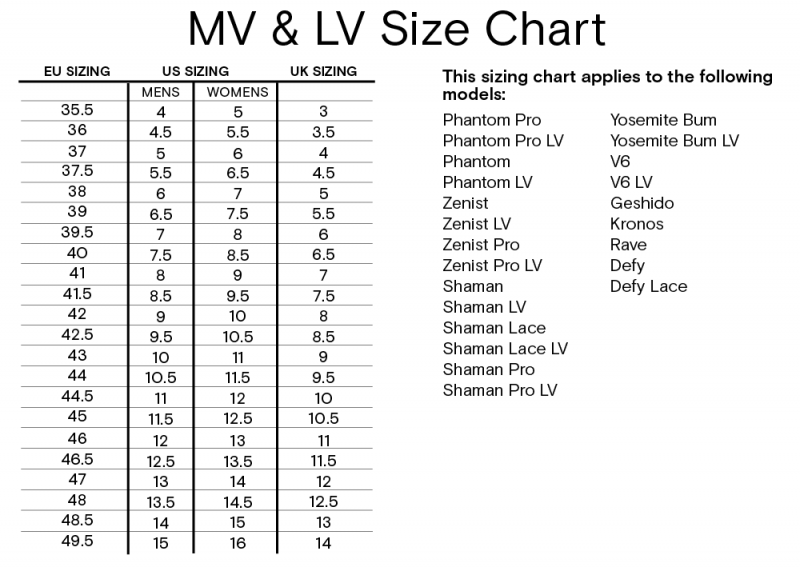
Different brands have varying sizing standards and shapes. Always try shoes on or consult brand-specific sizing charts before buying.
Conclusion
Choosing the right climbing shoe size feels tricky but matters a lot. Shoes must fit snugly without causing pain or numbness. Always try different sizes and walk around before buying. Remember, your feet will swell during climbing, so comfort is key.
A good fit helps improve grip and control on rocks. Take your time to find the best size for your feet. Happy climbing starts with the right shoes.