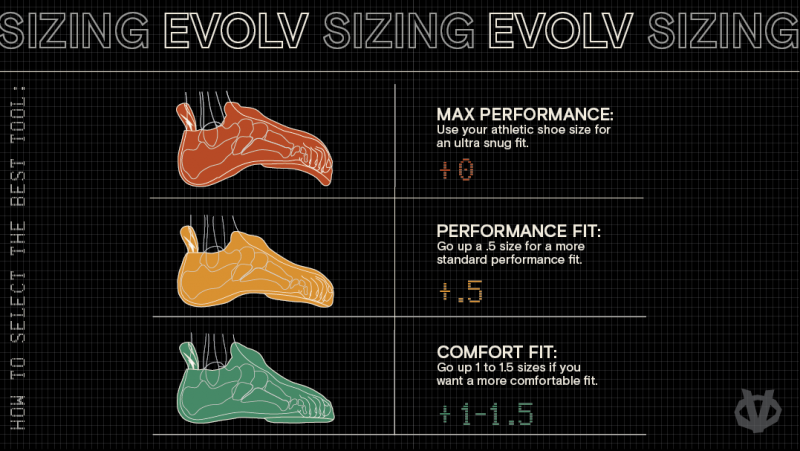
Finding the perfect fit for your climbing shoes can make all the difference in your performance and comfort on the wall. If your shoes are too tight, your feet will ache; too loose, and you risk slipping or losing control.
You might be wondering how to choose the right size that balances comfort with precision. This guide will help you understand exactly how to size climbing shoes so you can climb confidently and comfortably every time. Keep reading to discover the simple steps to get your fit just right.

Credit: www.besadmin.org
Choosing The Right Fit
Finding the right size for climbing shoes is very important. The right fit helps you climb better and stay comfortable.
Climbing shoes should feel snug but not painful. You want shoes that support your feet well.
Importance Of Proper Fit
Proper fit keeps your feet safe and improves climbing control. Shoes that are too loose can cause blisters or slip off.
Shoes that are too tight can hurt your toes and reduce blood flow. This can make climbing painful and unsafe.
- Good fit improves grip on holds
- Reduces foot pain and injuries
- Helps with better balance and precision
Differences Between Brands
Climbing shoe sizes and shapes vary by brand. Some brands make shoes wider or narrower than others.
Try shoes from different brands to find which fits your foot shape best. What fits well in one brand may not in another.
- Brand A may fit narrow feet better
- Brand B might offer more toe space
- Some brands run larger or smaller than standard sizes
Sizing Systems Explained
Shoe sizes use different systems worldwide. US, UK, and European sizes are common but do not match exactly.
Look at size charts to convert between systems. Always measure your foot length in centimeters for best results.
| Size System | Example Size | Foot Length (cm) |
|---|---|---|
| US | 8 | 26.0 |
| UK | 7 | 26.0 |
| EU | 41 | 26.0 |

Credit: www.reddit.com
Measuring Your Foot
Climbing shoes need to fit your feet well for safety and comfort. Measuring your foot correctly is the first step.
We will guide you through tools, how to measure, and common mistakes to avoid.
Tools You Need
Gather a few simple tools to measure your foot accurately at home.
- A ruler or tape measure that shows centimeters
- A piece of paper larger than your foot
- A pen or pencil to mark the paper
- A flat surface to stand on
- Socks similar to the ones you will wear with climbing shoes
Step-by-step Measurement
Follow these steps to get the right foot length and width for your climbing shoes.
- Place the paper on a flat floor and stand on it with your foot.
- Wear thin socks if you plan to climb with them.
- Use the pen to mark the tip of your longest toe.
- Mark the back of your heel on the paper.
- Remove your foot and measure the distance between the marks in centimeters.
- For width, mark the widest part of your foot on both sides and measure the distance.
- Repeat with the other foot, as sizes can differ.
Common Measurement Mistakes
| Mistake | Why It Happens | How to Avoid |
| Measuring barefoot only | Climbing shoes are worn with socks sometimes | Measure with socks like those you will use |
| Using soft tape measure | It bends and gives wrong length | Use a rigid ruler or flat tape measure |
| Not standing upright | Foot length and width change when weight is on foot | Stand fully with weight on foot during measurement |
| Measuring only one foot | Feet sizes can differ | Measure both feet and use the larger size |
Trying Climbing Shoes
Choosing the right size for climbing shoes is key for comfort and performance. Trying them on properly helps avoid pain and slipping.
This guide covers when to try climbing shoes, what to check for, and how to break them in.
When To Try Them On
Try climbing shoes at the end of the day when your feet are slightly swollen. This gives a better fit for long climbs.
Wear thin socks or no socks, as you will climb barefoot or with thin liners. Bring the socks you plan to use for climbing.
What To Look For
Check fit by feeling pressure points and tightness. Shoes should feel snug but not painfully tight.
- Toes should touch the front but not curl painfully.
- The heel must fit snugly without slipping.
- There should be no gaps on the sides.
- You should feel support around the arch.
- Walk around to test comfort and grip.
Breaking In New Shoes
New climbing shoes often feel stiff. Break them in slowly to avoid blisters and pain.
| Break-in Tip | Description |
| Wear short sessions | Use shoes for short climbs or practice at home first. |
| Use climbing chalk | Keep feet dry to reduce slipping inside the shoe. |
| Flex the shoe | Bend the shoes gently by hand to soften the material. |
| Stretch spots | Wear thick socks and heat areas that feel tight to stretch them. |
| Be patient | New shoes may need several uses to feel comfortable. |

Credit: www.reddit.com
Types Of Climbing Shoes
Choosing the right climbing shoes is key for comfort and performance. Shoes come in different shapes and stiffness. Knowing these types helps you pick shoes that fit your climbing needs.
This guide explains two main types of climbing shoes and how to select them based on your climbing style.
Aggressive Vs. Neutral Shoes
Aggressive shoes have a pointed toe and a downward curve. They help you climb steep routes and small holds. Neutral shoes have a flat shape. They provide comfort for long climbs and crack climbing.
- Aggressive Shoes:Tight fit, curved shape, best for hard climbs
- Neutral Shoes:Comfortable fit, flat shape, good for long climbs
Choosing Based On Climbing Style
Pick climbing shoes based on where and how you climb. Different styles need different shoe features.
| Climbing Style | Recommended Shoe Type | Reason |
| Bouldering and Sport Climbing | Aggressive | Helps with precision on small holds |
| Trad and Crack Climbing | Neutral | Offers comfort and foot protection |
| Long Multi-Pitch Routes | Neutral | Reduces foot fatigue over time |
| Indoor Climbing | Aggressive or Neutral | Depends on route difficulty and duration |
Adjusting For Comfort And Performance
Choosing the right size for climbing shoes is key to comfort and climbing skill. Shoes that fit well help you climb better and avoid pain.
Finding the balance between tightness and comfort is important. The shoes need to be snug but not hurt your feet.
Balancing Tightness And Comfort
Climbing shoes should fit tight to give good control. Too loose shoes make it hard to feel the rock.
At the same time, shoes should not cause pain. You should feel snug but not squeezed.
- Try shoes on with clean, dry feet
- Wear the socks you plan to climb with
- The shoes should feel tight but not cut off circulation
- Check that your toes are slightly bent but not painfully curled
Dealing With Pressure Points
Pressure points cause discomfort and can lead to bruises. They happen where the shoe presses too hard on your foot.
Adjust your shoe size or shape to reduce these spots. Different brands fit differently, so try many shoes.
- Identify spots that hurt after wearing shoes for a few minutes
- Try stretching or softening the shoe in those areas
- Consider using thinner socks or foot tape to protect sensitive spots
- Choose shoes with a shape close to your foot to avoid tight spots
Special Considerations
Choosing the right size for climbing shoes is important. Some factors need special attention. These can affect comfort and performance.
This guide covers sizing tips for wide or narrow feet and for kids and beginners. These groups need different fitting approaches.
Sizing For Wide Or Narrow Feet
Wide and narrow feet need shoes that fit their shape well. The wrong size can cause pain or reduce climbing ability.
- Wide feet: Look for shoes labeled as wide or with stretchy materials.
- Narrow feet: Choose shoes with a tighter fit and less volume inside.
- Try shoes on later in the day when feet are swollen to get a true fit.
- Check if the shoe brand offers different width options.
Kids And Beginners
Kids and beginners should focus on comfort and correct fit to avoid injury. Their feet grow fast and need room to move.
| Tip | Reason |
|---|---|
| Pick shoes with more toe space | Kids’ feet grow quickly and need room to develop |
| Choose softer materials | Beginners need comfort to build confidence |
| Allow some wiggle room | Too tight shoes cause pain and discourage climbing |
| Get help from a professional fitter | Proper sizing prevents foot problems later |
Frequently Asked Questions
How Tight Should Climbing Shoes Fit?
Climbing shoes should fit snugly but not painfully tight. They must hold your foot securely without causing numbness or severe discomfort. A proper fit improves control and sensitivity on the rock.
Can Climbing Shoes Stretch Over Time?
Yes, most climbing shoes stretch slightly with use, especially those made of leather. Expect about a half size stretch. Synthetic materials stretch less, so consider this when sizing.
Should I Size Climbing Shoes Smaller Than Street Shoes?
Typically, climbing shoes are sized smaller than street shoes for better performance. A tighter fit enhances precision, but avoid extreme tightness that can cause pain or injury.
How Do I Measure My Foot For Climbing Shoes?
Measure your foot length and width while standing. Use a Brannock device or ruler for accuracy. Compare measurements with brand-specific size charts for the best fit.
Conclusion
Choosing the right climbing shoe size makes a big difference. Shoes should fit snug but not cause pain. Try different sizes to find your best fit. Remember, your feet can feel different after a day of climbing. Always test shoes with climbing socks or barefoot.
Comfort helps you climb longer and safer. Keep your feet happy to enjoy every climb. Take your time; the right shoes improve your skills. Climbing feels better with shoes that fit well.