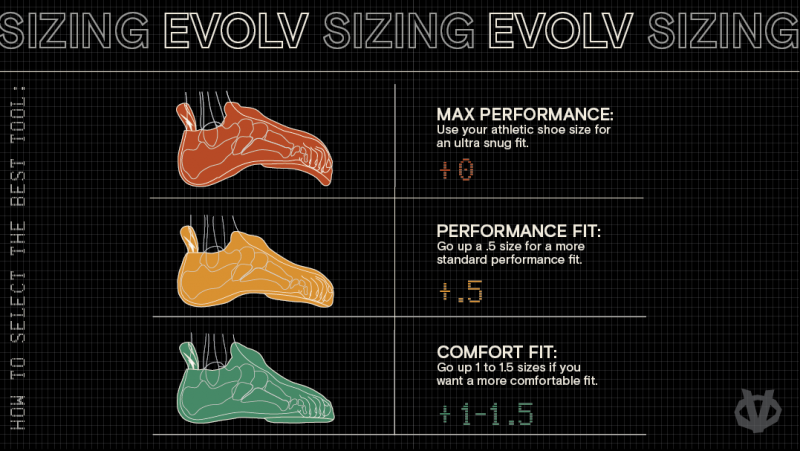
Choosing the right size for your rock climbing shoes can make all the difference between slipping off holds and climbing with confidence. If your shoes are too tight, your feet will hurt and distract you.
Too loose, and you risk losing grip when it counts most. You want a fit that feels snug but comfortable, giving you control without pain. In this guide, you’ll discover simple tips to find the perfect size for your climbing shoes, so you can focus on your climb—not your feet.
Keep reading, and take the first step toward better performance and more enjoyable climbs.
Choosing The Right Shoe Type
Choosing the right rock climbing shoe is key for comfort and performance. Different shoes fit differently depending on their design.
Understanding shoe types helps you pick the best fit for your climbing style and foot shape.
Aggressive Vs Neutral Shoes
Aggressive shoes have a downturned shape for better grip on small holds. They fit tight and help with steep climbs. Neutral shoes have a flat shape and offer more comfort for all-day wear. They suit beginners and trad climbers.
- Aggressive Shoes:Downturned toe, tight fit, used for sport climbing and bouldering.
- Neutral Shoes:Flat shape, relaxed fit, good for comfort and long climbs.
Material And Closure Systems
Materials affect shoe stretch and breathability. Closure systems affect fit adjustment and ease of use.
| Material | Stretch | Breathability |
|---|---|---|
| Leather | High (stretches over time) | Medium |
| Synthetic | Low (holds shape) | High |
- Laces:Offer precise fit adjustment.
- Velcro Straps:Easy to put on and take off.
- Slip-on:Quick fit but less adjustable.

Credit: www.amazon.com
Measuring Your Feet Accurately
Getting the right size for rock climbing shoes is key for comfort and performance. Measuring your feet carefully helps you pick the best fit.
Follow simple steps to measure your feet correctly at home. This guide shows you what tools you need and how to do it.
Tools You Need
Prepare these items before measuring your feet. They help you get precise results.
- A ruler or tape measure that shows centimeters or inches
- A piece of paper larger than your foot
- A pencil or pen to mark your foot outline
- A flat surface like a floor or table to place the paper on
- A chair to sit on while measuring
Step-by-step Measuring Process
Use this process to find the length and width of your foot. Measure both feet because sizes may differ.
- Place the paper on a flat surface and sit down on a chair.
- Put one foot firmly on the paper with your heel against a wall or straight edge.
- Use the pencil to draw the outline of your foot. Keep the pencil vertical for accuracy.
- Mark the longest toe and the back of your heel on the paper.
- Use the ruler or tape measure to measure the distance between these two marks. This is your foot length.
- To measure width, draw straight lines at the widest points of your foot outline and measure the distance between them.
- Repeat this for your other foot.
| Measurement | How to Measure |
| Foot Length | Distance from heel to longest toe |
| Foot Width | Distance across the widest part of foot |
Understanding Shoe Sizing Variations
Rock climbing shoes come in many sizes and shapes. It is important to know how sizing can change.
Shoe size can differ by brand and by whether the shoe is for men or women. This affects fit and comfort.
Brand Differences
Different brands use different sizing charts. A size 42 in one brand may feel like a 43 in another.
Materials and shoe shape also change how sizes feel. Some brands make shoes wider or narrower.
- Try shoes from many brands before buying
- Look at each brand’s size chart carefully
- Read reviews to understand fit differences
Men’s Vs Women’s Sizing
Men’s and women’s climbing shoes usually have different sizing scales. Women’s shoes are often smaller in length.
Some brands make unisex shoes but adjust width and shape for each gender. Men’s shoes may be wider.
- Check if the shoe is men’s, women’s, or unisex
- Convert sizes if switching between men’s and women’s shoes
- Try shoes on to feel the best fit
Testing Fit In The Store
Trying on rock climbing shoes in the store is important. It helps you find the right size for your feet.
Shoes that fit well improve your climbing and prevent pain. Take your time to test the fit carefully.
Checking Toe Space
Your toes should touch the front of the shoe lightly. They should not be cramped or bent sharply.
Too much space makes it hard to control your movements. Too little space causes discomfort and numbness.
Heel And Arch Fit
The heel should feel snug without slipping. It helps keep your foot secure during climbs.
Your arch needs support from the shoe. A good fit here reduces foot fatigue and improves power.
Comfort Vs Performance Balance
Climbing shoes can be tight for better performance. But they should not cause severe pain.
Choose shoes that balance comfort and control. This helps you climb longer and better.
Breaking In Your Climbing Shoes
Breaking in climbing shoes helps them fit better and feel more comfortable. New shoes often feel tight at first.
With time and use, the material softens and molds to your feet. This process can take a few days to a few weeks.
Wear Time Tips
Wear your climbing shoes for short sessions at first. This helps your feet get used to the tight fit without pain.
Do not wear them all day. Start with 30 minutes and add more time each day as comfort improves.
- Wear shoes during climbing, not walking
- Take breaks to let your feet rest
- Stop if you feel sharp pain
- Use soft socks if needed for comfort
Stretching And Adjustments
Stretch climbing shoes gently to loosen tight areas. Use your hands or small tools like a shoe stretcher.
Adjust laces or straps to improve fit. Some shoes stretch more than others, so check the material type.
- Use a shoe stretcher for wide spots
- Apply heat carefully to soften leather
- Wear wet socks inside shoes to stretch
- Adjust straps to reduce pressure points

Credit: www.reddit.com
Common Fit Problems And Fixes
Rock climbing shoes must fit well to keep your feet safe and comfortable. Poor fit causes pain and makes climbing hard. Knowing common problems helps you pick the right shoe.
This guide covers common fit issues and how to fix them. It focuses on hot spots, pain areas, slipping, and looseness.
Hot Spots And Pain Areas
Hot spots feel like burning or sharp pain in certain shoe areas. These spots can cause blisters or bruises. They often come from pressure or rubbing.
- Check if the shoe is too tight in one spot.
- Wear thinner socks or no socks to reduce friction.
- Use climbing tape on sensitive areas to protect skin.
- Try shoes with softer, stretchable material.
- Adjust laces or straps to ease pressure points.
Pay attention to toe, heel, and sides of the foot. These areas often develop hot spots in tight shoes.
Slipping And Looseness
Slipping means your foot moves inside the shoe. Looseness reduces control and can cause blisters. Both happen if the shoe is too big or the shape does not fit your foot.
| Cause | Fix |
|---|---|
| Shoe too long | Choose a smaller size or try a different brand |
| Heel not snug | Use heel lock lacing or add heel pads |
| Wide foot in narrow shoe | Pick shoes with wider toe box or stretch material |
| Laces or straps loose | Tighten laces or use double straps |
Tips For Different Climbing Styles
Sizing rock climbing shoes depends on the type of climbing you do. Different styles need different fits for comfort and performance.
Choosing the right fit helps you climb better and avoid foot pain. Below are tips for bouldering, sport climbing, and trad climbing.
Bouldering Fit Preferences
Bouldering demands powerful footwork and precise movements on small holds. Many climbers prefer a snug fit to improve control.
- Choose a tight fit that compresses your toes slightly.
- Shoes should feel snug but not cause sharp pain.
- A downturned shape can help with toe hooking and edging.
- Expect some discomfort during longer sessions.
Sport Climbing Considerations
Sport climbing involves longer routes and varied foot placements. Comfort and support become more important than extreme tightness.
| Fit Aspect | Recommendation |
| Toe Space | Snug but with slight wiggle room |
| Arch Support | Moderate to support foot fatigue |
| Shoe Stiffness | Medium stiffness for edging and comfort |
| Material Stretch | Consider shoes that stretch slightly over time |
Trad Climbing Comfort
Trad climbing requires comfort over long climbs and periods of rest. Shoes should fit comfortably to prevent pain or numbness.
Tips for trad climbing shoe fit:
- Choose shoes with a relaxed fit to protect toes and feet.
- Look for durable materials that hold shape well.
- Prioritize cushioning and arch support.
- Make sure shoes do not pinch or cut circulation.

Credit: www.besadmin.org
When To Replace Your Climbing Shoes
Climbing shoes wear out with use. Knowing when to replace them helps keep your feet safe and comfortable.
Old shoes can hurt your performance and cause injuries. Watch for signs that your shoes need replacement.
Signs Of Wear
Look for worn-out soles, holes, or stretched fabric. These signs show your shoes are losing support.
When the rubber peels off or the shoe feels loose, it is time to get new ones.
- Thin or torn rubber on soles or toes
- Holes or tears in the upper fabric
- Stretched or loose fit around your foot
- Damage to the heel or toe box
Performance Impact
Worn shoes reduce your grip on rocks. This makes climbing harder and less safe.
Old shoes also cause foot pain and reduce precision. This lowers your climbing ability.
- Less grip causes slipping on holds
- Reduced sensitivity lowers foot placement accuracy
- Pain from poor fit affects your focus
- Damaged shoes can lead to injuries
Frequently Asked Questions
How Do I Measure My Feet For Climbing Shoes?
Measure your foot length and width using a ruler or tape. Do this while standing for accurate size. Compare measurements with the shoe brand’s size chart for the best fit.
Should Climbing Shoes Be Tight Or Comfortable?
Climbing shoes should fit snugly but not painfully tight. A close fit improves control and sensitivity. Avoid shoes that cause numbness or extreme discomfort.
What Size Difference Is Best For Climbing Shoes?
Most climbers choose shoes half a size to a full size smaller than their street shoes. This ensures a secure fit without excessive pain, balancing comfort and performance.
How Do I Know If Climbing Shoes Fit Properly?
Properly fitting shoes have no heel gaps, toes slightly curled, and no pressure points. Walk and flex to check comfort and grip. Shoes should feel secure but not unbearable.
Conclusion
Choosing the right climbing shoe size is essential. It ensures comfort and safety. Tight shoes hurt. Loose shoes slip. Measure your feet accurately. Consider the shoe’s material. Leather stretches; synthetic doesn’t much. Try shoes on in the afternoon. Feet swell during the day.
Walk around the store. Feel how they fit. Test the heel and toe space. Remember, climbing shoes should be snug. Not painful. Your climbing experience improves with well-fitted shoes. Happy climbing!