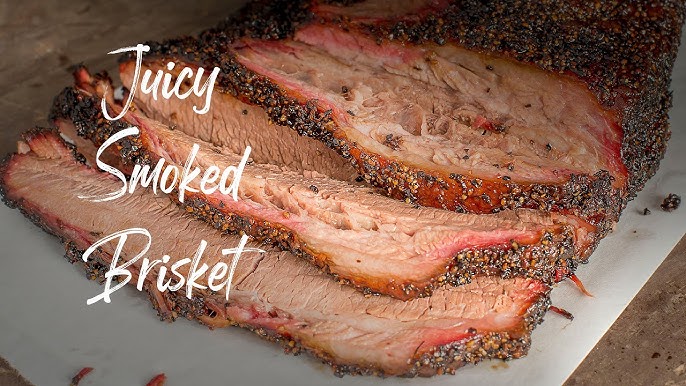
If you’ve ever wondered how to get that perfect, smoky flavor in your beef brisket, you’re in the right place. Smoking brisket on a charcoal grill might sound tricky, but with the right steps, you can turn your grill into a flavor powerhouse.
Imagine biting into tender, juicy meat with a rich smoky crust that melts in your mouth. This guide will show you exactly how to do it, even if you’re new to smoking. Stick with me, and by the end, you’ll have the confidence and know-how to impress your friends and family with mouthwatering brisket straight from your own grill.
Ready to become a backyard BBQ hero? Let’s get started.
Choosing The Right Brisket
Smoking beef brisket on a charcoal grill starts with picking the right meat. The quality of brisket impacts flavor and tenderness.
This guide explains how to select quality brisket and understand different cuts for the best results.
Selecting Quality Meat
Look for brisket that feels firm and fresh. The meat should have a good amount of fat, called marbling.
- Choose brisket with even marbling for juiciness
- Pick a brisket with a bright red color
- Avoid meat that looks dry or dark brown
- Make sure the fat is white, not yellowed
- Check for a fresh, clean smell
Understanding Brisket Cuts
Brisket has two main parts: the flat and the point. Each part cooks differently and has unique flavors.
| Cut | Description | Best Use |
| Flat | Lean, uniform thickness | Good for slicing |
| Point | More fat, uneven shape | Better for shredding |

Credit: www.youtube.com
Preparing The Brisket
Smoking beef brisket on a charcoal grill is an art. It starts with proper preparation. A well-prepared brisket ensures a delicious meal.
Follow these steps to get your brisket ready for the grill. Each step is crucial for the best flavor and texture.
Trimming Excess Fat
Trimming the fat is important. Too much fat can cause flare-ups and uneven cooking. You want to leave some fat for flavor.
Use a sharp knife for trimming. Be careful and trim the fat cap to about 1/4 inch thick.
Applying A Dry Rub
A dry rub adds flavor and forms a delicious crust. Choose spices you like and mix them well.
- Salt
- Pepper
- Garlic powder
- Onion powder
- Paprika
- Cayenne pepper (optional for heat)
Pat the rub onto all sides of the brisket. Make sure it’s evenly coated for the best taste.
Letting It Rest
Resting the brisket after applying the rub is key. It allows flavors to penetrate the meat, making it tastier.
| Resting Time | Benefit |
| 1 hour | Basic flavor absorption |
| 4-6 hours | Better seasoning penetration |
| Overnight | Deep, rich flavor |
Wrap the brisket in plastic wrap and keep it in the fridge. This step ensures the rub does its magic.
Setting Up The Charcoal Grill
Smoking beef brisket on a charcoal grill takes time and patience. Setting up your grill the right way helps you cook the meat evenly and get great flavor.
Start by arranging the coals for indirect heat. Then control the temperature to keep it steady. Finally, add wood chunks for smoke flavor.
Arranging Coals For Indirect Heat
For smoking, place hot coals on one side of the grill. Keep the other side free of coals. This setup avoids direct heat under the brisket.
Put a drip pan on the empty side. It catches fat and helps keep the grill moist. Place the brisket on the grill grate above the drip pan.
- Light 30-40 charcoal briquettes
- Push coals to one side of the grill
- Leave opposite side empty for indirect heat
- Place a drip pan under the empty side
- Put the brisket on the grill grate above the drip pan
Controlling Temperature
Keep the grill temperature between 225°F and 250°F. Use the grill vents to control airflow. Open vents raise the heat, close them to lower it.
Check the temperature often with a grill thermometer. Add small amounts of charcoal if the heat drops. Avoid opening the grill too much.
- Target temperature: 225°F to 250°F
- Adjust vents to control airflow
- Use a grill thermometer to monitor heat
- Add charcoal in small amounts as needed
- Keep the lid closed to keep heat steady
Adding Wood For Smoke
Add wood chunks to the hot coals to create smoke. Use hardwoods like oak, hickory, or mesquite for good flavor. Soak wood in water for 30 minutes before adding.
Place wood chunks directly on the coals. This makes smoke slowly as the wood burns. Add more wood every hour to keep smoke steady.
- Choose hardwood chunks: oak, hickory, mesquite
- Soak wood in water for 30 minutes
- Place chunks on hot coals, not ash
- Add more wood every hour as needed
- Avoid using softwoods that create bad flavors
Smoking Process
Smoking beef brisket on a charcoal grill takes time and patience. The goal is to cook the meat slowly to make it tender and flavorful.
The smoking process uses low heat and smoke to cook the brisket evenly. Controlling the grill’s temperature is very important.
Placing The Brisket On The Grill
Start by setting up your charcoal grill for indirect cooking. Place the hot coals on one side of the grill.
Put the brisket on the cooler side of the grill. This keeps the meat away from direct heat and prevents burning.
- Use a drip pan under the brisket to catch fat and juices
- Place the fat side up so the fat melts into the meat
- Keep the lid closed to trap smoke and heat
Maintaining Consistent Heat
Keep the grill temperature steady between 225°F and 250°F. This low heat cooks the brisket slowly and evenly.
Add a few charcoal pieces every hour to keep the fire burning. Use a water pan to help control the heat and add moisture.
- Adjust air vents to control airflow and temperature
- Avoid opening the lid too often to keep heat inside
- Use a chimney starter for adding hot coals quickly
Monitoring Internal Temperature
Use a meat thermometer to check the brisket’s internal temperature. This tells you when the meat is cooked perfectly.
Smoke the brisket until it reaches about 195°F to 205°F. This range makes the meat tender and easy to slice.
- Insert the thermometer probe into the thickest part of the brisket
- Check temperature every hour after the first two hours
- Rest the brisket for 30 minutes after smoking to keep juices
Wrapping And Resting
Wrapping and resting are key steps when smoking beef brisket on a charcoal grill. These steps help keep the meat moist and tender.
Knowing when to wrap the brisket and how to rest it can improve the flavor and texture of your smoked meat.
When To Wrap The Brisket
Wrap the brisket when it reaches an internal temperature of about 150°F to 165°F. This usually happens after several hours of smoking.
Wrapping helps the brisket cook faster and prevents the outside from drying out during the long smoke.
- Look for a dark bark forming on the surface
- Check the internal temperature with a meat thermometer
- Wrap before the stall to keep juices inside
Choosing Wrap Materials
You can use aluminum foil or butcher paper to wrap your brisket. Each material affects the cooking process differently.
Foil traps moisture and speeds up cooking. Butcher paper lets some smoke in and keeps the bark firmer.
- Aluminum Foil:Holds in moisture tightly, cooks faster
- Butcher Paper:Allows smoke to pass, keeps bark crisp
- Use what suits your taste and time
Resting For Maximum Juiciness
After smoking, rest the brisket before slicing. Resting lets the juices spread inside the meat.
Rest the brisket wrapped in a towel or in a cooler for at least 1 hour. This keeps it warm and moist.
- Remove the brisket from the grill
- Keep it wrapped to hold heat
- Rest for 45 minutes to 1 hour
- Slice against the grain for tenderness

Credit: snakeriverfarms.com
Serving Tips
Serving smoked beef brisket well makes the meal more enjoyable. Proper preparation after smoking keeps the meat tender and tasty.
These tips help you serve your brisket like a pro. Focus on slicing and pairing to bring out the best flavors.
Slicing The Brisket
Let the brisket rest for 20-30 minutes after smoking. This keeps the juices inside the meat.
Slice the brisket against the grain. Cutting this way makes the meat easier to chew.
- Use a sharp knife for clean slices
- Cut into ¼ inch thick pieces
- Slice the flat and point separately
- Serve slices warm for best taste
Pairing With Sides And Sauces
Choose simple sides that match the smoky flavor of brisket. Sides should not overpower the meat.
Offer a variety of sauces to suit different tastes. Sauces add moisture and extra flavor.
- Classic coleslaw for crunch and freshness
- BBQ sauce with a mild smoky taste
- Pickles to cut the richness
- Baked beans for a sweet, hearty side
- Potato salad for creamy texture
Common Mistakes To Avoid
Smoking beef brisket on a charcoal grill can be tricky. Many beginners make simple errors that affect flavor and texture.
Knowing these common mistakes helps you avoid them and enjoy a better smoked brisket every time.
Not Preparing The Brisket Properly
Some skip trimming the fat cap or do not season the brisket well. This can cause uneven cooking and dull flavor.
Incorrect Charcoal Setup
Using too much or too little charcoal leads to unstable temperatures. Avoid placing coals directly under the meat to prevent burning.
Ignoring Temperature Control
Failing to keep a steady temperature can dry out the brisket or make it tough. Use a grill thermometer to monitor heat closely.
- Keep grill temperature between 225°F and 250°F (107°C to 121°C)
- Add charcoal gradually to maintain heat
- Adjust vents to control airflow and temperature
Opening The Grill Too Often
Opening the lid lets heat and smoke escape. This slows cooking and affects the smoke flavor in the brisket.
Skipping The Resting Period
Cutting into the brisket right after smoking causes juices to run out. Rest the meat to keep it moist and tender.
Common Mistakes Comparison
| Mistake | Effect | How to Fix |
| Not trimming fat | Uneven cooking | Trim fat cap to about ¼ inch |
| Wrong charcoal setup | Temperature swings | Use two-zone fire with indirect heat |
| Opening lid often | Heat loss, slow cooking | Check meat only at intervals |
| Skipping rest | Dry brisket | Rest 30-60 minutes before slicing |
Tools And Accessories
Smoking beef brisket on a charcoal grill needs the right tools. These tools help keep the process smooth and the meat tasty.
Using proper accessories makes it easier to control heat and time. This helps you cook the brisket just right.
Essential Grill Tools
A good charcoal grill is the base for smoking brisket. You need tools to manage the fire and smoke well.
Long-handled tongs and heat-resistant gloves keep your hands safe. A sturdy grill grate holds the brisket steady.
- Charcoal chimney starter for quick lighting
- Long-handled tongs to move coals and meat
- Heat-resistant gloves to protect your hands
- Grill grate that fits your charcoal grill
- Aluminum drip pan to catch fat drippings
- Spray bottle for water to control flare-ups
Thermometers And Timers
Thermometers help check the temperature inside the grill and meat. This stops overcooking or undercooking the brisket.
Timers remind you when to check or add charcoal. This keeps the cooking process on track.
- Digital meat thermometer with probe for internal temperature
- Grill thermometer to monitor cooking heat
- Timer or alarm to track cooking stages
- Wireless thermometer for remote temperature checking

Credit: snakeriverfarms.com
Frequently Asked Questions
How Long Does It Take To Smoke Beef Brisket?
Smoking beef brisket usually takes 1 to 1. 5 hours per pound. Maintain a consistent temperature of 225-250°F for best results. Patience is key to tender, flavorful meat.
What Type Of Charcoal Is Best For Brisket Smoking?
Use natural lump charcoal for even heat and minimal ash. Avoid briquettes with additives, as they can affect flavor. Hardwood charcoal enhances the smoky aroma.
How Do You Maintain Temperature On A Charcoal Grill?
Control airflow using vents to regulate oxygen and heat. Add charcoal gradually to keep steady temperatures. Use a grill thermometer to monitor and adjust as needed.
Should I Wrap Brisket During Smoking?
Wrapping brisket in foil or butcher paper helps retain moisture. Wrap when internal temperature reaches around 160°F. This speeds cooking and prevents the meat from drying out.
Conclusion
Smoking beef brisket on a charcoal grill takes time and patience. Keep the fire steady and the temperature low. Use good quality charcoal and wood for flavor. Check the meat often, but don’t rush the process. Let the brisket rest before slicing to keep it juicy.
Enjoy the rich, smoky taste you created. With practice, your brisket will taste better every time. Give it a try, and have fun cooking outdoors!