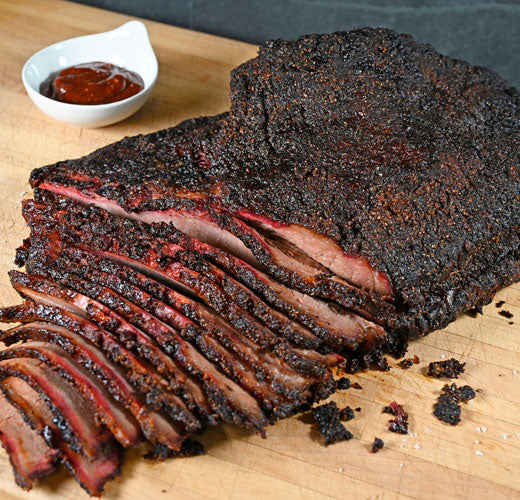
If you’ve ever wanted to master the art of smoking brisket on a charcoal grill, you’re in the right place. Smoking brisket might seem tricky at first, but with the right steps, you can create tender, flavorful meat that will impress everyone at your next cookout.
This guide will walk you through everything you need to know—from choosing the right charcoal to keeping the temperature just right. By the end, you’ll feel confident and ready to smoke a brisket that’s juicy, smoky, and downright delicious. Let’s get started and turn your grill into the ultimate smoking machine!
Choosing The Right Brisket
Smoking a brisket on a charcoal grill starts with picking the right meat. Good meat affects flavor and tenderness.
This guide helps you select quality brisket and understand size and cuts. These tips improve your cooking results.
Selecting Quality Meat
Look for fresh brisket with a bright red color. Avoid meat that is brown or has a bad smell.
- Choose brisket with even fat marbling for juiciness.
- Check for a firm texture; soft spots may mean poor quality.
- Ask your butcher for USDA Choice or Prime grades if available.
- Buy whole packer brisket, which has both flat and point cuts.
Size And Cut Considerations
Brisket size affects cooking time and how well it fits your grill. Cut type changes the texture and fat content.
| Cut | Description | Weight Range | Best For |
| Flat Cut | Lean, uniform thickness | 5 to 8 pounds | Even cooking, slicing |
| Point Cut | More fat, flavorful | 3 to 6 pounds | Juicy, shredded brisket |
| Packer Brisket | Whole brisket, flat and point | 10 to 16 pounds | Traditional smoking, full flavor |

Credit: www.youtube.com
Preparing The Brisket
Smoking a brisket on a charcoal grill starts with proper preparation. Taking time to prepare the meat helps it cook evenly and taste better.
Follow these steps to get your brisket ready for the grill. Each step adds flavor and ensures a tender final product.
Trimming Excess Fat
Begin by trimming the fat cap on the brisket. Leave about a quarter inch of fat to keep the meat moist during cooking. Remove any large, hard fat pieces that won’t render well.
- Use a sharp knife for clean cuts
- Trim off silver skin and hard fat
- Keep a thin fat layer on top
- Shape the brisket evenly for uniform cooking
Applying The Dry Rub
The dry rub adds flavor and forms a tasty bark on the brisket. Use a simple mix of salt, pepper, and your favorite spices. Coat the brisket evenly on all sides.
| Ingredient | Amount |
| Coarse Salt | 2 tablespoons |
| Black Pepper | 2 tablespoons |
| Garlic Powder | 1 tablespoon |
| Paprika | 1 tablespoon |
| Brown Sugar | 1 tablespoon (optional) |
After applying, pat the rub gently to help it stick. Avoid rubbing too hard or it may clump.
Letting It Rest
Let the rubbed brisket rest for at least one hour before smoking. This helps the flavors soak into the meat and the surface to dry slightly.
Rest the brisket in the refrigerator covered with plastic wrap or in a cool place. Aim for a rest time between 1 and 4 hours.
Setting Up The Charcoal Grill
Smoking brisket on a charcoal grill can be rewarding. Proper setup is key for the best flavor.
Learn how to arrange charcoal, add wood chips, and control temperature for delicious brisket.
Arranging Charcoal For Indirect Heat
Indirect heat cooks the brisket slowly. This makes it tender and juicy.
Place charcoal on one side of the grill. Leave the other side empty for the brisket.
- Use a chimney starter for easy lighting
- Spread lit charcoal evenly on one side
- Keep the opposite side clear for indirect cooking
Adding Wood Chips For Smoke
Wood chips add a smoky flavor to the brisket. Choose your favorite type.
Soak the wood chips in water for 30 minutes. This helps them smoke better.
- Soak wood chips before adding them
- Place chips directly on hot charcoal
- Use a foil packet with holes if preferred
Controlling Temperature
Temperature control is important for smoking. Keep the grill between 225°F and 250°F.
Adjust the vents to regulate airflow. More air means a hotter fire.
- Check the temperature with a grill thermometer
- Open vents for more heat
- Close vents to cool down

Credit: www.youtube.com
Smoking Process
Smoking brisket on a charcoal grill takes time and care. You need to control heat and smoke well.
This guide covers how to place the brisket, keep steady heat, and watch smoke levels.
Placing The Brisket On The Grill
Place the brisket fat side up on the grill grate. This lets fat drip and keep the meat moist. Put it away from direct flames to avoid burning.
Use the cooler side of the grill for cooking. This indirect heat cooks the brisket slowly and evenly.
Maintaining Consistent Heat
Keep the grill temperature steady between 225°F and 250°F. Control airflow by adjusting the grill vents. Add charcoal or wood as needed to keep heat steady.
- Check the grill thermometer often.
- Adjust vents to control oxygen flow.
- Add small amounts of charcoal every hour.
- Use a water pan to stabilize temperature.
- Avoid opening the grill too often.
Monitoring Smoke Levels
Use clean, white smoke for best flavor. Blue smoke means good combustion, while thick gray smoke can taste bitter.
| Smoke Color | Meaning | Action |
|---|---|---|
| White | Light, clean smoke | Keep smoking brisket |
| Blue | Good combustion | Maintain current setup |
| Gray | Heavy smoke | Adjust air vents or add dry wood |
| Black | Incomplete burn | Increase airflow immediately |
Wrapping And Finishing
Wrapping the brisket helps keep it moist during smoking. Finishing the smoke adds flavor and texture.
Knowing when and how to wrap is key to a tender brisket. The finishing touches make it look and taste great.
When To Wrap The Brisket
Wrap the brisket when the internal temperature hits about 150°F to 170°F. This is often called the “stall.”
The stall happens because moisture evaporates from the meat and cools it down. Wrapping stops this evaporation.
- Look for the stall at 150°F to 170°F
- Wrapping speeds up cooking after the stall
- Helps keep the brisket juicy and tender
Using Foil Or Butcher Paper
Use aluminum foil for a tight wrap that locks in moisture. It cooks the brisket faster but softens the bark.
Butcher paper lets the meat breathe. It keeps the bark firmer but takes longer to cook.
- Foil: Faster cooking, softer bark
- Butcher paper: Slower cooking, firmer bark
- Both keep moisture inside the brisket
Finishing The Smoke
After wrapping, place the brisket back on the grill until it reaches 195°F to 205°F.
Once done, let the brisket rest wrapped for at least 30 minutes. This helps juices spread evenly.
- Cook until internal temp is 195°F to 205°F
- Remove from grill and keep wrapped
- Rest for 30 minutes before slicing

Credit: www.reddit.com
Resting And Slicing
Resting and slicing are key steps in smoking brisket on a charcoal grill. They help keep the meat juicy and tender.
Taking time for these steps improves the flavor and texture of your brisket. Let’s explore why resting matters and how to slice properly.
Importance Of Resting
After smoking, brisket needs to rest to keep its juices inside. Cutting too soon makes the meat dry.
- Resting lets the juices redistribute throughout the meat.
- It makes the brisket easier to slice and more flavorful.
- Cover the brisket with foil and let it rest for 30 to 60 minutes.
- Use a cooler or warm place to keep the brisket hot while resting.
Best Slicing Techniques
Slicing the brisket correctly affects how tender and enjoyable each bite is. Cut against the grain for the best texture.
| Tip | Description |
| Identify the grain | Look for the direction of muscle fibers in the meat. |
| Slice against the grain | Cut perpendicular to the fibers for tender slices. |
| Use a sharp knife | Sharp blades make clean cuts without tearing the meat. |
| Cut thickness | Slice about ¼ inch thick for the best mouthfeel. |
Serving And Pairing
Smoking brisket on a charcoal grill creates a rich, smoky flavor. Serving it right enhances the meal experience.
Pairing brisket with the right sauces and sides balances the smoky taste. This makes every bite enjoyable.
Sauce Options
Brisket goes well with many sauces. Choose sauces that match your taste and the smoky flavor.
Some sauces add sweetness, while others add tang or spice. Pick one or try a few.
- Classic BBQ sauce: Sweet and smoky, a traditional choice.
- Mustard sauce: Tangy and slightly spicy, great for contrast.
- Chimichurri: Fresh and herby, adds brightness to the meat.
- Hot sauce: Adds heat and sharpness for bold flavors.
- Horseradish cream: Creamy with a spicy kick, good for rich brisket.
Side Dishes To Complement
Choose side dishes that balance the brisket’s smoky and rich flavors. Sides can add freshness, crunch, or softness.
Mix and match sides for variety. Include vegetables, starches, and something light.
- Coleslaw: Crisp and tangy to cut the richness.
- Baked beans: Sweet and savory, classic BBQ partner.
- Grilled corn: Adds smoky sweetness and texture.
- Potato salad: Creamy and cool, balances the heat.
- Pickles: Sharp and sour, refreshes the palate.
- Mac and cheese: Rich and cheesy for comfort food lovers.
- Green salad: Light and fresh for contrast.
Troubleshooting Common Issues
Smoking brisket on a charcoal grill can be tricky. Many beginners face problems that affect the taste and texture.
Knowing how to fix common issues helps improve your smoking skills and enjoy better results every time.
Dry Brisket Solutions
Dry brisket happens when it cooks too long or at too high a temperature. It loses its juicy texture and becomes tough.
To keep brisket moist, wrap it in foil or butcher paper during the last hours of cooking. This traps steam and juices.
- Cook at low and steady heat, around 225°F to 250°F.
- Use a water pan in the grill to add moisture.
- Rest the brisket for at least 30 minutes before slicing.
- Apply a good amount of rub to lock in flavor and moisture.
Temperature Fluctuations
Temperature swings make it hard to cook brisket evenly. Too hot or cold spots cause uneven cooking or burnt edges.
Control your charcoal grill by adding small amounts of charcoal often. Adjust vents to control airflow and heat.
- Use a grill thermometer to monitor temperature.
- Add charcoal gradually to keep heat steady.
- Keep vents partially open for good airflow.
- Avoid opening the grill too often.
Avoiding Bitter Smoke
Bitter smoke ruins the taste of brisket. It happens when wood or charcoal burns too fast or produces thick smoke.
Use dry, well-seasoned hardwoods like oak or hickory for smoke. Avoid green wood and too much charcoal.
- Light charcoal fully before adding the meat.
- Add small wood chunks, not big logs.
- Keep fire clean without too much ash buildup.
- Avoid using softwoods or treated wood.
Frequently Asked Questions
How Long Does It Take To Smoke Brisket On Charcoal?
Smoking brisket on a charcoal grill usually takes 8 to 12 hours. Timing depends on brisket size and temperature. Maintain a steady 225°F to 250°F for best results. Use a meat thermometer to check for 195°F to 205°F internal temperature.
What Charcoal Is Best For Smoking Brisket?
Use natural lump charcoal or hardwood briquettes for smoking brisket. They burn hotter and longer than regular charcoal. Avoid charcoal with additives or chemicals. Adding wood chunks like oak or hickory enhances flavor. This combination ensures a clean, smoky taste.
How Do I Maintain Temperature On A Charcoal Grill?
Control airflow using the grill’s vents to maintain steady heat. Add charcoal gradually to avoid temperature spikes. Use a water pan inside the grill to stabilize heat and add moisture. Monitor temperature frequently with a reliable grill thermometer.
Should I Wrap Brisket During Smoking?
Wrapping brisket in foil or butcher paper is optional but recommended. It helps retain moisture and speeds up cooking during the stall phase. Wrap when the brisket’s internal temperature reaches about 160°F. Unwrap for the last hour to develop bark.
Conclusion
Smoking brisket on a charcoal grill takes time and patience. Keep your fire steady and your meat low and slow. Use good wood and watch the temperature closely. The result is tender, flavorful brisket that everyone will enjoy. Try different rubs and techniques to find what you like best.
Practice helps you improve each time you cook. Enjoy the process as much as the tasty meal. Smoking brisket is rewarding and fun for any grill lover.