Spooling a fishing reel with line might seem simple, but doing it the right way can make a huge difference in your fishing experience. Imagine casting smoothly without tangles or line breaks—sounds great, right?
Whether you’re new to fishing or just need a quick refresher, this guide will show you step-by-step how to get your reel ready. By the time you finish reading, you’ll have the confidence to spool your reel perfectly every time.
Ready to make your next fishing trip more enjoyable? Let’s dive in!
Choosing The Right Fishing Line
Picking the right fishing line helps you catch more fish. It makes your fishing easier and more fun.
Different fishing lines fit different rods and reels. Learn about types, strength, and matching lines.
Types Of Fishing Line
There are three main types of fishing line: monofilament, fluorocarbon, and braided. Each has its own use and strength.
- Monofilament:Easy to handle and stretches to absorb shocks.
- Fluorocarbon:Less visible underwater and sinks faster.
- Braided:Very strong and thin, with little stretch.
Line Strength And Diameter
Line strength shows how much weight the line can hold. Diameter affects casting distance and line visibility.
| Strength (lbs) | Diameter (inches) | Use |
| 4-8 | 0.008-0.012 | Light fishing, small fish |
| 10-20 | 0.013-0.018 | Medium fishing, bass, trout |
| 25-50 | 0.019-0.030 | Heavy fishing, big fish, saltwater |
Matching Line To Reel And Rod
Your reel and rod have limits for line strength and size. Check the specs before you spool the line.
- Use light lines for spinning reels and light rods.
- Use heavier lines for baitcasting reels and heavy rods.
- Match the line diameter to the reel spool size to avoid tangles.
Credit: monsterbass.com
Preparing The Reel
Getting your fishing reel ready is important for a successful fishing trip. Here are some steps to prepare your reel before spooling it with line.
Cleaning And Inspecting The Reel
Clean your reel to remove dirt and salt. This keeps it in good condition. Check for any signs of damage or wear. Look at the handle, bail, and spool.
- Use a soft cloth to wipe the reel
- Inspect the reel for rust or cracks
- Make sure all parts move smoothly
Attaching The Reel To The Rod
Attach the reel to your fishing rod. This helps you spool the line correctly. Make sure the reel fits snugly in the reel seat.
- Align the reel with the rod guides
- Tighten the reel seat to secure the reel
- Check that the reel is not loose
Opening The Bail
Open the bail before you start spooling the line. This allows the line to flow onto the spool without tangling.
- Lift the bail arm carefully
- Ensure the bail stays open
- Check the line guide for smooth movement
Attaching The Line
Attaching the fishing line to the reel is the first step in spooling. It is important to do this correctly to avoid line slippage.
Proper attachment helps the line spool evenly and prevents tangles during fishing.
Tying The Line To The Spool
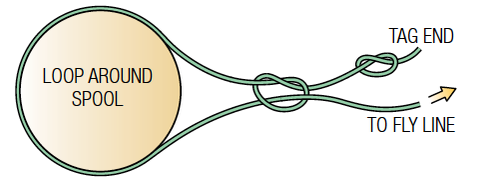
Start by wrapping the line around the spool of the reel. This gives you some slack to tie the knot securely.
Use a strong knot like the arbor knot to tie the line to the spool. Make sure the knot is tight but not overly squeezed.
- Wrap the line around the spool once
- Tie a simple overhand knot around the main line
- Tie a second overhand knot at the tag end
- Pull both knots tight to secure
Securing The Knot
Once tied, wet the knot with water or saliva. This helps reduce friction and protects the line.
Pull firmly on the line to check that the knot holds well. A loose knot can cause the line to slip off the spool.
- Wet the knot before tightening
- Pull the main line and tag end firmly
- Trim any excess tag end closely
- Inspect the knot for any gaps or looseness
Ensuring Proper Line Direction
Make sure the line comes off the spool in the same direction the reel turns. This reduces line twist and tangles.
Check the line’s path as you start to spool. Adjust the line or reel if the line twists or loops.
- Match line direction with reel rotation
- Keep light tension on the line while spooling
- Watch for any line loops or twists
- Re-spool if you see tangles forming
Spooling The Line
Spooling a fishing reel correctly helps your fishing line last longer. It also improves casting and reduces tangles. Proper spooling means winding the line evenly and tightly on the reel.
In this guide, you will learn how to keep line tension, fill the spool evenly, and avoid twists and loops. These tips make fishing easier and more enjoyable.
Maintaining Line Tension
Keeping the right tension on the line while spooling is very important. Too loose, and the line will tangle. Too tight, and the line may stretch or break. Use your fingers or a cloth to hold the line firmly as you spool.
Ask a helper to hold the spool of line with slight pressure if you are new to spooling. The goal is to keep the line tight but not too hard to pull.
Filling The Spool Evenly
Make sure the line fills the spool evenly from one side to the other. Uneven line can cause casting problems and tangles. Move the line back and forth across the spool slowly as you reel it in.
- Attach the line to the spool with a secure knot.
- Start winding the line slowly while keeping tension.
- Guide the line evenly across the spool width.
- Fill the spool up to about 1/8 inch from the edge.
- Stop winding to avoid overfilling.
Avoiding Line Twists And Loops
Twists and loops cause knots and tangles. They happen when the line spins or twists while spooling. To prevent this, make sure the line comes off the filler spool in the same direction it goes onto the reel.
| Cause | Solution |
|---|---|
| Line spins off filler spool | Hold or secure the filler spool so it does not spin freely |
| Reel spins too fast | Reel slowly to control line placement |
| Loose line tension | Keep firm tension with fingers or cloth |
Finishing Touches
After spooling your fishing reel with line, some final steps ensure the line works well. These steps improve your fishing experience.
Finishing touches help prevent line problems and keep your reel ready for use.
Cutting And Securing The Line End
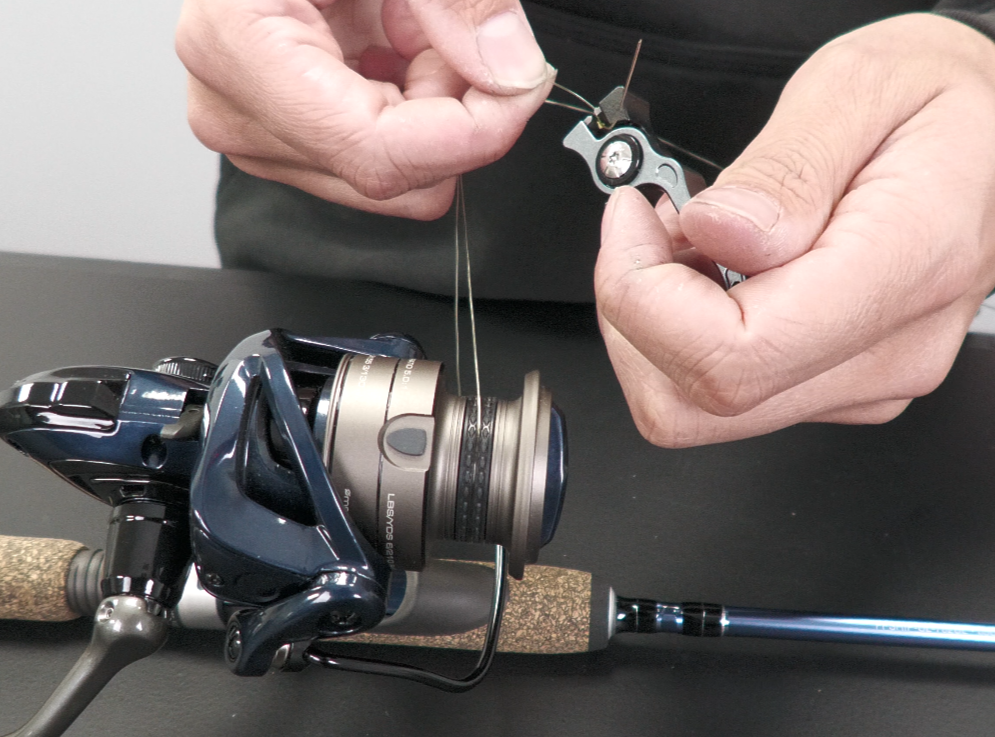
Cut the line end cleanly with sharp scissors or clippers. A neat cut stops the line from fraying.
Secure the line to the reel by tying a small knot or using the reel’s line clip. This keeps the line from slipping off.
- Use sharp scissors for a clean cut
- Leave a small tag end to tie a knot
- Attach the line to the reel’s clip if available
- Make sure the line is tight and secure
Checking For Smooth Line Flow
Pull the line out slowly to check how smoothly it moves from the reel. The line should come off without sticking.
If the line feels tight or rough, rewind it again. Smooth flow prevents tangles and helps casting distance.
- Pull line out gently to test flow
- Look for any snags or rough spots
- Rewind if the line binds or feels tight
- Check the spool is evenly filled
Setting The Drag System
Adjust the drag system to control how much line pulls out under pressure. Proper drag protects your line from breaking.
Turn the drag knob to increase or decrease resistance. Test by pulling the line by hand to feel the drag strength.
- Start with drag low, then increase as needed
- Pull line gently to test drag tension
- Set drag to match the fish size you expect
- Keep drag smooth and consistent

Credit: www.youtube.com
Tips For Perfect Casting
Spooling a fishing reel properly helps improve your casting distance and accuracy. Using the right techniques will make your fishing experience better.
Good line management prevents tangles and ensures smooth casting. Follow these tips to keep your line in top shape.
Optimal Line Length
Choosing the right line length depends on your fishing style and reel size. Too much line can cause tangles, while too little limits your casting range.
- Check your reel’s capacity to know the maximum line length.
- Spool enough line to fill about 1/8 inch below the reel’s edge.
- Leave some space to avoid line slipping off during casting.
- Adjust line length based on the type of fishing you do.
Regular Line Maintenance
Maintaining your fishing line keeps it strong and ready for use. Inspect the line often for damage or dirt that can weaken it.
| Maintenance Task | Frequency | Why It Matters |
| Check for nicks and abrasions | Before each trip | Prevents line breakage |
| Clean the line with fresh water | After saltwater fishing | Removes salt and dirt |
| Lubricate reel parts | Monthly | Ensures smooth line release |
| Replace line if old or brittle | Every 6 months | Maintains casting performance |
Replacing Line When Needed
Replacing the fishing line at the right time keeps your casts smooth and prevents unexpected breaks. Use fresh line that matches your reel and fishing needs.
- Remove the old line completely before adding new.
- Use a line suitable for the fish species you target.
- Spool the line tightly and evenly to avoid tangles.
- Keep tension on the line during spooling for best results.
Credit: www.fishusa.com
Frequently Asked Questions
How Do I Prepare My Fishing Reel Before Spooling?
Clean the reel and check for any damage. Attach the reel securely to the rod. This ensures smooth spooling and prevents line tangles.
What Type Of Fishing Line Should I Use?
Choose a line based on your fishing style and target species. Monofilament is versatile, fluorocarbon is invisible underwater, and braided lines offer strength.
How Much Line Should I Spool On My Reel?
Fill the spool to about 1/8 inch below the rim. Overfilling causes tangles, while underfilling limits casting distance and performance.
How Do I Avoid Line Twists While Spooling?
Keep tension on the line as you spool. Let the line come off the filler spool correctly to prevent twists and tangles.
Conclusion
Spooling a fishing reel with line is simple and useful. Follow the steps carefully to avoid tangles and line twists. Check the line tension as you spool to keep it tight. A well-spooled reel helps your fishing work better and lasts longer.
Practice makes the process easier and faster. Now you are ready to enjoy fishing with confidence. Keep your gear ready for the next trip. Happy fishing!