If you want to enjoy fishing without the frustration of tangled or loose line, learning how to spool a fishing reel with line is a must. Whether you’re new to fishing or just want to improve your skills, this simple step can make a big difference in your experience.
In this guide, you’ll discover easy tips and tricks that will help you spool your reel quickly and correctly, so you can spend more time catching fish and less time fixing your gear. Keep reading, and you’ll be ready to tackle the water with confidence!
Choosing The Right Line
Spooling your fishing reel starts with picking the right line. The line affects casting, strength, and how you feel the fish bite.
Understanding the types of lines and their features helps you fish better. Let’s look at key factors to choose the best line for you.
Monofilament Vs. Braided Line
Monofilament and braided lines are the two main types used by anglers. Each has unique qualities that suit different fishing styles.
- Monofilament:A single strand of nylon, stretchy and easy to handle.
- Braided:Made of woven fibers, stronger and thinner for the same strength.
- Monofilamentis good for beginners and general fishing.
- Braided linesare better for heavy cover or deep water fishing.
Line Strength And Diameter
The strength of a fishing line is called its pound test. It shows how much weight the line can hold before breaking.
| Line Type | Diameter (inches) | Typical Strength (lbs) |
| Monofilament | 0.010 – 0.030 | 6 – 20 |
| Braided | 0.008 – 0.020 | 15 – 50 |
Thinner lines cast farther but may break easily. Choose a strength that fits the fish you want to catch.
Line Color And Visibility
Line color affects how visible your line is to fish and yourself. Clear or light colors blend well in water.
- Clear or green lines:Good for clear water and sunny days.
- Fluorescent colors:Help you see the line above water but may scare fish.
- Camouflage colors:Work well in murky or weed-filled areas.
Preparing The Reel
Spooling a fishing reel with line starts with getting the reel ready. Preparing the reel well helps you avoid problems later.
This part covers cleaning and inspecting the reel and attaching it to the rod. These tasks ensure smooth spooling and better fishing.
Cleaning And Inspecting The Reel
Before spooling, clean your reel to remove dirt and salt. Check the reel carefully for any damage or wear.
- Use a soft cloth to wipe the reel’s surface
- Check the spool for cracks or dents
- Test the drag system to ensure it works smoothly
- Look for loose screws and tighten them
- Lubricate moving parts lightly with reel oil
Attaching The Reel To The Rod
Attach the reel firmly to the rod before spooling. A secure reel helps keep the line tight and even.
| Step | Action | Tip |
|---|---|---|
| 1 | Open the reel seat on the rod | Turn the locking mechanism counterclockwise |
| 2 | Place the reel foot into the seat | Ensure the reel is aligned with the rod guides |
| 3 | Tighten the reel seat | Turn clockwise until the reel is secure |
| 4 | Check the reel stability | Try to move the reel gently to test firmness |
Attaching The Line To The Reel
Attaching the line to your fishing reel is an important skill. It ensures smooth casting and reeling in your catch.
Follow these steps to attach your line properly. This guide will help you avoid tangles and breaks.
Threading The Line Through Guides
Start by threading the line through the rod guides. These are the loops along your fishing rod.
Ensure the line is smooth and not twisted. Twisted line can cause tangles and knots.
- Begin at the tip of the rod
- Insert line through each guide
- Check for smoothness as you go
Tying The Arbor Knot
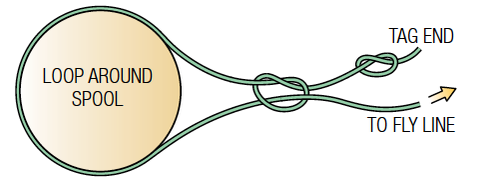
The arbor knot secures the line to the reel. It is easy to tie and holds strong under pressure.
Follow these steps for a secure knot. This knot will keep your line in place during fishing.
- Wrap the line around the reel arbor
- Tie a simple overhand knot around the main line
- Tie another overhand knot at the tag end
- Pull tight and trim excess line

Credit: www.youtube.com
Spooling The Line
Spooling fishing line onto your reel is an important step before fishing. It helps your reel work smoothly and prevents line tangles. Proper spooling improves your casting and catching experience.
Focus on two main parts: applying the right tension and filling the reel to the correct level. These details make a big difference in how well your reel performs.
Applying Tension While Spooling
Keeping the right tension on the line is key to avoid loose loops on the spool. Loose loops can cause tangles and reduce casting distance.
- Hold the line spool firmly between your fingers or use a cloth for grip.
- Pull the line with steady pressure as you wind it onto the reel.
- Make sure the line winds tight and smooth with no slack.
- If possible, have someone help by holding the line spool while you turn the reel handle.
Filling The Reel To The Right Level
Filling the reel correctly prevents line from slipping off or causing tangles. Too little line reduces casting distance. Too much line can cause backlash.
| Reel Type | Recommended Fill Level |
| Spinning Reel | Fill to about 1/8 inch from the spool lip |
| Baitcasting Reel | Fill to about 1/16 inch from the spool edge |
| Fly Reel | Fill spool about 3/4 full |
Finishing Touches
After spooling the fishing reel, it is important to complete a few final steps. These ensure your line stays secure and performs well while fishing.
Pay close attention to the line’s end and check for any problems. This helps avoid issues when you cast or reel in your catch.
Cutting And Securing The Line
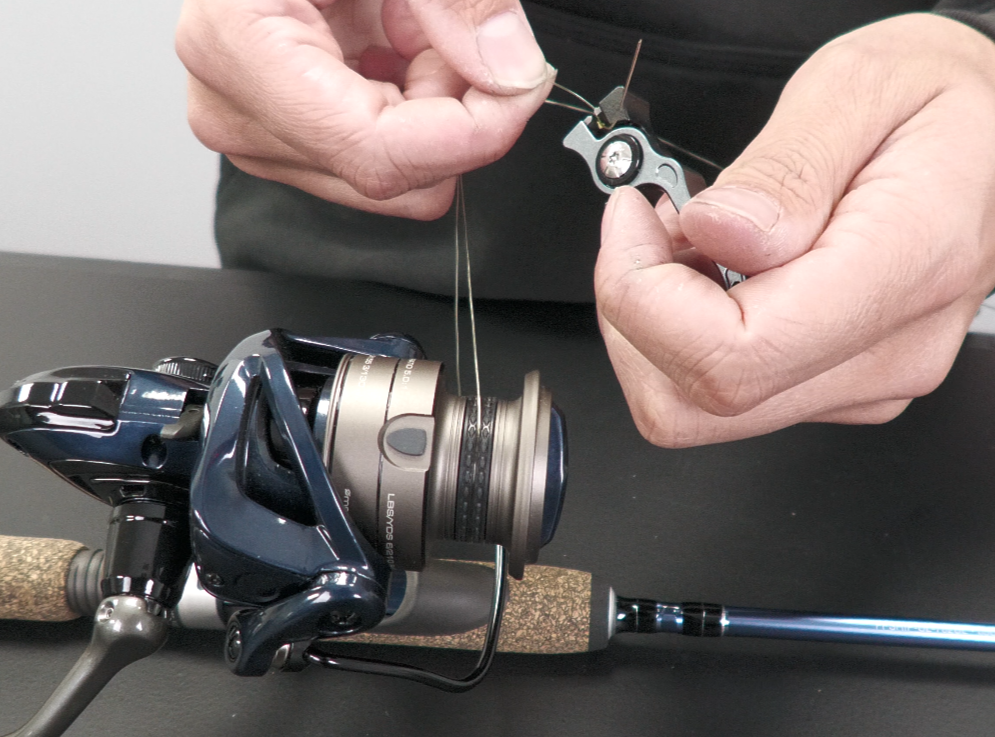
Once your reel is filled, cut the line with scissors or a line cutter. Leave about 6 inches of extra line beyond the spool.
- Tie a secure knot to attach the line to the reel’s line clip or bail arm.
- Make sure the knot is tight to prevent slipping during use.
- Trim any excess line close to the knot for a neat finish.
- Check the knot by pulling gently to confirm it holds firm.
Checking For Twists And Tangles
Twists and tangles can cause casting problems. Inspect your line carefully before fishing.
| Problem | Cause | Solution |
| Line twist | Reeling against the drag | Let the line out and rewind under tension |
| Tangles | Loose line on the spool | Spool line tightly and evenly |
| Loops | Improper knot or line clip use | Retie knot and secure line properly |
Credit: www.fishusa.com
Tips For Better Casting
Spooling a fishing reel with line is important for smooth casting. Proper line setup helps you cast farther and more accurately.
Good casting also depends on how you handle the line while spooling. Keeping the line tight and clean makes a big difference.
Maintaining Proper Line Tension
Keep the fishing line tight when spooling to avoid loose loops. Loose line can cause tangles and reduce casting distance.
Ask someone to hold the line spool or use a tensioner device. This keeps steady pressure on the line during spooling.
- Hold the line spool firmly to prevent slack
- Apply light pressure with your fingers on the line
- Make slow, even turns on the reel handle
- Stop if you see loops or twists forming
Regular Line Maintenance
Check your fishing line often for damage like nicks and frays. Damaged line weakens your cast and can break easily.
Clean the line after each fishing trip. Dirt and salt can wear out the line and reduce its strength.
- Inspect line for cuts or weak spots before use
- Wash the line with fresh water and dry it well
- Replace old or worn line regularly
- Store your reel in a cool, dry place
Credit: monsterbass.com
Frequently Asked Questions
How Do I Prepare My Reel Before Spooling Line?
Clean your reel and remove old line. Check for damage and lubricate moving parts. Proper prep ensures smooth spooling and better line performance.
What Type Of Fishing Line Should I Use?
Choose line based on fishing style and target species. Monofilament is versatile, braid offers strength, and fluorocarbon is nearly invisible underwater.
How Much Line Should I Spool On My Reel?
Fill the spool to about 1/8 inch below the rim. Overfilling causes tangles; underfilling reduces casting distance and control.
How Do I Avoid Line Twist While Spooling?
Keep line taut and spool it in the same direction it comes off the filler spool. Use a swivel to reduce twist if needed.
Conclusion
Spooling a fishing reel with line takes some care and patience. Follow the steps one by one for the best results. Keep the line tight and even on the spool. Avoid twists and tangles for smooth casting. Practice a few times to feel confident.
Soon, you will enjoy better fishing trips with properly spooled reels. Remember, good preparation makes fishing more fun and less frustrating. Keep your gear ready and enjoy the water!