If you want to get the most out of your fishing trips, learning how to spool fishing line on a spinning reel is a must. Doing it right means fewer tangles, better casting, and a much smoother experience on the water.
Whether you’re a beginner or just need a quick refresher, this guide will walk you through every step. By the end, you’ll feel confident and ready to tackle your next catch with ease. Keep reading, and let’s get your reel set up perfectly!
Gather Your Materials
Spooling fishing line on a spinning reel needs the right materials. Preparing everything before you start saves time.
Gathering the proper tools and equipment helps you spool your reel correctly and avoid problems while fishing.
Choose The Right Fishing Line
Select a fishing line that fits your fishing style and the species you want to catch. Consider the line’s strength and thickness.
- Monofilament line for easy handling and knot tying
- Fluorocarbon line for clear water and low visibility
- Braid line for strength and thinner diameter
Select A Suitable Spinning Reel
Pick a spinning reel that matches your rod and the type of fishing you plan to do. Size and gear ratio matter.
| Reel Size | Best Use | Line Capacity |
| 1000-2500 | Light freshwater fishing | 2-6 lb test |
| 3000-4000 | Medium freshwater or light saltwater | 6-12 lb test |
| 5000+ | Heavy freshwater or saltwater | 12+ lb test |
Prepare Additional Tools
Have extra tools ready to help spool the line smoothly and securely.
- Scissors or line cutter to trim excess line
- Rubber band or clip to hold the line spool
- Soft cloth or towel to protect the reel
- Marker to label line strength on the spool

Credit: www.youtube.com
Prepare The Reel
Getting your reel ready is the first step in spooling fishing line. This ensures smooth casting and reeling in your catch.
Follow these steps to make sure your reel is set up correctly before you start fishing.
Attach The Reel To The Rod
Attaching the reel to the rod is simple but crucial. It keeps your setup secure and ready for action.
- Align the reel foot with the rod’s reel seat.
- Tighten the reel seat until the reel is firmly in place.
- Ensure the reel is facing the correct direction.
Open The Bail Arm
Opening the bail arm allows you to easily spool the fishing line onto the reel. This step is vital for proper line management.
With the bail arm open, you can begin to load the line onto the spool. Make sure the line is tight and even.
Attach The Line To The Spool
Attaching the fishing line to the spool is an important step. It keeps the line secure while you spool it onto the reel.
Follow these simple steps to tie the line properly and prepare your spinning reel for use.
Tie The Line Securely
Start by threading the line through the reel’s line guide. Pull about 6 inches of line out.
Use an arbor knot to tie the line around the spool. Make sure the knot is tight and neat.
- Wrap the line around the spool’s center.
- Tie an overhand knot near the spool.
- Tighten the knot by pulling the tag end.
- Trim any extra line close to the knot.
Close The Bail Arm
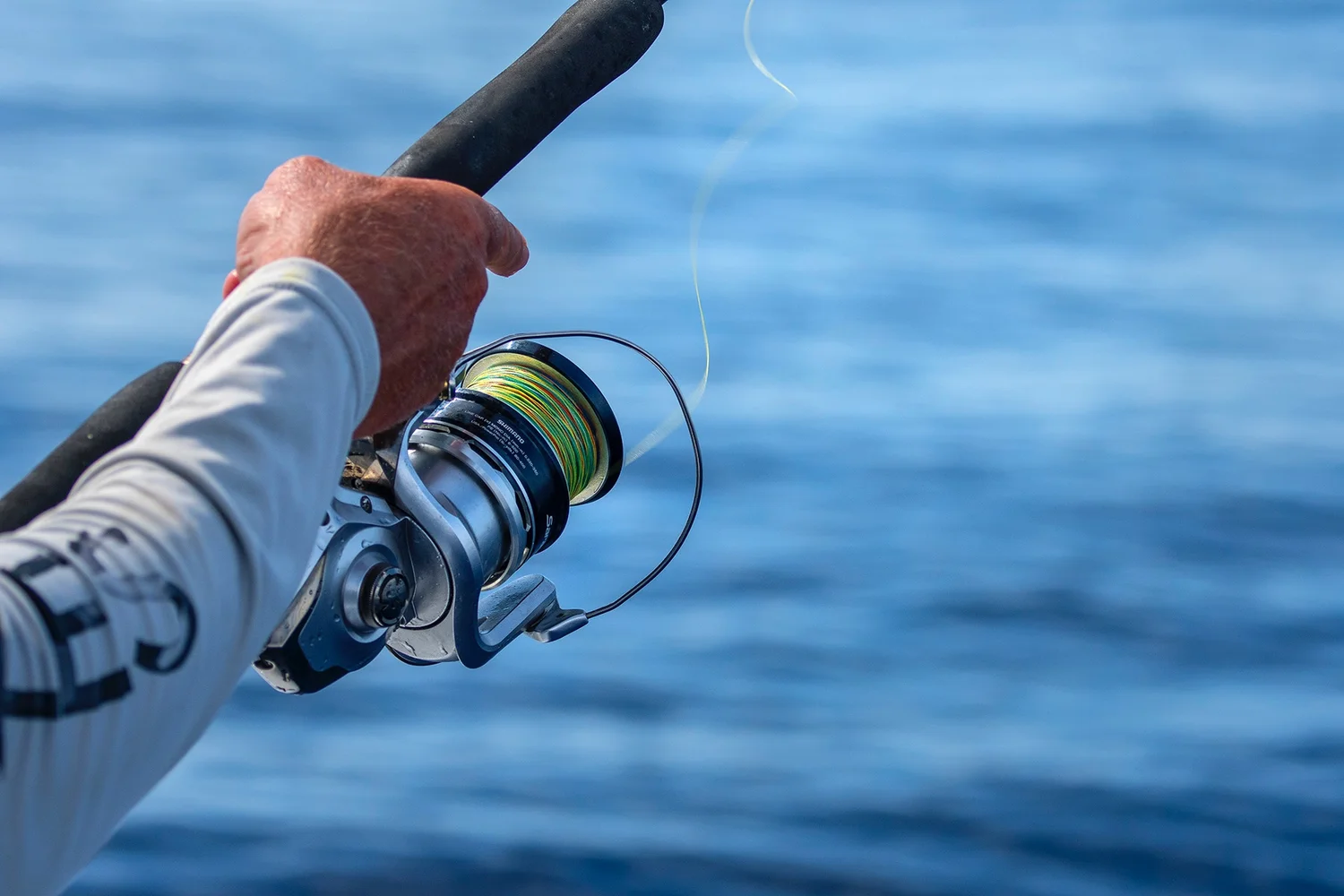
Once the line is tied, close the bail arm to keep the line in place. This stops the line from coming loose.
Check that the bail arm snaps back smoothly. This action helps the line wind evenly on the spool.
Credit: intothebluefishing.com
Spool The Line
Spooling the fishing line on a spinning reel is important for good fishing. It helps the line move smoothly and prevents tangles.
Follow simple steps to spool the line correctly. This guide will help you do it right every time.
Apply Tension To The Line
Applying tension keeps the line tight on the spool. Without tension, the line can twist or loosen.
Hold the line firmly with your fingers or wrap it around a cloth to add pressure. This helps the line wind evenly.
Wind The Line Evenly
Wind the line from one side of the spool to the other. This stops the line from bunching up in one place.
Move the line guide back and forth to spread the line evenly across the spool’s width.
- Keep the line tight while winding
- Use slow, steady turns of the reel handle
- Avoid overlapping too much in one spot
Fill The Spool Correctly
Fill the spool almost to the edge but leave some space. Overfilling can cause tangles and line breakage.
Leave about 1/8 inch of empty space between the line and spool rim for best results.
- Do not overfill the spool
- Keep the line below the spool’s lip
- Check the line level as you spool
Finish And Test
Spooling your fishing line properly is important to avoid tangles and improve casting. The final steps ensure your line is ready for use.
This section covers how to cut the line, secure the end, and check the line flow for smooth fishing.
Cut The Line
After filling the spool, cut the line leaving about 6 inches extra. Use sharp scissors or a line clipper to get a clean cut. This prevents frayed ends that cause knots.
Secure The Line End
Secure the free end of the line to keep it from unwinding. Most spinning reels have a small notch or clip on the spool.
- Find the notch or clip on the spool edge.
- Place the line end into the notch carefully.
- Make sure the line is held tight but not pinched.
- Wrap the line around the spool if no notch is available.
Check For Smooth Line Flow
Test the line flow by pulling the line slowly off the spool. It should come off smoothly without catching or slipping.
| Check Point | What to Look For | Action if Problem |
| Line Tension | Line feels tight and even | Tighten the drag or rewind |
| Line Snags | Line catches or jerks | Re-spool the line carefully |
| Line Overlap | Line piled unevenly | Adjust spool tension or rewind |
Tips For Better Spooling
Spooling fishing line onto a spinning reel needs care to work well. Proper spooling helps you fish longer and avoid problems.
Use these tips to keep your line smooth and strong on your reel. Good spooling makes casting easier and fishing fun.
Avoid Line Twists
Line twists cause tangles and knots. They happen when the line spins too much during spooling or casting.
- Check that the spool is level when loading line
- Let the line come off the filler spool in the same direction it goes onto the reel
- Use a swivel to reduce twists when using certain rigs
- Keep the line tight as you spool to stop loops
Maintain Proper Tension
Keeping tension on the line stops it from bunching up. Too loose or too tight tension causes problems.
| Tension Level | Effect |
| Too Loose | Line loops and tangles on spool |
| Too Tight | Line may break or spool unevenly |
| Just Right | Line lies flat and smooth on spool |
Use Quality Line For Best Results
Good quality line lasts longer and spools better. Cheap line may snap or tangle easily.
- Strength – choose line that matches your fishing needs
- Flexibility – softer lines spool smoother
- Durability – resist wear from water and rough surfaces
- Visibility – clear or colored line depending on water conditions
Credit: letsgobassfishing.com
Frequently Asked Questions
How Do I Spool Fishing Line On A Spinning Reel Correctly?
To spool fishing line on a spinning reel, start by threading the line through the rod guides. Tie it securely to the spool. Hold the line taut and turn the reel handle slowly to wind the line evenly. Avoid overfilling to prevent tangles and improve casting.
What Type Of Fishing Line Works Best For Spinning Reels?
Monofilament, fluorocarbon, and braided lines all work well on spinning reels. Monofilament is beginner-friendly and stretches under load. Fluorocarbon is low-visibility underwater. Braided line offers high strength and sensitivity. Choose based on your fishing style and target species for best results.
How Much Fishing Line Should I Spool On A Spinning Reel?
Fill the spool to about 1/8 inch below the spool rim. This prevents overfilling, which causes tangles and backlash. The right amount ensures smooth casting and reduces line twists, improving your overall fishing experience.
How Do I Avoid Line Twists When Spooling A Spinning Reel?
To avoid line twists, keep the line spool flat or slightly tilted while spooling. Ensure the line comes off the filler spool in the same direction as the reel spool. Use a swivel between the line and lure to reduce twisting during casting.
Conclusion
Spooling fishing line on a spinning reel is simple with practice. Keep the line tight and wind it evenly. Avoid twists and tangles by guiding the line carefully. Check the reel often to ensure smooth line flow. Proper spooling helps your fishing line last longer.
It also improves your casting accuracy. Try these steps next time you prepare your reel. Enjoy your fishing trip with confidence and ease.