
Are you struggling to find space for your laundry machines? Stacking your washer and dryer can be the perfect solution to save room and make your laundry area more efficient.
But how exactly do you stack a washer and dryer safely and correctly? In this guide, you’ll discover simple, step-by-step instructions that anyone can follow. By the end, you’ll know exactly what to do to create a neat, space-saving setup that works for your home.
Keep reading—you’ll be amazed at how easy it is to transform your laundry space!
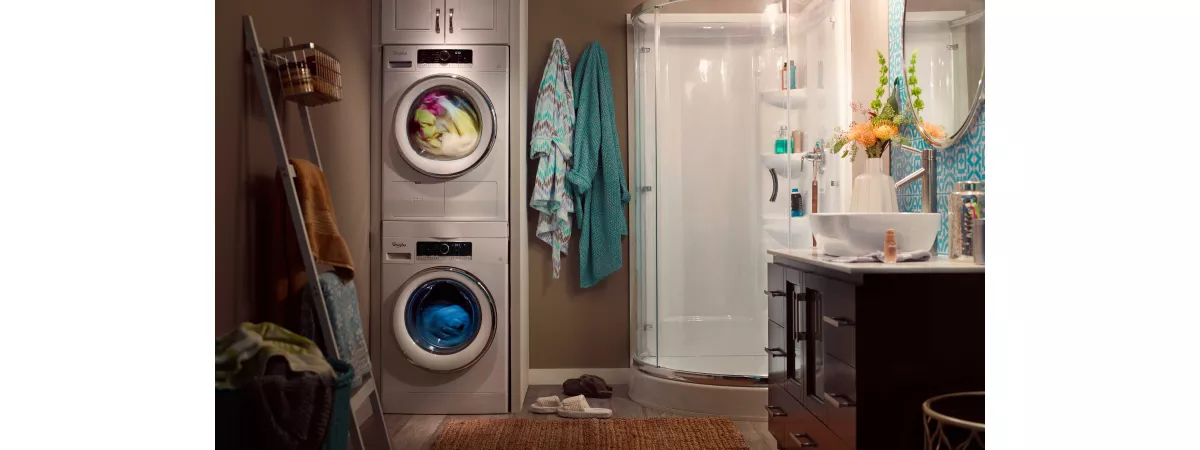
Credit: www.whirlpool.ca
Choosing The Right Washer And Dryer
Stacking a washer and dryer saves space in small laundry rooms. Picking the right units is important for a good fit.
You need to think about machine type, size, and energy use. This guide helps you choose the best washer and dryer.
Front-load Vs Top-load
Front-load washers have doors on the front and fit well under dryers. Top-load washers have lids on top and are not stackable.
Front-load machines use less water and clean clothes better. Top-load washers are often cheaper and easier to use for some people.
- Front-load washers save space and stack easily
- Top-load washers cannot be stacked with dryers
- Front-load models use less water and energy
- Top-load washers may be simpler to load and unload
Matching Sizes And Capacities
Choose a washer and dryer with similar widths for stacking. Most stackable units are about 27 inches wide.
Check the drum size. A larger washer can handle bigger loads but needs a matching dryer capacity.
- Measure space before buying units
- Pick washer and dryer with the same width
- Match dryer capacity to washer size for best drying
- Consider extra space for ventilation and hookups
Energy Efficiency Considerations
Energy-efficient washers and dryers save money on bills. Look for ENERGY STAR labels to find efficient models.
Front-load washers often use less water and energy. Dryers with moisture sensors stop when clothes are dry, saving power.
- Choose ENERGY STAR rated machines
- Front-load washers use less water and energy
- Dryers with moisture sensors reduce drying time
- Consider gas dryers for lower energy costs if available
Preparing Your Laundry Space
Stacking your washer and dryer saves space in your laundry room. Proper preparation helps the setup work well.
Check your space carefully before stacking. This ensures everything fits and works safely.
Measuring Available Space
Measure the width, depth, and height of your laundry area. Include extra space for doors and vents.
Compare these measurements with the washer and dryer sizes. Leave some room for easy access and maintenance.
- Measure width between walls or cabinets
- Check depth including door clearance
- Measure height to ceiling or shelves
- Allow at least 1 inch of extra space
Checking Electrical And Plumbing Requirements
Make sure your laundry space has the right power outlets for both machines. Dryers often need a special outlet.
Check water supply lines and drainage. Both machines need proper plumbing to work without leaks or damage.
- Use a grounded 240-volt outlet for electric dryers
- Ensure a standard 120-volt outlet for the washer
- Confirm hot and cold water connections
- Check for a floor drain or proper drainage hose setup
Ensuring Proper Ventilation
Dryers need good ventilation to remove hot air and moisture. Check if your space has a vent or plan to install one.
Proper airflow prevents mold and keeps your laundry room safe and dry.
- Locate an existing dryer vent or wall vent
- Use vent ducts made of metal, not plastic
- Keep vent length short and straight
- Clean vents regularly to avoid blockages
Essential Tools And Materials
Stacking a washer and dryer saves space in your home. The right tools and materials make the job easy and safe.
Gathering essential items before starting ensures a smooth process. Let’s explore what you need.
Stacking Kits And Brackets
Stacking kits keep your washer and dryer securely together. These kits often include brackets.
- Ensure compatibility with your models
- Follow included instructions carefully
- Use brackets to prevent shifting during use
Safety Straps And Supports
Safety straps and supports are crucial for stability. They help prevent accidents and ensure proper alignment.
Safety strapskeep the units tied together, reducing movement.
Support padsabsorb vibrations, protecting floors.
Basic Tools Needed
Basic tools help in assembling and securing your stack. Make sure you have them ready.
| Tool | Purpose |
| Screwdriver | Tighten screws and brackets |
| Level | Ensure even stacking |
| Wrench | Adjust bolts as needed |
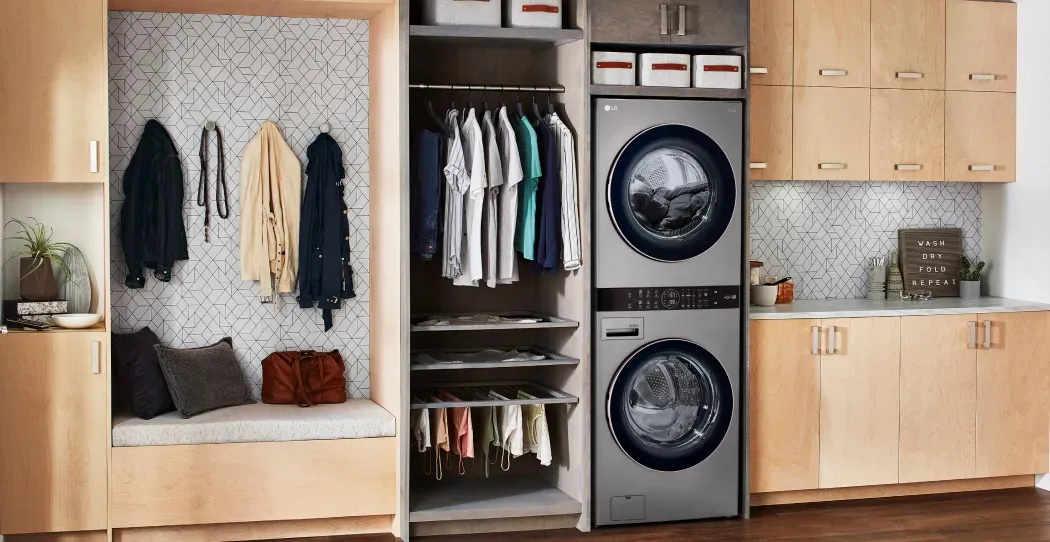
Credit: www.woodcocks.us
Step-by-step Stacking Process
Stacking a washer and dryer saves space in your laundry area. It makes the room more organized and easy to use.
Follow these steps to stack your washer and dryer safely and securely.
Positioning The Washer
Start by placing the washer where you want it. Make sure the floor is level and strong enough to hold the weight.
Leave enough space around the washer for hoses and cords. Check that water and power connections are close.
Installing The Stacking Kit
Use a stacking kit made for your washer and dryer models. This kit keeps the dryer stable on top of the washer.
Follow the instructions to attach the kit brackets to the washer. Tighten all screws firmly to avoid movement.
- Check kit compatibility with your machines
- Gather tools like a screwdriver and wrench
- Attach brackets to washer’s top corners
- Tighten screws securely
Placing The Dryer On Top
Lift the dryer carefully and place it on the washer. Align it with the stacking kit brackets.
Make sure the dryer sits flat and does not wobble. Ask for help if the dryer is heavy or large.
Securing The Units Together
Use the screws or clamps from the stacking kit to join the washer and dryer. This stops the dryer from moving.
Check all connections again. Make sure both units are stable before using them.
- Tighten all screws in stacking kit brackets
- Test for any movement by gently shaking dryer
- Adjust if the dryer feels loose
- Plug in both units and connect hoses
Connecting Utilities Safely
Stacking your washer and dryer saves space and makes laundry easier. Connecting utilities safely is important to avoid damage and accidents.
Follow basic safety rules when hooking up water, electricity, and ventilation. This keeps your appliances working well.
Hooking Up Water And Drainage
Connect the washer to cold and hot water supply lines carefully. Use new hoses and check for leaks before use.
Make sure the drain hose is secure and placed in the drain pipe or laundry tub. This prevents water spills.
- Turn off water supply before connecting hoses
- Use washers on hose connections to avoid leaks
- Secure drain hose to prevent it from slipping out
- Check all connections for leaks after turning water on
Connecting Electrical Outlets
Make sure the power is off before plugging in your washer and dryer. Use the correct outlet for each appliance.
Dryers often need a 240-volt outlet. Washers usually use a standard 120-volt outlet. Check your appliance labels.
- Use grounded outlets to avoid electric shock
- Do not use extension cords with washers or dryers
- Check power cords for damage before use
- If unsure, hire a licensed electrician to install outlets
Setting Up Dryer Ventilation
Attach the dryer vent hose to the dryer’s exhaust port tightly. Use metal venting material for safety and durability.
Route the vent hose to the outside of your home. Avoid long or twisted vents to keep airflow strong.
- Use metal or rigid vent hoses instead of plastic
- Seal vent connections with foil tape, not duct tape
- Clean the dryer vent regularly to prevent fire hazards
- Keep vent hose as short and straight as possible
Testing And Adjustments
After stacking your washer and dryer, testing and adjustments are important. This ensures both machines work safely and properly.
Check that the units are stable and perform test cycles. Fix any problems before regular use to avoid damage.
Leveling The Units
Leveling the washer and dryer keeps them steady during use. Uneven units can cause noise or damage.
Use a spirit level on top of each unit. Adjust the feet until the bubble is centered.
- Check the washer first, as it moves more during cycles.
- Turn the adjustable feet to raise or lower corners.
- Test the level front-to-back and side-to-side.
- Make sure both machines do not rock or tilt.
Running Initial Test Cycles
Run short cycles on both washer and dryer before full loads. This finds any setup problems early.
Watch for unusual sounds, leaks, or error messages. Stop and check if something seems wrong.
- Start with a rinse or spin cycle in the washer.
- Run the dryer on a low heat setting.
- Check hoses and vents for proper connections.
- Make sure no vibrations or movements occur.
Troubleshooting Common Issues
Some problems may happen after stacking. Fix these quickly to keep machines safe and working well.
Common issues include noise, vibrations, and error codes. Identify the cause to solve the problem.
- Noise and shaking may mean the units are not level.
- Leaks usually come from loose hose connections.
- Error codes might need a reset or checking the manual.
- Dryer not heating could be a clogged vent or power issue.
Maintenance Tips For Stacked Units
Stacked washer dryer units save space but need care to work well. Regular maintenance keeps them running smoothly. This guide helps you keep your appliances clean and safe.
Follow these simple tips to avoid problems and extend your appliance’s life. Cleaning and checks are easy tasks that prevent big repairs later.
Cleaning Filters And Vents
Filters and vents collect lint and dust. Cleaning them often stops clogs and fire risks. It also helps your machine dry clothes faster and use less energy.
- Remove lint from the dryer filter after every use.
- Clean the vent pipe at least twice a year to clear blockages.
- Use a vacuum to remove dust from vents and around the unit.
- Check the washer’s drain filter monthly and clear any debris.
Regular Inspections
Look over your stacked unit every few months. Check hoses, doors, and seals for wear or leaks. Finding small issues early saves money and trouble.
| Inspection Area | What to Check | How Often |
| Water Hoses | Cracks, leaks, or bulges | Every 3 months |
| Door Seals | Cleanliness and cracks | Every 3 months |
| Power Cord | Frays or damage | Every 6 months |
| Dryer Vent | Blockages and damage | Every 6 months |
Extending Appliance Lifespan
Simple habits help your stacked washer dryer last longer. Avoid overloading and use proper detergent amounts. Keep the area dry and well-ventilated.
- Do not overload washer or dryer; follow capacity limits.
- Use high-efficiency detergent to prevent buildup.
- Keep the machine level to reduce noise and wear.
- Leave dryer door open after use to dry inside.
- Schedule professional service every 1-2 years.

Credit: www.reddit.com
Maximizing Space Around Stacked Laundry
Stacking your washer and dryer is a great way to save space. It allows you to use areas that might otherwise be wasted.
To get the most out of your stacked laundry setup, consider how you organize the surrounding space. This will make laundry day more efficient.
Storage Solutions
Finding clever storage solutions can help keep your laundry area tidy. Use shelves and cabinets to store essentials nearby.
- Install shelves above the stacked units
- Use baskets for organizing smaller items
- Consider a pull-out drawer for detergents
Organizing Laundry Supplies
Keeping your laundry supplies organized makes the task quicker. Label containers so you can find what you need fast.
| Supply | Storage Idea |
| Detergent | Use a clear jar |
| Fabric softener | Keep in a labeled bottle |
| Stain remover | Store in a basket |
Utilizing Vertical Space
Vertical space can be a lifesaver in tight areas. Use hooks and rods to hang items when needed.
Consider installing a tension rod for hanging clothes. This can be easily adjusted and moved as necessary.
Frequently Asked Questions
How Do I Safely Stack A Washer And Dryer?
Use a compatible stacking kit designed for your models. Secure both units firmly to avoid tipping. Follow manufacturer instructions carefully. Ensure proper ventilation and electrical connections for safety.
Can All Washers And Dryers Be Stacked?
No, only front-loading washers and dryers designed for stacking can be stacked. Check your appliance specifications. Top-loading machines are not suitable for stacking due to design and balance issues.
What Tools Are Needed To Stack Washer And Dryer?
Typically, you need a stacking kit, a screwdriver, and a wrench. Some kits include brackets and bolts. Always use tools recommended by the stacking kit manufacturer for secure installation.
How Much Space Do Stacked Washer And Dryer Save?
Stacking can save up to 7 square feet of floor space. It’s ideal for small laundry rooms or apartments. This setup frees up room for storage or other uses.
Conclusion
Stacking a washer and dryer saves space and keeps your laundry area neat. Choose the right stacking kit and follow safety steps carefully. Check your machines fit well and connect hoses properly. Regular cleaning helps your appliances last longer. Simple steps make stacking easy and efficient.
Keep your laundry routine smooth with a tidy setup. Try these tips to make the most of your space. Small changes bring big benefits to your home.