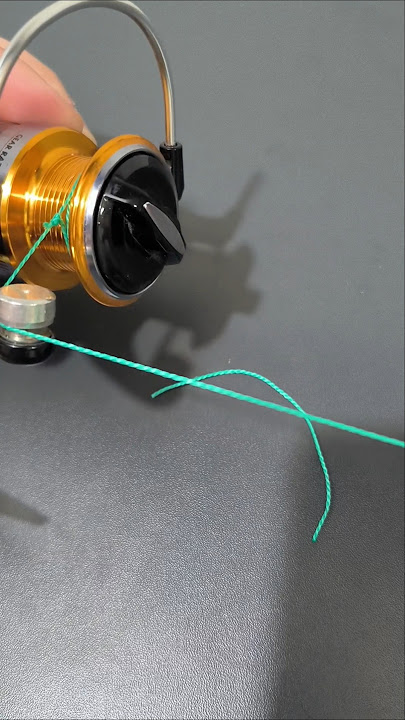
Are you ready to get your fishing reel ready but not sure how to start the fishing line the right way? Setting up your reel correctly can make all the difference between a smooth fishing day and a frustrating one.
Whether you’re a beginner or just need a quick refresher, this guide will walk you through simple, step-by-step instructions to get your line on the reel perfectly. Keep reading, and you’ll soon feel confident and prepared to cast out with ease!
Choosing The Right Fishing Line
Picking the right fishing line helps you catch fish better. It affects how far and how strong you can cast.
This guide covers the main types of fishing lines, their strength, diameter, and how to match them to your reel.
Types Of Fishing Line
There are three common types of fishing lines. Each works best for different fishing styles and fish types.
- Monofilament:Easy to handle and stretchable. Good for beginners.
- Fluorocarbon:Nearly invisible underwater and sinks faster.
- Braid:Very strong and thin. Good for heavy cover and long casts.
Line Strength And Diameter
Line strength is called “pound test.” It tells how much weight the line can hold before breaking.
| Line Type | Common Strength (lbs) | Diameter (inches) |
| Monofilament | 6 – 20 | 0.012 – 0.018 |
| Fluorocarbon | 8 – 25 | 0.010 – 0.016 |
| Braid | 10 – 50 | 0.008 – 0.020 |
Matching Line To Reel
Your reel has limits on line strength and length. Use line that fits these limits to avoid problems.
Check the reel spool for labels like:
- Maximum line length in yards or meters
- Recommended line strength in pounds
Use these to choose the best line for your reel.
Credit: monsterbass.com
Preparing The Reel
Getting your fishing reel ready is important before you start. It helps the line go on smoothly. Proper preparation can prevent tangles and improve your fishing experience.
This guide covers cleaning and inspecting the reel, opening the spool, and securing the reel on the rod. Follow each step carefully for the best results.
Cleaning And Inspecting The Reel
Check the reel for dirt, salt, and damage. Clean it with a soft cloth and mild soap. Look for cracks, rust, or worn parts that may affect performance.
- Wipe down the reel body and handle
- Remove old grease and dirt
- Inspect the drag system for smoothness
- Check the bail arm for proper movement
- Look for loose screws or parts
Opening The Spool
To add fishing line, open the spool carefully. This allows you to attach the line properly. Most reels have a knob or a clip to unlock the spool.
| Reel Type | How to Open Spool |
| Spinning Reel | Turn the knob on top counterclockwise |
| Baitcasting Reel | Press the spool release button |
| Fly Reel | Unscrew the drag knob and remove the spool |
Securing The Reel On The Rod
Attach the reel firmly to the rod. This keeps it stable while you cast and reel in fish. Use the reel seat to lock it in place.
- Slide the reel foot into the reel seat
- Tighten the locking rings or screws
- Make sure the reel does not wobble
- Align the reel handle with the rod guides
Attaching The Line To The Spool
Starting your fishing line on the reel spool is an important step. It keeps the line secure and prevents slippage.
This guide will help you attach the line correctly for smooth casting and reeling.
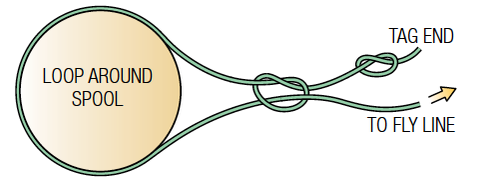
Tying The Arbor Knot
The arbor knot holds the fishing line to the reel spool firmly. It is simple to tie and strong enough for fishing.
- Pass the line around the spool.
- Tie an overhand knot around the standing line.
- Tie a second overhand knot at the tag end.
- Pull both knots tight against the spool.
- Trim the excess tag end close to the knot.
Ensuring A Tight Knot
A tight knot prevents the line from slipping during casts. Make sure to wet the line before tightening to avoid friction damage.
| Check Point | What to Do |
| Line Wetness | Moisten before pulling knot tight |
| Knot Tightness | Pull firmly until knot sits snugly |
| Tag End Length | Trim close but leave a small tail |
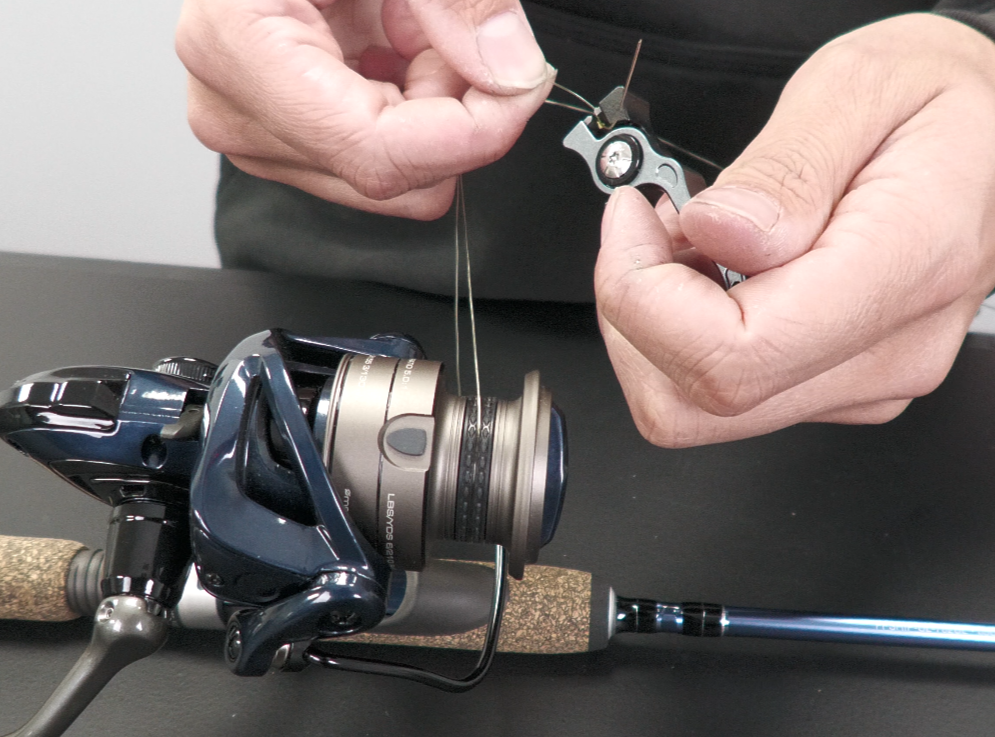
Starting The Spool
Start winding the line onto the spool slowly. Keep tension on the line to prevent loose loops.
- Hold the line tight with your fingers.
- Turn the reel handle steadily.
- Check the line lays evenly on the spool.
- Fill the spool to about 1/8 inch from the edge.
Credit: www.fishusa.com
Spooling The Line
Spooling the fishing line onto your reel is an important step before fishing. It helps your line sit correctly and prevents tangles.
Proper spooling makes casting easier and helps your line last longer. Follow simple tips to get the best results.
Maintaining Tension
Keep the fishing line tight while spooling. This stops loose loops that can cause tangles and knots during fishing.
- Use your fingers or a cloth to hold tension on the line.
- Ask someone to hold the spool if needed.
- Keep steady pressure while winding the line.
- Do not let the line become slack at any time.
Winding Evenly
Wind the line evenly across the reel spool. This helps the line to lay flat and prevents bunching on one side.
| Tips for Even Winding |
|---|
| Move the line guide slowly back and forth. |
| Keep a steady speed while turning the reel handle. |
| Check the line spread regularly during spooling. |
| Stop and adjust if line piles up in one area. |
Avoiding Line Twist
Line twist makes casting hard and causes tangles. Avoid it by following key steps during spooling.
- Attach the line to the spool with a secure knot.
- Let the spool spin freely while the line feeds onto the reel.
- Keep the line straight and avoid loops.
- Use swivel connectors to reduce twist if needed.
Finishing The Setup
After attaching the fishing line to the reel, you need to finish the setup properly. This ensures smooth casting and prevents tangles while fishing.
Follow these steps carefully to prepare your line for use and get ready for your fishing trip.
Cutting The Line
Cut the fishing line to the right length before spooling it onto the reel. Too much line can cause tangles, and too little can limit your cast.
Use sharp scissors or a line cutter to make a clean cut. Avoid frayed ends as they can slip off the reel.
Threading The Line Through Guides
Pass the line through the rod guides starting at the tip. Make sure the line sits inside each guide properly.
This helps keep the line straight and prevents it from tangling during casting and retrieval.
- Start at the tip guide and move down the rod
- Ensure the line is not twisted or caught
- Check all guides for smooth line flow
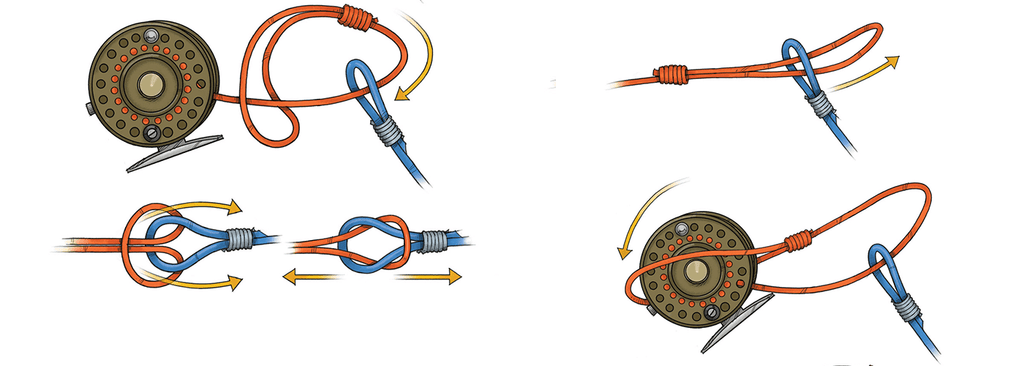
Securing The Line End
Secure the line end tightly to the reel spool. This stops the line from slipping when you cast or reel in.
Use an appropriate knot like the arbor knot to fasten the line. Pull the knot tight and trim any excess line.
- Make a loop around the spool
- Tie a simple knot to hold the line
- Tighten the knot firmly
- Trim the extra line close to the knot
Tips For Better Spooling
Starting a fishing line on a reel can be tricky. Proper spooling helps avoid problems while fishing.
Here are some tips to spool your line correctly and keep it smooth on the reel.
Using A Line Spooling Station
A line spooling station keeps your reel steady and tight. It makes the spooling process easier and cleaner.
You get better control of tension and avoid loose coils by using a station.
- Attach the reel firmly to the station.
- Keep the line spool aligned with the reel.
- Apply gentle tension on the line as you spool.
Checking For Twists And Tangles
Line twists cause tangles and knots. Check the line often while spooling.
Let the line spin off the spool naturally. Stop if you see loops or twists forming.
- Run the line through your fingers to feel for twists.
- Keep the line tight to prevent loops.
- Untwist the line before continuing to spool.
Re-spooling Frequency
Old or worn line breaks easily. Re-spool your reel before fishing if the line looks damaged.
Frequent re-spooling keeps your fishing line fresh and strong.
- Check your line after every few trips.
- Replace line if it feels rough or has nicks.
- Spool new line if you notice memory or curling.
Credit: www.epicflyrods.com
Frequently Asked Questions
How Do I Start Fishing Line On A Reel?
Begin by attaching the line to the spool with an arbor knot. Then, wind the line evenly onto the reel by turning the handle slowly. Keep tension on the line to avoid tangles and ensure a smooth spool.
What Type Of Fishing Line Suits Beginners?
Monofilament line is ideal for beginners. It is affordable, easy to handle, and flexible. This line type offers good knot strength and casts well, making it perfect for learning how to start fishing line on a reel.
How Much Fishing Line Should I Put On My Reel?
Fill the spool about 1/8 inch below the reel’s lip. This prevents overfilling and reduces line tangles. The right amount ensures smooth casting and retrieval without line slipping or breaking.
Can I Reuse Old Fishing Line On My Reel?
It’s best to avoid reusing old fishing line. Old line can be weak, brittle, and prone to breakage. Using fresh line improves casting performance and reduces the risk of losing fish.
Conclusion
Starting fishing line on a reel is easier than it seems. Follow the steps carefully and take your time. A properly loaded reel helps you fish without trouble. Practice a few times to get comfortable. Soon, you will enjoy smooth casting and fewer tangles.
Remember, patience and care make a big difference. Keep your gear ready and have fun by the water. Fishing can be relaxing and rewarding with the right setup. Give it a try and enjoy every moment outdoors.