Have you ever struggled with getting your fishing line started on a reel? It can be frustrating when the line twists, tangles, or just won’t sit right.
But don’t worry—setting up your reel properly is easier than you think. In this guide, you’ll learn simple, step-by-step tips to get your fishing line on the reel quickly and smoothly. By the end, you’ll feel confident and ready to cast like a pro.
Keep reading to discover how to make your fishing experience hassle-free from the very first cast.
Choosing The Right Fishing Line
Choosing the right fishing line is important for a good fishing experience. The line helps you catch fish and protects your reel.
There are many types of lines. You also need to pick the right strength and thickness. Matching the line to your reel is key.
Types Of Fishing Line
There are three main types of fishing line: monofilament, fluorocarbon, and braided. Each type has its own uses and benefits.
- Monofilament:Easy to use and stretchable. Good for beginners.
- Fluorocarbon:Hard to see in water. Good for clear water fishing.
- Braided:Very strong and thin. Works well for heavy fish.
Line Strength And Thickness
Line strength is the amount of weight the line can hold before breaking. It is measured in pounds (lb).
Thickness affects casting and how the line moves in water. Thinner lines cast farther but may be weaker.
| Line Strength (lb) | Best For |
|---|---|
| 2-6 | Small fish like trout and panfish |
| 8-12 | Medium fish like bass and walleye |
| 15-30 | Large fish like pike and catfish |
Matching Line To Reel
Your reel has a limit on how much line it can hold. Check the reel’s specifications before buying line.
Choose a line that fits the reel’s capacity and the type of fishing you plan to do. This prevents tangles and damage.
- Use lighter lines on small reels.
- Use stronger lines on big reels for heavy fish.
- Match line type to reel type for best performance.
Preparing The Reel
Starting a fishing line on a reel begins with proper preparation. A well-prepared reel ensures a smooth fishing experience.
Let’s explore the key steps to get your reel ready for action.
Cleaning And Inspecting The Reel
Before using your reel, it’s essential to clean and inspect it. Dirt and debris can affect its performance.
Use a soft cloth to wipe the reel. Check for any visible damage or wear.
Setting The Drag
The drag system is crucial for controlling the tension on the line. Proper drag setting prevents line breakage.
- Locate the drag adjustment knob on the reel.
- Turn the knob clockwise to increase tension.
- Turn it counterclockwise to decrease tension.
Attaching The Reel To The Rod
Attaching the reel to the fishing rod is a simple process. It forms the foundation of your fishing setup.
| Step | Action |
| 1 | Align the reel foot with the rod’s reel seat. |
| 2 | Tighten the reel seat until the reel is secure. |
| 3 | Ensure there’s no wobble or movement. |
Attaching The Line To The Reel
Starting a fishing line on a reel is an important first step. It helps you fish smoothly without tangles.
Attaching the line correctly keeps it secure and ready for casting. Follow simple steps to do it right.
Tying The Arbor Knot
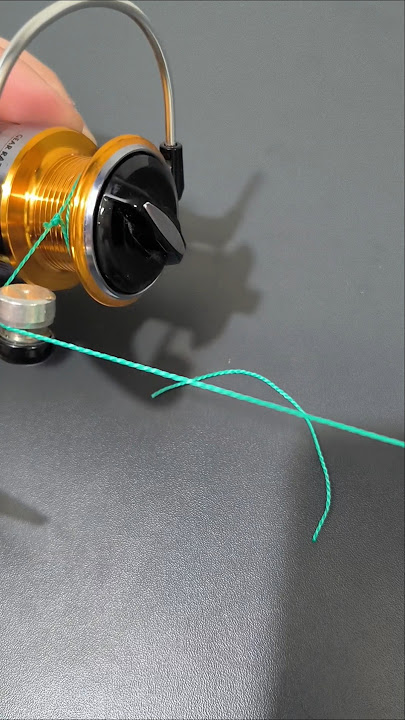
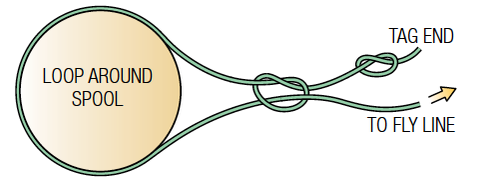
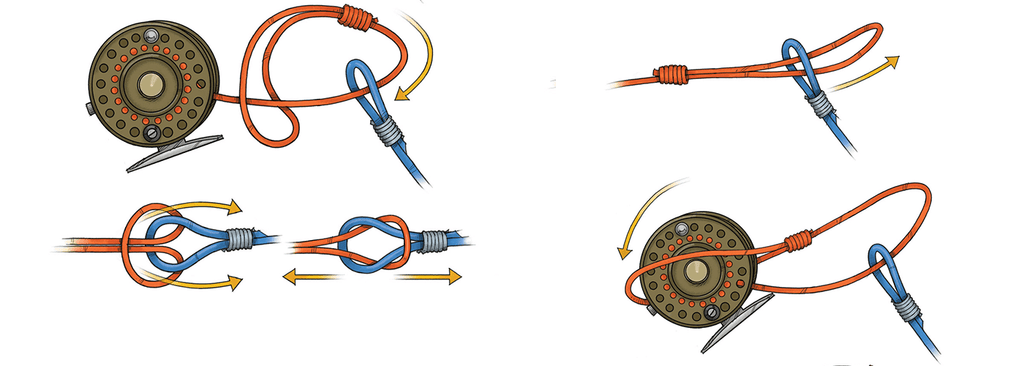
The arbor knot is the best way to tie the line to the reel spool. It holds the line tight and does not slip.
Start by wrapping the line around the center of the spool. Tie a simple overhand knot around the main line.
- Wrap the line around the spool.
- Tie an overhand knot around the main line.
- Tighten the knot close to the spool.
Securing The Line
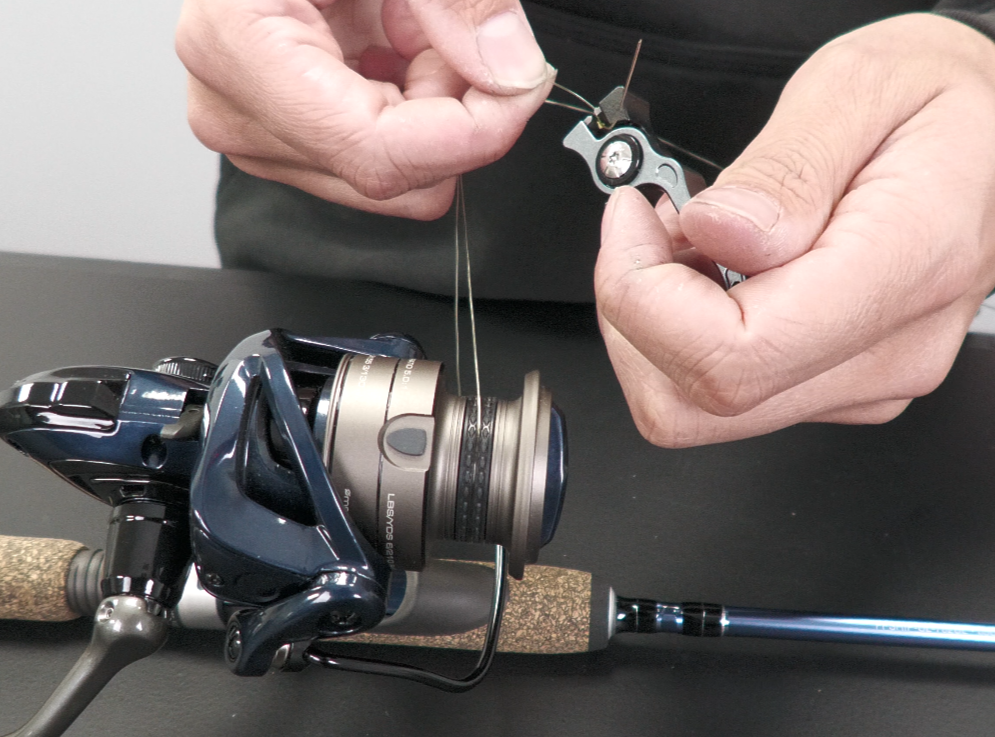
After tying the knot, pull the tag end to secure the line firmly to the reel. This prevents slipping during use.
Make sure the line lies flat on the spool. Wind the line slowly to keep it tight and even.
- Pull the tag end firmly to tighten the knot.
- Keep the line flat on the spool.
- Wind slowly for an even wrap.
Checking The Knot
Check the knot by pulling the main line and tag end. The knot should stay tight without slipping.
If the knot loosens or slips, retie it. A strong knot keeps your fishing line secure during casting and reeling.
- Pull both ends of the line firmly.
- Look for any slipping or loosening.
- Retie if the knot is not tight.
Credit: www.fishusa.com
Spooling The Line
Starting the fishing line on your reel correctly helps you fish better. It keeps the line strong and ready to use.
Spooling the line means wrapping it onto the reel spool. This guide covers how to do it well.
Maintaining Proper Tension
Keeping tension on the line is key during spooling. It stops the line from getting loose or tangled.
- Hold the line between your fingers firmly but gently.
- Ask someone to hold the rod if you need help.
- Keep the line tight as you turn the reel handle slowly.
- Check often to avoid slack on the spool.
Winding The Line Evenly
Wind the line carefully so it covers the spool in smooth layers. This helps your cast and prevents problems.
| Tip | How to Do It |
| Guide the Line | Move your fingers back and forth evenly |
| Turn Slowly | Reel in at a steady pace to avoid bunching |
| Fill the Spool | Stop when the line is just below the spool edge |
Avoiding Twists And Tangles
Twists and tangles weaken the line and cause snags. Prevent them by following simple rules.
- Use the right type of line for your reel.
- Attach the line to the spool with a secure knot.
- Keep the line straight as you spool it.
- Let the line spool off the supply spool in the same direction as the reel rotates.
- Check for twists often and fix them before they get worse.
Finishing Touches
After attaching the fishing line to the reel, some final steps ensure your setup works well. These finishing touches help the line run smoothly and last longer.
Follow these simple tasks to prepare your fishing rod and reel for a good fishing experience.
Cutting The Line
Cut the fishing line neatly to avoid fraying. Use sharp scissors or a line cutter for a clean cut. Leave a small tail of about 6 inches past the knot on the spool.
Threading The Line Through Guides
Pass the fishing line through each guide on your rod. Start from the bottom near the reel and move to the tip. Proper threading helps the line flow evenly when casting.
- Hold the rod firmly
- Insert the line through the first guide closest to the reel
- Continue threading through each guide up to the tip
- Make sure the line is not twisted or tangled
Testing The Setup
Check your fishing line setup to avoid problems while fishing. Test the tension and smoothness of the reel. Adjust the drag if needed for the right resistance.
| Test | What to Check | Action |
| Line Tension | Line tightness on spool | Tighten or loosen the line |
| Guide Threading | Line runs through all guides | Re-thread if tangled |
| Drag Setting | Resistance when pulling line | Adjust knob for smooth drag |
Common Mistakes To Avoid
Starting fishing line on your reel may seem easy. Yet, many anglers make simple errors that cause problems. Avoiding these mistakes helps your line last longer and fish better.
This guide covers common mistakes like overfilling the spool, loose knots, and ignoring line tension. Fixing these issues improves your fishing experience.
Overfilling The Spool
Putting too much line on the spool causes tangles and reduces casting distance. It can also damage your reel.
- Keep the line level with the spool’s edge.
- Do not fill above the spool rim.
- Leave a small gap to allow smooth casting.
- Check your reel’s recommended line capacity.
Loose Knots
Tying loose knots makes your line slip or break easily. Tight knots keep the line secure and strong.
| Common Knot Mistakes | How to Fix |
|---|---|
| Not pulling knots tight | Wet the line and pull firmly |
| Wrong knot type | Use knots made for fishing line |
| Using old or damaged line | Cut and retie with fresh line |
Ignoring Line Tension
Not keeping line tension while spooling causes loose coils. This leads to tangles and bird nests.
Follow these tips to keep tension:
- Hold the line tight between your fingers.
- Ask someone to hold the spool with light pressure.
- Reel slowly and evenly to wind the line.
Tips For Long-lasting Line Performance
Fishing line lasts longer with the right care and handling. Proper steps can keep it strong and ready for your next catch.
Use the tips below to maintain your fishing line and avoid frequent replacements.
Regular Maintenance
Check your fishing line often for damage or wear. Small cuts or frays can cause breaks during fishing.
- Rinse the line with fresh water after each use, especially if used in saltwater.
- Dry the line completely before storing it to prevent mold and weakening.
- Inspect the line for any nicks or weak spots regularly.
- Replace or trim damaged sections to keep the line strong.
Proper Storage
Store your fishing line in a cool, dark place. Heat and sunlight can cause the line to degrade faster.
| Storage Tip | Reason |
| Keep line away from direct sunlight | UV rays weaken the line fibers |
| Store in a dry place | Prevents moisture damage and mold |
| Avoid high temperatures | Heat can cause the line to lose strength |
| Keep spool covered | Stops dust and dirt buildup |
Replacing Old Line
Old line loses flexibility and strength. Replace it to avoid breakage and lost fish.
- Check the line age; replace every season or after heavy use.
- Remove all old line from the spool before adding new line.
- Use the right line type and strength for your fishing needs.
- Wind the new line evenly and tightly on the reel spool.
Credit: monsterbass.com
Credit: www.epicflyrods.com
Frequently Asked Questions
How Do I Attach The Fishing Line To The Reel Spool?
Tie an arbor knot to secure the line on the spool. Pass the line through the spool’s hole, wrap it around, tie the knot tightly, and trim the excess. This ensures the line stays firm when you start reeling.
What Type Of Fishing Line Is Best For Beginners?
Monofilament line is ideal for beginners. It’s flexible, easy to handle, and affordable. This type also knots well and is less likely to tangle during casting and retrieval, making your fishing experience smoother.
How Much Fishing Line Should I Spool On My Reel?
Fill the spool to about 1/8 inch below the reel’s rim. This prevents overfilling, which causes tangles. It also allows enough line to cast far and reduces the risk of line breakage.
Can I Use Any Reel For All Fishing Lines?
No, reels are designed for specific line types and strengths. Match your reel to the line’s weight and material for optimal performance. Using incompatible lines can cause casting issues and damage the reel.
Conclusion
Starting fishing line on your reel is simple with the right steps. Tie the line tightly and wind it evenly on the spool. Keep the tension steady to avoid tangles and loose loops. Check your work to ensure the line sits flat and smooth.
Practice a few times to build confidence and skill. Soon, you will prepare your reel quickly and fish with ease. Enjoy the process and the calm time by the water. Fishing starts with good gear setup, and you have that now.