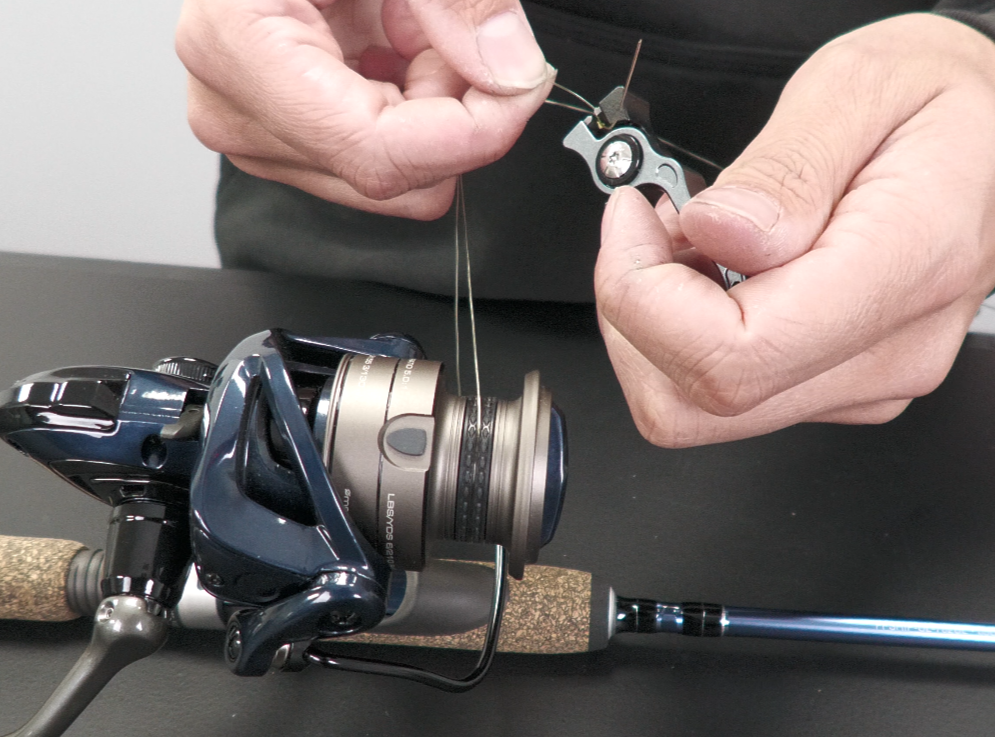
Are you ready to get the most out of your fishing reel? Knowing how to start line on your fishing reel the right way can make all the difference between a smooth cast and a tangled mess.
Whether you’re a beginner or just need a quick refresher, this simple guide will show you step-by-step how to set up your reel with confidence. Keep reading, and you’ll soon master this essential skill that will boost your fishing game every time you hit the water.

Credit: www.youtube.com
Choosing The Right Fishing Line
Starting your fishing line on the reel is easy with the right choice. Picking the proper fishing line helps catch fish and avoids problems.
There are different types and strengths of fishing lines. Knowing what fits your needs makes fishing more fun and successful.
Monofilament Vs. Braided Lines
Monofilament line is soft and stretches well. It is good for beginners and many fishing types.
Braided line has no stretch and is very strong. It lasts longer and works well in thick plants or deep water.
- Monofilament: stretchy, easy to handle, less visible in water
- Braided: strong, thin, good for heavy cover
Selecting Line Strength
Line strength, or test, tells how much weight the line can hold. Choose a strength that matches the fish you want.
Using a line too weak can break it easily. Too strong line can scare fish or reduce casting distance.
- Light line (2-6 lb): small fish and clear water
- Medium line (8-12 lb): most freshwater fish
- Heavy line (15+ lb): big fish or tough conditions
Considering Water Conditions
Water type affects line choice. Clear water needs less visible lines. Murky water allows stronger, thicker lines.
Saltwater can harm some lines. Use lines that resist salt and last longer in these conditions.
- Clear water: thin, clear lines like monofilament
- Muddy water: strong, visible lines like braided
- Saltwater: salt-resistant lines with good durability
Gathering Necessary Tools
Starting the line on a fishing reel needs the right tools. These tools help you make sure the line is secure and ready to fish.
Getting everything before you start saves time. It also makes the process easier and cleaner.
Spooler Or Line Winder
A spooler or line winder holds the fishing line and helps you wind it evenly on the reel. It stops the line from tangling or twisting.
Using this tool makes the job faster and keeps the line tight on the spool.
- Prevents line twists
- Keeps tension steady
- Speeds up winding
- Helps avoid knots
Scissors And Clippers
Scissors or line clippers cut the fishing line cleanly. A neat cut helps the line fit well on the reel.
Sharp scissors or clippers avoid frayed ends. This makes tying knots easier and stronger.
- Use sharp scissors or clippers
- Cut line ends straight
- Keep tools clean and sharp
Fishing Reel Preparation
Before adding new line, prepare your fishing reel. Remove old line and clean the spool.
Check the reel for damage or dirt. A clean reel helps the line sit properly and lasts longer.
- Remove old fishing line
- Wipe spool clean
- Check for cracks or damage
- Apply light oil if needed
Preparing The Reel
Starting the line on your fishing reel is crucial for smooth casting. Proper preparation ensures a hassle-free fishing experience.
Before adding new line, it’s important to ready your reel. This involves removing old line, cleaning the spool, and inspecting the reel.
Removing Old Line
Old line can cause tangles and break easily. Removing it is the first step in reel preparation.
Use scissors or a line cutter to trim the old line. Be sure to dispose of it properly to protect the environment.
- Cut the old line close to the spool
- Discard the line responsibly
- Check for any leftover knots
Cleaning The Spool
A clean spool ensures new line lays evenly. Dust and grime can affect performance.
Use a soft cloth to wipe the spool. If needed, use a mild soap solution for stubborn dirt.
- Wipe with a dry cloth first
- Use soap and water for tough spots
- Dry thoroughly before use
Inspecting The Reel
Inspecting the reel ensures all parts function well. Look for damage or wear.
Check the handle, bail, and drag system. Make sure everything moves smoothly.
- Turn the handle to check smoothness
- Inspect the bail for bends or cracks
- Test the drag system for consistency
Attaching The Line To The Spool
Starting your fishing line on the reel spool is an important skill. Proper attachment keeps the line secure during casting and reeling.
This guide explains how to attach your line using simple techniques. Follow these tips to avoid common problems like slipping or tangling.
Using Arbor Knots
The arbor knot is the best way to tie your line to the spool. It holds well and is easy to tie, even for beginners.
- Pass the line around the spool’s center.
- Tie a simple overhand knot with the tag end.
- Tie a second overhand knot away from the first one.
- Pull both knots tight against the spool.
- Trim the tag end close to the knot.
Securing The Line Firmly
After tying the knot, wrap the line tightly around the spool. This stops the line from slipping while fishing.
| Tip | Reason |
|---|---|
| Keep tension on the line | Prevents loose wraps |
| Fill spool evenly | Reduces tangling |
| Use clean line | Improves knot grip |
| Check knot tightness | Ensures security |
Avoiding Slips
Slips happen if the knot is loose or the line is oily. Keep your hands dry and clean before tying.
- Use fresh line without damage.
- Moisten the knot before tightening.
- Check the knot after a few casts.
- Retie if the line moves on the spool.
Winding The Line Properly
Winding the fishing line on your reel correctly helps you fish better. It stops the line from tangling or breaking.
Good line winding keeps your reel working smoothly. It also makes casting easier and more accurate.
Maintaining Tension
Keep the fishing line tight while winding it on the reel. Loose line can cause knots and tangles.
You can hold the line with your fingers to keep tension as you turn the reel handle.
- Hold the line firmly but do not pinch it hard
- Keep steady pressure as you wind
- Ask someone to help if you find it hard to keep tension
Evenly Distributing The Line
Spread the line evenly across the spool while winding. This prevents bunching on one side.
Move the line guide back and forth slowly as you wind to keep the line flat.
- Watch the line to avoid stacking in one spot
- Keep the line neat and tight on the spool
- Stop winding if the line starts to pile up
Avoiding Overfilling
Do not fill the spool to the very top with line. Overfilling causes tangles and casting problems.
Leave about 1/8 inch of space between the line and spool edge.
- Check the spool size and line capacity
- Stop winding when line is near the spool edge
- Trim excess line after winding to keep it neat

Credit: www.youtube.com
Finishing Touches
After attaching the fishing line to your reel, some final steps ensure smooth fishing. Proper finishing helps avoid line problems later.
These finishing touches include trimming, checking for twists, and testing how the line moves.
Trimming Excess Line
Cut off any extra line close to the knot to avoid tangles. Leave a small tail to keep the knot secure. Use sharp scissors or a line cutter for a clean cut.
Checking For Twists And Tangles
Twisted or tangled lines cause casting problems. Look carefully along the line for any loops or knots. Untwist the line by letting it hang free or by gently pulling it through your fingers.
- Hold the rod and let the line hang down.
- Spin the reel slowly to see if the line twists.
- If twists appear, loosen and rewind the line.
- Remove any knots or tangles you find.
Testing Line Movement
Check how smoothly the line moves on the reel. Pull the line out slowly and let it retract. This helps spot any resistance or sticking points.
| Action | What to Check |
| Pull line out | Should move smoothly without catching |
| Let line retract | Should wind evenly onto the spool |
| Reel spin | No rough sounds or jerks |
Tips For Better Casting
Starting your line on a fishing reel is key to good casting. Proper setup helps your line flow smoothly.
Good casting improves your fishing experience. It helps you reach the right spot with less effort.
Adjusting Reel Drag
The drag controls how much resistance the fish feels when pulling the line. Set it right to avoid line breaks.
Too tight drag can snap the line. Too loose drag lets fish run away with the bait.
- Start with a light drag setting
- Tighten drag as needed during the fight
- Check drag before each cast
Practicing Casting Techniques
Practice helps you control the rod and reel better. It improves your accuracy and distance.
Try different casting styles like overhead or sidearm. Find what works best for you.
- Keep a firm but relaxed grip
- Use smooth, steady motions
- Focus on timing your release
- Practice in open spaces without obstacles
Maintaining Your Line
Keep your fishing line clean and free of knots. This prevents weak spots and tangles.
Replace old line regularly. Worn line can break easily during casting or fighting fish.
- Check line for frays before each trip
- Store line away from sunlight and heat
- Use line conditioner to reduce memory and tangles

Credit: www.youtube.com
Frequently Asked Questions
How Do You Attach Fishing Line To A Reel Spool?
First, thread the line through the rod guides. Tie an arbor knot around the spool. Pull tight and trim excess line. This secures the line firmly to the reel spool.
What Is The Best Fishing Line For Beginners?
Monofilament line is ideal for beginners. It’s affordable, easy to handle, and versatile. It offers good knot strength and stretch, reducing line breakage.
How Much Fishing Line Should I Spool On My Reel?
Fill the spool to about 1/8 inch from the rim. This avoids overfilling and prevents line tangles or casting issues.
Can You Start Spooling A Reel Without A Backing Line?
Yes, but adding backing line helps fill the spool. It prevents line slipping and adds extra length for big catches.
Conclusion
Starting the line on a fishing reel is simple with the right steps. Tie the knot tightly and spool the line evenly. Check for twists and keep the tension steady. Practice makes it easier over time. This helps your fishing gear work well and lasts longer.
Now, you are ready to enjoy your fishing trips with confidence. Keep learning and improving your skills bit by bit. Fishing becomes more fun when your reel is set up right. Give it a try and see the difference yourself.