Camping in a tent can be an amazing way to connect with nature, but nothing ruins the experience faster than feeling hot and uncomfortable. If you’ve ever struggled to stay cool inside your tent during warm weather, you know how frustrating it can be.
What if you could enjoy fresh air, peaceful nights, and restful sleep without constantly battling the heat? You’ll discover simple and effective tips that will keep you cool and comfortable on your next camping trip. Ready to make your tent a cool retreat?
Let’s dive in.
Credit: www.battlbox.com
Choose The Right Tent
Picking the right tent helps you stay cool while camping. A good tent keeps air flowing and blocks heat.
Focus on materials, ventilation, and color to keep your tent comfortable in warm weather.
Opt For Lightweight Materials
Lightweight tents heat up less because they have thinner fabric. They are easier to carry too.
Choose tents made from nylon or polyester with a thin coating. These materials breathe better and weigh less.
Pick A Tent With Good Ventilation
Ventilation lets hot air escape and fresh air enter. This lowers the temperature inside the tent.
Look for tents with mesh windows, vents, and doors that open wide. These features improve airflow.
- Mesh panels keep bugs out but allow air in
- Roof vents release hot air
- Multiple doors improve cross breeze
Consider Tent Color And Reflectivity
Light-colored tents reflect sunlight and stay cooler. Dark tents absorb heat and get hot inside.
Choose tents in white, beige, or light gray for hot weather. Some tents also have reflective coatings.
- Light colors reduce heat absorption
- Reflective coatings bounce off sunlight
- Bright colors can fade faster in sun
Set Up In A Shady Spot
Camping in a tent can be fun, but staying cool is important. Choosing the right spot for your tent makes a big difference. A shady location helps keep your tent cooler.
Set up your tent where there is natural shade. It helps reduce heat inside the tent. Let’s explore some ways to find the best shady spot.
Find Natural Shade
Trees and bushes provide natural shade. Look for spots under trees with big leaves. They block the sun and keep your tent cooler.
Check the sun’s path during the day. Choose a spot where the sun will not hit your tent directly. This helps maintain a cooler temperature inside.
Use A Tarp Or Canopy
Using a tarp or canopy is a good idea. They add extra shade over your tent. A tarp keeps the sun from hitting the tent directly.
Make sure the tarp is large enough to cover the tent. Secure it well so it does not blow away. This creates a cooler space to relax and sleep.
- Choose a durable tarp
- Secure all corners with ropes
- Check the wind direction
Avoid Direct Sunlight
Direct sunlight heats up your tent quickly. Avoid setting up in open spaces with no shade. This prevents the tent from becoming too hot.
Look for spots shaded by hills or rocks. They can block the sun during the hottest parts of the day. This keeps your tent cooler and more comfortable.
- Check for shade during midday
- Use natural features for shade
- Move the tent if needed
Enhance Airflow
Keeping your tent cool starts with good airflow. Proper ventilation helps lower the temperature inside.
Use simple steps to let fresh air move freely through your tent. This keeps the inside fresh and comfortable.
Open All Vents And Doors
Open every vent and door in your tent to allow air to flow in and out. This reduces heat buildup inside.
- Unzip the main tent door fully
- Open roof vents to release hot air
- Keep window flaps open if your tent has them
- Use mesh screens to keep bugs out while airing
Create Cross Breezes
Arrange openings on opposite sides of your tent to create a flow of air. Cross breezes cool the tent faster.
| Openings | Purpose |
| Front door | Let fresh air enter |
| Back vent or window | Let warm air exit |
| Side windows | Increase airflow |
Use A Battery-powered Fan
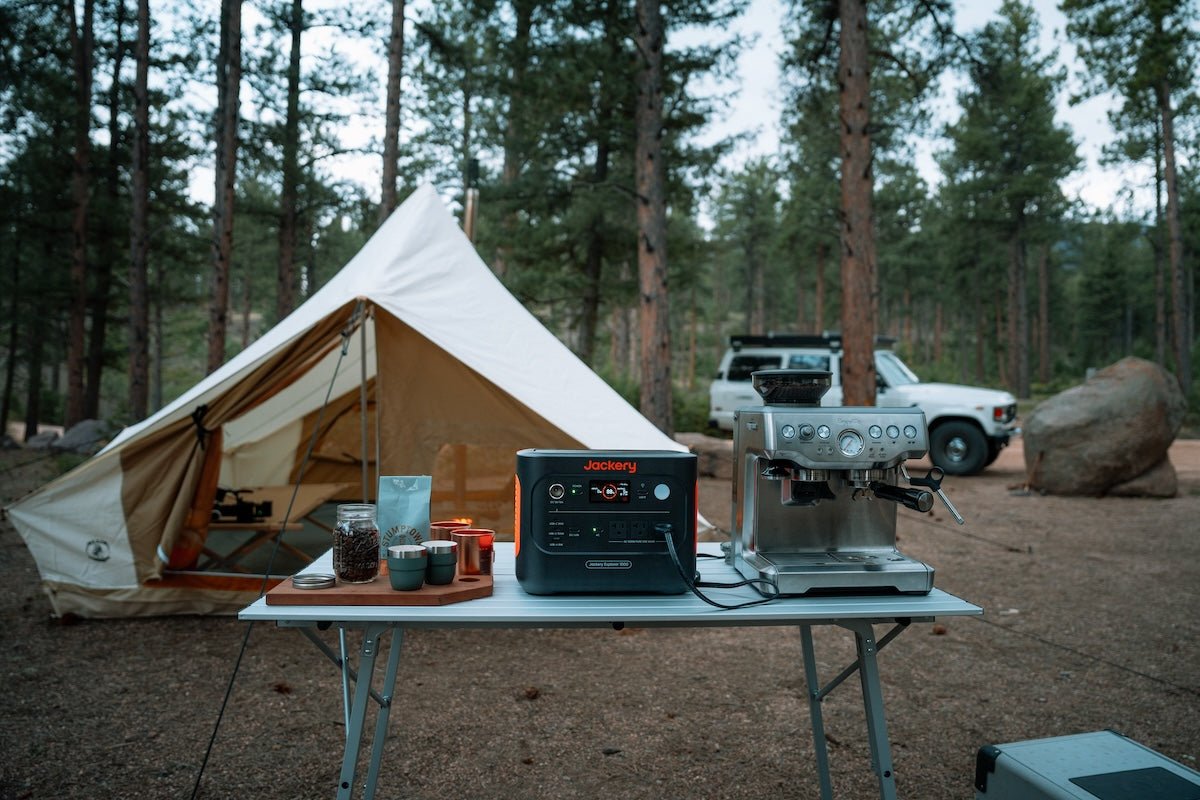
A small fan can help move air inside your tent. Battery power means no need for cords or electricity.
- Place fan near an open door or vent
- Use oscillating fans for better air spread
- Choose fans with quiet motors for better rest
- Bring extra batteries to keep it running all night
Credit: www.jackery.com
Use Cooling Gear
Camping in a tent can get hot during the day. Using the right cooling gear helps you stay comfortable. These tools keep your body temperature down and improve your camping experience.
Simple items like towels, misters, and ice packs make a big difference. Learn how to use them well to stay cool and enjoy your time outdoors.
Bring Cooling Towels
Cooling towels are easy to use and very effective. Wet the towel, wring it out, and place it on your neck or forehead. The evaporation helps lower your body temperature quickly.
- Choose towels made from breathable fabric
- Keep them damp during the hottest parts of the day
- Store towels in a shaded spot to stay cool longer
Pack A Portable Mister
A portable mister sprays a fine mist of water on your skin. It cools you down fast by helping sweat evaporate. Carry a small bottle with a spray nozzle for easy use.
| Benefit | How to Use |
| Quick cooling | Spray mist on face and arms |
| Lightweight and easy | Carry in your backpack |
| Reusable | Refill with clean water |
Use Ice Packs Wisely
Ice packs help cool your body but need smart use. Placing them directly on skin can cause discomfort. Wrap ice packs in a cloth before use.
- Put ice packs on pulse points like wrists and neck
- Use them inside the tent to reduce heat
- Replace ice when melted to keep cooling effect
- Store ice packs in a cooler to last longer
Manage Your Sleeping Setup
Camping in a tent can get hot, especially at night. Managing your sleeping setup helps you stay cool and sleep well.
Small changes in your gear and arrangement make a big difference in comfort and temperature control.
Choose Breathable Sleeping Bags
Pick sleeping bags made from breathable materials like cotton or lightweight nylon. These fabrics let air flow and reduce sweat.
Look for sleeping bags with ventilation options like zippers that open halfway to increase airflow.
Use Sleeping Pads For Insulation
Sleeping pads stop heat loss to the ground. They also add comfort and help keep your body temperature stable.
| Type of Sleeping Pad | Insulation Level | Comfort |
| Foam Pad | Moderate | Firm |
| Air Pad | Low | Soft |
| Self-Inflating Pad | High | Soft to Medium |
Elevate Your Sleeping Area
Raising your sleeping area helps air circulate below you. This keeps you cooler than sleeping directly on the ground.
- Use a cot or camping hammock if possible.
- If no cot is available, place a thick sleeping pad on the ground.
- Keep your tent floor clean and dry for better insulation.
Credit: www.t3.com
Wear Appropriate Clothing
Wearing the right clothes helps you stay cool while camping in a tent. Proper clothing protects your skin and allows air to flow.
Choosing the best fabric and style can make your camping experience more comfortable in hot weather.
Select Lightweight Fabrics
Lightweight fabrics let your skin breathe and keep heat away. Materials like cotton, linen, and moisture-wicking blends work well.
- Cotton: soft and breathable
- Linen: cool and dries fast
- Moisture-wicking polyester: draws sweat away
- Avoid heavy or synthetic fabrics that trap heat
Wear Loose-fitting Clothes
Loose clothes allow air to circulate around your body. Tight clothes trap heat and sweat, making you feel hotter.
| Clothing Type | Benefits |
|---|---|
| Loose T-shirts | Air flows freely, keeps skin cool |
| Baggy Shorts or Pants | Prevents sweat buildup and chafing |
| Flowy Dresses or Skirts | Allows ventilation and comfort |
Use Hats And Sunglasses
Hats protect your face and neck from the sun. Sunglasses shield your eyes from glare and UV rays.
- Pick wide-brim hats for more shade
- Wear sunglasses with UV protection
- Choose light-colored hats to reflect sunlight
Stay Hydrated
Camping in a tent can get very hot. Staying hydrated keeps your body cool and healthy. Drinking the right fluids is key to avoid heat problems.
Focus on drinking fluids that help replace what you lose through sweat. Avoid drinks that make dehydration worse.
Drink Plenty Of Water
Water is the best way to stay hydrated when camping. Drink water often, even if you do not feel thirsty. Carry a big water bottle to refill throughout the day.
Avoid Caffeine And Alcohol
Caffeine and alcohol cause your body to lose water. These drinks can make you feel thirsty but actually dry you out. Try to limit or skip these drinks while camping.
- Coffee and tea have caffeine.
- Beer, wine, and liquor are alcoholic.
- Both types increase urine output.
- More urination means more water loss.
- This raises the risk of dehydration.
Carry Electrolyte Drinks
Electrolyte drinks replace minerals lost in sweat. These minerals help keep your body balanced and working well. Bring some packets or bottles of electrolyte drinks on your trip.
| Electrolyte | Function | Examples |
| Sodium | Maintains fluid balance | Salt, sports drinks |
| Potassium | Supports muscle function | Bananas, electrolyte drinks |
| Magnesium | Helps nerve function | Nuts, electrolyte tablets |
Plan Your Activities Wisely
Staying cool while camping in a tent is easier if you plan your day well. The sun gets very hot at certain times. You can avoid heat by choosing the right times to be active.
Planning activities around cooler parts of the day helps keep your body temperature down. It also makes your camping experience more comfortable and fun.
Avoid Midday Heat
The sun is hottest between late morning and early afternoon. Avoid hiking or doing tough activities during this time. The heat can make you very tired and thirsty.
Stay in the shade or inside your tent when the sun is at its peak. This helps you stay cool and safe from heat exhaustion.
Engage In Early Morning Or Evening Activities
The coolest parts of the day are early morning and late evening. Use these times to explore or do fun activities. The air is fresh and less hot then.
Try hiking, fishing, or setting up camp during these hours. This way, you avoid the strong sun and enjoy a pleasant temperature.
Rest During Peak Sun Hours
Take breaks when the sun is strongest. Rest inside your tent or under a tree. This helps your body cool down and saves energy.
Use this time to drink water and eat light meals. Staying hydrated keeps your body cool and healthy while camping.
Frequently Asked Questions
How Can I Keep My Tent Cool During Hot Weather?
Use a reflective tarp over the tent to block sunlight. Ventilate by opening windows and doors. Choose a shaded camping spot to reduce heat inside the tent.
What Type Of Tent Is Best For Staying Cool?
Light-colored tents reflect sunlight and keep heat away. Mesh tents allow better airflow. Look for tents with multiple vents to improve ventilation.
Are Cooling Accessories Useful For Tent Camping?
Yes, portable fans and cooling towels help reduce body heat. Ice packs placed near vents can lower inside temperature. These accessories enhance comfort during hot camping days.
How Does Tent Placement Affect Temperature Inside?
Place your tent in shaded areas under trees or hills. Avoid direct sunlight to prevent heat buildup. Position the tent entrance to catch prevailing breezes for better airflow.
Conclusion
Staying cool while camping makes your trip more fun. Use shade and good airflow to keep the tent fresh. Drink plenty of water to stay hydrated and avoid heat. Choose lightweight clothes that breathe well. Set up your tent in a spot with natural shade.
Small changes can make a big difference. Enjoy your outdoor adventure without feeling too hot. Camping stays comfortable with simple, smart steps. Stay cool, stay happy, and enjoy nature fully.