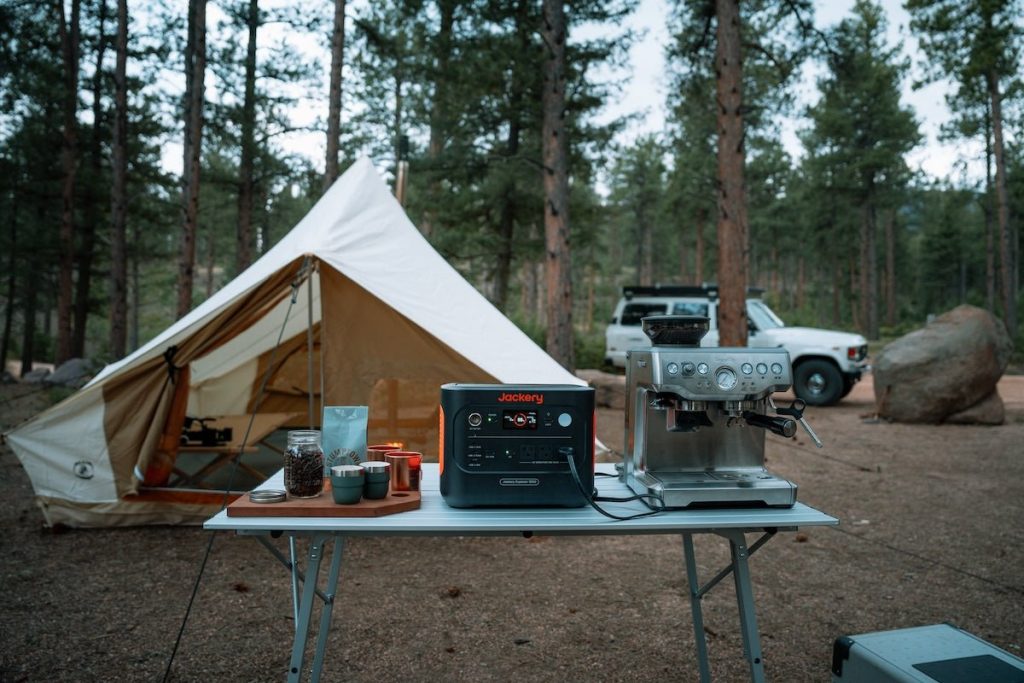
Camping in a tent can be one of the best ways to enjoy nature. But when the temperature rises, staying cool inside your tent can feel like a challenge.
You want to relax, not sweat through the night or toss and turn because it’s too hot. What if you could keep your tent fresh and comfortable, even on the hottest days? You’ll discover simple, effective tips to beat the heat and make your camping experience much more enjoyable.
Keep reading to learn how to stay cool tent camping and make the most of your outdoor adventure.
Choosing The Right Tent
Picking the right tent helps you stay cool while camping in hot weather. A tent made with the right materials and design keeps air flowing and heat out.
This guide covers key features to look for when choosing a tent for warm conditions.
Lightweight And Breathable Materials
Look for tents made from lightweight fabrics. These let air pass through easily. Nylon and polyester are common choices. They dry fast and reduce heat buildup.
Thin but strong materials work best. Avoid heavy canvas tents because they trap heat inside.
Ventilation Features To Look For
Good airflow lowers the temperature inside your tent. Choose tents with these ventilation features:
- Mesh windows that let air in and keep bugs out
- Roof vents to release hot air
- Doors with mesh panels
- Rainfly designs that allow air to circulate
Tent Color And Heat Absorption
| Color | Heat Absorption | Cooling Effect |
|---|---|---|
| White | Low | Reflects sunlight well |
| Light colors (gray, beige) | Medium | Reflects some heat |
| Dark colors (black, navy) | High | Absorbs heat quickly |
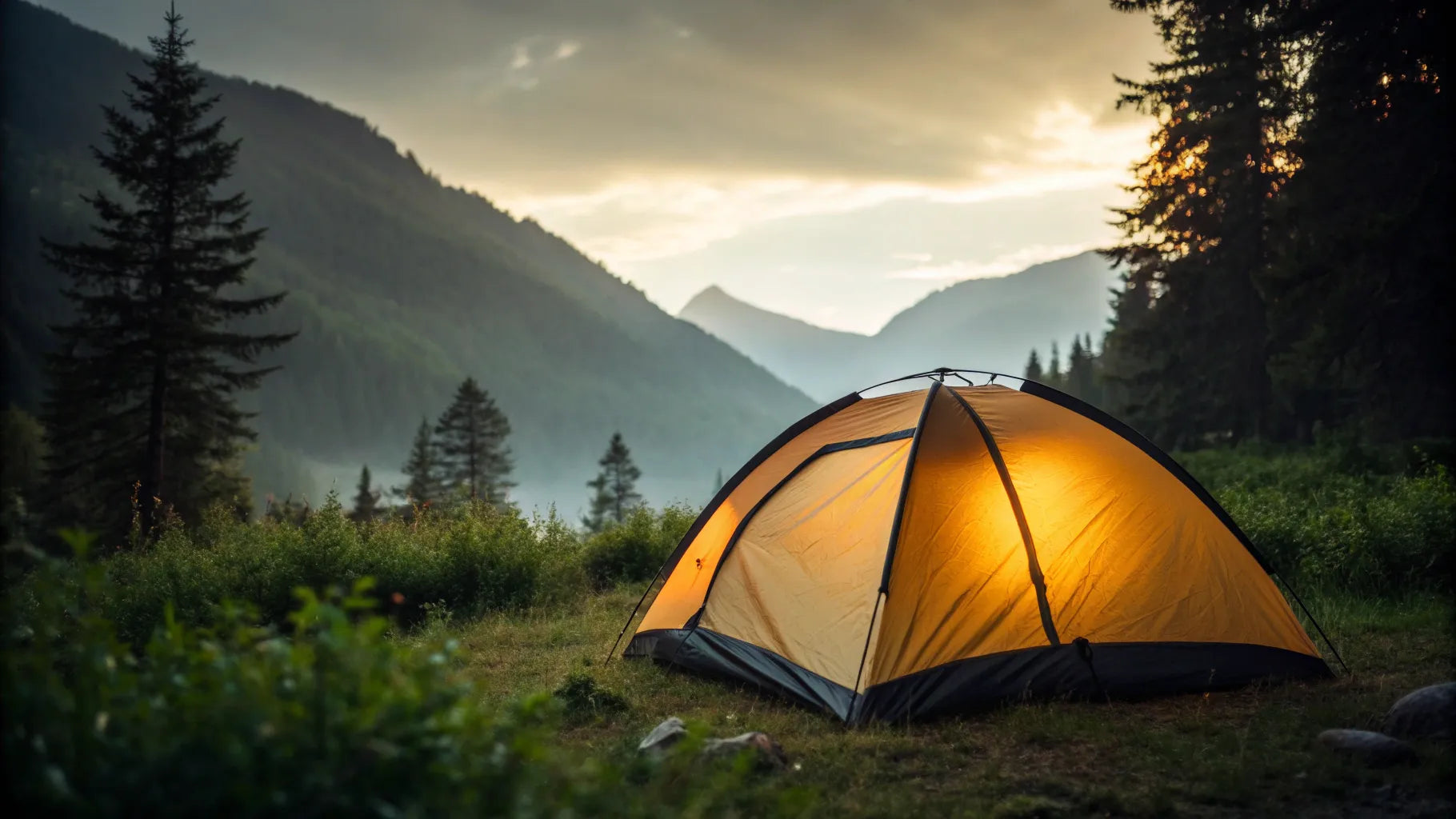
Choose light-colored tents to reflect heat and keep the inside cooler. Dark tents get hotter under the sun.
Credit: www.battlbox.com
Optimal Campsite Selection
Choosing the right campsite helps you stay cool while tent camping. The location can reduce heat and make your trip more comfortable.
Look for spots that offer shade, fresh air, and avoid heat buildup. This guide covers key tips for picking a cool site.
Finding Natural Shade
Natural shade protects you from the sun’s heat. Trees, large bushes, and rock formations can block direct sunlight.
Choose a spot under tall trees or near shaded areas to keep your tent cooler during the day.
- Look for dense tree canopies
- Check shade patterns at different times
- Avoid open fields with no cover
- Use natural shade to reduce tent heat
Setting Up Near Water Sources
Water sources like lakes, rivers, or streams help cool the air around your tent. The breeze near water feels cooler.
Set your tent close to water but not too near to avoid dampness and bugs. A moderate distance works best.
- Find spots near but not right at the water’s edge
- Enjoy cooler air from water evaporation
- Keep tent dry by avoiding flood zones
- Use water sources to help regulate temperature
Avoiding Heat-trapping Areas
Avoid places that trap heat, such as rocky or paved areas. These surfaces absorb and hold heat all day.
Stay away from low spots where heat and humidity can build up. Look for open spaces with good airflow.
- Avoid asphalt, concrete, or large rocks
- Pick higher ground for better breeze
- Steer clear of valleys with stagnant air
- Choose open areas to let heat escape
Effective Tent Setup
Staying cool while tent camping depends on how you set up your tent. A good setup helps air flow and shade.
These tips will guide you on arranging your tent to keep it cool and comfortable.
Maximizing Airflow With Tent Positioning
Place your tent where wind can pass through easily. Avoid spots surrounded by tall trees or walls.
Face the tent door toward the breeze. This helps fresh air enter and hot air exit.
- Pick a flat spot with open space around
- Set the door facing the direction of the wind
- Keep tent windows open if possible
- Avoid low areas where hot air settles
Using Tarps And Canopies For Shade
Shade protects your tent from direct sunlight. Use tarps or canopies above the tent for extra cover.
Make sure the tarp is high enough for air to flow underneath. This stops heat from building up.
- Choose a light-colored tarp to reflect sunlight
- Set the tarp at least 2 feet above the tent
- Leave gaps on the sides for air movement
- Secure the tarp tightly to avoid flapping
Elevating The Tent Floor
Raising your tent floor keeps it off hot or damp ground. This helps cool air flow underneath.
You can use a camping mat or small platform to lift the tent floor slightly.
- Use lightweight camping mats under the tent
- Build a simple wooden platform if allowed
- Keep the floor dry to avoid heat from dampness
- Elevate the tent slightly on a slope for airflow
Credit: www.t3.com
Cooling Strategies Inside The Tent
Camping in warm weather can make tents feel hot and stuffy. Staying cool inside your tent helps you rest better and enjoy your trip.
Use simple ways to keep the air moving and your body comfortable. These tips will help you cool down inside your tent.
Using Battery-powered Fans
Battery-powered fans can move air inside your tent. They help lower the temperature and reduce humidity.
Place the fan near the tent door or window for better airflow. Keep extra batteries handy to run the fan all night.
- Choose fans with quiet motors for better sleep
- Use fans that can clip onto tent poles or stakes
- Position fans to blow air out or pull fresh air in
Moisture-wicking Bedding Choices
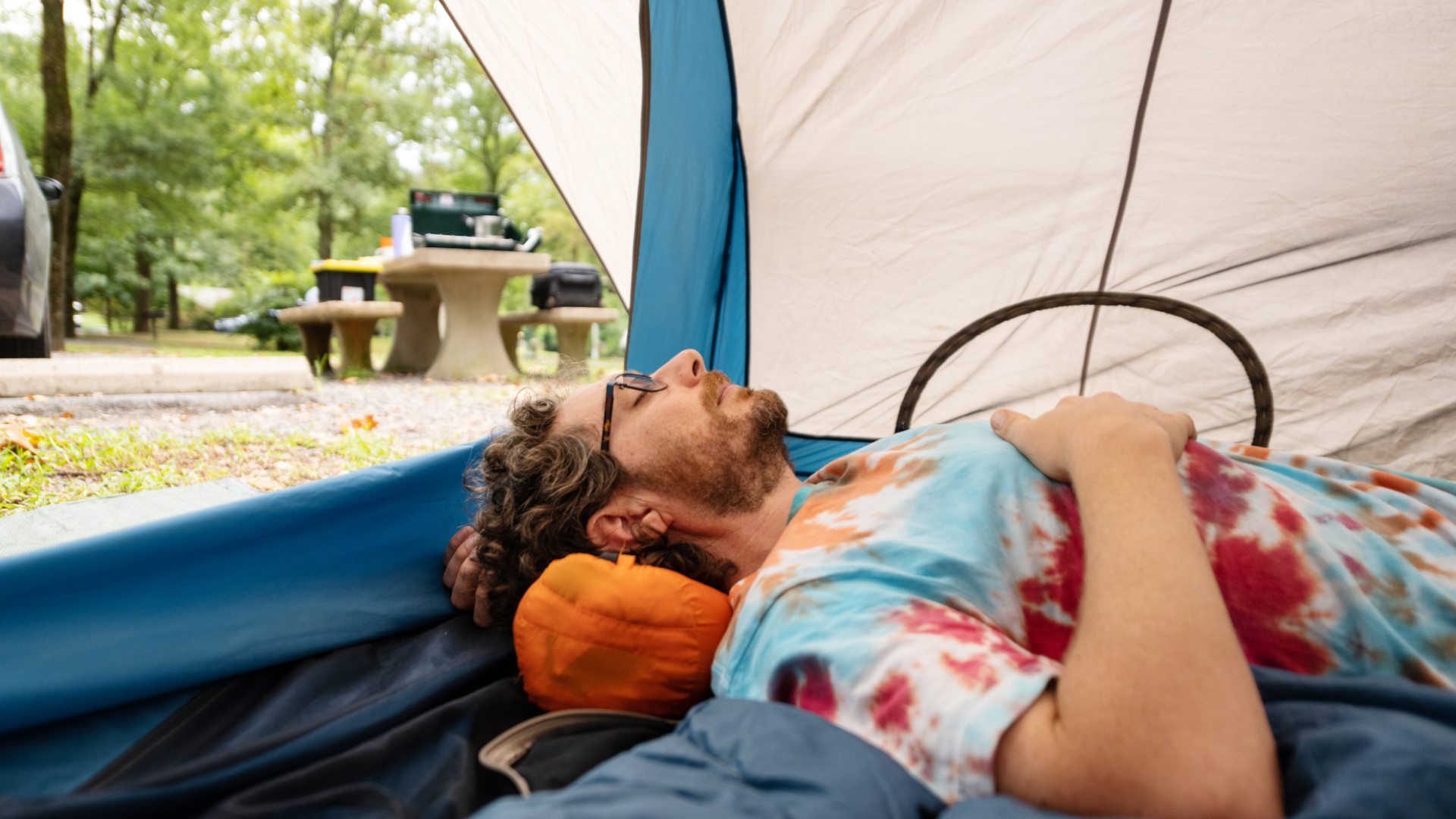
Use bedding made from moisture-wicking fabrics like polyester or nylon. These materials pull sweat away from your skin.
Choose lightweight sleeping bags or liners that dry quickly. Avoid cotton sheets because they hold moisture and feel heavy.
- Look for bedding labeled “moisture-wicking” or “quick-dry”
- Use a thin sleeping bag or quilt in hot weather
- Bring a sleeping pad that allows airflow underneath
Keeping Hydrated And Cool
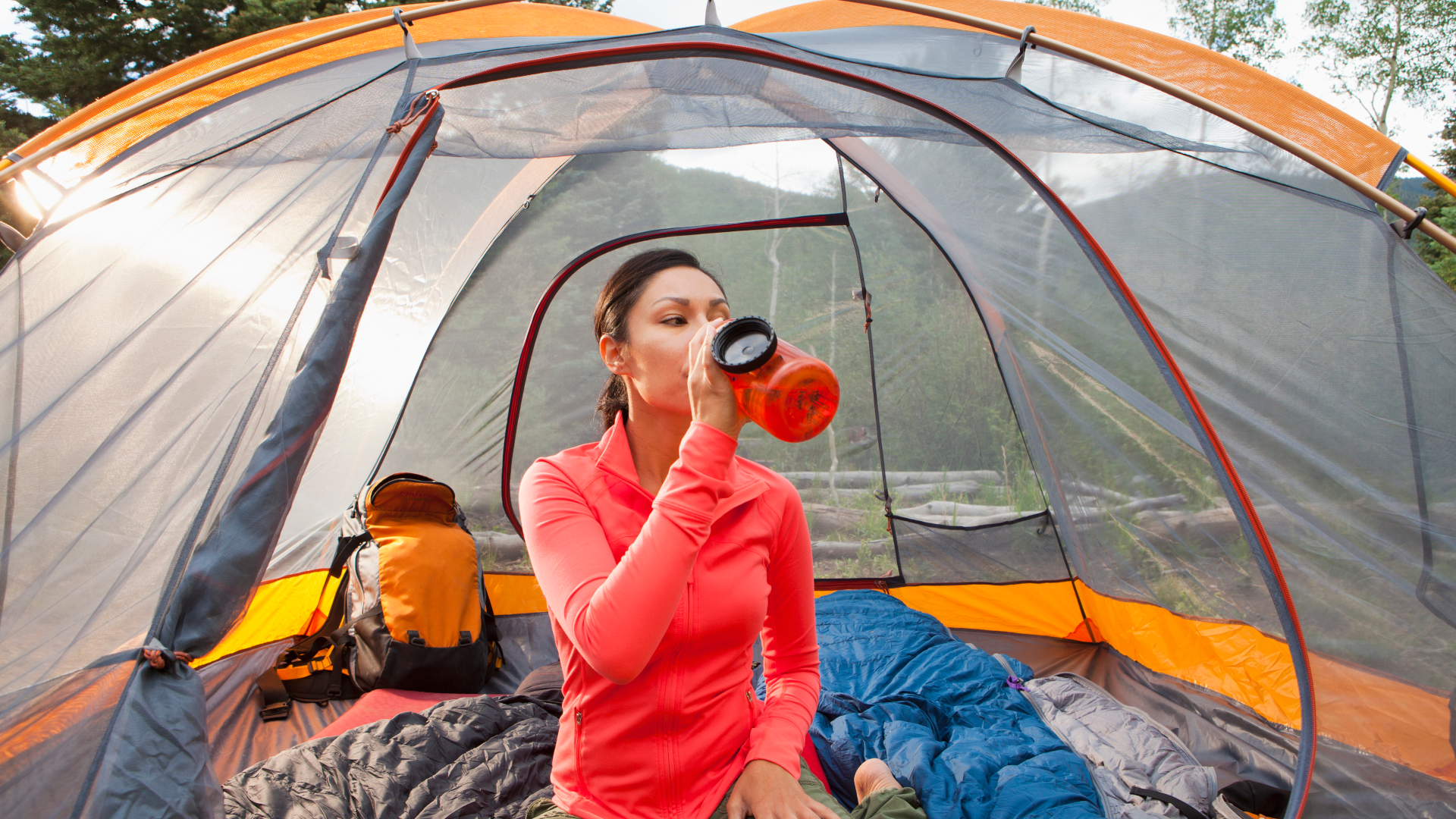
Drink plenty of water to stay cool inside the tent. Dehydration makes you feel hotter and tired.
Use a water bottle or hydration pack near your bed. Sip water often, even if you do not feel thirsty.
- Carry enough water for your whole trip
- Eat light meals with high water content like fruits
- Avoid caffeine and alcohol as they dehydrate you
Clothing And Gear Tips
Staying cool while tent camping is important for comfort. The right clothing and gear help keep your body temperature down.
Choosing the best fabrics and accessories can protect you from heat and sun. Use light items that allow air to flow.
Breathable And Light Fabrics
Wear clothes made of breathable fabrics like cotton or linen. These materials let air pass through and absorb sweat.
Avoid thick or synthetic fabrics that trap heat. Loose-fitting clothes help air circulate better around your skin.
- Choose cotton, linen, or moisture-wicking fabrics
- Wear loose and light-colored clothing
- Avoid heavy or dark-colored fabrics
Sun Protection Accessories
Use hats with wide brims to shade your face and neck. Sunglasses protect your eyes from harmful UV rays.
Lightweight scarves or neck gaiters can protect your skin from sunburn. These accessories block direct sunlight and reduce heat.
- Wear a wide-brim hat for shade
- Use UV-blocking sunglasses
- Carry scarves or neck gaiters for extra skin cover
Cooling Towels And Bandanas
Cooling towels stay wet and provide a cold feeling on your skin. They help lower your body temperature during hot days.
Bandanas can be soaked in water and worn around your neck or head. They are simple tools to keep you cool while camping.
- Use cooling towels to stay refreshed
- Wet bandanas and wear them on your neck or head
- Keep these items in your camping bag for easy access
Credit: www.inkl.com
Daytime Activities And Heat Management
Camping in hot weather needs careful planning. You want to enjoy your day without overheating.
Managing heat and choosing the right activities keep you safe and comfortable.
Scheduling Outdoor Time Wisely
Plan your outdoor activities for cooler parts of the day. Early mornings and late afternoons have less heat.
- Start hikes or walks right after sunrise.
- Rest in shaded areas during midday.
- Do light activities like reading or games late afternoon.
- Avoid heavy physical work in the hottest hours.
Seeking Shade During Peak Heat
Shade helps lower your body temperature. Find natural or man-made cover during the hottest hours.
| Type of Shade | Description | Tips |
|---|---|---|
| Natural Trees | Leaves block sunlight and cool the air. | Choose dense, leafy trees and bring a blanket or chair. |
| Camping Canopy | Portable shelter you can set up anywhere. | Use reflective tarp to reduce heat underneath. |
| Tent Vestibule | Use the shaded area at your tent’s entrance. | Keep it clear and ventilated for airflow. |
Staying Hydrated Throughout The Day
Drink water often to replace fluids lost by sweating. Dehydration makes heat harder to handle.
- Carry a water bottle with you at all times.
- Take small sips every 15 to 20 minutes.
- Avoid sugary drinks and alcohol as they dehydrate you.
- Eat water-rich fruits like watermelon or oranges.
Nighttime Cooling Techniques
Camping in a tent during warm nights can be uncomfortable. Using simple techniques helps you stay cool and sleep better. These tips focus on airflow, cooling tools, and how you position yourself inside the tent.
Try these easy methods to reduce heat and enjoy a more restful night under the stars.
Opening Tent Flaps For Airflow
Opening tent flaps improves air circulation and lowers the temperature inside. Fresh air moves through the tent, pushing warm air out. This simple action can make a big difference on hot nights.
- Open front and back tent flaps fully.
- Use mesh screens to keep bugs out while allowing air in.
- Position the tent to catch the night breeze.
- Keep the rainfly loose or partially off if no rain is expected.
Using Cooling Gel Packs
Cooling gel packs can lower your body temperature quickly. They are easy to prepare and use during the night. Place them near your pulse points to feel the chill.
| Cooling Gel Pack Use | Placement | Duration |
| Wrap in cloth | Neck or wrists | 30-60 minutes |
| Place under pillowcase | Head area | Until warm |
| Keep in cooler before use | Back of knees | 20-40 minutes |
Sleeping Position And Vent Placement
Your sleeping position affects how cool you feel. Also, placing vents correctly helps air flow where you sleep. Adjust these for better comfort during warm nights.
Try these tips for sleeping and vent placement:
- Sleep with your head near an open vent for cooler air.
- Lie on your back to expose more skin to the air.
- Elevate your feet slightly to improve circulation.
- Use a lightweight sleeping bag or sheet to avoid heat trapping.
Frequently Asked Questions
How Can I Keep My Tent Cool In Hot Weather?
Use a tent with good ventilation, including mesh windows and vents. Set up in shaded areas. Use reflective tarps to block sunlight. Avoid dark-colored tents, as they absorb heat more.
What Are The Best Fabrics For Cool Tent Camping?
Choose tents made with breathable fabrics like nylon or polyester with UV protection. Look for tents with mesh panels for airflow. Avoid plastic or vinyl, which trap heat and moisture inside.
Does Tent Color Affect Temperature Inside?
Yes, tent color impacts heat absorption. Light colors reflect sunlight, keeping the tent cooler. Dark colors absorb heat, raising the interior temperature. Choose light-colored tents for hot weather camping.
How Does Tent Placement Affect Cooling?
Place your tent in shaded spots under trees or natural cover. Avoid direct sunlight exposure. Set up near water sources for cooler air. Position tent to catch prevailing breezes for better airflow.
Conclusion
Staying cool while tent camping is essential for comfort. Choose shaded spots for your tent. Use breathable clothing and light-colored materials. Keep hydrated by drinking plenty of water. A portable fan can help with airflow. Plan activities during cooler parts of the day.
Rest during peak heat. Enjoy the natural surroundings and stay prepared. Simple steps make a big difference. Camping can be fun and refreshing with these tips. Embrace the adventure, stay cool, and create lasting memories. Happy camping!