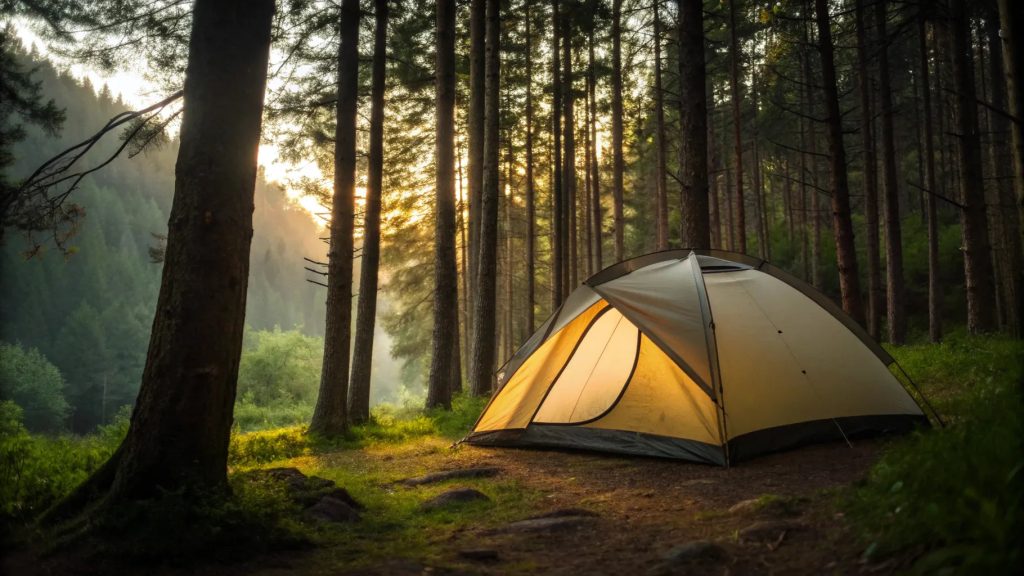
Camping in a tent can be a wonderful escape, but when the heat kicks in, it can quickly turn uncomfortable. You want to enjoy the fresh air and nature, not sweat through your clothes and toss all night.
Imagine waking up refreshed, feeling cool and comfortable no matter how hot it gets outside. That’s exactly what this guide will help you do. Keep reading to discover simple, practical tips that will keep your tent cool and make your camping experience much more enjoyable.
Your next trip just got a whole lot cooler.
Choosing The Right Tent
Picking the right tent helps you stay cool while camping. A tent with good airflow keeps you comfortable on hot days.
Look for tents made with breathable materials and smart designs. These features reduce heat inside your tent.
Lightweight And Breathable Fabrics
Tent fabrics affect how hot it gets inside. Lightweight fabrics let air pass through better than heavy ones.
Breathable materials like nylon or polyester with mesh panels help keep air moving. Avoid thick or dark fabrics that trap heat.
Ventilation Features To Look For
Good ventilation stops hot air from building up inside your tent. Look for tents with multiple windows and vents.
Mesh doors and roof vents allow air to flow freely. Some tents have adjustable vents to control airflow based on weather.
- Multiple mesh windows for cross ventilation
- Roof vents to let hot air escape
- Mesh doors to increase airflow
- Adjustable vent openings for airflow control
Tent Placement Tips
Where you put your tent affects how cool it stays. Avoid direct sunlight during the hottest parts of the day.
Set up your tent under trees or near natural shade. Position the tent entrance to catch any breeze that blows through your campsite.
- Choose shaded spots away from direct sun
- Place tent entrance facing the wind
- Avoid low spots that trap hot air
- Use natural features like trees for extra shade
Smart Tent Setup
Camping in a tent can get hot, especially in the summer. Setting up your tent smartly helps you stay cool. Small changes in how you set up can make a big difference.
This guide shares simple ways to keep your tent cooler by choosing the right spot and using helpful tools.
Positioning For Shade
Find a spot that has natural shade to keep your tent cool. Trees, large rocks, or hillsides can block the sun. Set up your tent so it faces away from direct sunlight.
- Look for shade during the hottest parts of the day.
- Place your tent under tree branches but watch for falling sticks.
- Avoid open spaces that get full sun all day.
- Use nearby hills or cliffs as sun blockers if no trees are around.
Creating Cross Breezes
Air flow cools your tent by moving hot air out and fresh air in. Position your tent where wind can pass through easily. Open tent doors and windows on opposite sides to let air flow inside.
| Tips for Cross Breezes | Why It Helps |
|---|---|
| Set tent near open spaces | Allows wind to reach both sides |
| Open windows on opposite walls | Creates airflow through tent |
| Avoid blocking wind with gear | Stops airflow and traps heat |
| Use a mesh tent body | Improves ventilation while keeping bugs out |
Using Reflective Covers
Reflective covers can block sunlight and reduce heat inside your tent. They reflect light away before it warms the tent fabric. You can buy a reflective tarp or use a special tent rainfly.
How to use reflective covers:
- Place the reflective cover over your tent roof.
- Secure the cover tight to stop it from blowing away.
- Make sure it does not block tent vents.
- Use a light-colored tarp if you do not have a reflective one.
Cooling Strategies Inside The Tent
Camping in hot weather can make your tent feel stuffy and uncomfortable. Keeping cool inside the tent helps you rest better and enjoy your trip. Simple tools and tricks can lower the temperature and improve airflow.
Using the right gear and methods makes a big difference. Below are practical ways to keep your tent cool and comfortable during warm nights.
Portable Fans And Cooling Devices
Battery-powered fans are great for moving air inside the tent. They help reduce heat and sweat by improving ventilation. Small fans can fit easily in your camping bag.
There are also rechargeable fans that last for hours. Some come with clip mounts to attach to tent poles or gear loops. Using these fans near the tent entrance can pull in cooler air.
- Battery or rechargeable fans improve air flow
- Clip-on fans save space and stay secure
- Place fans near openings for better cooling
Moist Towel Techniques
Wet towels can help cool the air inside your tent. Hanging a damp towel near the fan lets the air pass through it and lowers the temperature. This simple trick uses evaporation to cool the space.
You can also keep a moist towel on your forehead or neck. It feels refreshing and helps your body cool down. Make sure to rewet the towel often for the best effect.
- Hang a damp towel near the fan for cooling
- Use moist towels on your skin for quick relief
- Keep towels wet by refilling with cool water
Sleeping Gear For Hot Weather
Choose lightweight sleeping bags or quilts made for warm weather. They use breathable materials that let air pass through. Avoid heavy or insulated sleeping bags on hot nights.
Use a thin sleeping pad that does not trap heat. Cotton or moisture-wicking sheets also help keep you cool. Sleeping low to the ground can feel cooler because hot air rises.
- Lightweight, breathable sleeping bags work best
- Thin sleeping pads prevent heat buildup
- Use cotton or moisture-wicking sheets
- Sleep close to the tent floor for cooler air

Credit: www.sunnysports.com
Clothing And Personal Cooling
Camping in a tent can get hot, especially in summer. Wearing the right clothes helps you stay cool. Personal cooling tips can make your trip more comfortable.
Choosing the right fabrics and using cooling tools keeps your body temperature down. Avoid materials that trap heat or make you sweat more.
Breathable And Light Fabrics
Wear clothes made from light, breathable fabrics to let air flow. Cotton and linen are good choices. These fabrics help sweat evaporate and cool your skin.
- Choose loose-fitting shirts and pants
- Opt for light colors to reflect sunlight
- Use moisture-wicking fabrics if you sweat a lot
- Avoid heavy or thick materials like wool
Hydration And Cooling Accessories
Staying hydrated is key to keeping cool. Drink plenty of water throughout the day. Use cooling accessories to help lower your body heat.
| Accessory | Use |
| Cooling towels | Wet and place on neck or wrists |
| Portable fans | Use inside tent for air circulation |
| Water bottles | Carry to sip water often |
| Wide-brimmed hats | Shade face and neck |
Avoiding Heat-absorbing Materials
Some materials trap heat and make you feel hotter. Avoid dark colors and synthetic fabrics that hold heat. Your tent and clothes should reflect heat, not absorb it.
Tips to avoid heat absorption:
- Pick tents with light-colored fabric
- Wear light-colored clothing
- Do not wear plastic or rubber accessories that trap heat
- Keep your tent door open for airflow
Heat-reducing Camping Practices
Camping in a tent during hot weather can be tough. Using smart ways to stay cool helps you enjoy your trip more. Simple heat-reducing practices can lower the temperature inside your tent and around your camp.
These tips focus on planning your activities, creating shade, and using natural cooling sources. Follow them to keep your camping experience comfortable and safe.
Timing Activities To Avoid Peak Heat
Try to do your outdoor activities early in the morning or late in the afternoon. The sun is less strong at these times. Avoid hiking or setting up camp during midday when the heat is highest.
- Wake up early for hikes or exploration
- Rest in shaded areas around noon
- Do camp chores like cooking before or after peak heat
- Stay hydrated throughout the day
- Use breaks to cool down inside the tent or near water
Creating Shade Around Camp
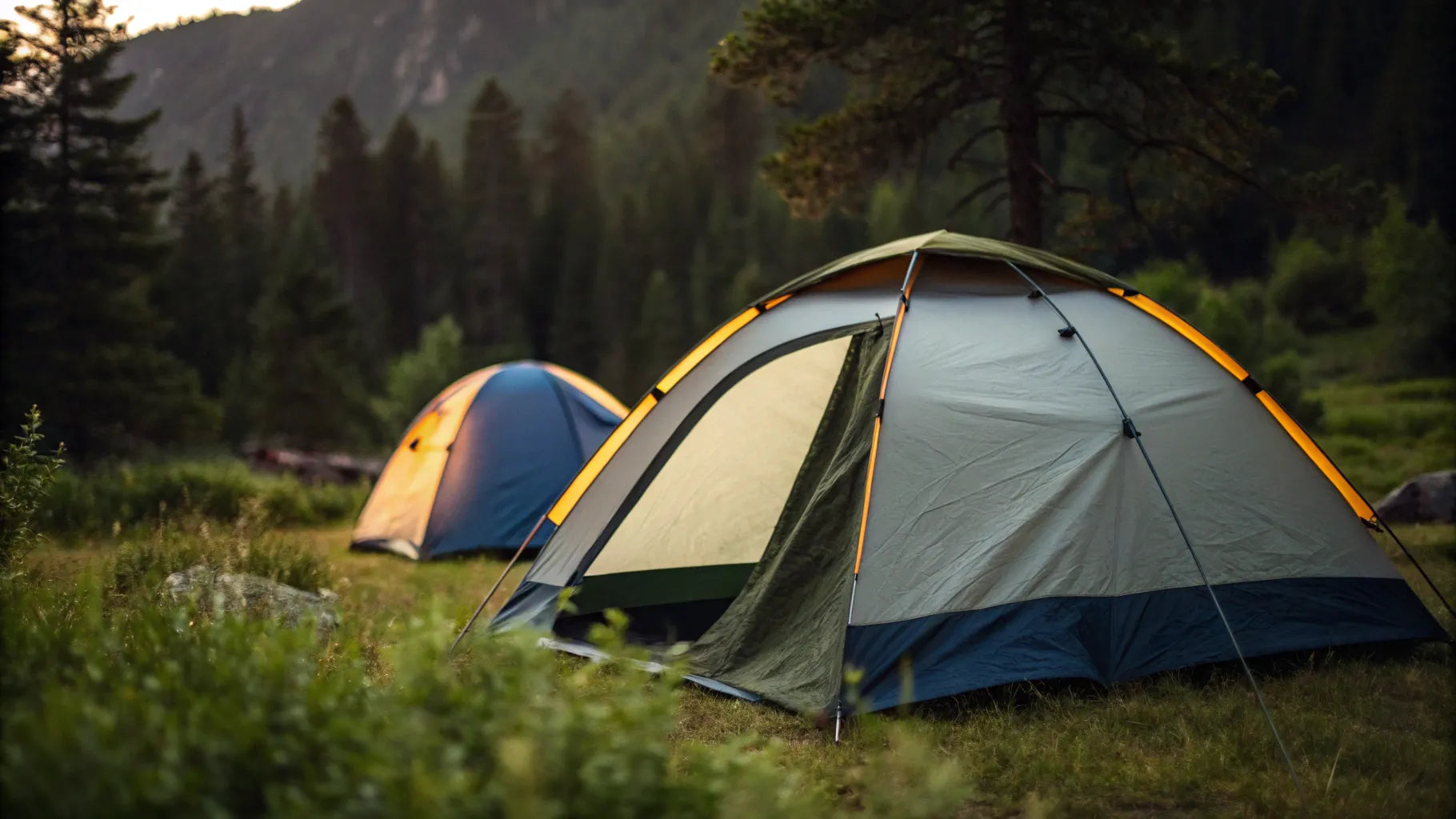
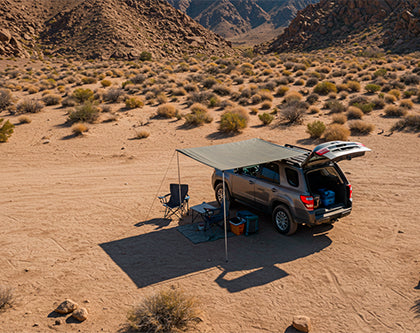
Shade reduces direct sunlight and lowers temperatures. Set up your tent under trees or use a tarp to block the sun. Make sure the shade covers the largest area possible.
| Shade Method | Benefits |
|---|---|
| Natural Tree Cover | Provides cool shade and fresh air |
| Tarp or Canopy | Flexible setup, blocks sun from any angle |
| Tent Rainfly | Blocks sun on the tent’s surface, reduces heat inside |
Using Natural Cooling Sources
Using nearby water or wind can cool your tent area naturally. Position your tent near a stream or lake if possible. Set up so that breeze flows through your camp to move hot air away.
- Camp near fresh water for cooler air and easy hydration
- Open tent windows or vents to catch the wind
- Use damp cloths or spray water on skin to cool down
- Choose higher ground at night for cooler temperatures
Credit: www.battlbox.com
Emergency Heat Relief Tips
Camping in a tent can get very hot, especially in summer. Knowing how to stay cool helps you avoid heat-related problems.
This guide covers how to spot heat exhaustion, cool down fast, and when to get medical help.
Recognizing Heat Exhaustion
Heat exhaustion happens when your body loses too much water and salt from sweating. It can make you feel weak and dizzy.
Common signs include headache, nausea, heavy sweating, and feeling tired or faint.
- Cool, moist skin
- Weakness or tiredness
- Dizziness or fainting
- Headache or nausea
- Rapid heartbeat
Quick Cooling Methods
Cool down fast to stop heat exhaustion from getting worse. Move to a shaded or air-conditioned place.
Use water and air to lower your body temperature quickly.
- Drink plenty of water or electrolyte drinks
- Spray or sponge your skin with cool water
- Use a fan or create airflow inside the tent
- Wear light, loose clothing
- Rest and avoid physical activity
When To Seek Medical Help
Heat exhaustion can turn into heat stroke, which is dangerous. Call for medical help if symptoms worsen or do not improve.
Seek help if you or someone else shows confusion, loss of consciousness, or stops sweating despite the heat.
- High body temperature above 103°F (39.4°C)
- Confusion or strange behavior
- Fainting or loss of consciousness
- No sweating despite heat
- Severe headache or vomiting
Credit: lunolife.com
Frequently Asked Questions
How Can I Keep My Tent Cool During Hot Weather?
Use a tent with good ventilation and mesh windows. Set up in shaded areas. Use a reflective tarp above your tent to block direct sunlight.
What Are The Best Fabrics For A Cool Camping Tent?
Light-colored, breathable fabrics like nylon or polyester help reflect heat. Avoid dark colors that absorb sunlight and increase inside temperature.
Is Using A Portable Fan Effective Inside A Tent?
Yes, battery-operated or rechargeable fans improve airflow and reduce heat inside your tent. They provide comfort during warm nights.
How Does Tent Placement Affect Temperature Control?
Setting your tent under trees or natural shade reduces direct sun exposure. Avoid open, sun-exposed spots to keep your tent cooler.
Conclusion
Staying cool while camping requires simple, smart strategies. Choose a shaded spot for your tent. Open vents and windows for better air flow. Use light-colored tents to reflect sunlight. Wear breathable clothing and stay hydrated. Enjoy refreshing dips in nearby lakes or rivers.
Bring a battery-powered fan for extra comfort. Plan activities during cooler mornings and evenings. These tips help you enjoy camping in comfort. Embrace nature’s beauty without feeling overheated. Happy camping!