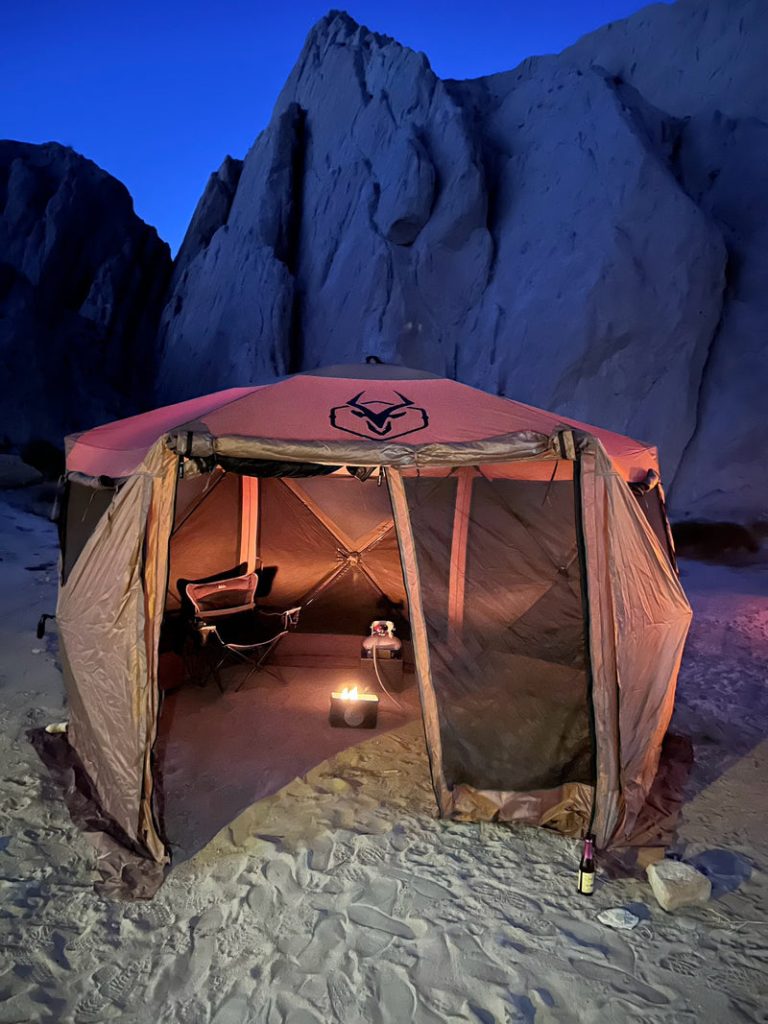
Camping in a tent can be an amazing experience, but nothing ruins it faster than feeling cold all night. You want to enjoy the fresh air and peaceful surroundings, not shiver under your sleeping bag.
So, how do you stay warm when the temperature drops? This guide will show you simple, effective tips to keep your body heat locked in and the cold out. By the end, you’ll know exactly what to do to stay cozy and comfortable, making your camping trip something you’ll look forward to every time.
Keep reading—your warm, restful night awaits.
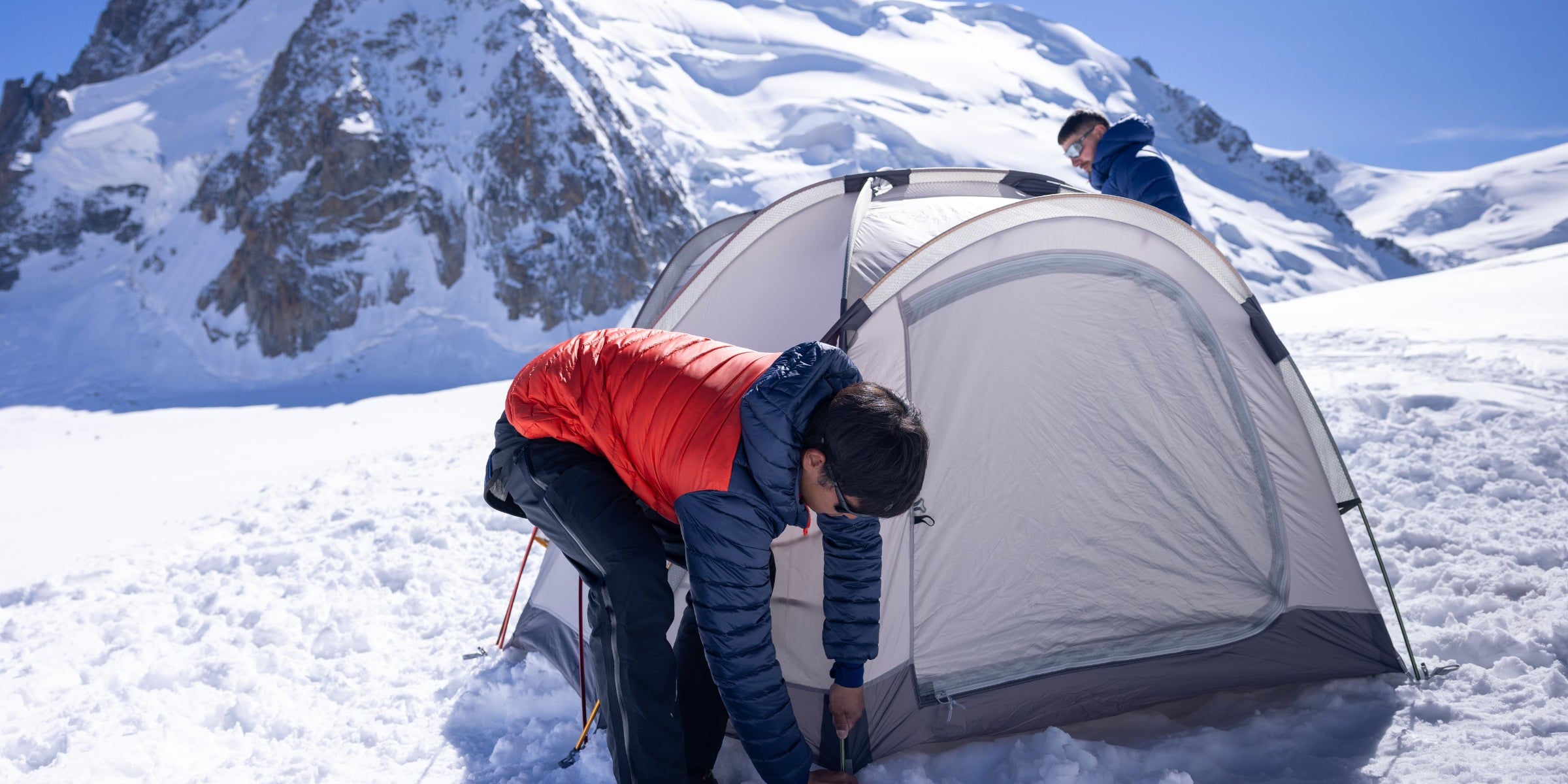
Credit: alpkit.com
Choosing The Right Tent
Staying warm while camping starts with selecting the right tent. A well-chosen tent keeps you cozy and sheltered from the elements.
There are key factors to consider when picking a tent for cold weather camping. Let’s explore them to ensure a warm and comfortable experience.
Selecting A Four-season Tent
A four-season tent is designed to withstand harsh weather conditions. It provides better insulation and protection against snow and wind.
- Check for sturdy poles and durable materials.
- Look for a full-coverage rainfly.
- Ensure it has strong, secure zippers.
Tent Size And Insulation
The size of the tent impacts warmth. A smaller tent traps heat more efficiently, keeping you warmer. Insulated tents or adding a tent footprint can also help retain heat.
| Tent Type | Capacity | Features |
| Small Dome | 2-3 people | Compact, easy to heat |
| Family Cabin | 4-6 people | Spacious, harder to heat |
| Insulated Tent | Varies | Extra warmth, more expensive |
Proper Tent Setup
Setting up your tent correctly is crucial for staying warm. A good setup ensures that your tent is stable and able to resist cold winds.
Sleeping Gear Essentials
Staying warm while camping in a tent depends a lot on your sleeping gear. The right equipment keeps you cozy all night long.
Choosing good sleeping gear helps you enjoy your trip and avoid cold, uncomfortable nights outdoors.
Insulated Sleeping Bags
Insulated sleeping bags keep your body heat from escaping. They use materials that trap warmth around you.
Look for sleeping bags rated for cold temperatures. They have thicker insulation to protect you from the cold.
- Choose down or synthetic insulation
- Pick a sleeping bag with a hood for extra warmth
- Check the temperature rating before buying
Sleeping Pads And Mats
Sleeping pads and mats add a layer between you and the cold ground. This layer stops heat loss through the bottom.
There are foam pads, air pads, and self-inflating pads. Each type offers different comfort and insulation levels.
- Foam pads are lightweight and durable
- Air pads provide more comfort but can leak
- Self-inflating pads combine foam and air
- Check the R-value for insulation strength
Using Sleeping Bag Liners
Sleeping bag liners add extra warmth inside your sleeping bag. They are thin and easy to carry.
Liners also keep your sleeping bag clean and can be used alone in warm weather. Some liners reflect body heat for more warmth.
- Choose fleece or silk liners for added warmth
- Use liners to extend your sleeping bag’s temperature range
- Easy to wash and dry after camping trips
Clothing For Warmth
Staying warm inside your tent is very important for a good camping experience. Wearing the right clothes helps keep your body heat in. It also stops cold air from making you shiver.
Choosing the right clothing can make cold nights much more comfortable. Let’s look at some ways to dress for warmth while camping.
Layering Techniques
Layering means wearing several thin clothes instead of one thick piece. This traps warm air between layers to keep you cozy. You can add or remove layers as the temperature changes.
Start with a base layer that touches your skin. Add a middle layer for insulation. Finish with an outer layer to block wind and rain.
- Base layer: thin and moisture-wicking
- Middle layer: thick and insulating
- Outer layer: windproof and waterproof
Materials That Retain Heat
Some fabrics keep heat better than others. Wool is warm even when wet. Fleece traps air and holds body heat. Avoid cotton because it holds moisture and cools you down.
Choose clothes made from these materials for your camping trip to stay warm and dry.
- Wool: warm, durable, and moisture-resistant
- Fleece: lightweight and good for insulation
- Synthetic fabrics: dry quickly and keep heat
- Avoid cotton: it loses heat when wet
Keeping Extremities Warm
Your hands, feet, and head lose heat fast. Wearing warm gloves, socks, and hats helps keep your whole body warm. These small items can make a big difference.
Make sure your gloves fit well and your socks are thick. A hat that covers your ears will save heat that escapes from your head.
- Wear insulated gloves or mittens
- Use wool or thermal socks
- Choose a warm hat that covers ears
- Consider a neck gaiter or scarf
Heat Sources In Tents
Staying warm inside a tent is important for a good camping experience. Using the right heat sources helps keep the cold away. It also makes your nights more comfortable and safe.
Below are some ways to keep warm with heat sources inside your tent. Each method has safety tips and best practices to follow.
Safe Use Of Portable Heaters
Portable heaters can warm your tent quickly but need careful use. Make sure the heater is designed for indoor or tent use. Always keep it away from flammable materials.
- Place the heater on a flat, stable surface.
- Keep a few feet distance from the tent walls and sleeping bags.
- Never leave the heater on when you sleep or leave the tent.
- Check for proper ventilation to avoid carbon monoxide build-up.
- Use heaters with automatic shut-off features for safety.
Hot Water Bottles And Heat Packs
Hot water bottles and heat packs are safe and portable ways to add warmth. They do not need electricity or fuel and can keep you warm all night.
| Heat Source | Duration of Warmth | Best Use |
| Hot Water Bottle | 4 to 6 hours | Placed inside sleeping bag near feet |
| Disposable Heat Packs | 8 to 12 hours | Keep in pockets or inside gloves |
| Reusable Heat Packs | Up to 30 minutes per activation | Activated and placed close to body |
Campfire Warmth Strategies
A campfire can provide warmth outside the tent. Use it wisely to warm your body before sleeping. Always follow fire safety rules.
- Build the fire at a safe distance from your tent.
- Keep the fire small and controlled.
- Use dry wood to produce more heat and less smoke.
- Wear heat-reflecting clothing near the fire.
- Extinguish the fire completely before going to bed.
Tent Ventilation Tips
Staying warm in a tent means keeping fresh air flowing. Good ventilation helps avoid dampness and stuffiness inside your tent.
Proper airflow keeps you comfortable and safe while camping in cold weather.
Preventing Condensation
Condensation happens when warm air meets cold tent walls. This causes water drops inside your tent.
To reduce condensation, open vents or windows slightly. This lets moisture escape without losing too much heat.
- Use tent vents near the top to let warm air out
- Keep a small opening at the bottom for fresh air in
- Avoid cooking inside the tent to limit moisture
- Dry wet clothes outside the tent
Balancing Warmth And Airflow
Too much ventilation can make your tent cold. Too little causes stuffiness and dampness.
Adjust vents based on outside temperature and wind. Keep airflow steady but gentle.
- Open vents more on calm, cold nights
- Close vents partially during strong wind or storms
- Use a breathable tent fabric for natural airflow
- Place your tent facing away from the wind for comfort

Credit: hilltoppacks.com
Nutrition And Hydration
Staying warm while camping in a tent needs good food and water. Your body needs energy to keep heat.
Eating and drinking right helps you stay comfortable in cold weather. It supports your body’s heat production.
Warm Meals And Drinks
Eating warm meals helps your body stay warm inside. Hot food raises your body temperature quickly.
Drinking warm drinks also warms you up. They help keep your blood moving and your body cozy.
- Eat soups or stews with vegetables and protein
- Choose foods with healthy fats like nuts or cheese
- Drink hot tea, cocoa, or warm water
- Avoid alcohol because it lowers body temperature
Staying Hydrated In Cold Weather
Cold weather makes you lose water without feeling thirsty. You still need to drink enough fluids.
Staying hydrated helps your body work well and stay warm. Drink water regularly, even if you don’t feel thirsty.
- Carry insulated bottles to keep water from freezing
- Drink warm fluids to encourage more drinking
- Avoid too much caffeine because it dehydrates you
- Eat fruits and vegetables with water content
Additional Warmth Hacks
Camping in a tent during cold weather can be tough. Using extra warmth hacks helps keep you comfortable.
Try simple tricks to block wind, reflect heat, and choose the best tent spot for warmth.
Using Reflective Blankets
Reflective blankets bounce your body heat back inside the tent. They are light and easy to use.
- Place a reflective blanket under your sleeping bag to stop ground cold.
- Hang one on the tent wall opposite to the sleeping area.
- Wrap yourself in a reflective blanket for extra heat at night.
Creating Windbreaks
Wind can lower the temperature quickly. Build windbreaks to block cold air near your tent.
| Material | How to Use |
| Natural objects | Set your tent behind trees or bushes |
| Tarps | Fix tarps on the windy side to shield your tent |
| Snow walls | Pile snow around your tent to block strong wind |
Positioning Your Tent Strategically
Where you pitch your tent affects warmth. Choose spots that protect you from cold.
- Pick a location on the south side of hills or large rocks.
- Avoid low spots where cold air settles.
- Face the tent door away from the wind.
- Clear ground of snow or dampness before setting up.

Credit: www.campingwithstyle.co.uk
Frequently Asked Questions
How Can I Keep My Tent Warm Overnight?
Use a high-quality sleeping bag rated for cold weather. Add insulated sleeping pads to reduce ground cold. Wear warm clothing layers and use a tent heater safely if possible. Proper ventilation prevents moisture buildup, which helps retain heat inside your tent.
What Clothing Is Best For Staying Warm Camping?
Wear moisture-wicking base layers to keep dry. Add insulating mid-layers like fleece or wool. Top with a waterproof, windproof outer layer. Don’t forget warm hats, gloves, and thermal socks to prevent heat loss from extremities.
How Do I Prevent Moisture Inside My Tent?
Ventilate your tent to reduce condensation. Avoid cooking inside the tent to minimize humidity. Use moisture-wicking sleeping bags and keep wet clothes outside the tent. Proper airflow helps keep the tent dry and warm.
Are Portable Heaters Safe For Tent Camping?
Use only heaters designed for indoor or tent use. Ensure proper ventilation to prevent carbon monoxide buildup. Never leave heaters unattended while sleeping. Always follow manufacturer safety guidelines to avoid fire hazards.
Conclusion
Staying warm while camping makes the trip more fun. Use good sleeping bags and layers of clothes. Keep your tent dry and block the wind well. Eat warm food and drink hot drinks often. Moving around helps your body stay warm too.
Small steps can make a big difference at night. Enjoy your camping trip without feeling cold. Stay safe, stay warm, and have a great time outdoors.