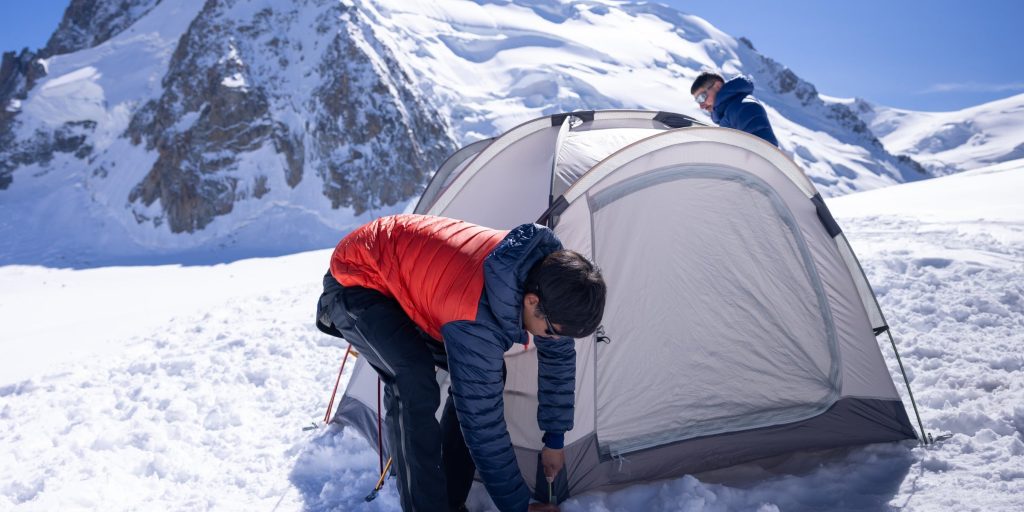
Camping in a tent can be an amazing way to connect with nature, but nothing ruins the experience faster than feeling cold all night. You want to enjoy your time outside, not shiver under your sleeping bag.
So, how do you stay warm when the temperature drops? This guide will show you simple, effective tips to keep your body heat up and your camping trip comfortable. Read on, and you’ll discover easy ways to stay cozy, even when the weather turns chilly.
Don’t let the cold stop you from enjoying your adventure—your warm, restful night is just a few steps away.

Credit: www.campingwithstyle.co.uk
Choose The Right Tent
Camping in cold weather needs a tent that keeps you warm. The right tent protects you from wind and cold air.
Choosing a good tent helps you sleep better and stay safe. Look for features that keep heat inside.
Opt For Four-season Tents
Four-season tents are made for cold weather and snow. They have stronger poles and tougher fabric to hold up in storms.
These tents block wind well and keep warmth inside. They are heavier but work best in winter camping.
- Stronger frame to resist snow and wind
- Less mesh for better warmth retention
- Durable fabric to block cold air
Check Tent Insulation
Insulation helps keep heat inside your tent. Some tents have extra layers or special fabrics for warmth.
Look for tents with thicker walls or thermal linings. A good rainfly also adds insulation and blocks wind.
- Double-wall tents trap warm air better
- Thermal fabrics reduce heat loss
- Rainfly adds an extra heat barrier
Consider Tent Size
Smaller tents keep you warmer because they hold heat better. Big tents lose warmth faster.
Choose a tent size that fits your group comfortably but is not too large. This helps keep the inside warm.
- Small tents trap body heat well
- Too big tents are hard to heat
- Enough space to avoid feeling cramped
Pick A Suitable Campsite
Choosing the right campsite helps you stay warm and safe. The location affects how cold you will feel at night.
Look for spots that protect you from wind and cold air. Avoid places that collect cold air or water.
Find Sheltered Spots
Pick a campsite near trees or large rocks. These natural features block wind and keep the area warmer.
Avoid open fields or hilltops where wind blows freely. Sheltered spots reduce heat loss from your tent.
Avoid Low-lying Areas
Cold air sinks, so low places can be very chilly at night. Avoid camping in valleys or dips in the land.
- Do not camp in riverbeds or dry creek beds.
- Choose flat or gently sloping ground higher than surrounding areas.
- Check for signs of past flooding or water pooling.
Use Natural Windbreaks
Natural windbreaks stop cold winds from reaching your tent. Trees, bushes, and large rocks work well.
| Type of Windbreak | Benefits |
|---|---|
| Trees | Block wind and provide shade |
| Bushes | Reduce wind speed near the ground |
| Rocks | Stop wind and reflect some warmth |
Use Proper Sleeping Gear
Staying warm inside a tent is very important for a good night’s sleep. Using the right sleeping gear helps keep your body heat inside. This guide explains how to choose the best sleeping gear.
Good sleeping gear creates a warm and cozy space. It keeps cold air out and stops heat from escaping. Follow these tips to stay warm while camping.
Select Insulated Sleeping Bags
Pick a sleeping bag made for cold weather. Insulated sleeping bags trap your body heat. They also block cold air from getting in. Look for bags with good insulation material like down or synthetic fill.
Check the temperature rating on the bag. Choose one that fits the coldest night you expect. A bag that is too thin will not keep you warm.
Add Sleeping Pads
Sleeping pads go under your sleeping bag. They stop cold air from the ground touching you. Pads also add comfort and help keep your body heat inside.
Choose pads with good insulation value (R-value). Foam or inflatable pads work well. Make sure the pad covers the whole area where you sleep.
- Foam pads are light and durable
- Inflatable pads offer extra comfort
- Higher R-value means better warmth
Layer With Blankets
Use blankets on top of your sleeping bag for extra warmth. Blankets add more insulation and keep heat close to your body. Wool or fleece blankets work best.
You can also wrap yourself in a blanket before getting into the sleeping bag. This extra layer helps trap heat and keeps you warmer all night.

Credit: hilltoppacks.com
Dress For Warmth
Staying warm is very important when camping in a tent. The right clothes can keep you comfortable all night. Dress in layers to trap heat and stay dry.
Choosing the right fabrics and covering your hands and feet helps keep cold away. Focus on clothes that keep moisture off your skin and hold in heat.
Wear Moisture-wicking Layers
Wear clothes that pull sweat away from your skin. Moisture-wicking layers keep you dry and warm. Avoid cotton because it holds moisture and cools you down.
Start with a thin base layer. Add a middle layer for insulation. Top with a windproof or waterproof jacket if needed.
- Choose synthetic or wool fabrics for base layers
- Use fleece or wool for middle layers
- Keep your outer layer light but protective
Use Thermal Clothing
Thermal clothes trap your body heat and keep cold out. Look for thermal underwear and shirts. These clothes add warmth without bulk.
Wear thermal pants and tops under your regular clothes. This extra layer helps you stay warm during cold nights.
- Thermal underwear fits snugly
- Wear thermal socks for extra warmth
- Choose thermal tops made of wool or synthetic fibers
Keep Feet And Hands Covered
Cold feet and hands make your whole body feel colder. Always wear warm socks and gloves. Wool or synthetic materials work best.
Bring extra pairs of socks and gloves. Change them if they get wet to keep your skin dry and warm.
- Wear thick wool or synthetic socks
- Use insulated gloves or mittens
- Keep spare dry pairs in your sleeping bag
Keep Tent Warm
Camping in cold weather can be fun if you stay warm inside your tent. Keeping the tent warm helps you sleep well and enjoy your trip.
There are easy ways to keep your tent cozy. Using the right tools and techniques will make a big difference.
Use A Tent Heater Safely
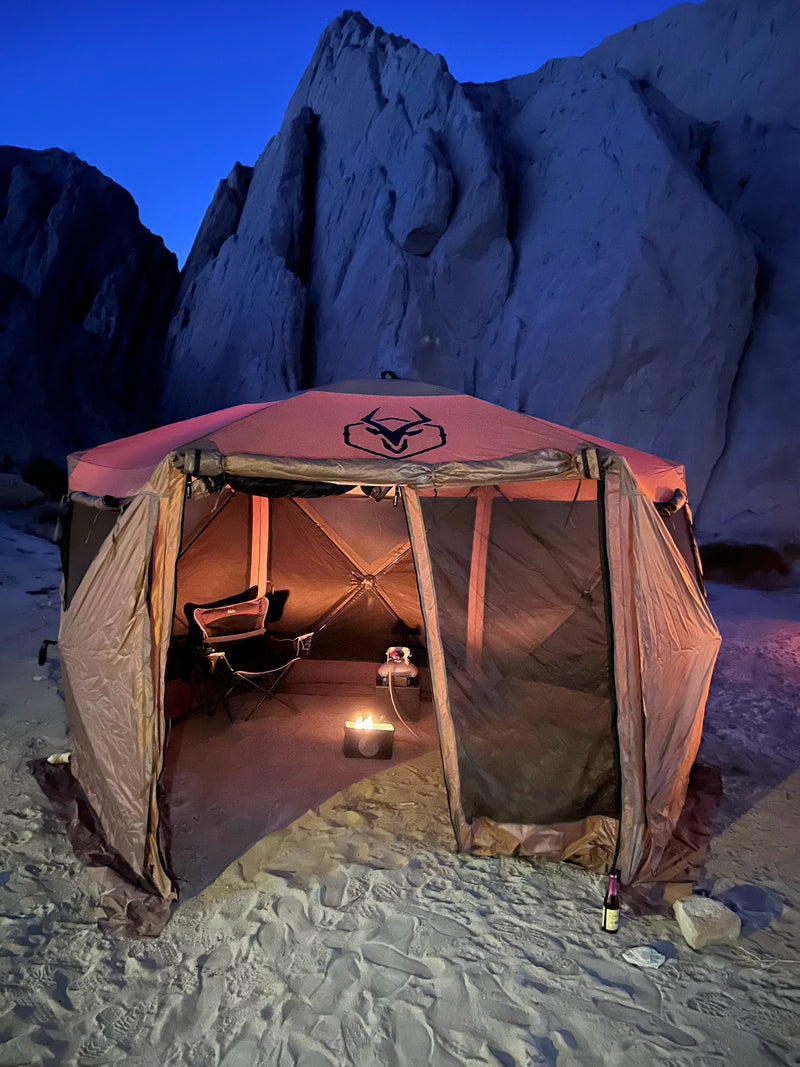
Tent heaters can warm your tent quickly. Choose heaters made for tents to avoid risks. Always follow safety rules to prevent fires.
Keep the heater away from sleeping bags and tent walls. Make sure your tent is well ventilated to avoid carbon monoxide build-up.
- Use propane or electric heaters designed for tents
- Place heater on a stable, flat surface
- Keep a safe distance from flammable materials
- Ventilate the tent to allow fresh air inside
- Never leave the heater on when you sleep
Utilize Hot Water Bottles
Hot water bottles are simple and effective to warm your bed inside the tent. Fill them with hot water before bedtime.
Place the bottles inside your sleeping bag near your feet or body. They keep you warm for hours and are easy to carry.
- Use sturdy bottles that do not leak
- Fill with hot, but not boiling, water
- Wrap bottles in cloth to avoid burns
- Replace water if it cools down too much
Seal Tent Openings
Cold air can enter your tent through openings. Seal zippers and vents to keep warm air inside. Use extra fabric if needed.
Check for gaps around doors and windows. Cover holes with tape or cloth to stop drafts. This keeps your tent warmer during the night.
- Close all zippers tightly
- Use draft stoppers on tent edges
- Cover vents partially to reduce airflow
- Use a ground tarp to block cold from below
Credit: www.theshowerpouch.com
Manage Moisture And Ventilation
Staying warm in a tent means controlling moisture and air flow. Moisture can make you cold quickly.
Good ventilation helps keep the air fresh and reduces dampness inside your tent.
Reduce Condensation
Condensation happens when warm air touches cold surfaces. This causes water to form inside your tent.
To reduce condensation, avoid breathing directly on tent walls. Use a tent with breathable fabric.
- Set up your tent away from wet ground
- Keep wet clothes outside the tent
- Use a ground tarp with a slight gap under the tent floor
Ventilate Properly
Open tent vents or windows to allow air to move. This stops moisture from building up inside.
Ventilation also helps remove carbon dioxide when you sleep. Make sure fresh air can flow.
- Use vents on opposite sides for cross ventilation
- Keep a small door opening if it is cold outside
- Adjust vents as weather changes during the night
Keep Gear Dry
Wet gear adds moisture to your tent and makes you cold. Store gear outside or in a dry spot.
Use waterproof bags or covers to protect your equipment from rain and dampness.
- Hang wet clothes outside the tent
- Keep sleeping bags in dry stuff sacks
- Place boots outside or in a boot bag
Eat And Hydrate Wisely
Staying warm in a tent starts with what you eat and drink. Food and liquids affect your body heat and energy.
Choosing the right meals and drinks helps keep your body temperature up during cold nights.
Consume Warm Meals
Eating warm food raises your body temperature. Hot meals give you energy and comfort in the cold.
Cook soups, stews, or pasta to stay warm. Avoid cold snacks that do not help your body heat.
Stay Hydrated
Drink plenty of fluids to keep your body working well. Water helps regulate your temperature even in cold weather.
Warm drinks like herbal tea or warm water are good choices. Avoid too much caffeine as it can dehydrate you.
Avoid Alcohol Before Bed
Alcohol might feel warm at first but it lowers your core temperature. It can make you colder while you sleep.
Skip drinks with alcohol before bedtime. It helps keep your body heat and sleep quality better.
Prepare For Emergencies
Camping in cold weather can be risky. You must be ready for emergencies to stay safe and warm.
Preparing ahead helps you handle sudden cold or injury. Keep important gear and knowledge close.
Pack Extra Warm Clothing
Bring more warm clothes than you think you need. Layers help trap heat and keep you dry.
Choose clothes made of wool or synthetic materials. Avoid cotton because it holds moisture and chills you.
- Base layer to wick sweat away
- Insulating layer like fleece or wool
- Waterproof and windproof outer layer
- Extra socks, gloves, and hats
Carry Emergency Blankets
Emergency blankets are small and light. They reflect your body heat back to you.
Keep one in your backpack and tent. Use it if your sleeping bag is wet or if you must stay outside longer.
- Compact and easy to carry
- Reflects up to 90% of body heat
- Can be used as a shelter or ground cover
- Helps prevent heat loss in emergencies
Know Hypothermia Signs
Hypothermia happens when your body loses heat too fast. Knowing the signs can save a life.
Watch for shivering, confusion, slurred speech, and slow breathing. Act quickly if you see these signs.
- Shivering that won’t stop
- Feeling very tired or weak
- Confused or forgetful behavior
- Slow, shallow breathing
- Clumsy movements or fumbling hands
Frequently Asked Questions
How Do You Insulate A Tent For Winter Camping?
Insulate your tent by using a tent footprint or ground tarp. Add foam pads or insulated sleeping mats for extra warmth. Use a four-season tent, which is designed to withstand cold temperatures. Sealing any gaps and covering your tent with a thermal blanket can also help retain heat.
What Is The Best Sleeping Bag For Cold Weather?
Choose a sleeping bag rated for at least 10 degrees colder than expected temperatures. Mummy-style sleeping bags offer better insulation. Look for bags filled with down or synthetic materials. A sleeping bag liner can provide additional warmth. Ensure the sleeping bag has a hood and draft collar for extra protection.
How Can I Keep Warm Without A Campfire?
Wear layered clothing, starting with thermal base layers. Use hand warmers and heat packs inside your gloves and boots. Drink warm beverages and eat high-calorie snacks to maintain body heat. Use an insulated sleeping pad and wrap yourself in a thermal blanket.
Minimize exposure to wind by camping in a sheltered area.
What Should I Wear For Cold-weather Camping?
Wear moisture-wicking base layers to stay dry. Add insulating mid-layers like fleece or down jackets. Top it off with a waterproof and windproof outer shell. Wear thermal socks, gloves, and a hat to retain body heat. Use a neck gaiter or scarf for additional warmth and protection against the cold.
Conclusion
Staying warm while camping in a tent takes some planning. Choose the right sleeping bag and wear warm clothes. Use a good sleeping pad to keep cold off the ground. Keep your tent dry and use a small heater safely if needed.
Remember, staying dry is as important as staying warm. With these tips, your camping trip can be cozy and comfortable. Enjoy the outdoors without feeling cold at night. Stay safe, warm, and happy camping!