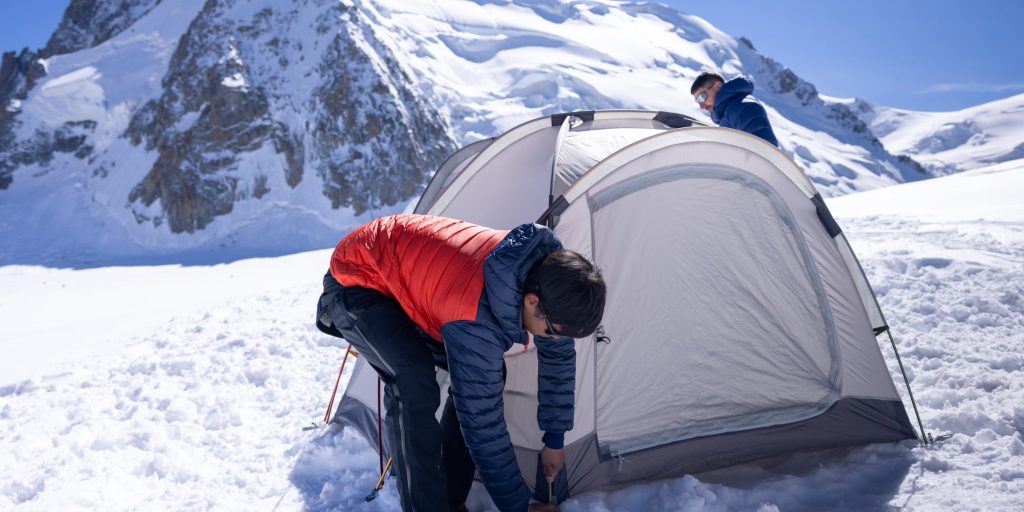
When winter camping, staying warm in your tent can be a real challenge. You want to enjoy the crisp air and quiet nights without shivering all night long.
But how do you keep the cold out and the heat in? Imagine waking up feeling cozy, rested, and ready to take on the day—even when the temperature outside is freezing. You’ll discover simple, effective ways to stay warm in your tent this winter.
Keep reading, because your next cold-weather camping trip could be your most comfortable one yet.
Choosing The Right Tent
Staying warm in a winter tent starts with picking the right shelter. Your tent protects you from cold, wind, and snow.
Choosing a tent that fits the weather and your needs helps keep you safe and comfortable during cold nights.
Four-season Vs Three-season Tents
Four-season tents are made for harsh winter weather. They handle strong winds and heavy snow.
Three-season tents work well in spring, summer, and fall. They are lighter but not as strong against winter storms.
- Four-season tents have stronger poles and fabric
- Three-season tents have more mesh for ventilation
- Four-season tents usually have smaller windows to keep heat in
Tent Size And Insulation
Choose a tent size that fits you and your gear without too much extra space. Smaller tents stay warmer.
Some tents have built-in insulation or thicker fabric. These features help keep the cold out and warmth in.
- A tent for one or two people is easier to heat
- Extra space can let cold air move inside
- Look for tents with insulated floors or walls
Weatherproof Features
Good weatherproof tents block wind, rain, and snow. They keep moisture out to stop cold air from entering.
Check for strong zippers, full rain flies, and sealed seams. These features improve your tent’s protection.
- Rain fly covers the tent and stops water
- Sealed seams prevent leaks and drafts
- Strong zippers keep tent closed tightly
- Ventilation options reduce condensation inside

Credit: www.reddit.com
Selecting Warm Sleeping Gear
Staying warm in a tent during winter is important. The right sleeping gear can make your trip comfortable.
Choose equipment designed for cold weather. It helps keep you warm all night.
Insulated Sleeping Bags
Insulated sleeping bags are essential for winter camping. They trap heat and keep the cold out.
Choose a sleeping bag with a temperature rating that suits your environment. Look for bags with a hood and draft collar for extra warmth.
- Down-filled bags offer great insulation
- Synthetic bags dry faster if wet
- Mummy-shaped bags conserve heat better
Sleeping Pads For Cold Ground
Sleeping pads provide a barrier between you and the cold ground. They add comfort and insulation.
Look for pads with high R-value ratings. This measures their ability to resist heat loss.
| Type | Benefits |
| Foam pads | Lightweight and durable |
| Inflatable pads | Compact and adjustable |
| Self-inflating pads | Easy to use and comfortable |
Using Liners And Blankets
Liners and blankets add extra warmth to your sleeping system. They can be used inside the sleeping bag.
Choose liners made from fleece or thermal materials. Blankets can be placed on top for additional heat.
- Silk liners are lightweight and warm
- Fleece liners add softness and insulation
- Wool blankets trap heat well
Clothing For Cold Weather Camping
Staying warm in a tent during winter camping is very important. Wearing the right clothes helps keep your body heat inside.
Choosing the right clothes can make your cold weather camping trip safe and more comfortable.
Layering Techniques
Layering clothes trap heat and keep you warm. Start with a base layer that fits snugly to your skin.
Add a middle layer for insulation, like a fleece or wool sweater. Finish with a waterproof outer layer to block wind and snow.
- Base layer: moisture-wicking and tight fit
- Middle layer: thick and insulating
- Outer layer: windproof and waterproof
Best Fabrics For Warmth
Choose fabrics that keep heat and dry quickly. Wool and fleece are excellent for cold weather.
Avoid cotton because it holds moisture and makes you cold. Synthetic fabrics like polyester work well too.
- Wool: warm even when wet
- Fleece: soft and insulating
- Polyester: dries fast and blocks wind
- Avoid cotton: holds moisture and cools down
Keeping Extremities Warm
Hands, feet, and head lose heat fast. Wear warm gloves, thick socks, and a good hat to protect these areas.
Use insulated boots and mittens for extra warmth. Cover your neck with a scarf or neck gaiter to stop heat loss.
- Wear insulated gloves or mittens
- Use wool or synthetic socks
- Wear a warm hat that covers ears
- Use a scarf or neck gaiter
- Choose insulated boots for cold ground
Credit: www.theshowerpouch.com
Effective Tent Setup
Staying warm in a winter tent starts with setting it up right. A good setup blocks cold and wind.
This guide covers how to pick a site, secure your tent, and use snow walls to keep heat in.
Choosing A Sheltered Campsite
Pick a spot that protects your tent from wind and weather. Look for natural barriers like trees or hills.
Avoid low spots where cold air collects. Flat ground is best, but shelter matters most.
- Find a spot near thick trees or bushes
- Stay away from open, exposed areas
- Check for stable snow or ground
- Look for natural windbreaks like rocks or ridges
Securing The Tent Against Wind
Use strong stakes and guy lines to keep the tent stable. Tighten all ropes firmly.
Anchor your tent deep in the snow or ground. Add extra stakes if wind is strong.
- Use snow stakes or bury stakes horizontally in snow
- Tighten guy lines to prevent tent movement
- Check tension regularly during windy weather
- Angle the tent door away from the wind
Using Snow Walls And Windbreaks
Build snow walls around your tent to block cold wind. Walls reduce heat loss and keep snow out.
Windbreaks made from snow or branches help create a calm zone near the tent.
- Pack snow firmly to make strong walls
- Build walls about waist-high around the tent
- Leave space for ventilation to avoid moisture
- Use natural materials like branches to add windbreaks
Heat Sources Inside The Tent
Staying warm inside a tent during winter is key for comfort and safety. Using heat sources carefully can help you avoid cold nights.
There are several ways to keep your tent warm. Some methods use devices, others use simple heat retention tricks.
Safe Use Of Portable Heaters
Portable heaters can warm your tent quickly. Safety is very important when using them inside a tent.
- Choose heaters designed for indoor or tent use.
- Keep heaters away from flammable materials like sleeping bags and walls.
- Ensure good ventilation to avoid carbon monoxide build-up.
- Never leave a heater running while you sleep or leave the tent.
- Use carbon monoxide detectors if possible for extra safety.
Hot Water Bottles And Heat Packs
Hot water bottles and heat packs are simple and safe ways to keep warm. They provide heat without electricity or fuel.
| Heat Source | How to Use | Benefits |
| Hot Water Bottle | Fill with hot water and place in your sleeping bag. | Long-lasting heat and easy to recharge. |
| Chemical Heat Pack | Activate by shaking or squeezing and place in gloves or pockets. | Portable and quick heat boost. |
| Microwavable Heat Pack | Heat in microwave before use, then hold close to the body. | Reusable and provides steady warmth. |
Body Heat And Shared Warmth
Body heat is a natural and effective way to stay warm inside a tent. Sharing warmth with others helps conserve heat.
- Sleep close to others to share body warmth.
- Wear dry, insulated clothing to trap heat.
- Use sleeping bags rated for cold weather.
- Exercise briefly before sleeping to raise body temperature.
- Keep your head covered to reduce heat loss.
Managing Moisture And Ventilation
Staying warm in a winter tent means controlling moisture inside. Moisture can make you cold and uncomfortable. Ventilation helps keep air fresh and dry.
Proper moisture management stops condensation and keeps your gear dry. This guide covers key ways to manage moisture and ventilation in your tent.
Preventing Condensation
Condensation forms when warm air meets cold surfaces inside the tent. It creates water drops that soak your clothes and sleeping bag. To prevent this, keep the air moving and avoid breathing near tent walls.
- Use a tent with mesh panels for airflow.
- Keep wet gear outside or in a vestibule.
- Avoid cooking inside the tent.
- Open vents or doors slightly to let moist air escape.
- Use a ground tarp to stop moisture from the soil.
Proper Venting Techniques
Venting your tent helps air flow and reduces dampness. Warm air rises, so placing vents near the top and bottom helps move moisture out.
| Vent Location | Purpose |
| Top vents | Release warm, moist air |
| Bottom vents | Draw in fresh, cold air |
| Side vents | Increase cross-ventilation |
Keep vents open even in cold weather. You can block wind with a rainfly or natural barriers like trees.
Drying Wet Clothing
Wet clothes add moisture and chill your tent. Dry clothes before going to bed. Hang them inside near vents or outside if weather allows.
Here are tips to dry clothes safely in your tent:
- Use a small clothesline inside the tent.
- Hang clothes close to, but not touching, vents.
- Avoid drying clothes on your sleeping bag or pad.
- Remove wet boots and gloves from the tent.
- Change into dry clothes before sleeping.
Food And Drink Tips For Warmth
Keeping warm in a winter tent requires more than just good gear. The food and drinks you consume play a big role in maintaining your body heat. Eating the right foods and drinking properly can help you stay cozy through cold nights.
This guide offers simple tips on what to eat and drink to keep your energy and warmth up while camping in the cold.
High-calorie Meals
Calories turn into energy and heat for your body. Choose meals that are dense in calories to help you stay warm. Foods rich in fats and proteins are best because they digest slowly and keep you heated longer.
- Peanut butter and nuts
- Cheese and dried meats
- Oatmeal with seeds and honey
- Rice or pasta with olive oil
- Whole eggs and fatty fish
Warm Drinks Before Bed
Drinking warm liquids before sleeping helps raise your core temperature. Avoid drinks with caffeine or alcohol because they can cause heat loss. Instead, choose calming, warm drinks to prepare your body for rest.
| Drink | Benefit |
| Herbal tea | Calms and warms without caffeine |
| Warm milk | Provides protein and soothes |
| Hot chocolate | Offers sugar and warmth |
| Warm water with lemon | Hydrates and comforts |
Hydration In Cold Weather
Cold weather can trick you into feeling less thirsty. Staying hydrated helps your body regulate heat well. Drink plenty of fluids even if you do not feel thirsty to avoid dehydration.
Here are quick tips for staying hydrated:
- Carry an insulated bottle to keep drinks from freezing.
- Drink warm water or teas regularly throughout the day.
- Avoid excessive caffeine and alcohol that dehydrate.
- Eat water-rich foods like fruits and soups.
Credit: www.outsideonline.com
Frequently Asked Questions
How Can I Insulate My Tent For Winter Camping?
Use foam sleeping pads, thermal blankets, and a tent footprint. These layers help block cold ground and retain heat inside your tent efficiently.
What Clothing Keeps Me Warm Inside A Winter Tent?
Wear moisture-wicking base layers, insulated jackets, wool socks, and hats. Layering helps trap body heat and keeps you dry in cold temperatures.
How Do I Prevent Condensation Inside A Winter Tent?
Ventilate your tent by slightly opening vents or doors. Proper airflow reduces moisture buildup, preventing dampness and cold inside the tent.
Can A Sleeping Bag Alone Keep Me Warm In Winter?
A quality sleeping bag rated for cold weather is essential. Pair it with insulated sleeping pads and warm clothing for maximum warmth.
Conclusion
Staying warm in a winter tent takes good planning. Use the right sleeping gear and dress in layers. Keep your body dry and avoid cold air inside. Simple steps like insulating your tent floor help a lot. Small heat sources can make a big difference too.
Remember, safety always comes first with any heat source. Enjoy your camping trip without worrying about the cold. Warmth and comfort are possible with smart choices. Stay safe, stay warm, and enjoy the outdoors this winter.