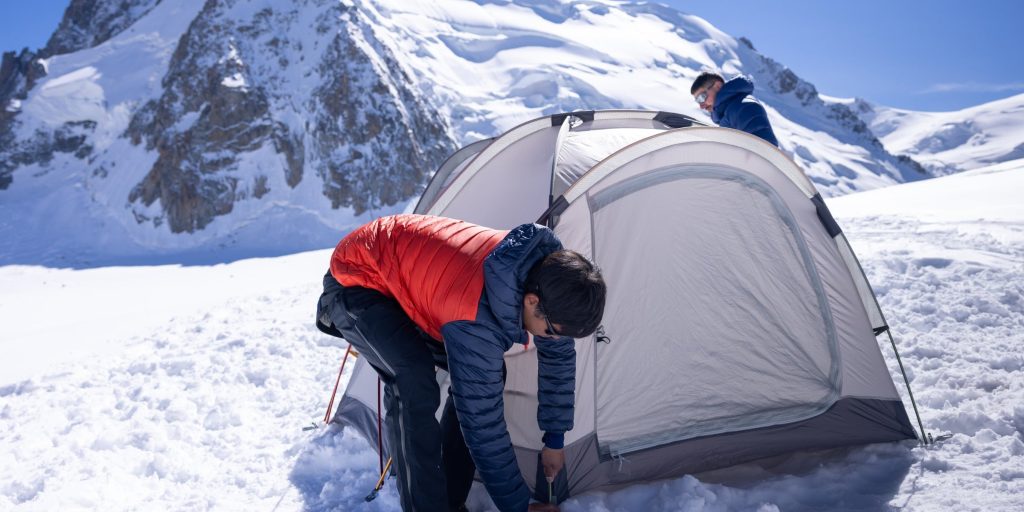
Camping in winter can be tough, especially when it comes to staying warm inside your tent. You might worry about cold nights, shivering, or losing sleep because of the chill.
But what if you could enjoy your winter adventure without feeling freezing? You’ll discover simple and effective ways to keep your tent cozy and warm, no matter how low the temperature drops. Ready to learn how to make your winter camping experience comfortable and safe?
Let’s dive in!

Credit: m.youtube.com
Choosing The Right Tent
Staying warm in a tent during winter depends a lot on the tent you pick. The right tent helps keep cold air out and warmth inside.
Look for tents made for cold weather. These tents are built to handle snow, wind, and low temperatures.
Four-season Vs Three-season Tents
Four-season tents are made for winter use. They have stronger poles and thicker fabric to hold up snow and wind.
Three-season tents work well in spring, summer, and fall. They are lighter but do not protect as well in harsh winter conditions.
- Four-season tents have sturdier frames
- They use thicker, more insulating materials
- Three-season tents are lighter and less durable in snow
- Four-season tents often have smaller mesh areas to keep heat
Tent Size And Insulation
Choose a tent size that fits your group but is not too big. A smaller tent keeps heat better.
Some tents have extra insulation or double walls. These features help trap warm air inside the tent.
- Smaller tents warm up faster
- Double-wall tents reduce heat loss
- Thick floor material stops cold from the ground
Wind And Snow Resistance
Winter tents must stand up to strong winds and heavy snow. Look for tents with strong poles and good anchoring options.
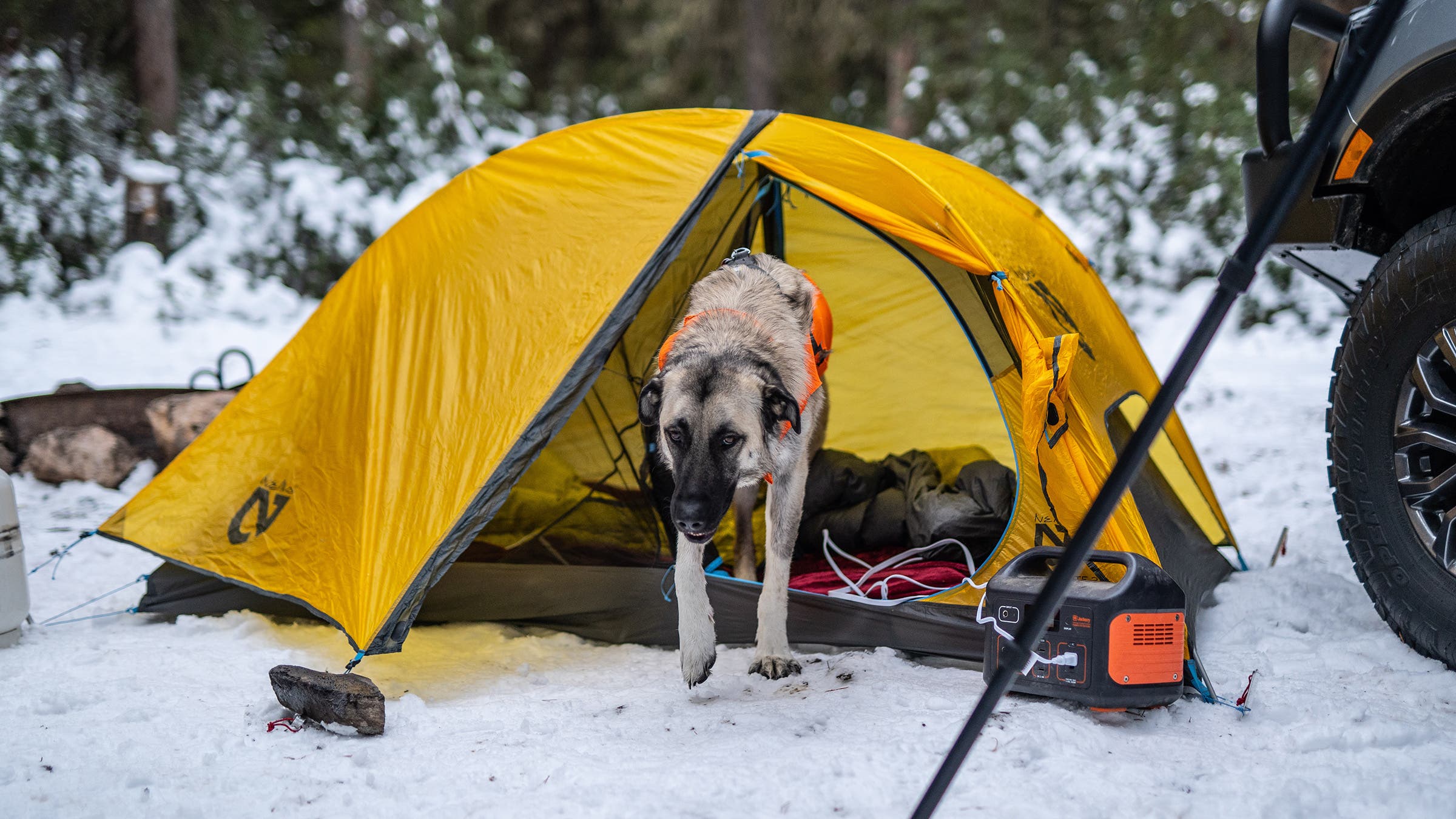
The tent shape also matters. Dome and geodesic tents shed snow better and resist wind well.
- Strong poles keep tent stable in wind
- Guy lines help secure the tent firmly
- Dome shapes prevent snow buildup
- Waterproof fabric stops moisture and snow
Credit: www.outsideonline.com
Selecting The Perfect Campsite
Choosing the right campsite helps you stay warm inside your tent during winter. A good spot protects you from cold winds and harsh weather.
Think about the surroundings and ground conditions before setting your tent. These choices keep you safer and warmer at night.
Sheltered Locations
Find a place that blocks wind naturally. Trees, bushes, or rocks can shield your tent from cold gusts.
Avoid open spaces on ridges or hilltops. These areas get strong winds that lower your tent’s temperature.
- Look for dense tree cover or natural windbreaks
- Set up near large rocks or cliffs if no trees are available
- Face your tent door away from prevailing winds
Avoiding Cold Spots
Cold air sinks and collects in low areas like valleys or depressions. Avoid camping in these spots to stay warmer.
Choose higher ground with gentle slopes. This helps cold air flow away from your tent and reduces frost buildup.
- Do not camp in dips or hollows
- Find flat but elevated ground
- Clear snow and ice to avoid cold patches under your tent
Snow Preparation
If camping on snow, pack it down firmly before pitching your tent. This creates a solid base and reduces cold air below.
Build a small wall of snow around your tent to block wind. This adds extra protection and helps keep warmth inside.
- Use your boots or shovel to stomp snow flat
- Create a snow barrier on the wind side
- Clear snow away from tent entrances to prevent drafts
Insulating Your Tent
Camping in winter can be fun if you stay warm. Insulating your tent is key to comfort and safety in cold weather.
Keeping your tent warm requires careful planning. Use simple methods to ensure you stay cozy during your winter camping trip.
Using Ground Pads And Tarps
Ground pads provide a barrier between you and the cold ground. They help keep warmth in and cold out.
Place a tarp under your tent. It adds an extra layer of insulation and keeps moisture away.
- Choose foam or inflatable pads for better insulation
- Ensure the tarp is slightly larger than your tent base
- Use a durable tarp to prevent tears
Adding Reflective Layers
Reflective layers bounce your body heat back to you. This helps in maintaining warmth inside your tent.
Use emergency blankets or reflective tarps. These are effective in retaining heat.
- Attach reflective blankets to the tent ceiling
- Place reflective tarps on the tent floor
- Ensure layers are securely fastened
Snow Walls For Windbreaks
Snow walls act as a barrier against the wind. They help keep your tent warm by reducing wind chill.
Build snow walls around your tent. This creates a sheltered area and improves insulation.
- Use snow from the campsite area
- Build walls at least one foot high
- Ensure walls are stable and won’t collapse
Sleeping Gear For Warmth
Staying warm inside a tent during winter is important for a good night’s sleep. The right sleeping gear helps keep your body heat trapped.
Choosing the best gear can protect you from cold ground and chilly air. It can make your camping trip more comfortable and safe.
Choosing The Right Sleeping Bag
Select a sleeping bag made for cold weather. Look for bags with good insulation like down or synthetic fill.
Check the temperature rating on the bag. It should be lower than the coldest temperature you expect to face.
- Down bags are lightweight and very warm
- Synthetic bags keep warmth even when wet
- Mummy-shaped bags trap heat better
- Choose a bag size that fits snugly
Layering With Sleeping Pads
Sleeping pads add extra insulation between you and the cold ground. They stop heat loss from below.
Use more than one pad for better warmth. Combine foam pads with inflatable pads for comfort and insulation.
- Closed-cell foam pads are durable and warm
- Inflatable pads offer cushioning and warmth
- Use a foam pad under an inflatable pad
- Check the R-value; higher means better insulation
Using Thermal Liners And Blankets
Thermal liners add extra warmth inside your sleeping bag. They trap more heat without adding much weight.
Blankets made from reflective materials help keep body heat close. Use them inside or outside your sleeping bag for added warmth.
- Silk liners are lightweight and warm
- Fleece liners add softness and heat
- Reflective emergency blankets reflect body heat
- Use liners to increase sleeping bag temperature rating
Clothing Strategies
Staying warm in a tent during winter needs smart clothing choices. Your clothes help keep body heat inside and cold air out.
Good clothing strategies can make your camping trip more comfortable and safe. Focus on how you dress to stay warm all night.
Layering Techniques
Wear several thin layers instead of one thick layer. Layers trap warm air and let you adjust your warmth easily.
Start with a base layer that fits snugly. Add a middle layer for insulation. Finish with a shell layer to block wind and water.
- Base layer: wool or synthetic materials to wick sweat
- Middle layer: fleece or down for warmth
- Outer layer: waterproof and windproof jacket or shell
Materials To Avoid
Avoid cotton because it holds moisture and cools your body. Wet clothes can cause hypothermia in cold weather.
Stay away from heavy fabrics that do not dry quickly. They add weight and reduce your ability to stay warm.
- Cotton clothing and jeans
- Heavy denim or canvas
- Non-breathable synthetic fabrics without moisture-wicking
Keeping Dry And Warm
Dry clothes keep you warm. Change out of damp clothing as soon as possible. Wet clothes cool the body fast.
Use waterproof gear and pack extra socks and gloves. Keep your clothes dry by storing them in waterproof bags.
- Wear waterproof boots and jackets
- Keep spare dry clothes in sealed bags
- Remove wet layers quickly and replace with dry ones
Heat Sources Inside The Tent
Keeping warm inside a tent during winter is important for comfort and safety. Using proper heat sources helps maintain a cozy temperature. Some heat sources are safer and easier to use than others.
This guide covers safe hand warmers, hot water bottles, and why you should avoid open flames inside your tent.
Safe Use Of Hand Warmers
Hand warmers are small packets that produce heat when exposed to air. They are a popular choice for warming hands and feet inside tents. Use them carefully to avoid burns or damage.
- Do not place hand warmers directly on skin for long periods.
- Keep them inside a cloth or sock for safe heat transfer.
- Use air-activated warmers in well-ventilated tents.
- Dispose of used warmers properly to prevent fire risks.
- Check product instructions for specific safety tips.
Hot Water Bottles
Hot water bottles provide gentle and lasting warmth. They are simple to use and can keep you warm all night. Be sure to follow safety steps to avoid accidents.
| Tip | Reason |
| Use a sturdy bottle | Prevents leaks and spills |
| Fill with hot, not boiling water | Prevents burns and bottle damage |
| Wrap bottle in cloth | Protects skin from direct heat |
| Check for leaks before use | Avoids water damage inside tent |
| Place bottle at foot of sleeping bag | Warms feet and helps overall comfort |
Avoiding Open Flames
Open flames inside a tent are very dangerous. They can cause fires and use up oxygen quickly. It is best to avoid candles, stoves, or heaters that burn fuel inside your tent.
- Never use gas stoves or lanterns inside your tent.
- Use battery-powered lights instead of candles.
- Keep all heat sources away from tent fabric and sleeping bags.
- Ensure proper ventilation if using any fuel-based heater outside the tent.
- Always have a fire extinguisher or water nearby in camp areas.
Managing Moisture And Ventilation
Staying warm in a tent during winter means controlling moisture and air flow. Moisture can make you cold and uncomfortable. Good ventilation helps keep the air fresh and dry.
In this guide, we focus on stopping condensation, placing vents right, and drying wet gear. These steps keep your tent cozy and warm.
Preventing Condensation
Condensation forms when warm air meets cold surfaces inside the tent. It creates water drops that make sleeping bags wet and cold. To prevent this, keep some air moving inside the tent.
Use breathable fabrics and avoid cooking or drying clothes inside the tent. This reduces moisture buildup and keeps the tent walls dry.
Proper Vent Placement
Vents help air flow in and out of your tent. Place vents on opposite sides to create a cross breeze. This moves moist air outside and brings fresh air in.
Keep vents open even in cold weather. Small openings stop moisture but keep warmth inside. Check vents often to clear ice or snow blocking them.
- Open vents at the top and bottom of the tent
- Clear snow or ice from vent openings
- Adjust vents to control airflow without losing heat
Drying Wet Gear
Wet gear adds moisture inside the tent and lowers your body temperature. Hang wet clothes near vents or outside the tent to dry. Avoid placing wet gear directly on sleeping bags or mats.
Use a gear loft or mesh pockets inside the tent to keep items off the floor. This helps air circulate and dries your gear faster.
- Hang wet clothes near vents or outside
- Keep gear off the tent floor
- Use mesh storage pockets inside the tent
Nutrition And Hydration
Staying warm in a tent during winter depends a lot on what you eat and drink. Good nutrition and proper hydration help your body keep heat.
Cold weather makes your body work harder to stay warm. Eating the right foods and drinking enough fluids support your energy and temperature.
Eating For Warmth
Eating foods that give long-lasting energy helps keep you warm. Choose meals with fats, proteins, and carbs. These fuels burn slowly and raise your body heat.
Eat small snacks often to keep your energy steady. Warm meals also help your body stay cozy inside the tent.
- Include nuts, cheese, and peanut butter for fats and protein
- Eat whole grains like oats and brown rice for slow energy
- Have warm soups or stews to add heat and hydration
- Snack on dried fruits for quick energy boosts
Hydrating In Cold Weather
Hydration is important even when it is cold. Your body loses water from breathing and sweating. Drinking fluids keeps your blood flowing and your body warm.
Drink warm liquids like tea or broth to stay hydrated and warm. Water is also important but can feel cold. Try to sip fluids regularly throughout the day.
- Drink at least 1.5 to 2 liters of fluids daily
- Use insulated bottles to keep drinks warm
- Eat foods with high water content like fruits and vegetables
- Warm drinks aid digestion and body heat
Avoiding Alcohol And Caffeine
Avoid alcohol in cold weather. It makes your body lose heat faster. Alcohol also lowers your ability to feel cold and react to danger.
Caffeine can dehydrate you. It makes you pee more, which causes fluid loss. Limit coffee and soda to stay properly hydrated and warm.
- Skip alcohol to keep your body temperature steady
- Limit caffeine to avoid dehydration
- Choose herbal teas or warm water instead
Emergency Warmth Tips
Staying warm inside a tent during winter is very important. Cold can be dangerous. You need quick ways to keep your body heat. These tips help you stay safe and warm in emergencies.
Using simple items and smart actions can make a big difference. Here are key methods to keep heat and get help if needed.
Using Emergency Blankets
Emergency blankets are thin but strong sheets that reflect body heat back to you. They are light and easy to carry in a backpack. Use them inside your sleeping bag or wrap around your body to stay warm.
- Wrap the blanket tightly around your body to keep heat in.
- Cover your head to reduce heat loss.
- Place a blanket on the tent floor to block cold ground.
- Do not let the blanket touch your skin directly to avoid condensation.
Body Heat Sharing
Sharing body heat with others is an effective way to stay warm. If you are with friends or family, huddle close together inside the tent. Your combined warmth helps fight the cold.
| Tip | How It Helps |
| Huddle Close | Body heat combines for warmth |
| Wear Dry Clothes | Keeps heat from escaping |
| Use Shared Blankets | Traps heat around group |
| Limit Movement | Prevents heat loss by sweating |
Signaling For Help
If you are stuck in cold weather, signaling for help is crucial. Use bright or reflective materials to catch attention. Emergency blankets and flashlights can help in low light.
Useful signaling methods:
- Wave an emergency blanket to reflect sunlight.
- Use a whistle to make loud noise at intervals.
- Flash a light or mirror toward rescuers or passing aircraft.
- Build a small fire if safe to create smoke signals.
Credit: www.theshowerpouch.com
Frequently Asked Questions
How Can I Insulate My Tent For Winter Camping?
Use a high-quality sleeping pad and thermal blanket inside the tent. Add a tent footprint or tarp underneath to block cold ground. Seal any gaps or vents to keep out drafts and retain heat efficiently.
What Clothing Is Best For Staying Warm In A Tent?
Wear moisture-wicking base layers, insulating mid-layers, and a waterproof outer layer. Use thermal socks, gloves, and a warm hat to prevent heat loss from extremities.
Can I Use A Heater Safely Inside A Tent?
Use only heaters designed for indoor or tent use with built-in safety features. Always ensure proper ventilation to prevent carbon monoxide buildup and never leave heaters unattended.
How Do I Prevent Moisture Buildup Inside My Tent?
Ventilate your tent slightly to reduce condensation. Use moisture-wicking sleeping bags and avoid drying wet clothes inside. Proper airflow keeps the tent dry and warm.
Conclusion
Staying warm in a tent during winter takes simple steps. Choose the right sleeping bag and wear warm clothes. Keep your body insulated from the cold ground. Use a good tent that blocks wind and snow. Small actions, like eating well and moving a bit, help too.
Enjoy your winter camping safely and comfortably. Stay prepared and stay warm. Winter adventures can be fun and cozy with these tips.