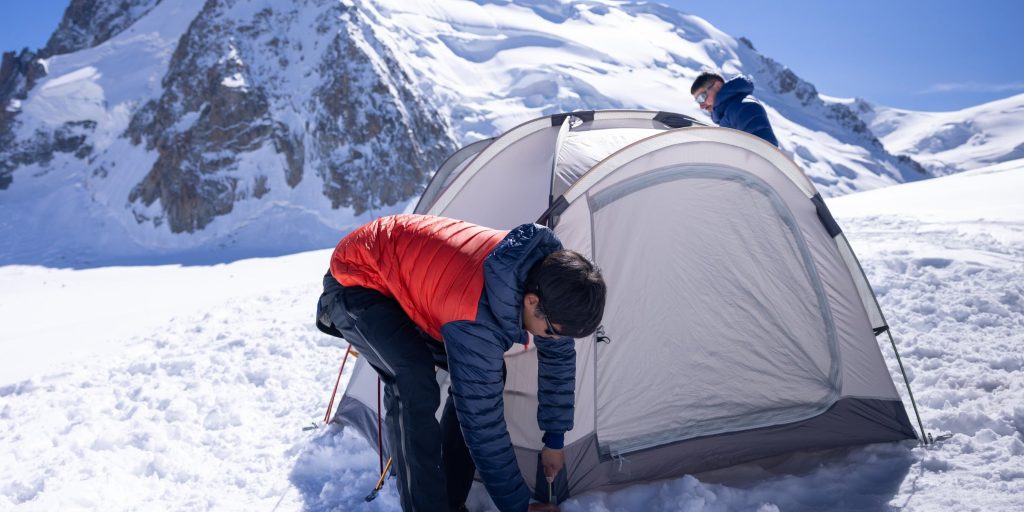
When winter camping, staying warm inside your tent can be a real challenge. You want to enjoy the crisp air and quiet nights without freezing through the night.
But how do you make sure your tent feels cozy and comfortable, even when the temperature drops? You’ll discover simple, effective tips that can keep the cold out and the warmth in. Whether you’re a beginner or a seasoned camper, these easy tricks will help you sleep better and enjoy your winter adventure to the fullest.
Keep reading to find out how to stay warm in a tent during the coldest months.
Choosing The Right Tent
Staying warm in a tent during winter depends a lot on your tent choice. The right tent helps keep cold air out and warmth inside.
Choosing a tent made for cold weather can make your camping trip safer and more comfortable.
Four-season Vs Three-season Tents
Four-season tents are built to handle harsh winter weather. They use stronger materials and have fewer mesh panels to keep cold air out.
Three-season tents work well in spring, summer, and fall. They have more ventilation but are less able to keep out snow and wind.
- Four-season tents resist snow and strong winds better
- Three-season tents are lighter and more breathable
- Four-season tents often cost more but offer better protection
Tent Size And Insulation
Choosing the right tent size helps keep warmth inside. Smaller tents are easier to heat because there is less air inside.
A tent with good insulation or a double-wall design helps block cold air. This keeps the inside warmer and more comfortable.
- Choose a tent size that fits your group without extra space
- Look for tents with insulated fabrics or double walls
- A smaller tent warms up faster than a large one
Wind And Snow Resistance
Winter tents need to stand up to wind and snow. Look for tents with strong poles and low, aerodynamic shapes.
Good tents have features that stop snow from building up on the roof. This keeps the tent safe and warm.
- Strong pole systems resist bending in wind
- Low profiles reduce wind pressure on the tent
- Steep roof angles help snow slide off
- Secure guy lines add extra stability
Selecting Warm Sleeping Gear
Staying warm inside a tent during winter depends a lot on your sleeping gear. Choosing the right items helps keep your body heat inside and the cold outside.
It is important to pick sleeping gear that works well together. This can make a big difference on cold nights.
Sleeping Bags For Cold Weather
Use a sleeping bag made for cold weather. Look for bags with good insulation and a shape that keeps heat close to your body. Mummy-shaped bags are best for warmth.
Check the temperature rating to match the coldest weather you expect. Choose bags with down or synthetic fill that traps heat well.
- Pick a sleeping bag rated for temperatures below freezing.
- Down bags are lightweight and warm but can lose heat if wet.
- Synthetic bags keep warmth even when damp and dry faster.
- Mummy-shaped bags reduce air space to keep you warm.
Insulated Sleeping Pads
Sleeping pads add a layer between you and the cold ground. They stop heat from escaping downwards. Insulation is very important for winter camping.
Look for pads with a high R-value. The R-value shows how well a pad blocks cold from the ground. Higher values mean better insulation.
- Choose pads with an R-value of 4 or higher for cold weather.
- Foam pads are durable and provide good insulation.
- Inflatable pads are comfortable and can have good insulation.
- Combining foam and inflatable pads gives extra warmth.
Using Blankets And Liners
Adding blankets or liners inside your sleeping bag can boost warmth. They add extra layers that trap heat close to your body.
Use liners made of fleece or wool for the best heat retention. Wool blankets can also keep you warm if placed inside or outside your sleeping bag.
- Fleece liners add warmth without much weight.
- Wool blankets keep heat even when damp.
- Silk liners help keep your sleeping bag clean and add warmth.
- Layering blankets inside the bag increases insulation.
Proper Tent Setup
Staying warm in a tent during winter starts with the right setup. A well-prepared tent blocks cold and wind.
Setting up your tent carefully helps keep the inside warm and comfortable. Pay close attention to location and structure.
Finding A Sheltered Campsite
Pick a spot protected from strong winds and open spaces. Look for natural windbreaks like trees or rocks.
Avoid low areas where cold air settles. Choose higher ground but not on a ridge exposed to the wind.
- Use trees or bushes as wind barriers
- Stay away from open flat areas
- Choose spots with natural snow cover for insulation
- Check ground for dryness and flatness
Pitching Your Tent Correctly
Set your tent tight and secure to keep cold air out. Pull the fabric taut to avoid sagging.
Make sure the tent floor is flat and clear of snow or ice. Use a ground tarp to add extra insulation.
- Stretch tent fabric evenly on all sides
- Use all stakes and guy lines provided
- Keep zippers closed to trap warmth
- Place a footprint or tarp under the tent
Securing Against Wind And Snow
Anchor your tent firmly to stop it from moving in wind or snow. Use extra guy lines if needed.
Clear snow away from the tent walls to avoid pressure. Build a small snow wall if wind is strong.
- Drive stakes deep into frozen ground
- Tighten guy lines regularly
- Build windbreaks using snow blocks or rocks
- Brush snow off tent to prevent collapse
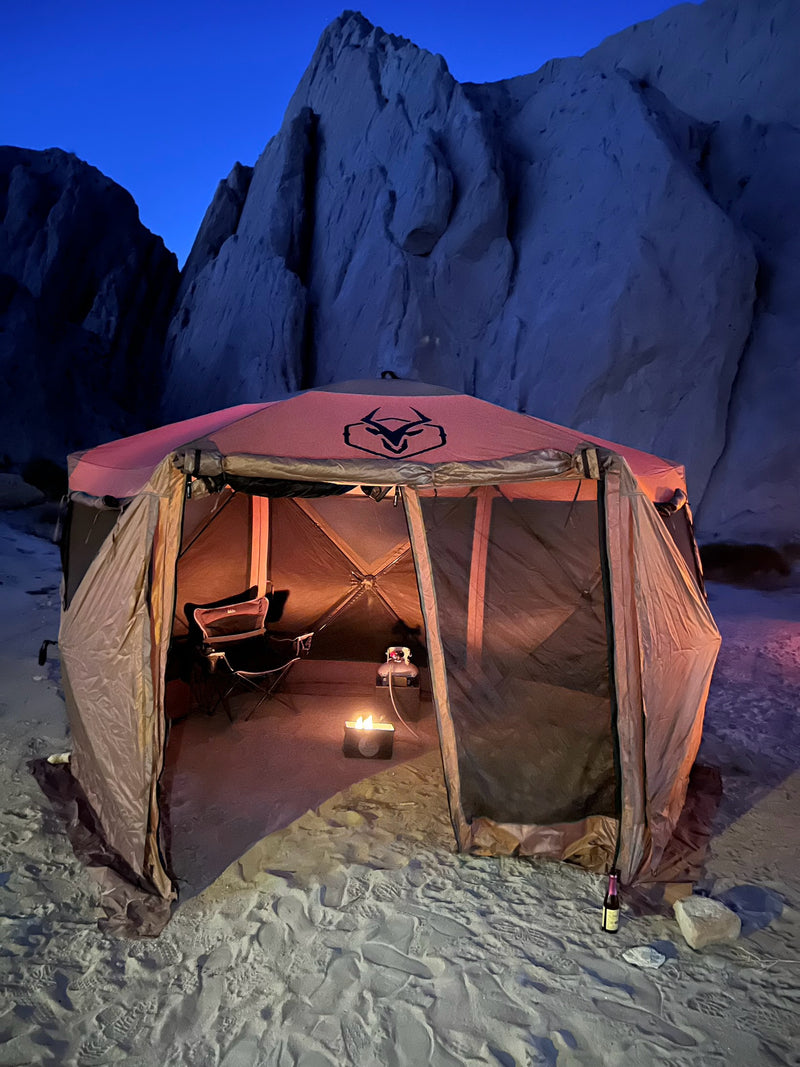
Credit: www.theshowerpouch.com
Managing Heat Inside The Tent
Staying warm inside a tent during winter is essential for comfort and safety. Proper heat management helps keep the cold out and the warmth in.
This guide covers three key ways to manage heat: using body heat wisely, safely using portable heaters, and maintaining ventilation to reduce moisture.
Body Heat Retention
Your body generates heat that can warm the tent if you keep it from escaping. Wearing layers and using insulated sleeping bags helps trap heat close to you.
- Wear thermal clothing and a hat inside the tent.
- Use a sleeping bag rated for cold weather.
- Close the sleeping bag zipper to keep heat inside.
- Keep a dry layer on to prevent heat loss from moisture.
- Use an insulated sleeping pad under your body.
Safe Use Of Portable Heaters
Portable heaters can add warmth but must be used carefully to avoid fire or carbon monoxide risks. Choose models made for tent use and follow all safety steps.
| Heater Type | Safety Tips |
| Propane Heater | Use with proper ventilation and carbon monoxide detector |
| Electric Heater | Ensure power source is safe and dry |
| Battery-Heated Pads | Use inside sleeping bag to avoid open flames |
Ventilation To Prevent Moisture
Ventilation lowers moisture buildup from breathing and sweat. Moist air inside the tent can make you colder and damage gear.
Keep vents or windows slightly open to allow fresh air flow. This reduces condensation and keeps the air dry. Never block airflow when using heaters.
- Open tent vents or mesh panels.
- Keep a small gap in the door flap.
- Use a moisture-wicking liner inside the tent.
Dressing For Warmth
Staying warm inside a winter tent starts with what you wear. The right clothes keep your body heat close.
Choose clothes that trap heat and protect you from cold air. Dressing smart helps you stay cozy all night.
Layering Techniques
Wear several thin layers instead of one thick one. Layers trap warm air between them.
Start with a base layer that fits snugly. Add an insulating middle layer. Use a windproof outer layer.
- Base layer: keeps skin dry by wicking sweat
- Middle layer: traps body heat
- Outer layer: blocks wind and moisture
Choosing Thermal Fabrics
Pick fabrics that keep warmth and dry you fast. Avoid cotton because it holds moisture.
Wool and synthetic materials work best. They keep heat even if wet and dry quickly.
- Merino wool: warm, soft, and moisture-wicking
- Polyester: dries fast and traps heat
- Fleece: light and good for insulation
Keeping Feet And Hands Warm
Cold hands and feet make you feel colder overall. Wear warm socks and gloves inside the tent.
Use wool socks and insulated gloves. Change socks if they get wet to keep feet dry.
- Wear thick wool or synthetic socks
- Use insulated gloves or mittens
- Keep spare dry socks and gloves handy
- Wear a hat to reduce heat loss from your head
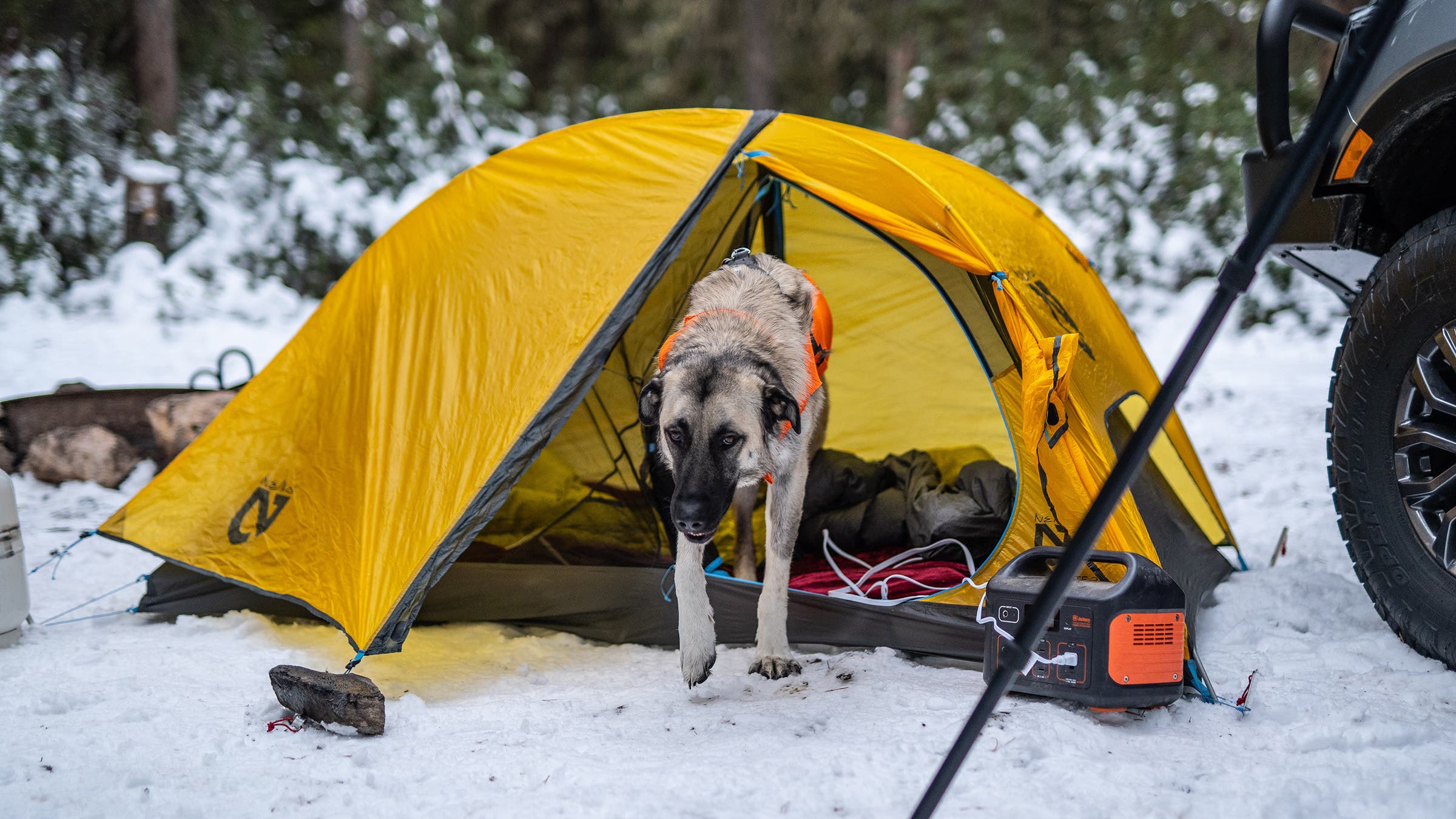
Credit: www.outsideonline.com
Food And Hydration Tips
Staying warm in a winter tent needs good food and water habits. Eating the right foods and drinking enough fluids helps keep your body temperature up.
Cold weather changes how your body uses energy and water. Planning meals and drinks can make a big difference.
Warm Meals For Energy
Warm meals give your body fuel to stay warm. Choose foods that are high in calories and easy to digest. Hot meals also help raise your core temperature.
Try to eat meals with protein, healthy fats, and carbs. These keep your energy steady and prevent chills.
- Soups with beans or meat
- Oatmeal with nuts and dried fruit
- Pasta with olive oil and cheese
- Stews with vegetables and potatoes
- Instant rice with canned tuna or chicken
Hot Drinks Before Bed
Drinking a warm beverage before sleeping helps your body relax and stay warm. It can improve blood flow and comfort during cold nights.
Avoid drinks with caffeine or alcohol. These can make you lose heat faster and disturb sleep.
- Herbal tea like chamomile or peppermint
- Warm milk or milk alternatives
- Hot chocolate with low sugar
- Warm water with lemon and honey
Staying Hydrated In Cold Weather
Cold air can dry your body quickly. Drinking water is important even if you don’t feel thirsty. Dehydration lowers your body’s heat production.
Carry water with you and sip often. Use insulated bottles to prevent freezing. Eating foods with water also helps hydration.
- Drink water regularly throughout the day
- Use warm water to stay comfortable
- Eat fruits like oranges or apples
- Avoid too much caffeine and alcohol
Additional Warmth Hacks
Staying warm in a winter tent can be tough. Using simple hacks helps keep the cold out and heat in.
Try these easy tips to add extra warmth and comfort during your cold camping trips.
Using Hot Water Bottles
Hot water bottles provide lasting heat inside your sleeping bag. Fill them with hot water before bedtime.
- Use a sturdy bottle with a tight lid to avoid leaks.
- Wrap the bottle in a cloth to prevent burns.
- Place the bottle near your feet or torso for best warmth.
- Refill the bottle before sleeping if needed.
Creating A Windbreak
A windbreak stops cold wind from hitting your tent. This reduces heat loss and keeps the tent warmer.
Windbreak Options:
- Set up a tarp or extra fabric on the wind side.
- Use natural features like bushes or rocks.
- Build a snow wall if snow is available.
Pre-warming Your Tent
Warming your tent before entering helps keep heat inside. This makes your tent cozy faster.
| Method | Description |
| Use a Portable Heater | Run a safe tent heater for a short time before sleep. |
| Warm Gear Inside | Bring warm clothes and sleeping bags into the tent early. |
| Sunlight | Open tent flaps during the day to let sunlight warm the inside. |

Credit: m.youtube.com
Frequently Asked Questions
How Can I Keep My Tent Warm In Winter?
Use an insulated sleeping pad and a high-quality sleeping bag. Layer your clothing and use a tent heater safely. Choose a tent with good insulation and minimize ventilation to retain heat.
What Clothing Is Best For Winter Tent Camping?
Wear moisture-wicking base layers, insulating mid-layers, and waterproof outer layers. Avoid cotton. Use warm hats, gloves, and thermal socks to maintain body heat.
Is It Safe To Use Heaters Inside A Tent?
Yes, but only specific tent heaters designed for indoor use. Ensure proper ventilation to avoid carbon monoxide buildup. Never leave heaters unattended to prevent fire risks.
How Can I Prevent Moisture Inside My Tent?
Ventilate your tent slightly to reduce condensation. Use a rainfly and groundsheet to keep water out. Dry wet clothes outside the tent and avoid breathing directly onto tent walls.
Conclusion
Staying warm in a tent during winter is possible. Prioritize good insulation. Use a quality sleeping bag. Layer clothing wisely for extra warmth. Remember to block drafts with a tarp. A small heater can be a helpful addition. Keep your feet and head well-covered.
Hydration helps maintain body heat. Stay dry to avoid feeling cold. Implement these tips for a cozy winter camping experience. Enjoy the beauty of nature without the chill. Happy camping!