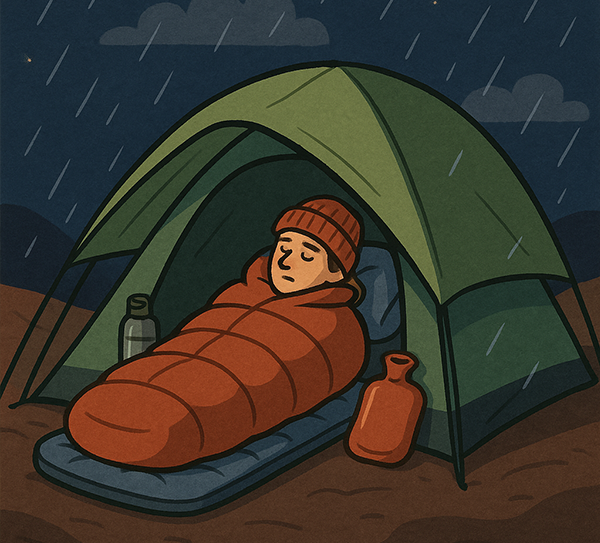
When you’re camping, staying warm inside your tent can make all the difference between a good night’s sleep and a restless, chilly one. You don’t want to wake up shivering or feeling uncomfortable while the cold creeps in.
Luckily, there are simple and effective ways you can keep your tent cozy, no matter how low the temperature drops outside. In this guide, you’ll discover easy tips and tricks that will help you stay warm, comfortable, and ready to enjoy every moment of your outdoor adventure.
Keep reading to learn how to turn your tent into a warm, inviting space you’ll look forward to retreating to after a day in the wild.
Choose The Right Tent
Staying warm in a tent starts with choosing the right one. The right tent can keep you comfortable even in cold weather.
Here are some tips on selecting the best tent for warmth and comfort.
Opt For Four-season Tents
Four-season tents are designed to withstand harsh weather. They offer better insulation and are sturdier against wind and snow.
- Provides extra insulation
- Sturdy frame for heavy winds
- Resistant to snow buildup
Consider Tent Size And Shape
The size and shape of your tent affect warmth. Smaller tents are easier to heat, while dome shapes provide better wind resistance.
| Feature | Benefit |
| Smaller size | Retains heat better |
| Dome shape | Resists wind |
| Extra rooms | More space but harder to warm |
Check Tent Ventilation
Good ventilation prevents condensation inside the tent. Look for tents with adjustable vents and mesh panels.
Custom Tip: Always zip up the vents partially to balance airflow and warmth.
Select Proper Sleeping Gear
Staying warm in a tent depends a lot on your sleeping gear. Choosing the right gear helps you keep heat and stay comfortable.
Good sleeping gear protects you from cold ground and chilly air. It is important to pick items that suit the weather and your needs.
Pick Insulated Sleeping Bags
Insulated sleeping bags keep your body heat inside. Look for sleeping bags made for cold weather or with thick insulation.
Sleeping bags with down or synthetic fill trap warm air. Choose bags with temperature ratings below the expected cold.
Use Sleeping Pads For Insulation
Sleeping pads create a barrier between you and the cold ground. They stop heat loss through the bottom of your sleeping bag.
Foam or inflatable pads add extra warmth and comfort. Thicker pads usually provide better insulation.
- Closed-cell foam pads are durable and warm
- Inflatable pads offer good insulation and comfort
- Check R-value to know how warm a pad is
Add Extra Blankets Or Liners
Extra blankets or liners add warmth inside your sleeping bag. They can be made from fleece or thermal materials.
Use liners to trap more heat and stay cozy. Blankets can also be wrapped around your body for added warmth.
- Fleece liners add soft, warm layers
- Thermal blankets reflect your body heat
- Extra blankets increase insulation in cold conditions
Dress For Warmth
Staying warm in a tent starts with what you wear. Your clothes protect you from cold air and moisture.
Choosing the right clothing helps keep your body heat inside and the cold outside.
Layer Clothing Effectively
Wearing several layers traps warm air between them. This keeps you warmer than one thick layer.
- Start with a thin base layer to keep skin dry.
- Add a middle layer for insulation, like fleece or wool.
- Top with a windproof and waterproof outer layer.
- Adjust layers if you feel too hot or cold.
Wear Moisture-wicking Fabrics
Wet clothes make you colder fast. Choose fabrics that move sweat away from your skin.
| Fabric Type | Benefit |
| Polyester | Dries quickly and wicks moisture |
| Merino Wool | Keeps warm even when wet |
| Nylon | Lightweight and moisture-resistant |
Keep Head And Feet Covered
Heat escapes easily from your head and feet. Cover them well to stay warm.
- Wear a warm hat or beanie inside the tent.
- Use wool or thermal socks to keep feet warm.
- Consider insulated slippers or booties for extra warmth.
- Keep a spare pair of dry socks to change into if needed.

Credit: growattportable.com
Manage Tent Setup Wisely
Staying warm inside your tent starts with a smart setup. You can protect yourself from cold weather by choosing the right location and using proper materials.
Small actions like sealing openings and adding insulation can make a big difference. These tips help keep cold air out and warmth in.
Pitch Tent In Sheltered Spots
Find a spot that blocks wind and rain. Look for natural shields like trees, bushes, or rocks. Avoid open areas or hilltops where cold wind blows strong.
Pitching your tent near a large rock or behind a hill can reduce wind chill. This helps keep the tent warmer and more comfortable.
Use Ground Tarps For Insulation
Place a tarp under your tent floor to block cold from the ground. It adds an extra layer that stops moisture and cold air from seeping inside.
- Choose a tarp slightly smaller than your tent floor.
- Make sure the tarp stays dry and clean.
- Do not let tarp edges stick out to avoid water pooling.
Seal Tent Openings Properly
Close all zippers tightly to keep drafts out. Use tape or fabric strips to cover any holes or gaps in your tent fabric.
| Opening | How to Seal |
|---|---|
| Zippers | Zip fully and double-check for gaps |
| Ventilation Flaps | Close when not needed or cover with extra fabric |
| Tent Seams | Use seam sealer or tape for extra protection |
Use Heat Sources Safely
Keeping warm inside your tent is important during cold weather. Using heat sources can help you stay comfortable. Safety must always come first to avoid accidents or injuries.
Below are safe ways to use common heat sources while camping. Follow these tips to keep your tent warm without risk.
Try Hot Water Bottles
Hot water bottles are a simple, safe way to add warmth. Fill them with hot water before bed and place them inside your sleeping bag. They provide steady heat that lasts for hours.
Always use bottles made of thick, heat-resistant material. Check for leaks before use and keep them away from direct skin contact to avoid burns.
Utilize Portable Heaters
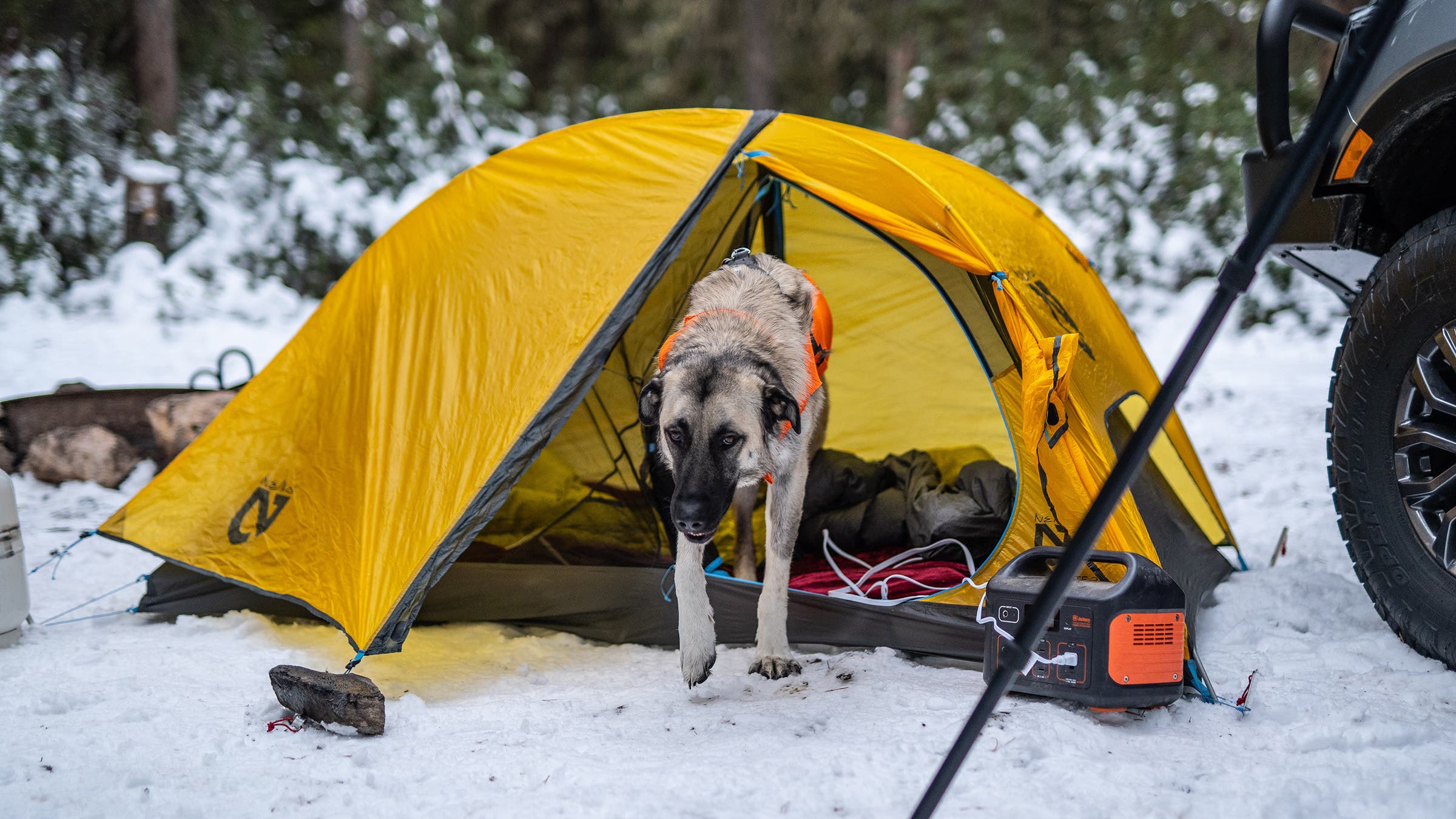
Portable heaters can warm your tent quickly. Use propane or electric heaters designed for indoor camping. Follow the manufacturer’s instructions carefully.
- Keep heaters away from flammable materials like tents and sleeping bags.
- Ensure good ventilation to prevent carbon monoxide buildup.
- Turn off heaters before sleeping or leaving the tent.
- Use heaters with automatic shut-off features for safety.
Build A Safe Campfire
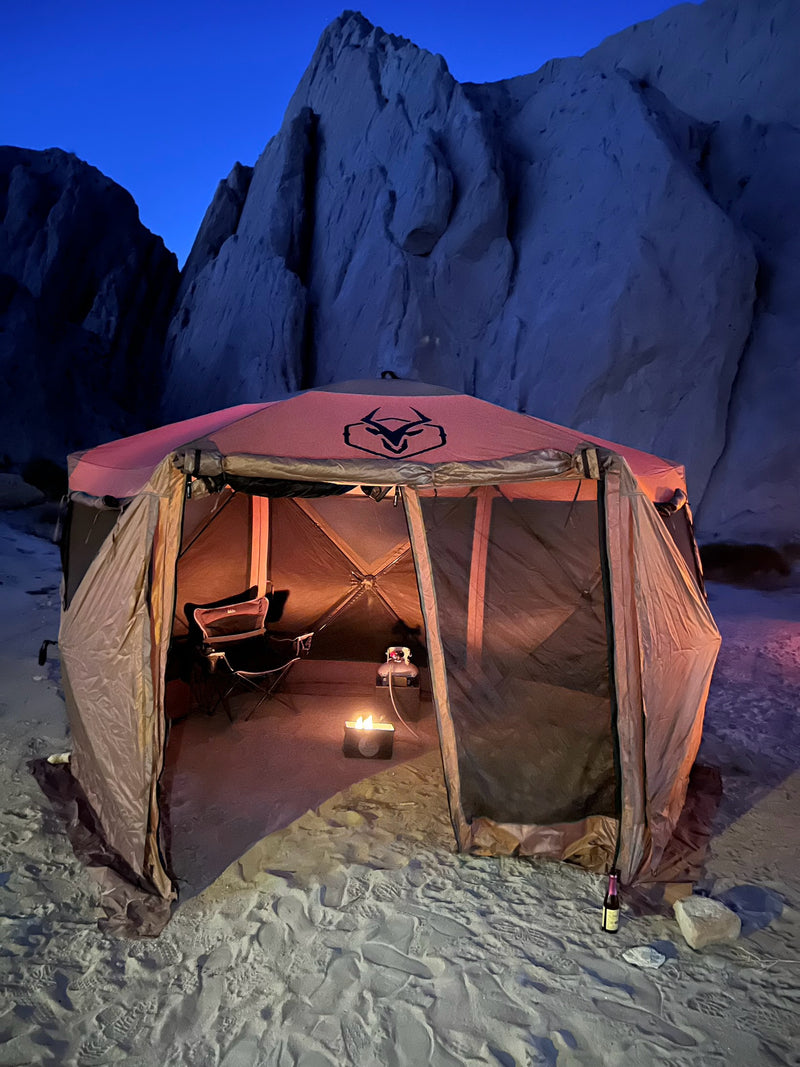
A campfire provides warmth and a cozy atmosphere. Build it at a safe distance from your tent. Clear the area of dry leaves and sticks to avoid spreading fire.
| Safety Tip | Reason |
|---|---|
| Keep fire small | Controls heat and reduces risk |
| Use a fire ring or stones | Contains flames and sparks |
| Never leave fire unattended | Prevents accidents and wildfires |
| Have water or sand nearby | Quickly extinguish fire if needed |
| Extinguish fire fully before sleeping | Stops fire from reigniting |
Credit: www.outsideonline.com
Stay Dry And Avoid Condensation
Staying dry inside a tent keeps you warm and comfortable. Condensation can make your tent wet and cold.
Knowing how to reduce moisture helps prevent dampness and chills. Use simple steps to keep your tent dry.
Keep Gear Dry Inside Tent
Wet gear inside your tent adds moisture to the air. Store wet clothes and boots outside the sleeping area.
Use waterproof bags or containers to keep your items dry. Hang wet items on a line outside if possible.
- Keep wet shoes in a vestibule or outside
- Use dry bags for clothes and sleeping bags
- Keep cooking gear separate from sleeping area
Vent Tent To Reduce Moisture
Ventilation stops moisture build-up inside your tent. Open vents or doors slightly to let fresh air in.
Good airflow lowers condensation on tent walls. Avoid sealing the tent completely, even in cold weather.
- Use tent vents or mesh windows
- Keep doors partially open if safe
- Allow warm, moist air to escape
Avoid Cooking Inside Tent
Cooking inside a tent creates steam and moisture. This moisture collects on walls and gear, making the tent damp.
Cook outside or in a sheltered area to keep your tent dry. Use a stove with a windscreen if needed.
- Cook away from the tent entrance
- Use a small camp kitchen or shelter
- Never use open flames inside the tent
Maintain Body Heat Overnight
Staying warm in a tent at night is important for comfort and safety. Your body loses heat while you sleep. This guide helps you keep your body warm all night.
Simple actions before and during sleep can raise your body temperature. These tips focus on easy ways to keep heat in and avoid chills.
Do Light Exercises Before Bed
Moving your body before sleep helps create heat and improves blood flow. Light exercises warm your muscles and prepare you for a cozy night.
- Stretch your arms and legs gently
- Do simple squats or lunges
- Walk around the campsite for a few minutes
- Try slow jumping jacks without jumping too high
Eat High-energy Snacks
Your body needs fuel to make heat. Eating snacks with good energy before bed helps keep your temperature up during the night.
| Snack Type | Why It Helps |
| Peanut butter on bread | High in healthy fats and protein |
| Trail mix with nuts and dried fruit | Provides quick and long-lasting energy |
| Cheese and crackers | Contains fat and protein for warmth |
| Granola bars | Easy to eat and full of calories |
Stay Hydrated But Avoid Excess
Water helps your body work well and keeps your blood flowing. Drink enough to stay hydrated, but avoid drinking too much before bed.
Too much water can cause you to wake up often. This disturbs your sleep and lowers body heat.
Try to drink water steadily during the day. Limit drinks an hour before sleeping.
Credit: www.theshowerpouch.com
Frequently Asked Questions
How Can I Keep My Tent Warm Overnight?
Use an insulated sleeping pad and a high-quality sleeping bag. Close all vents and use a tent heater safely. Layer your clothing and use heat packs to retain warmth inside the tent.
What Clothing Is Best For Staying Warm In A Tent?
Wear moisture-wicking base layers and insulated mid-layers. Avoid cotton as it traps moisture. Use a warm hat and gloves to prevent heat loss through extremities.
Should I Use A Heater Inside The Tent?
Yes, but only battery-operated or propane heaters designed for tents. Always ensure proper ventilation to avoid carbon monoxide buildup and follow safety instructions carefully.
How Does Tent Insulation Improve Warmth?
Insulation traps body heat and blocks cold air from entering. Use insulated tent liners or blankets on tent walls for added warmth. This helps maintain a cozy temperature inside.
Conclusion
Staying warm in a tent is possible with the right steps. Choose good gear, like a warm sleeping bag and insulated pad. Keep your clothes dry and wear layers. Use a tent that blocks wind and traps heat. Small tricks, like eating before sleep and moving inside the tent, help too.
Enjoy your camping trip without feeling cold. Remember, simple actions make a big difference in staying warm. Stay safe and cozy on your outdoor adventures.