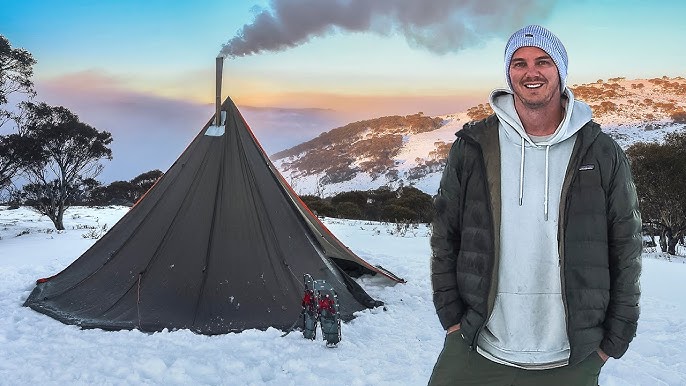
Are you planning a camping trip and worried about staying warm in your tent? You’re not alone.
Many campers, whether seasoned or beginners, face the challenge of keeping cozy when the temperatures drop. But don’t worry; we’ve got you covered! Imagine yourself snuggled up in your sleeping bag, feeling as comfortable as if you were at home, while the crisp night air swirls outside your tent.
Sounds perfect, right? In this guide, you’ll discover practical tips and tricks to ensure that chilly nights don’t put a damper on your outdoor adventure. Stay with us, and you’ll learn exactly how to transform your tent into a warm, welcoming retreat, no matter the weather. Ready to unlock the secrets to a toasty camping experience? Let’s dive in!
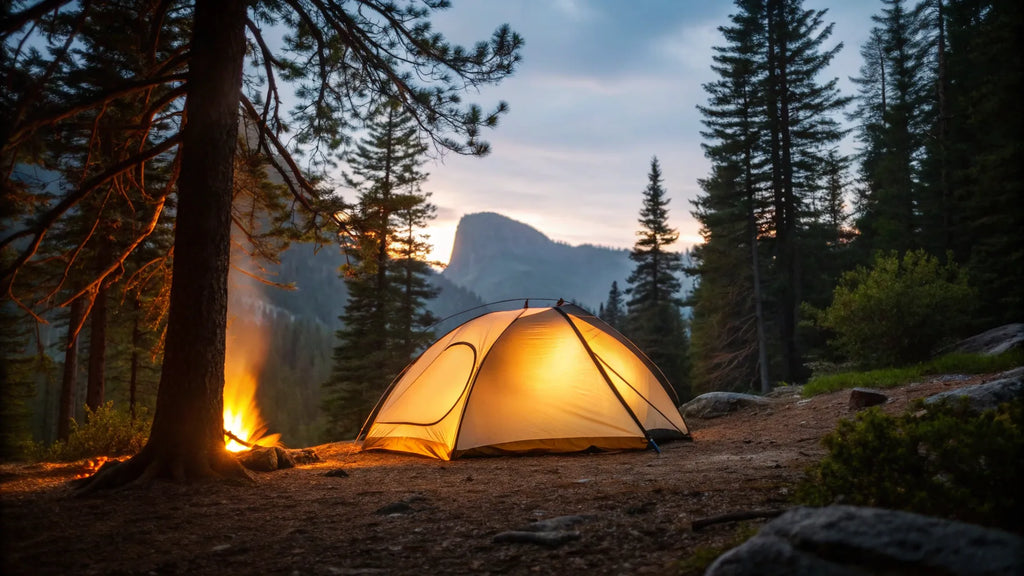
Credit: www.battlbox.com
Choose The Right Tent
Choosing the right tent can keep you warm during cold camping nights. A good tent blocks wind and holds heat inside.
Not all tents protect equally. Look for features that help keep the cold out and warmth in.
Opt For Four-season Tents
Four-season tents are made for cold and windy weather. Their strong materials and design stop cold air from entering.
These tents have extra poles and thicker fabric. They also handle snow and rain better than other tents.
Check Tent Insulation Features
- Look for tents with double walls to trap heat.
- Choose tents with a full rainfly for better protection.
- Check if the tent has a sewn-in groundsheet to block cold from below.
- Find tents with small mesh windows that can close tightly.
Good insulation keeps warm air inside and stops cold air from coming in. It also stops moisture that cools the air.
Consider Tent Size And Ventilation
| Size | Effect on Warmth | Ventilation Tip |
| Small | Holds heat better but may feel cramped | Use vents to avoid moisture buildup |
| Medium | Balance of warmth and space | Keep some vents open for fresh air |
| Large | More space but harder to keep warm | Close vents at night except one for airflow |
Choose a tent size that fits your group. Good ventilation stops condensation, which can make the tent cold and damp.
Pick A Good Campsite
Picking the right campsite is key to staying warm in a tent. The place you choose can block cold winds and keep you safe.
Look around carefully before setting up your tent. A good spot helps keep you warm all night.
Find Natural Windbreaks
Natural windbreaks like trees, bushes, or rocks stop cold wind from hitting your tent. They can make a big difference in keeping the tent warm.
Try to set your tent close to these features but not too close to avoid hazards like falling branches.
- Choose a spot behind thick trees or tall bushes
- Avoid open fields that have no wind protection
- Use large rocks or hills to block wind
Avoid Low-lying Areas
Cold air sinks, so low spots can be very chilly at night. Avoid valleys or dips where cold air collects.
Look for higher ground that stays warmer and dries faster after rain.
- Pick a flat area on a gentle slope
- Stay away from riverbeds or ditches
- Higher spots reduce risk of frost
Use Terrain To Your Advantage
Hills, ridges, and natural shapes can help protect your tent from cold winds. Use the land to create a cozy camp.
Setting your tent with the door facing away from wind helps keep cold air out.
- Place tent near a hill to block wind
- Face tent door away from wind direction
- Use natural depressions for extra shelter
Use Proper Sleeping Gear
Staying warm in a tent is important for a good night’s sleep. Proper sleeping gear helps keep your body heat inside.
Choosing the right items like sleeping bags, pads, and blankets can make a big difference in cold weather.
Select Insulated Sleeping Bags
Use sleeping bags designed for cold weather. Look for insulation types like down or synthetic fill. These traps heat well to keep you warm.
- Choose sleeping bags with a temperature rating below the expected weather.
- Pick mummy-shaped bags to reduce empty space inside.
- Check the bag’s hood to keep your head warm.
Add Sleeping Pads For Comfort
Sleeping pads stop cold from the ground. They add comfort and extra insulation under your sleeping bag.
| Type of Sleeping Pad | Insulation Value (R-Value) | Best Use |
| Foam Pad | 2-3 | Short trips, budget-friendly |
| Air Pad | 3-5 | Lightweight camping |
| Self-Inflating Pad | 4-6 | Cold weather camping |
Layer With Warm Blankets
Adding warm blankets over your sleeping bag gives extra heat. Use wool or fleece blankets for the best warmth.
- Place a blanket under your sleeping bag for more insulation.
- Wrap a blanket around you if you feel cold inside the bag.
- Keep blankets dry to avoid losing heat.
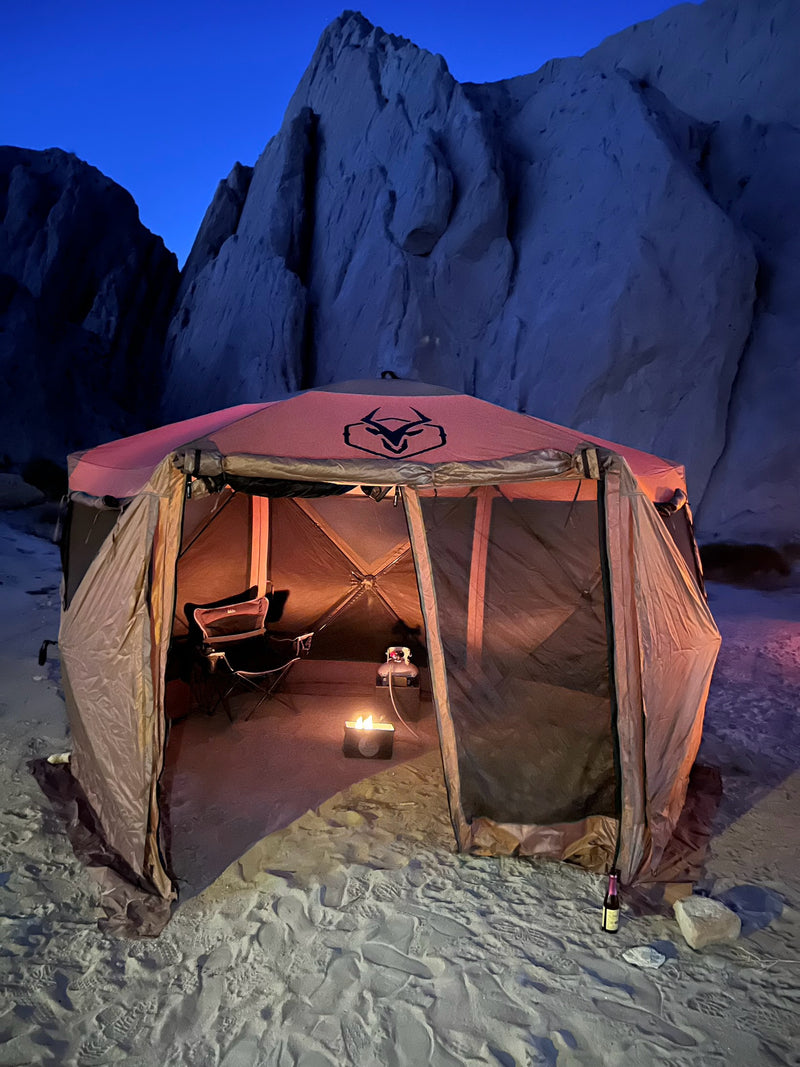
Credit: www.theshowerpouch.com
Wear Appropriate Clothing
Wearing the right clothes helps you stay warm when camping in a tent. Clothes keep your body heat in and block cold air out.
Choosing what to wear is important for comfort and safety in cold weather. Focus on layers, fabric types, and accessories like hats and gloves.
Dress In Layers
Wearing layers lets you adjust your clothes to stay warm or cool. Layers trap heat and keep cold air away from your skin.
Start with a thin base layer, add an insulating middle layer, and finish with a waterproof outer layer if needed.
- Base layer: thin and close to skin
- Middle layer: warm and fluffy
- Outer layer: blocks wind and rain
Choose Moisture-wicking Fabrics
Moisture-wicking fabrics pull sweat away from your skin. This helps keep you dry and warm.
Avoid cotton because it holds water and makes you cold. Look for wool, polyester, or nylon materials instead.
- Wool keeps warmth even when wet
- Polyester dries quickly
- Nylon is lightweight and strong
Keep Hats And Gloves Handy
Your head and hands lose heat fast. Wearing hats and gloves helps keep your whole body warm.
Choose hats that cover your ears and gloves that fit snugly. Carry extras in your backpack for cold nights.
- Wool or fleece hats are warm
- Gloves with insulation keep hands cozy
- Waterproof gloves protect from wetness
Keep Your Body Warm Before Bed
Camping in a tent can get cold at night. Keeping your body warm before bed helps you sleep better. There are simple ways to raise your body heat.
Doing some light exercises, eating warm food, and avoiding certain drinks can help keep you cozy. These tips work well for most campers.
Do Light Exercises
Moving your body raises your temperature. Light exercises increase blood flow and warm your muscles. Try gentle stretching or walking around your campsite.
- Stretch your arms and legs slowly
- Walk in place for a few minutes
- Do gentle jumping jacks or arm circles
- Avoid heavy sweating to stay dry
Consume Warm Food And Drinks
Eating warm meals helps your body create heat. Hot drinks also raise your core temperature. Choose foods and drinks that are easy to prepare while camping.
| Food or Drink | Why It Helps |
| Hot soup | Warms stomach and body |
| Hot chocolate | Provides warmth and energy |
| Warm tea | Raises body temperature gently |
| Cooked grains | Give long-lasting heat |
Avoid Alcohol And Caffeine
Alcohol lowers your core body temperature. Caffeine can make you lose sleep and feel colder later. Avoid these drinks before bedtime to stay warm and rest well.
Tips to avoid cold from drinks:
- Choose herbal teas without caffeine
- Drink water instead of alcohol
- Keep warm drinks in insulated containers
Manage Tent Ventilation
Good ventilation helps keep your tent warm and dry. It lets fresh air in and moisture out.
Managing airflow inside the tent prevents dampness and makes your camping stay more comfortable.
Balance Airflow To Reduce Moisture
Open vents and windows slightly to let fresh air enter the tent. This reduces moisture buildup inside.
Too much airflow can make the tent cold. Too little airflow traps moisture and makes the tent damp.
- Keep vents open but avoid large openings
- Use mesh windows to allow air but block insects
- Adjust airflow based on weather conditions
Prevent Condensation Build-up
Condensation forms when warm air meets cold tent surfaces. It can make gear and sleeping bags wet.
To stop condensation, keep air moving and avoid blocking vents with gear or clothing.
- Place your tent where wind can flow through
- Keep wet clothes outside the tent
- Use a groundsheet to reduce moisture from the ground
Use Heat Sources Safely
Staying warm inside a tent is important for a good camping experience. Using heat sources can help you stay cozy.
It is important to use all heat sources carefully. Safety should always come first to avoid accidents.
Utilize Hot Water Bottles
Hot water bottles are an easy way to keep warm inside your sleeping bag. Fill them with hot water before bed.
Place the hot water bottle near your feet or under your sleeping bag for extra heat. Use a cover to avoid burns.
Consider Portable Tent Heaters
Portable tent heaters can provide steady warmth during cold nights. Choose heaters made for camping use.
| Heater Type | Fuel Source | Key Feature |
| Propane Heater | Propane Gas | Fast heating |
| Electric Heater | Electricity | Safe for enclosed tents |
| Butane Heater | Butane Gas | Compact and light |
Follow Safety Precautions
Using heat sources inside tents needs careful attention. Always follow safety rules to prevent fire or carbon monoxide risks.
- Keep heaters away from flammable materials like sleeping bags and clothes.
- Never leave a heater running unattended inside the tent.
- Ensure proper ventilation to avoid buildup of harmful gases.
- Use carbon monoxide detectors if possible.
- Check all equipment before use to find leaks or damage.
Protect Against Cold Ground
Camping in a tent can get very cold at night. The ground pulls heat away from your body. Protecting yourself from cold ground helps you stay warm and sleep better.
Using the right materials under your tent adds a barrier. This stops cold from coming up through the floor. Adding layers inside your tent gives extra warmth.
Use Ground Tarps Under Tent
Place a ground tarp under your tent to block cold and moisture. A tarp keeps the tent floor dry and adds an extra layer between you and the cold earth.
- Choose a tarp slightly smaller than your tent floor.
- Use waterproof materials like polyethylene or canvas.
- Make sure the tarp lays flat to avoid water pooling.
- Secure the tarp edges to prevent wind from blowing it.
Add Extra Insulation Layers
Extra insulation stops heat from escaping your tent floor. You can use foam pads, rugs, or blankets inside your tent. These layers make your sleeping area warmer and softer.
| Insulation Type | Benefits | Notes |
|---|---|---|
| Foam Sleeping Pads | Blocks cold, comfortable to sleep on | Lightweight and easy to carry |
| Rugs or Carpets | Adds warmth and softness | Heavier but very cozy |
| Blankets or Reflective Mats | Reflects body heat back to you | Use under sleeping bags for best effect |
Stay Dry Throughout The Night
Staying dry is very important for warmth in a tent. Wet clothes and gear make cold worse. You can avoid this by planning well.
Keep your body and gear dry to sleep comfortably. Use smart storage and wear the right clothing.
Keep Gear Organized And Off Ground
Keep your gear in dry bags or containers. Store them off the ground to avoid moisture. Use hooks, shelves, or hang bags inside the tent.
- Use waterproof bags to protect your gear.
- Hang backpacks and clothes from tent poles or hooks.
- Place shoes outside or in a waterproof bag.
- Keep sleeping bags in dry sacks until bedtime.
- Use a groundsheet under your tent to reduce moisture.
Use Waterproof Clothing
Wear waterproof jackets and pants to keep rain and dew off. Choose clothes made from materials that dry fast and block water.
| Clothing Item | Purpose | Material |
| Rain Jacket | Protects upper body from rain | Gore-Tex or similar |
| Waterproof Pants | Keeps legs dry | Polyurethane coated fabric |
| Waterproof Boots | Keeps feet dry | Rubber or treated leather |
| Water-resistant Gloves | Protects hands from moisture | Neoprene or treated fabric |
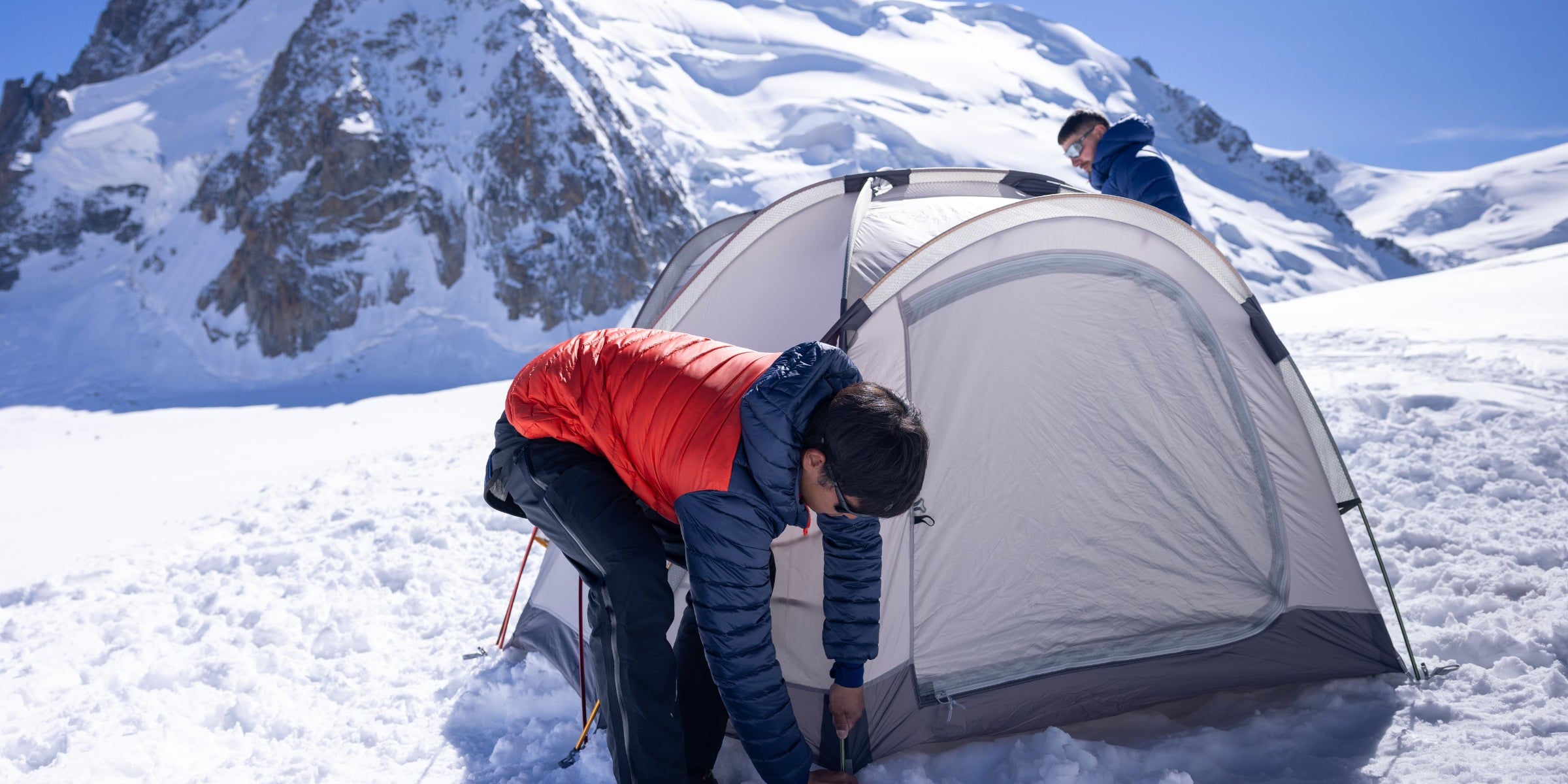
Credit: alpkit.com
Frequently Asked Questions
How Can I Keep My Tent Warm Overnight?
Use an insulated sleeping pad and a high-quality sleeping bag. Layer clothing and close ventilation to retain heat. Avoid moisture inside the tent, which can cause cold.
What Clothing Is Best For Camping In Cold Weather?
Wear moisture-wicking base layers, insulating mid-layers, and a waterproof outer shell. Use hats, gloves, and thermal socks to protect extremities. Avoid cotton as it traps moisture.
Are Portable Heaters Safe For Tent Camping?
Use battery-operated or propane heaters designed for tents. Ensure proper ventilation to prevent carbon monoxide buildup. Always follow manufacturer guidelines and never leave heaters unattended.
How Can I Prevent Moisture Buildup Inside My Tent?
Vent your tent slightly to reduce condensation. Use a rainfly to protect against rain. Avoid drying wet clothes inside the tent to minimize moisture.
Conclusion
Staying warm while camping keeps the trip safe and fun. Dress in layers to trap heat close to your body. Use a good sleeping bag that fits the temperature. Keep your tent dry to avoid cold, damp air. Eat warm meals and drink hot drinks to boost warmth.
Move around before bed to raise your body heat. With these simple tips, cold nights won’t stop your adventure. Enjoy your camping trip with comfort and warmth every night.