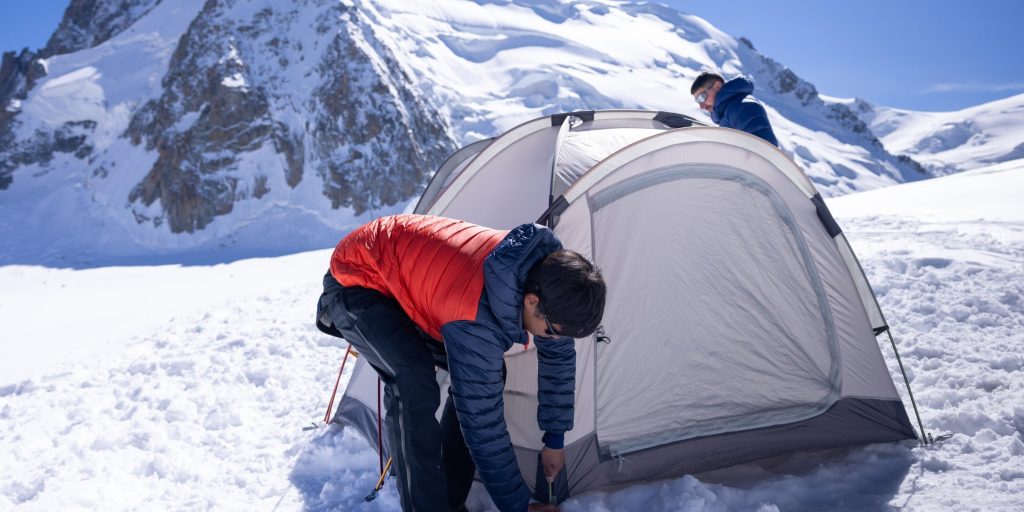
Camping in a tent can be an amazing experience, but staying warm at night can quickly turn it into a challenge. If you’ve ever shivered through a cold night or woken up feeling frozen, you know how uncomfortable it can be.
The good news is, with the right tips and tricks, you can keep cozy and enjoy your outdoor adventure without the chill. You’ll discover simple, effective ways to stay warm while camping in a tent—so you can sleep better, feel more comfortable, and make the most of your time outside.
Keep reading, and say goodbye to cold, restless nights.
Choose The Right Tent
Choosing the right tent helps you stay warm during cold camping nights. A tent that fits your needs can block wind and keep heat inside.
Look for features that improve insulation and ventilation. These will make your tent cozy and safe in chilly weather.
Insulated Tent Options
Insulated tents have extra layers to keep cold out. Some tents use thicker fabric or a double-wall design to trap heat.
- Double-wall tents have an inner and outer layer for better warmth.
- Four-season tents use heavier materials and stronger poles for winter.
- Tents with built-in insulation reduce heat loss and wind chill.
- Look for tents with smaller mesh areas to keep cold air out.
Tent Size And Ventilation
Choosing the right tent size affects warmth. A smaller tent holds heat better than a large one.
| Tent Size | Effect on Warmth | Ventilation Tips |
|---|---|---|
| Small (1-2 people) | Retains heat well | Use vents to reduce moisture |
| Medium (3-4 people) | Good balance of space and warmth | Open vents slightly for airflow |
| Large (5+ people) | Harder to keep warm | Use adjustable vents and covers |
Select Proper Sleeping Gear
Staying warm in a tent is crucial for a good camping experience. Choosing the right sleeping gear helps keep you comfortable at night.
Let’s explore the best sleeping bags, sleeping pads, and additional layers to stay warm.
Sleeping Bags For Cold Weather
Sleeping bags designed for cold weather are essential. They trap heat and keep you cozy.
Look for bags with a low temperature rating. Mummy-shaped bags are often warmer.
- Check the temperature rating of the sleeping bag
- Consider a mummy-shaped bag for better warmth
- Choose insulated materials like down or synthetic
Use Of Sleeping Pads
Sleeping pads provide insulation from the cold ground. They are also comfortable.
Different types of pads offer various levels of warmth. Consider the R-value when choosing.
- Select a pad with a high R-value for better insulation
- Foam pads are lighter but less warm than air pads
- Inflatable pads can be compact and warm
Additional Blankets And Liners
Extra blankets and liners add warmth to your sleeping setup. They are easy to pack.
Use these items to adjust warmth as needed. Liners can also keep your sleeping bag clean.
- Pack a lightweight blanket for extra warmth
- Use a sleeping bag liner to increase warmth by a few degrees
- Choose materials like fleece for added comfort
Dress In Layers
Staying warm while camping starts with dressing in layers. Layers trap heat and keep cold air out.
Each layer has a job. Together, they protect you from cold and wind.
Base Layers For Warmth
Base layers sit next to your skin. They keep you dry by moving sweat away.
- Choose materials like wool or synthetic fabrics.
- Avoid cotton because it traps moisture.
- Wear a snug fit to keep heat close.
Insulating Mid Layers
Mid layers add warmth by trapping body heat. They work best if they are breathable.
| Material | Warmth | Weight |
|---|---|---|
| Fleece | Good | Light |
| Down | Very Warm | Very Light |
| Synthetic Insulation | Warm | Light to Medium |
Protective Outer Layers
Outer layers block wind, rain, and snow. They keep the inner layers dry.
Look for these features in outer layers:
- Waterproof or water-resistant fabric
- Windproof material
- Adjustable hoods and cuffs
- Breathability to prevent sweating

Credit: hilltoppacks.com
Optimize Tent Setup
Staying warm in a tent while camping needs good planning. A proper tent setup helps keep the cold air out.
Use simple ways to make your tent cozy. These tips will help you stay warm during chilly nights.
Pick A Sheltered Campsite
Choose a campsite protected from strong winds. Look for natural barriers like trees or rocks.
A sheltered spot blocks cold air and keeps your tent warmer. Avoid open areas or hilltops.
Use Ground Tarps
Place a ground tarp under your tent. It adds an extra layer between you and the cold ground.
Tarps protect your tent’s floor from moisture and keep warmth inside. Make sure the tarp fits well.
Block Wind Exposure
Set up windbreaks around your tent. Use natural objects or camping gear to block the wind.
Wind can lower the temperature inside your tent quickly. Blocking it helps keep the air warm and still.
Utilize Heat Sources Safely
Staying warm is key for a safe and fun camping trip. Using heat sources inside or near your tent takes care and knowledge.
Learn how to use heat safely to avoid accidents and keep your tent cozy during cold nights.
Campfires And Their Limits
Campfires provide warmth and light but have limits. Keep campfires outside the tent and far from flammable gear.
- Always clear dry leaves and grass around the fire.
- Never leave a campfire unattended.
- Extinguish the fire completely before sleeping or leaving.
- Use only designated fire pits if available.
- Keep water or sand nearby to put out the fire.
Portable Heaters And Heat Packs
Portable heaters and heat packs can add warmth inside your tent. Use only those made for indoor camping and follow instructions carefully.
| Heat Source | Safety Tips |
| Battery-powered heater | Keep away from sleeping bags and fabrics |
| Chemical heat packs | Do not open packs or place directly on skin |
| Propane heater | Use only with proper ventilation to avoid carbon monoxide |
Warm Water Bottles
Warm water bottles provide gentle, lasting heat. Fill with hot water and seal tightly before placing inside your sleeping bag.
- Use a durable bottle to avoid leaks.
- Wrap the bottle in a cloth to prevent burns.
- Do not fill with boiling water; hot tap water is safer.
- Check the bottle regularly for signs of wear.
Maintain Body Heat
Camping in a tent can get cold, especially at night. Keeping your body warm is very important. Your body heat helps you stay comfortable and safe.
There are simple ways to keep your body heat high. These tips help you stay warm and enjoy your camping trip.
Stay Dry And Avoid Sweat
Wet clothes make you lose heat fast. Sweat can cool your body and cause chills. Wear clothes that keep moisture away from your skin.
Use layers you can remove if you get too warm. Change out of wet clothes as soon as possible. Staying dry keeps your body heat steady.
Keep Moving Before Sleep
Moving your body creates heat. Do light exercises before going to bed. This helps warm your blood and muscles.
Walk around or do jumping jacks for a few minutes. Avoid sweating too much, but stay active enough to feel warm.
Eat High-calorie Foods
Your body needs energy to produce heat. Eating high-calorie foods gives your body fuel. Choose foods rich in fats and carbohydrates.
Snacks like nuts, cheese, and chocolate help keep your body warm. Eat a good meal before sleeping to keep heat all night.
Manage Moisture And Condensation
Camping in a tent can get cold and damp if moisture is not controlled. Moisture comes from your breath, sweat, and wet gear inside the tent. Managing this moisture helps you stay warm and comfortable.
Condensation forms when warm air meets cold surfaces inside the tent. This can make your sleeping area wet and cold. You need to reduce moisture buildup to keep the tent dry.
Ventilation Techniques
Good airflow stops moisture from building up inside your tent. Open vents or windows slightly to let fresh air in. This helps warm, damp air escape and reduces condensation.
Keep vents open even during cold nights. You can cover openings with mesh to stop bugs. Proper ventilation works best when air moves through the tent from one side to the other.
- Open tent vents or windows
- Use mesh covers to block insects
- Arrange tent for cross-ventilation
- Keep vents open during sleep
Preventing Dampness Inside Tent
Keep wet clothes and gear outside or in a separate area. Wet items add moisture and make the tent damp. Use a vestibule or waterproof bag to store wet gear.
Use a groundsheet or footprint under your tent. This stops water from seeping up. Also, dry your sleeping bag and clothes before sleeping. This keeps you warm and dry all night.
- Store wet items outside the tent
- Use a groundsheet under the tent
- Dry clothes and sleeping bag before bed
- Wipe down condensation inside tent walls

Credit: growattportable.com

Credit: blog.whiteduckoutdoors.com
Frequently Asked Questions
How Can I Keep Warm Inside A Tent While Camping?
Use insulated sleeping bags and sleeping pads to retain body heat. Dress in layers, wear a hat, and use hot water bottles for extra warmth. Close tent flaps tightly to prevent drafts and consider using a tent heater safely.
What Type Of Sleeping Bag Is Best For Cold Camping?
Choose a sleeping bag rated for temperatures lower than expected. Mummy-shaped bags trap heat efficiently. Look for down or synthetic insulation, as both provide excellent warmth and compressibility for camping in cold weather.
How Does Layering Clothing Help Stay Warm Camping?
Layering traps heat between clothes and allows moisture to escape. Start with a moisture-wicking base layer, add an insulating middle layer, and finish with a waterproof outer shell. This system keeps you warm, dry, and comfortable in cold conditions.
Can Tent Placement Affect Warmth While Camping?
Yes, place your tent in a sheltered area away from wind. Avoid low spots where cold air settles. Use natural windbreaks like trees or rocks to reduce heat loss and improve comfort during chilly nights.
Conclusion
Staying warm in a tent keeps your camping trip fun and safe. Dress in layers to trap your body heat. Use a good sleeping bag suited for cold weather. Keep your tent dry and block wind with a tarp. Drink warm liquids and eat energy-rich food.
Small heaters or hot water bottles add extra warmth. Plan ahead and prepare for chilly nights. Warmth makes your outdoor adventure cozy and comfortable. Enjoy nature without shivering or discomfort. Simple steps help you stay warm and happy camping.