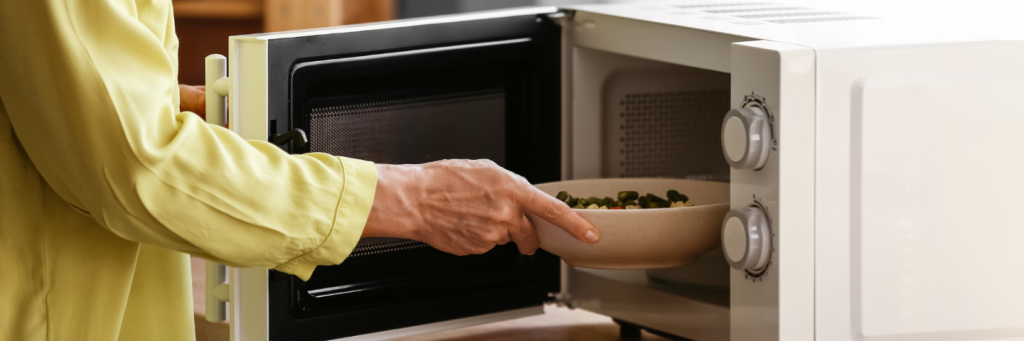
Have you ever wanted perfectly steamed veggies or fish but thought it would take too much time or effort? What if you could do it quickly, easily, and without extra gadgets?
Steaming in your microwave oven is a simple trick that can change the way you cook. You’ll discover step-by-step how to steam your favorite foods using just your microwave. Get ready to unlock faster, healthier meals with minimal cleanup—your taste buds and busy schedule will thank you! Keep reading to learn how to master this effortless cooking method.
Benefits Of Microwave Steaming
Steaming food in a microwave saves time and keeps nutrients intact. It uses less water, making meals healthier and tastier. This quick method also reduces cleanup and energy use.
Microwave steaming offers a host of benefits. This method is quick and efficient, making it ideal for busy households. Not only does it save time, but it also helps retain the nutrients in your food. Let’s dive into the specific advantages of microwave steaming.Faster Cooking Times
Microwave steaming significantly reduces cooking times. Traditional methods take longer. The microwave heats food quickly, allowing you to prepare meals in minutes. This speed is perfect for those with tight schedules. You can enjoy a hot meal without the long wait.Nutrient Retention
Steaming in the microwave helps preserve nutrients. Boiling can cause nutrient loss. The microwave method uses less water, keeping vitamins intact. Your food remains healthy and flavorful. A perfect choice for health-conscious individuals.Energy Efficiency
Using a microwave for steaming is energy efficient. It consumes less power than conventional cooking methods. The microwave heats only the food, not the entire kitchen. This efficiency can lead to lower energy bills. A smart choice for eco-friendly cooking.Choosing The Right Microwave Steamer
Choosing the right microwave steamer can make a huge difference in how effectively and conveniently you steam your food. The perfect steamer saves time, retains nutrients, and fits well in your kitchen setup. Think about how often you’ll use it and what types of food you plan to steam before making your choice.
Types Of Steamers
Microwave steamers come in several styles, each with its own benefits. There are simple plastic containers with vented lids that are budget-friendly and easy to use. Then, you have more advanced steamers with multiple stackable tiers, allowing you to cook different foods simultaneously.
Have you considered whether you want a one-piece steamer or a multi-tiered one for cooking variety? Some steamers include baskets or trays that keep your food elevated above the water, which enhances steam circulation and results.
Material Considerations
Look for microwave steamers made from BPA-free plastic or glass. BPA-free plastic steamers are lightweight and generally cheaper, but they might absorb odors or stain over time. Glass steamers don’t retain smells and are easier to clean but can be heavier and more fragile.
Think about how durable you want your steamer to be and if you’re comfortable handling glass in the microwave. Also, check if the materials can withstand high temperatures and are dishwasher safe to simplify cleanup.
Capacity And Size
Choose a steamer size that matches the amount of food you usually prepare. If you cook for one or two people, a compact steamer is perfect and saves storage space. For larger families or meal prepping, a bigger steamer with more capacity will save you time.
Have you measured your microwave’s interior space? Ensuring your steamer fits comfortably inside is crucial to avoid any mishaps during cooking. Don’t forget to consider the steamer’s height and width for easy handling and storage.
Preparing Food For Steaming
Getting your food ready for steaming in the microwave is the key to a delicious, evenly cooked meal. How you cut and arrange your ingredients affects cooking time and texture. Adding the right amount of water and seasoning can turn simple steamed food into something flavorful and satisfying.
Cutting And Arranging
Cut your vegetables or proteins into uniform pieces. This helps them cook evenly and prevents some parts from being underdone while others are overcooked.
Arrange the pieces in a single layer inside the microwave-safe dish. Avoid overcrowding because steam needs space to circulate and cook your food thoroughly.
Adding Water
Add enough water to create steam but not so much that your food becomes soggy. Usually, 2 to 4 tablespoons of water is sufficient for most dishes.
Place the water at the bottom of the dish or use a microwave-safe steaming basket above the water. This keeps your food out of direct contact with the water, preserving texture and flavor.
Seasoning Tips
Lightly season your food before steaming to enhance natural flavors. A pinch of salt, a squeeze of lemon, or a sprinkle of herbs can make a big difference.
Think about seasoning layers. You can add some spices before steaming and finish with fresh herbs or a drizzle of olive oil afterward for extra depth.

Credit: www.youtube.com
Step-by-step Steaming Process
Steaming food in a microwave is quick and healthy. It keeps nutrients and flavors intact. Follow this simple process for perfect results every time. Understanding the microwave settings and timing makes a big difference.
Setting Microwave Power Levels
Use medium or medium-high power for steaming. High power can overcook or dry out food. Low power may take too long and waste energy. Adjust power based on the food type and quantity. Most microwaves have power levels from 1 to 10. Level 5 or 6 works well for steaming vegetables and fish.
Timing Guidelines
Steaming time depends on the food and its amount. Small vegetables like broccoli take 2 to 3 minutes. Larger pieces or denser vegetables need 4 to 6 minutes. Check food halfway through to avoid overcooking. Add 30-second intervals if the food needs more time. Always let food rest for a minute after steaming; it continues to cook gently.
Covering And Venting
Cover food with a microwave-safe lid or plate. Use a vented cover or leave a small gap for steam to escape. This prevents pressure build-up and uneven cooking. Avoid sealing the container tightly. Proper venting keeps food moist and prevents splatters. Use microwave-safe plastic wrap if no lid is available, leaving a small corner open.
Common Foods To Steam In Microwave
Steaming food in a microwave is quick and keeps nutrients intact. Many foods cook well this way. It uses steam to soften and cook food evenly. This method works great for everyday meals. Here are some common foods to steam in a microwave.
Vegetables
Vegetables stay crisp and colorful when steamed. Popular choices include:
- Broccoli
- Carrots
- Green beans
- Peas
- Cauliflower
Cut vegetables into small pieces for even cooking. Add a little water and cover to trap steam. Check often to avoid overcooking.
Seafood
Seafood cooks fast and stays tender with steaming. You can steam:
- Fish fillets
- Shrimp
- Scallops
Place seafood in a microwave-safe dish with a bit of water or broth. Cover tightly to keep moisture. Watch time carefully; seafood cooks quickly.
Rice And Grains
Steaming rice and grains in a microwave saves time. Try steaming:
- White rice
- Brown rice
- Quinoa
- Bulgur
Use the right water-to-grain ratio. Cover with a microwave-safe lid or wrap. Let it steam after cooking to finish softening grains.
Credit: www.kitchenaid.com
Troubleshooting Steam Cooking Issues
Steam cooking in a microwave can be a quick and healthy way to prepare meals. However, you might face some common issues that affect the quality of your food. Understanding these problems helps you fix them quickly and improve your cooking results.
Uneven Cooking
Uneven cooking happens when some parts of your food are hot while others remain cold or undercooked. This usually occurs because microwaves heat unevenly, especially with dense or thick items.
To fix this, try cutting food into smaller, uniform pieces. Stir or rotate the dish halfway through cooking to distribute heat more evenly. Using a microwave-safe steamer with a lid helps trap steam and promote consistent cooking.
Excess Moisture
Sometimes, steaming in the microwave leaves your food soggy or watery. Excess moisture dilutes flavors and can make vegetables mushy instead of crisp-tender.
Make sure to drain any water collected at the bottom before serving. Use vented lids or slightly open covers to let steam escape without drying out your food. Adjust cooking time and power settings to avoid generating too much steam.
Overcooking
Overcooking can turn your perfectly steamed veggies into limp, flavorless mush. Microwaves cook fast, so it’s easy to overshoot the ideal time.
Check food frequently and reduce cooking time if needed. Use short bursts of cooking and test texture in between. Remember, food continues to cook slightly after you remove it from the microwave, so it’s better to stop just before it seems done.
Cleaning And Maintenance Tips
Proper cleaning and maintenance keep your microwave steamer working well and safe. Regular care stops buildup and bad smells. It also helps the steamer last longer and cook food better. Follow simple steps to keep your steaming tools and microwave in top shape.
Cleaning Steamers
Remove food bits after each use. Wash the steamer with warm, soapy water. Use a soft sponge to avoid scratches. Rinse well to remove soap. Dry it completely before storing. For tough stains, soak the steamer in vinegar and water. Avoid harsh chemicals that can damage the plastic or metal parts.
Microwave Care
Wipe the microwave interior with a damp cloth after each use. Use a mixture of water and lemon juice to clean and freshen. Avoid using abrasive pads or cleaners. Check the door seal for cracks or dirt. Clean the turntable and any removable parts regularly. Keep vents clear to prevent overheating. Unplug the microwave before cleaning inside.
Preventing Odors
Steam lemon slices or vinegar inside the microwave to neutralize smells. Leave the microwave door open after use to air it out. Store the steamer dry and in a ventilated area. Clean spills immediately to prevent smell buildup. Use baking soda inside the microwave overnight to absorb odors. Regular cleaning stops strong smells from developing.
Credit: www.whirlpool.com
Frequently Asked Questions
How Do You Steam Vegetables In A Microwave Oven?
Place chopped vegetables in a microwave-safe bowl. Add a few tablespoons of water. Cover with a microwave-safe lid or plastic wrap. Microwave on high for 3-5 minutes. Check for tenderness and cook longer if needed. Drain and serve immediately for best taste.
What Containers Are Best For Microwaving Steam Food?
Use microwave-safe glass or BPA-free plastic containers. Avoid metal and non-microwave-safe plastics. Containers with vented lids work best to release steam. Ensure the container is large enough to hold the food and water. This prevents spills and uneven cooking during steaming.
Can You Steam Fish In A Microwave Oven?
Yes, place fish in a microwave-safe dish with a little water or broth. Cover loosely to allow steam to escape. Microwave on medium power for 3-4 minutes. Check for doneness; fish should be opaque and flaky. Adjust time based on fish thickness.
How Much Water Is Needed To Steam In Microwave?
Typically, 2-4 tablespoons of water are enough to generate steam. The water creates steam that cooks food evenly. Too much water can cause sogginess; too little may burn the food. Adjust water quantity based on food volume and container size.
Conclusion
Steaming food in a microwave saves time and keeps meals healthy. It uses water and heat to cook food gently. You only need a microwave-safe container and some water. This method works well for vegetables, fish, and rice. It keeps nutrients and flavor locked in.
Try steaming next time for a quick, easy meal. Simple steps lead to tasty results. Give it a shot and enjoy fresh, warm food fast.