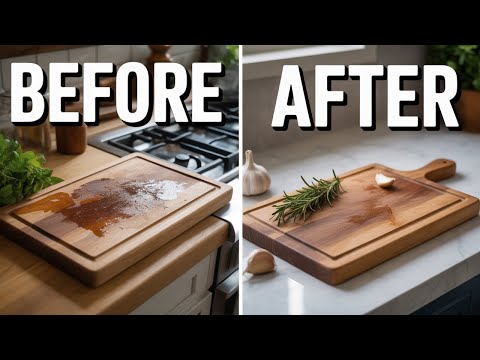
Your wooden cutting board is a kitchen essential, but do you know how to keep it truly clean and safe? Simply rinsing it with water isn’t enough to remove harmful bacteria that can cause illness.
If you want to protect your health and extend the life of your cutting board, learning how to sterilize it properly is a must. You’ll discover easy, effective methods to sanitize your wooden cutting board so you can cook with confidence every time.
Keep reading to find out how simple steps can make a big difference in your kitchen hygiene.
Importance Of Sterilizing Wooden Cutting Boards
Wooden cutting boards can hold bacteria if not cleaned well. Sterilizing keeps them safe to use.
Regular sterilizing stops food poisoning and keeps your kitchen healthy.
Preventing Bacterial Growth
Wood is porous and can trap germs inside. Sterilizing kills these germs and stops them from growing.
Without sterilizing, harmful bacteria can spread to food and cause illness.
Maintaining Food Safety
Clean cutting boards reduce the risk of cross-contamination. This keeps food safe to eat.
Sterilizing removes germs from raw meat, vegetables, and fruits on the board’s surface.
Extending The Life Of The Board
Proper cleaning and sterilizing prevent damage to wood. This makes the board last longer.
Boards that stay clean do not crack or warp easily, keeping them strong and safe.
Keeping Your Kitchen Hygienic
Sterilizing cutting boards helps keep your kitchen clean and fresh. It lowers bad smells and stains.
A clean cutting board shows good hygiene habits and protects your family’s health.

Credit: homewithgraceandjoy.com
Materials Needed For Sterilization
Sterilizing a wooden cutting board keeps it clean and safe for food preparation.
Using the right materials helps remove bacteria and stains effectively.
Soap And Warm Water
Mild dish soap and warm water are essential to clean the surface before sterilizing.
White Vinegar
White vinegar works as a natural disinfectant to kill germs on the board.
Hydrogen Peroxide
Hydrogen peroxide helps to sterilize the cutting board by breaking down bacteria.
Coarse Salt And Lemon
Coarse salt and lemon scrub the surface and remove odors and stains naturally.
- Coarse salt for scrubbing
- Fresh lemon cut in half
Clean Cloth Or Sponge
Use a clean cloth or sponge to apply cleaning agents and wipe the board dry.
Optional: Mineral Oil
Mineral oil helps protect the wood after sterilization and keeps it from drying out.
| Material | Purpose |
| Soap and Warm Water | Initial cleaning |
| White Vinegar | Natural disinfectant |
| Hydrogen Peroxide | Kills bacteria |
| Coarse Salt and Lemon | Scrubs and removes stains |
| Clean Cloth or Sponge | Application and drying |
| Mineral Oil (optional) | Protects and conditions wood |
Cleaning The Surface
Keeping your wooden cutting board clean is important to stop germs. Dirt and food bits can stay on the board if not cleaned well.
This guide helps you clean your wooden board safely. It shows easy ways to remove food and wash the surface.
Removing Food Residue
First, clear away leftover food from the board. This stops bacteria from growing and keeps the board safe to use.
- Use a bench scraper or spatula to lift stuck food.
- Wipe the surface with a dry cloth to catch small crumbs.
- Turn the board on its side and tap gently to remove loose bits.
- Inspect the surface to make sure no food remains.
Using Warm Soapy Water
Cleaning with warm soapy water removes oils and germs from the wood. Use gentle soap to protect the board.
| Cleaning Step | Details |
| Prepare Water | Mix warm water with mild dish soap |
| Scrub Board | Use a soft sponge or cloth to clean the surface |
| Rinse | Wash off soap with clean warm water |
| Dry | Use a towel to dry or air dry standing up |
Natural Sterilization Methods
Wooden cutting boards can hold bacteria if not cleaned properly. Using natural sterilization keeps your board safe and fresh.
These methods use common kitchen items. They are gentle on wood and effective at killing germs.
Vinegar And Baking Soda
White vinegar is a natural disinfectant. Baking soda helps remove stains and odors from wood.
Sprinkle baking soda on the board, then spray or pour vinegar over it. Let it fizz and sit for a few minutes.
- Scrub the surface gently with a sponge.
- Rinse well with warm water.
- Dry the board completely with a clean towel.
Lemon And Salt
Lemon juice has natural acids that kill bacteria. Salt acts as a scrub to clean the wood deeply.
Cut a lemon in half and dip it in coarse salt. Rub the lemon over the cutting board’s surface.
- Let the lemon juice and salt sit for five minutes.
- Rinse the board with warm water.
- Dry the board well before storing.
Using Chemical Disinfectants
Chemical disinfectants help kill germs on wooden cutting boards. They provide a deep clean beyond regular washing.
Using the right disinfectant and method keeps your board safe and lasts longer.
Choosing Safe Products
Select disinfectants that do not damage wood or leave harmful residues. Avoid harsh bleach or strong acids.
- Use food-safe sanitizers labeled for kitchen use
- Choose products with natural ingredients like vinegar or hydrogen peroxide
- Check product labels for wood compatibility
- Test disinfectants on a small board area first
- Never mix different chemicals to avoid toxic fumes
Application Techniques
Proper application ensures disinfectants work well without harming the wood.
| Step | Action | Details |
|---|---|---|
| 1 | Clean Board | Wash with hot, soapy water and rinse well |
| 2 | Apply Disinfectant | Spray or wipe evenly over the surface |
| 3 | Let Sit | Wait 5 to 10 minutes for full effect |
| 4 | Rinse Off | Use clean water to remove chemical residue |
| 5 | Dry Thoroughly | Air dry or towel dry to prevent wood damage |
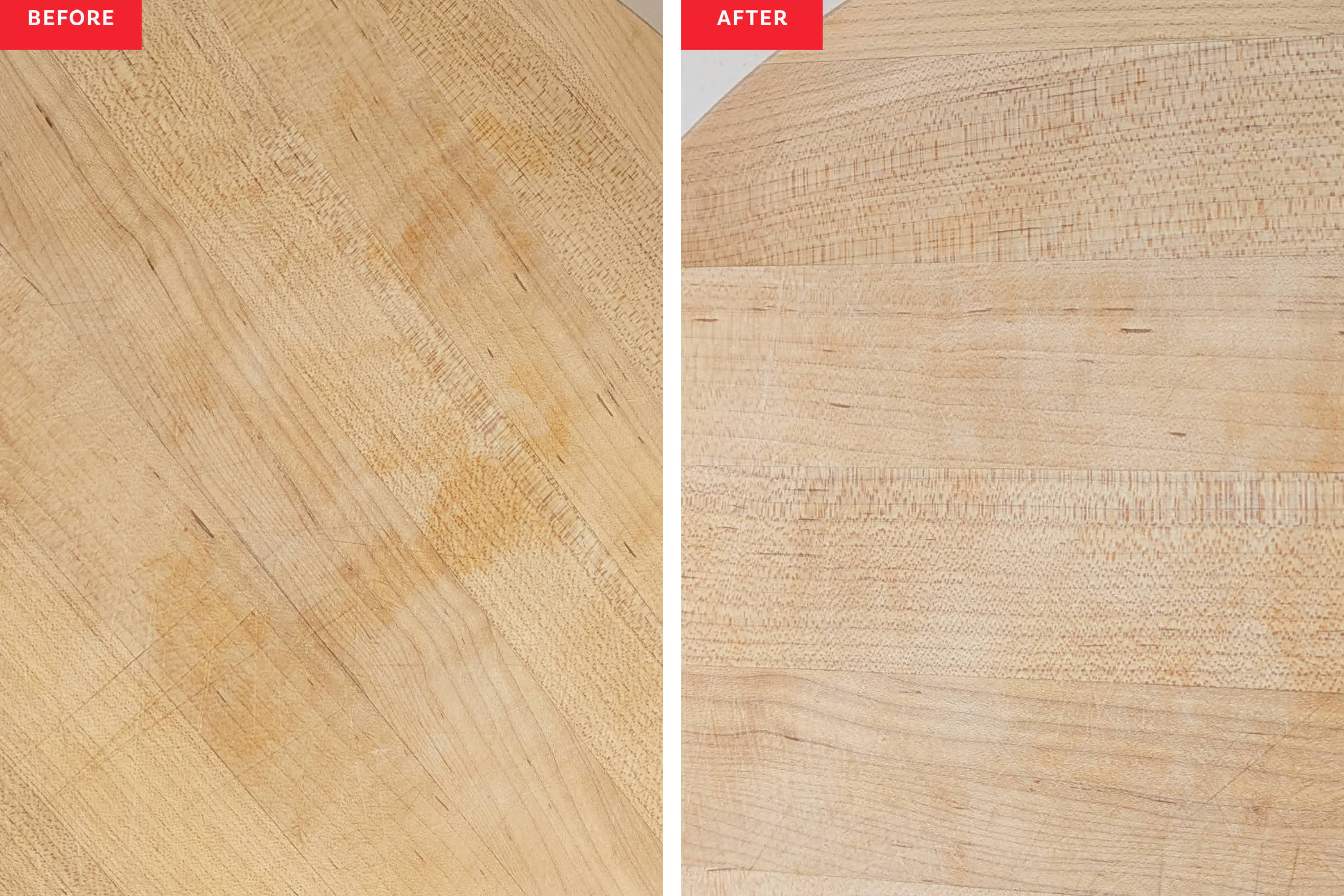
Credit: www.thekitchn.com
Drying And Storing Properly
Keeping a wooden cutting board clean means drying and storing it right. Wet boards can grow bacteria and crack over time.
Proper drying and storage help your board last longer and stay safe for food use.
Air Drying Techniques
Air drying is the best way to remove moisture from a wooden cutting board. Let the board stand upright or on its side.
This lets air flow around all sides and helps it dry evenly. Avoid stacking boards while drying.
- Place the board in a dish rack or stand it on its edge.
- Make sure both sides get enough air exposure.
- Do not lay the board flat on a wet surface.
- Keep the board in a well-ventilated area.
Avoiding Moisture Retention
Moisture trapped in wood causes warping and bacteria. Dry the board fully before storing.
Store the board in a dry place away from sinks and damp areas. Use a breathable cover if needed.
- Never seal a wet board in plastic or airtight containers.
- Keep the board away from heat sources that dry too fast and cause cracks.
- Regularly oil the board to repel water and reduce damage.
Maintenance Tips For Longevity
Wooden cutting boards need care to stay clean and last long. Proper maintenance keeps them safe for food and prevents cracking or warping.
Below are key tips to help you keep your wooden cutting board in great shape for years.
Regular Oil Treatments
Oiling your cutting board prevents wood from drying out and cracking. Use food-safe mineral oil for the best results.
- Apply oil once a month or when the board looks dry.
- Pour a small amount of oil on the surface.
- Rub oil evenly with a clean cloth or paper towel.
- Let the oil soak in for several hours or overnight.
- Wipe off any extra oil before use.
Inspecting For Damage
Check your cutting board often for cracks, deep cuts, or warping. These issues can harbor bacteria and reduce board life.
| Type of Damage | Signs to Look For | Action Needed |
| Cracks | Visible splits in wood | Sand lightly or replace board |
| Deep Cuts | Grooves that trap food | Sand surface smooth |
| Warping | Board does not lie flat | Try flattening or replace board |
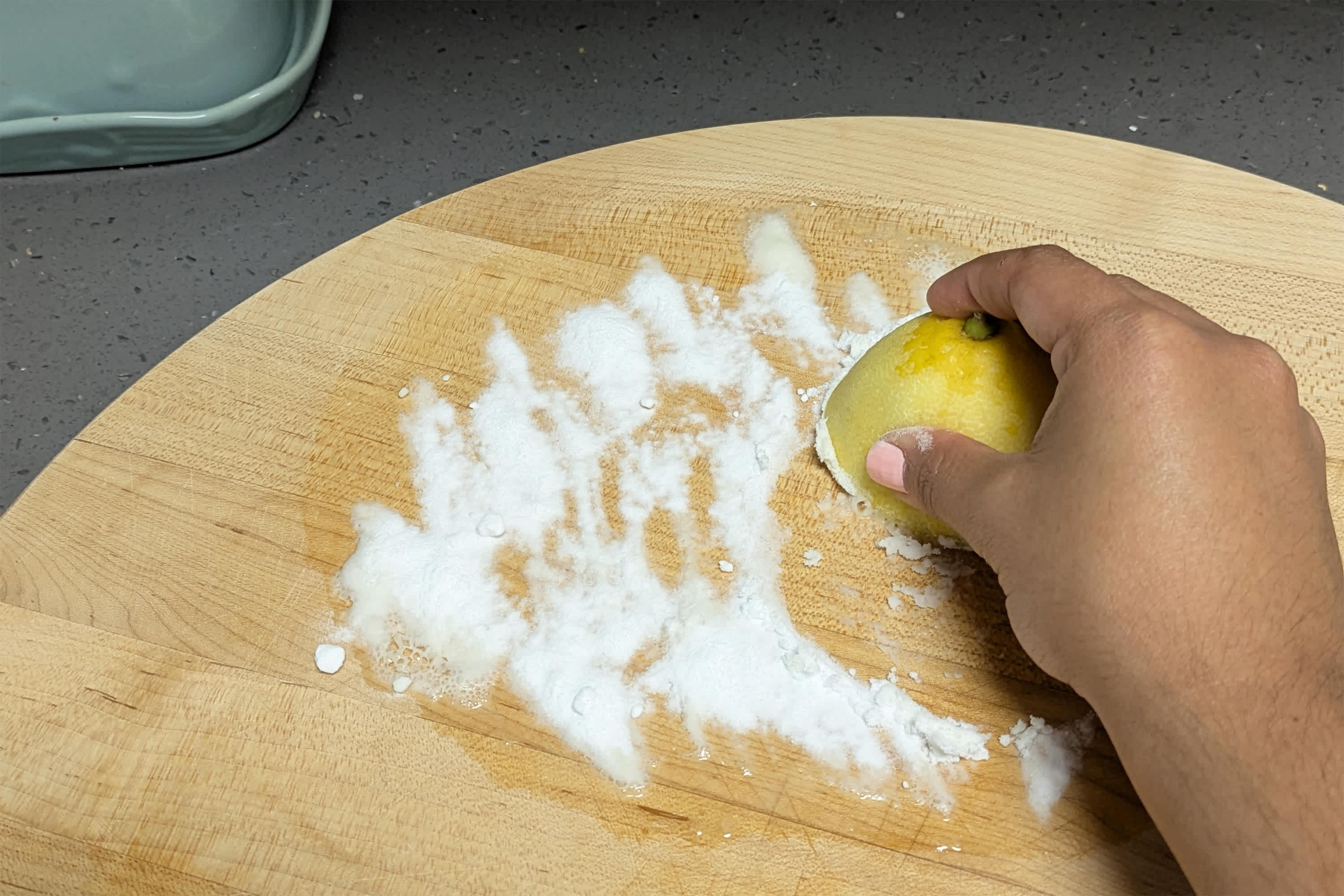
Credit: www.thekitchn.com
Common Mistakes To Avoid
Sterilizing a wooden cutting board keeps it safe from germs. Many people make errors that damage the board or leave bacteria behind.
Knowing what to avoid helps you keep your board clean and lasting longer. Read on to learn the main mistakes to watch out for.
Using Harsh Chemicals
Strong chemicals can harm the wood’s surface. Avoid bleach or ammonia that dry out or crack the board. Instead, use natural solutions like vinegar or diluted hydrogen peroxide.
Soaking The Board In Water
Wood soaks up water and swells. This causes warping and splits. Do not leave your cutting board in water or run it under a long stream. Quick washing and drying work best.
Ignoring Proper Drying
Wet wood invites bacteria and mold growth. After cleaning, dry the board fully. Leave it standing or place it near air flow. Avoid storing it in closed, damp spaces.
Using The Dishwasher
The dishwasher’s heat and water damage wooden boards. It can cause cracking and shrinking. Always wash by hand to keep your board safe.
Not Applying Oil After Cleaning
Dry wood cracks and becomes rough. Applying food-safe oil keeps the wood smooth and sealed. Skip this step, and your board will wear out faster.
- Do not use vegetable or olive oil; they can go rancid.
- Use mineral oil or beeswax-based wood conditioner.
- Apply oil once a month or after deep cleaning.
Mixing Raw Meat And Vegetables On The Same Board
| Risk | Cause | Prevention |
| Cross-contamination | Bacteria from raw meat spread | Use separate boards or clean board thoroughly |
| Food poisoning | Pathogens survive on wood surface | Sanitize properly after meat use |
Frequently Asked Questions
How Often Should I Sterilize My Wooden Cutting Board?
Sterilize your wooden cutting board after each use with raw meat or fish. Regular cleaning prevents bacteria buildup and ensures food safety.
What Is The Best Method To Sterilize Wood Cutting Boards?
Use a mixture of white vinegar and water or diluted bleach solution. Apply, let sit for a few minutes, then rinse and air dry.
Can I Use Hot Water To Sterilize Wooden Cutting Boards?
Hot water alone won’t sterilize effectively. It helps clean, but combine with vinegar or bleach for proper sterilization without damaging wood.
Is It Safe To Use Bleach On Wooden Cutting Boards?
Yes, but dilute bleach properly (1 tablespoon bleach per gallon water). Rinse thoroughly and dry to avoid wood damage and harmful residue.
Conclusion
Keeping your wooden cutting board clean is important for health. Use simple methods like vinegar or diluted bleach to kill germs. Always dry your board well after washing. Regular cleaning stops bacteria from growing. Avoid soaking wood in water to prevent damage.
Clean boards last longer and stay safe for food. Taking a few minutes to sterilize helps protect your family. Clean boards, safer meals. Easy steps, big benefits.