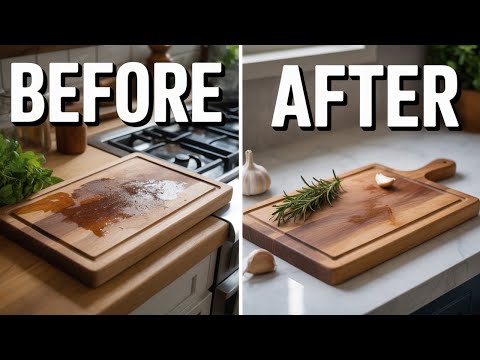
Your wood cutting board is one of the most important tools in your kitchen. But do you know how to keep it truly clean and safe?
If you’ve ever wondered how to sterilize your wood cutting board effectively, you’re in the right place. You’ll discover simple, practical steps that protect your food and extend the life of your board. Keep reading to learn how to make sure your cutting board stays fresh, germ-free, and ready for every meal you prepare.
Why Sterilize Wood Cutting Boards
Wood cutting boards are popular in many kitchens. They are strong and gentle on knives.
Sterilizing wood cutting boards keeps them safe for food use. It removes harmful germs and bacteria.
Risks Of Unclean Boards
Unclean wood cutting boards can spread germs to food. This can cause food poisoning and illness.
Wood can absorb juices from raw meat. This helps bacteria grow inside the board.
- Cross-contamination between raw and cooked food
- Growth of harmful bacteria like Salmonella and E. coli
- Bad odors and stains on the board
- Damage to food flavor and safety
Benefits Of Regular Sterilization
Regular sterilization keeps wood cutting boards clean and safe. It stops bacteria from building up.
Clean boards last longer and stay strong. They also make food preparation healthier and more hygienic.
- Prevents food contamination and illnesses
- Removes odors and stains effectively
- Maintains the wood’s natural quality
- Ensures safe use for all types of food
Daily Cleaning Tips
Keeping your wood cutting board clean every day helps stop germs from spreading. Simple steps can keep it safe and last longer.
Regular cleaning removes food bits and stops stains. It also keeps your board smelling fresh.
Using Soap And Water
Wash your wood cutting board with warm water and mild soap after each use. This removes food dirt and bacteria.
Use a soft sponge or cloth to clean the surface. Avoid soaking the board in water to stop warping or cracking.
- Rinse the board with warm water
- Apply mild dish soap
- Scrub gently with a soft sponge
- Rinse off all soap
- Wipe the board dry with a clean towel
Drying Properly
Dry your wood cutting board right away after cleaning. This stops water from soaking in and causing damage.
Stand the board up or place it on a rack. Air can flow around it to dry all sides evenly.
- Use a clean towel to remove surface moisture
- Place the board upright or on a drying rack
- Let it air dry completely before storing
- Keep it away from heat sources to avoid cracks
Natural Sterilization Methods
Wood cutting boards need regular cleaning to stay safe. Natural methods can help remove germs. These ways use things found in most kitchens.
Using natural ingredients keeps your board clean without harsh chemicals. Two popular methods are vinegar solution and lemon with salt scrub.
Vinegar Solution
White vinegar is a natural disinfectant. It kills many bacteria and is safe for wood surfaces. To use vinegar on your board, mix it with water and apply.
- Pour equal parts white vinegar and water into a spray bottle.
- Spray the solution over the entire cutting board surface.
- Let it sit for 5 minutes to kill bacteria.
- Wipe the board with a clean cloth or paper towel.
- Let the board air dry completely before storing.
Lemon And Salt Scrub
Lemon juice has natural acidity that kills germs. Salt helps scrub away stains and food particles. Together, they clean and freshen wood boards well.
| Ingredients | Purpose |
|---|---|
| Half a lemon | Acidic cleaner and deodorizer |
| Coarse salt | Abrasive for scrubbing |
| Warm water | Rinsing the board |
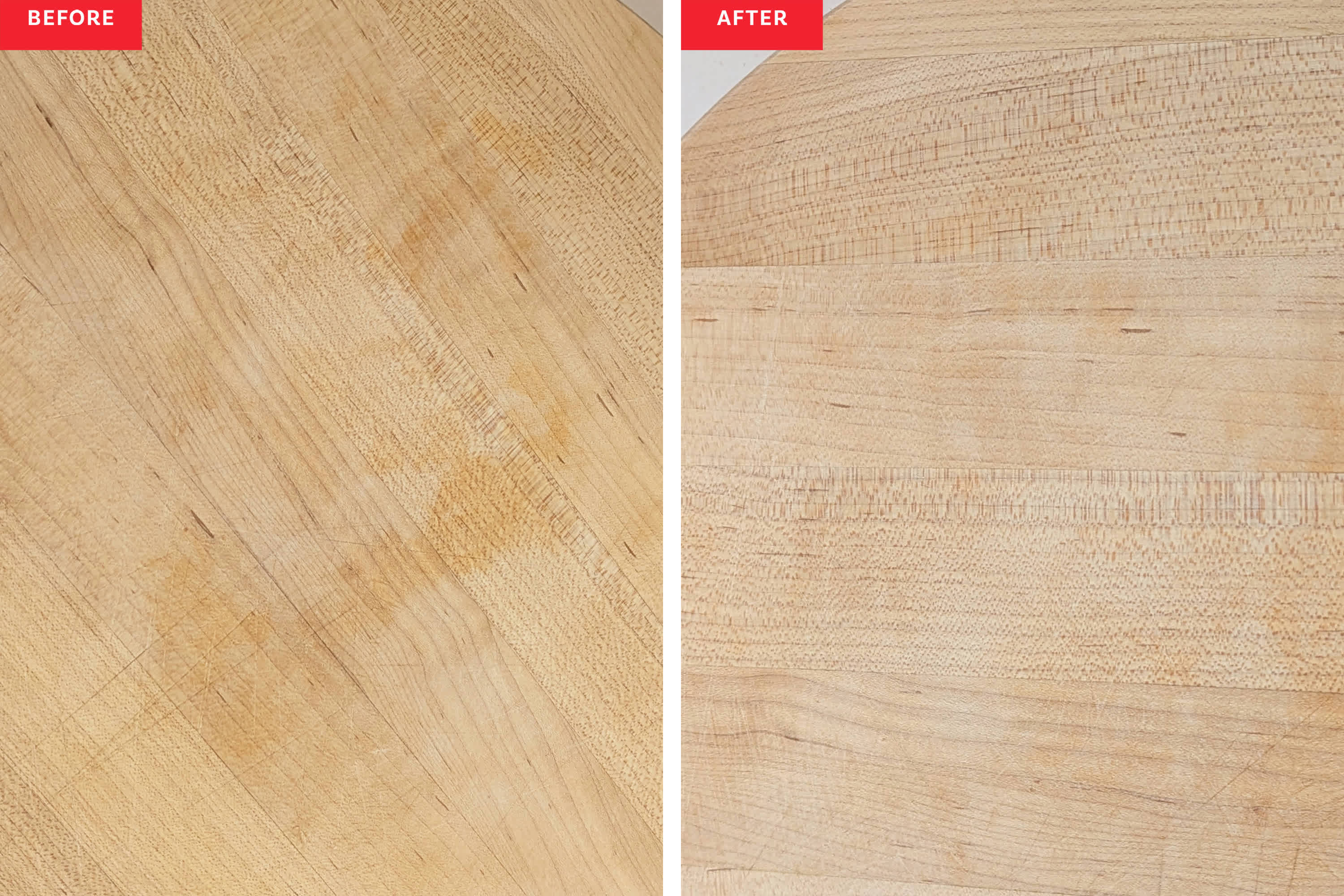
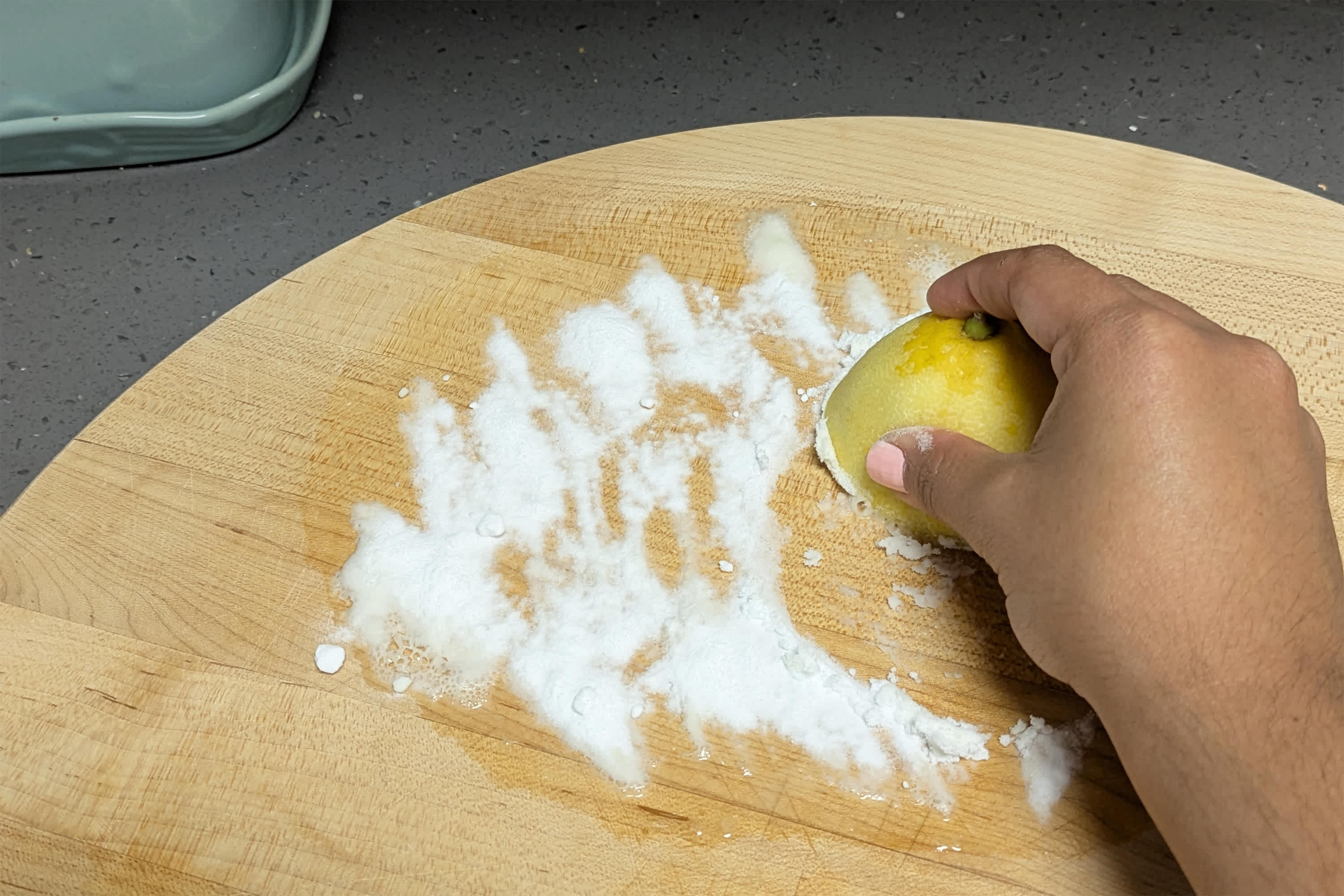
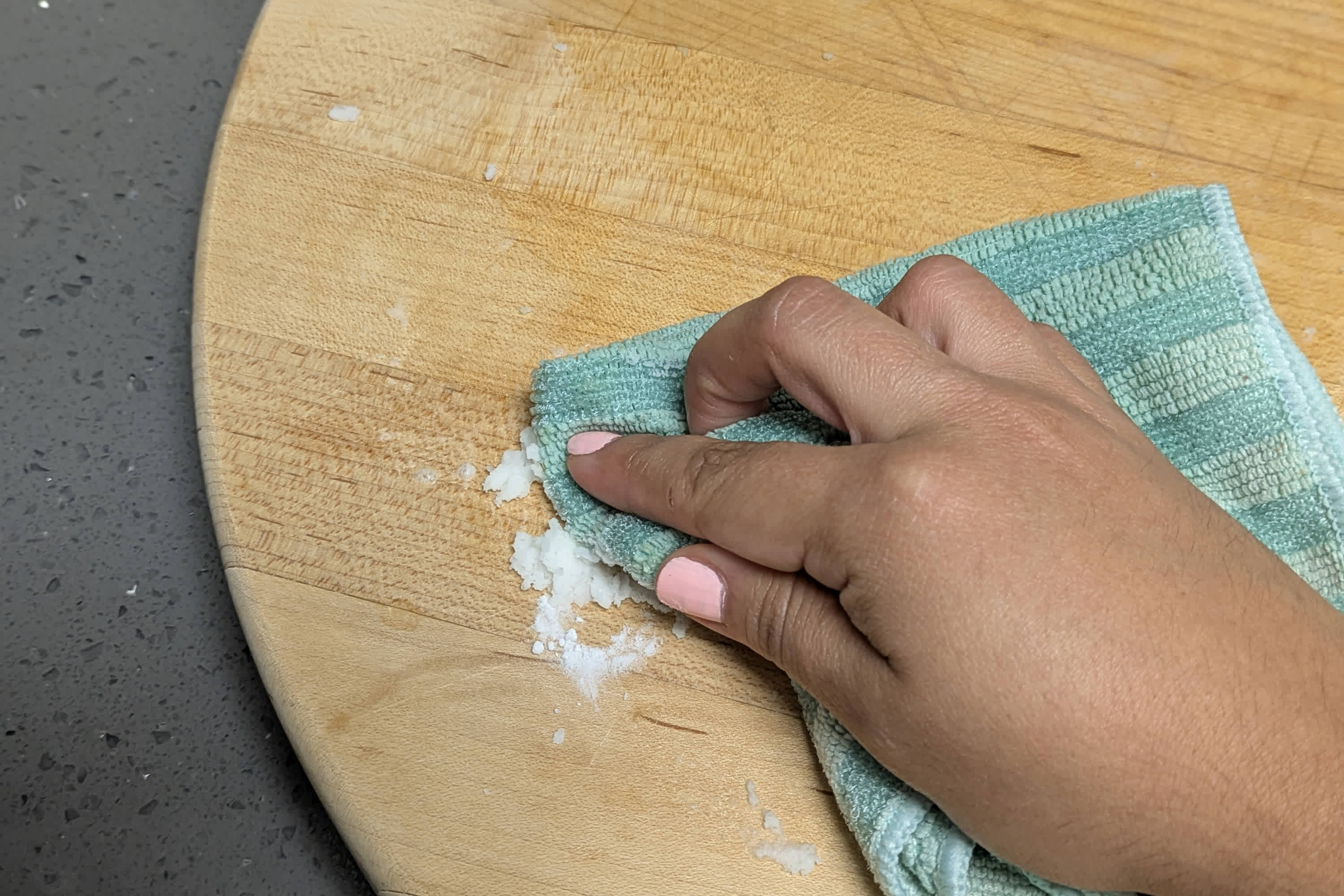
To clean with lemon and salt, sprinkle salt on the board. Rub the lemon half over salt, squeezing juice as you scrub. Rinse with warm water and dry the board.
Credit: www.thekitchn.com
Using Heat For Sterilization
Heat is a simple and natural way to kill germs on wood cutting boards. It uses temperature to destroy bacteria and other harmful organisms.
This method helps keep your cutting board clean without chemicals. Two common heat methods are boiling water and sunlight exposure.
Boiling Water Technique
Boiling water is an easy way to sterilize your wood cutting board. The hot water kills most bacteria and germs on the surface.
- Bring a large pot of water to a full boil.
- Hold the cutting board over the boiling water or pour boiling water over it.
- Let the board stay wet with boiling water for about 5 minutes.
- Use tongs or heat-resistant gloves to avoid burns.
- Dry the cutting board completely before storing it.
Boiling water is a safe method but avoid soaking the wood for too long. Excess moisture can cause cracks or warping.
Sunlight Exposure
Sunlight uses natural heat and ultraviolet rays to kill germs on wood cutting boards. It is a gentle and chemical-free way to sterilize.
| Sunlight Exposure Tips |
|---|
| Place the cutting board outside on a clean surface. |
| Keep it in direct sunlight for at least 4 hours. |
| Turn the board over halfway through to dry both sides. |
| Avoid wet or humid days for best results. |
| Sunlight also helps remove odors from the wood. |
Chemical Sterilizers Safe For Wood
Wood cutting boards need careful cleaning to stay safe. Some chemicals can harm wood while cleaning.
Using the right chemical sterilizers keeps your board clean without damage.
Hydrogen Peroxide Use
Hydrogen peroxide is a safe chemical for wood cutting boards. It kills bacteria without harming the wood.
- Pour 3% hydrogen peroxide over the board.
- Spread it evenly using a clean cloth or sponge.
- Let it sit for 5 minutes to kill germs.
- Rinse the board with warm water.
- Dry the board completely before use.
Diluted Bleach Application
Diluted bleach can sterilize wood boards safely if used correctly. Strong bleach can damage wood, so dilution is key.
| Bleach to Water Ratio | Usage Instructions |
|---|---|
| 1 tablespoon bleach per 1 gallon water | Mix solution well before use |
| Apply solution with cloth or spray | Cover entire surface of the board |
| Let sit for 2 minutes | Do not leave longer to avoid wood damage |
| Rinse thoroughly with water | Dry board completely before storing |
Credit: www.thekitchn.com
Maintaining Wood Cutting Boards
Wood cutting boards need care to last long and stay safe. Cleaning and drying are important. You also need to oil them to keep the wood strong.
Taking simple steps helps avoid damage like cracks or warping. This guide explains how to keep your wood cutting board in good shape.
Oiling To Prevent Cracks
Wood can dry out and crack if not oiled. Use food-safe mineral oil to keep it moist. Apply oil regularly for best results.
- Clean the board before oiling
- Apply a generous amount of mineral oil
- Rub the oil in with a soft cloth
- Let it soak for a few hours or overnight
- Wipe off any extra oil
- Repeat this once a month or when the board looks dry
Avoiding Warping
Warping happens when wood gets uneven moisture or heat. Keep your board flat and dry to stop this from happening.
| Cause | How to Avoid |
| Soaking in water | Wash quickly and dry right away |
| Leaving in dishwasher | Hand wash only, no dishwasher |
| Storing in humid place | Store in a dry, well-ventilated area |
| Exposing to heat | Keep away from ovens and direct sunlight |
Credit: www.thekitchn.com
Frequently Asked Questions
How Often Should I Sterilize My Wood Cutting Board?
Sterilize your wood cutting board after each use, especially when cutting raw meat. Regular cleaning helps prevent bacterial growth and ensures food safety. A weekly deep clean using vinegar or hydrogen peroxide is recommended for optimal hygiene.
Can I Use Vinegar To Sterilize Wood Cutting Boards?
Yes, vinegar is effective for sterilizing wood cutting boards. Simply spray or wipe the board with undiluted white vinegar. Allow it to sit for a few minutes, then rinse with warm water. Vinegar is a natural disinfectant that helps eliminate bacteria and odors.
Is Bleach Safe For Wood Cutting Boards?
Bleach is not recommended for wood cutting boards as it can damage the wood. Instead, use milder disinfectants like vinegar or hydrogen peroxide. These alternatives are effective in killing bacteria without harming the wood’s surface.
How Do I Remove Stains From Wood Cutting Boards?
To remove stains, make a paste using baking soda and water. Rub it onto the stained area, let it sit for a few minutes, and then rinse. For tougher stains, add a bit of salt to the paste for extra scrubbing power.
Conclusion
Sterilizing your wood cutting board keeps it safe and clean. Use simple methods like vinegar or diluted bleach. Dry the board well to stop bacteria growth. Regular cleaning protects your food and your health. Caring for your cutting board helps it last longer.
Small steps make a big difference in the kitchen. Keep your board fresh, and cooking stays safe and fun. Clean boards mean better meals every day.