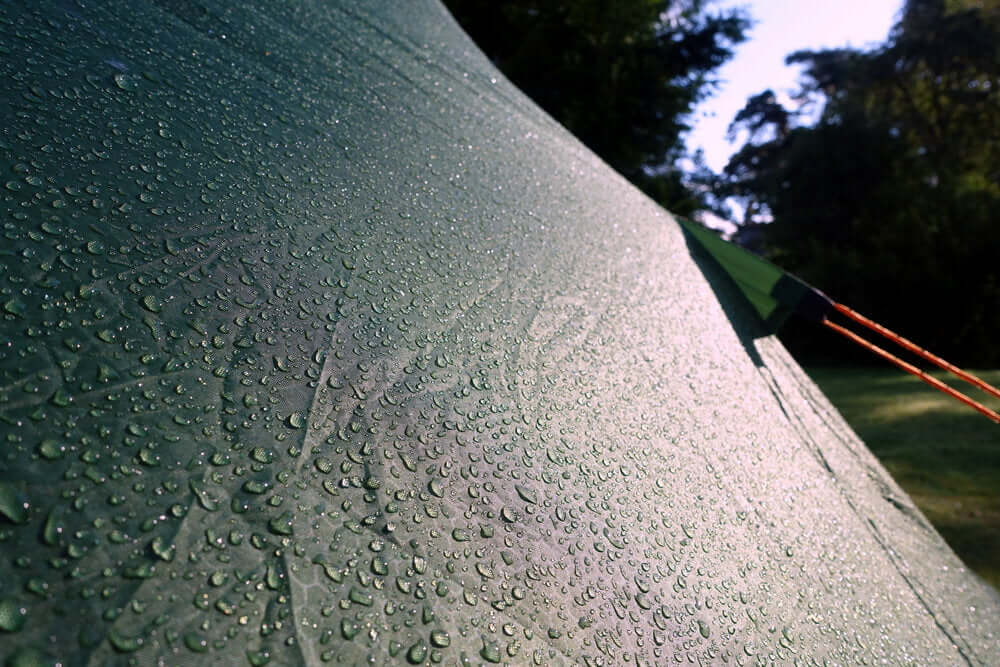
Have you ever woken up inside your tent only to find everything damp and covered in water droplets? Condensation can turn your cozy shelter into an uncomfortable, soggy mess.
But what if you could stop that from happening? Imagine waking up dry and fresh, ready to enjoy your adventure without the hassle of soggy gear. You’ll discover simple, practical tips to keep condensation out of your tent. By the end, you’ll know exactly how to create a dry, comfortable space no matter the weather.
Keep reading, because your next camping trip deserves to be condensation-free.

Credit: www.ultramarxl.com
Causes Of Tent Condensation
Condensation happens when water vapor turns into liquid inside your tent. It can make your gear wet and uncomfortable. Understanding what causes condensation helps you keep your tent dry.
Several factors cause condensation in tents. These include moisture inside the tent, weather conditions, and the tent’s material and design.
Moisture Sources Inside The Tent
People breathe out water vapor that adds moisture to the air inside the tent. Sweating and wet clothes also increase humidity. Cooking or boiling water inside the tent adds more moisture.
- Breathing releases water vapor
- Sweaty or wet clothes raise humidity
- Cooking inside creates steam
- Wet gear stores moisture
Weather And Temperature Effects
Cold air holds less moisture than warm air. When warm moist air inside the tent meets cold tent walls, condensation forms. Rain and high humidity outside also increase condensation risk.
- Cold temperatures cool tent walls
- Warm air inside meets cold surfaces
- Rain raises outside humidity
- High humidity causes more condensation
Tent Material And Design
Some tent fabrics trap moisture more than others. Tents with poor ventilation let humid air stay inside. Tents with double walls help reduce condensation by separating wet air from the inside.
- Non-breathable fabrics hold moisture
- Low ventilation traps humid air
- Double-wall tents reduce condensation
- Mesh panels improve airflow
Choosing The Right Tent
Condensation inside a tent can make your camping trip uncomfortable. Picking the right tent helps reduce moisture buildup. This guide explains what to look for in a tent to stop condensation.
Good tents have features that allow air to flow and fabrics that let moisture escape. The size and layout also affect how much condensation forms inside.
Ventilation Features
Tents with good ventilation help air move inside. This stops warm air from trapping moisture on the tent walls.
Look for tents with windows, vents, or mesh panels. These let fresh air in and let moist air out.
- Roof vents allow hot air to escape
- Mesh windows increase airflow
- Adjustable vents control air movement
Breathable Fabrics
Tent fabric affects how moisture moves. Breathable fabrics let water vapor pass through. This reduces wetness inside the tent.
Materials like nylon with a breathable coating work well. Avoid tents with thick plastic layers that trap moisture.
- Look for tents with breathable rain flies
- Choose fabrics that dry quickly
- Avoid non-breathable synthetic materials
Tent Size And Layout
A tent that is too small traps more moisture from breathing and wet gear. Bigger tents allow better air circulation.
Choose a layout with separate sleeping and gear areas. This keeps moisture away from where you sleep.
- Pick a tent size that fits your group comfortably
- Look for tents with vestibules or gear rooms
- Separate zones reduce condensation near sleepers
Setting Up To Minimize Condensation
Condensation inside a tent can make your gear and clothes damp. It happens when warm air meets cold tent walls. Setting up your tent carefully helps reduce this problem.
Follow simple steps to keep your tent dry and comfortable. Choose the right spot, position your tent well, and use protective ground layers.
Selecting The Ideal Campsite
Pick a campsite with good air flow. Avoid low spots where cold air collects. Look for flat ground to keep water from pooling under your tent.
Clear away rocks and sticks. This helps protect your tent floor and keeps moisture away. Set up away from dense trees that block wind and trap humidity.
- Choose high, flat ground
- Avoid valleys and depressions
- Pick open spaces with light wind
- Clear debris from the area
Proper Tent Orientation
Face your tent door away from the wind. This limits cold air entering and reduces moisture inside. Position vents and windows to catch breezes and improve airflow.
Keep the tent’s lowest side downhill. This helps water drain away and stops dampness from building up inside. Open vents even in cold weather to allow moisture to escape.
- Turn the door away from wind
- Open vents for air flow
- Keep lowest side downhill
- Adjust orientation to breeze direction
Using Ground Tarps And Footprints
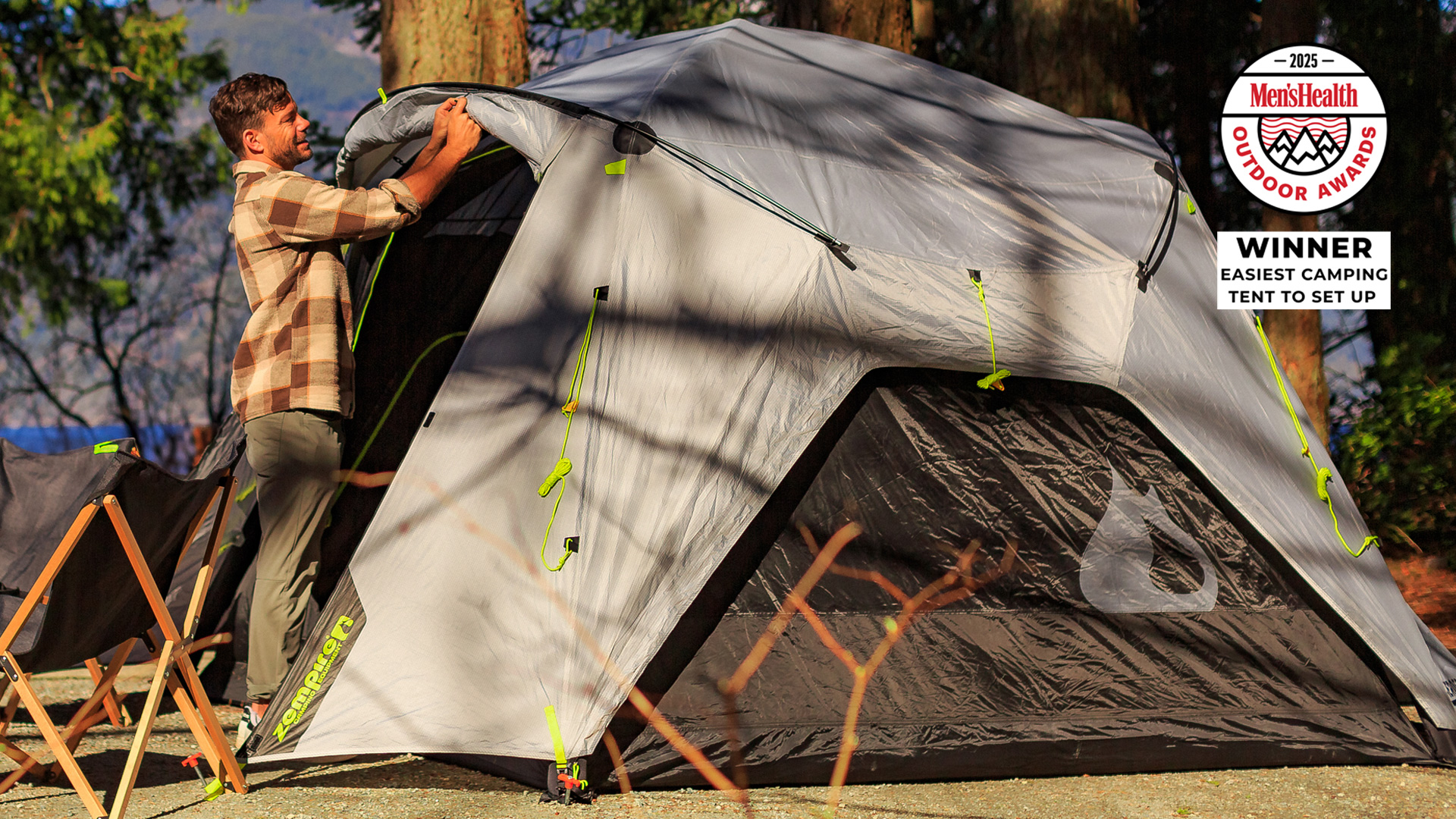
Place a ground tarp or footprint under your tent floor. This adds a layer of protection against moisture coming from the ground. Use a tarp slightly smaller than the tent base.
Make sure the tarp edges do not stick out. Exposed edges can collect water and push it under your tent. A good footprint also protects the tent floor from damage.
- Use a tarp or footprint under the tent
- Keep tarp smaller than tent floor
- Avoid tarp edges sticking out
- Protects tent floor and reduces moisture
Credit: zempire.ca
Improving Tent Ventilation
Condensation happens when warm air meets cold surfaces inside your tent. It makes the tent wet and uncomfortable.
Good ventilation helps reduce condensation by letting moist air escape and fresh air enter.
Opening Vents And Windows
Open all vents and windows in your tent to let air flow. This helps moisture leave the tent faster.
Even a small opening can reduce condensation by increasing airflow inside.
Using Mesh Panels
Mesh panels allow air to move while keeping bugs out. They keep your tent dry by improving ventilation.
Use mesh doors or windows instead of solid fabric to help air pass through easily.
Creating Cross Breeze
Open vents or windows on opposite sides of your tent. This creates a path for air to flow through.
A cross breeze moves moist air out and brings fresh air in, lowering condensation inside the tent.
- Open front and back vents together
- Use opposite windows for better airflow
- Keep openings clear of gear or walls
Managing Moisture Inside The Tent
Condensation happens when warm air touches cold surfaces inside a tent. This causes water to form and makes the tent damp. Managing moisture is key to staying dry and comfortable while camping.
Keeping moisture under control helps prevent mold, bad smells, and cold nights. Use simple steps to reduce water inside your tent.
Drying Wet Gear Outside
Wet clothes and gear add moisture to the air inside your tent. Always dry these items outside before bringing them in. Use a clothesline or hang gear on a tree branch.
If the weather is bad, try to air out your gear near the tent entrance. Avoid placing wet items inside your sleeping area to keep moisture low.
Avoiding Cooking Indoors
Cooking inside a tent creates steam that adds moisture to the air. This steam causes condensation on tent walls. Cook outside or under a shelter if possible.
If you must cook inside, open tent vents or doors to let the steam escape. Use a stove with a good flame to reduce smoke and moisture build-up.
Using Moisture Absorbers
Moisture absorbers help soak up water vapor inside the tent. Products like silica gel packs or moisture-absorbing bags work well. Place them near sleeping areas and gear storage.
These absorbers reduce dampness and keep your tent feeling dry. Change or recharge them regularly to keep them effective.
Additional Tips To Reduce Condensation
Condensation in a tent can make your camping experience uncomfortable. It happens when warm air meets cold surfaces inside the tent.
Here are some extra tips to help you keep the inside of your tent dry and cozy.
Using A Tent Heater Safely
Using a heater can reduce moisture inside the tent by warming the air. Always use heaters designed for tents to avoid fire risks.
- Place the heater away from fabric and sleeping bags
- Keep ventilation open to avoid carbon monoxide buildup
- Turn off the heater before sleeping or leaving the tent
- Use battery-powered or propane heaters made for camping
Setting Up A Rainfly Correctly
The rainfly helps protect your tent from rain but can trap moisture if set up wrong. Leave space for air to flow between the rainfly and tent.
| Rainfly Setup | Effect on Condensation |
| Tightly against the tent | Traps moisture and increases condensation |
| Raised with space below | Allows air circulation and reduces moisture |
| Properly staked and taut | Prevents water pooling and leaks |
Regularly Checking And Adjusting Ventilation
Good ventilation removes moist air and helps keep the tent dry. Check vents often and adjust them based on weather.
Try these ventilation tips:
- Open vents on opposite sides for cross airflow
- Use mesh windows to keep bugs out but air flowing
- Unzip doors slightly at night to reduce humidity
- Clear any dirt blocking vent openings

Credit: www.reddit.com
Frequently Asked Questions
Why Does Condensation Form Inside Tents?
Condensation forms when warm, moist air meets cooler tent surfaces. This causes water droplets to appear inside the tent, especially during cold nights or humid conditions.
How Can Ventilation Reduce Tent Condensation?
Proper ventilation allows moist air to escape and fresh air to enter. Opening vents or mesh windows helps balance humidity and prevents water buildup inside your tent.
What Tent Materials Minimize Condensation Risk?
Tents made from breathable, waterproof fabrics reduce condensation. Materials like nylon with a waterproof coating allow moisture to escape while keeping rain out.
Does Tent Placement Affect Condensation Levels?
Yes, placing tents away from low-lying or damp areas reduces condensation. Higher ground with good airflow helps keep the tent dry and minimizes moisture buildup.
Conclusion
Controlling condensation keeps your tent dry and comfortable. Ventilate the tent to let moisture escape. Use a groundsheet to stop dampness from below. Avoid cooking inside to reduce indoor humidity. Keep wet clothes outside or in a separate area. Small steps make camping more enjoyable and less messy.
Try these tips on your next trip. Enjoy a cozy, dry shelter every time.