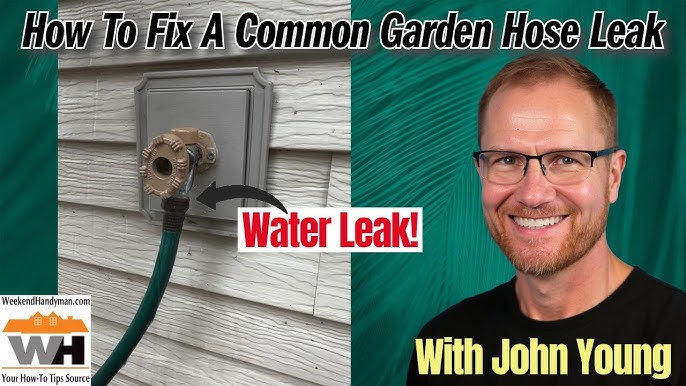
Is your garden hose leaking and wasting water every time you turn it on? A dripping hose can be frustrating and costly, but fixing it might be easier than you think.
Imagine saving money on your water bill and keeping your plants happy without constant interruptions. You’ll discover simple, effective ways to stop your garden hose from leaking. By the end, you’ll have the confidence to tackle the problem yourself and enjoy a drip-free garden.
Keep reading to learn how!
Common Causes Of Hose Leaks
Garden hoses can leak for several reasons. These leaks waste water and reduce pressure.
Knowing what causes leaks helps you fix them fast. This keeps your garden healthy.
Worn Out Washers
Washers inside hose fittings stop water from leaking. Over time, they wear out or crack.
Old washers lose their shape and no longer seal tightly. This causes drips at the connection.
- Replace washers if water leaks near the hose end
- Check washers regularly for cracks or flattening
- Use rubber washers for better sealing
Damaged Hose Fittings
Hose fittings connect your hose to the tap or nozzle. They can get bent or cracked.
Damaged fittings do not hold water well. This leads to leaks where the hose meets the fitting.
- Inspect fittings for dents or breaks
- Replace damaged fittings to stop leaks
- Use metal fittings for better durability
Cracks In The Hose
Hoses can crack from sun damage or bending. Cracks let water escape along the hose.
Small cracks cause slow leaks. Larger cracks can waste lots of water quickly.
- Store hoses in shade when not in use
- Avoid sharp bends to prevent cracks
- Replace hoses with many cracks
Loose Connections
Loose connections happen when fittings are not tight enough. Water leaks from these gaps.
Check hose ends and tap connections regularly. Tighten them to stop leaks quickly.
- Hand-tighten fittings firmly but avoid over-tightening
- Use plumber’s tape for extra seal if needed
- Replace worn threads that prevent tight connection

Credit: www.familyhandyman.com
Tools And Materials Needed
Fixing a leaking garden hose is easy with the right tools. Having the correct materials helps stop leaks fast.
This guide covers the main tools and items you need to repair your hose effectively.
Replacement Washers
Replacement washers are small rubber rings that fit inside hose connectors. They create a tight seal to stop leaks.
Washers wear out over time and cause water to drip or spray from hose joints.
- Choose washers that fit your hose size
- Look for durable rubber material
- Keep extra washers for future repairs
Hose Repair Kits
Hose repair kits include parts to fix holes and leaks. They often have connectors and clamps.
These kits help join two hose pieces or seal damaged sections quickly.
- Check the kit matches your hose diameter
- Look for corrosion-resistant clamps
- Follow kit instructions for best results
Wrench And Pliers
A wrench and pliers help tighten or loosen hose fittings. They give good grip and control.
Using these tools prevents damage to hose connectors during repairs.
- Adjustable wrench fits many sizes
- Pliers help hold small parts steady
- Use gentle pressure to avoid cracks
Teflon Tape
Teflon tape wraps around threaded hose ends. It fills gaps and blocks water leaks.
Apply tape before connecting hose parts for a tighter seal.
- Wrap tape clockwise around threads
- Use 2-3 layers for best sealing
- Replace tape if you disconnect fittings
Fixing Leaks At The Faucet
Garden hoses often leak at the faucet. Fixing these leaks saves water and keeps your garden healthy.
Here are some simple methods to stop leaks and improve hose performance.
Tightening Connections
Loose connections cause many leaks. Tighten the hose connector to the faucet by hand. If it still leaks, use a wrench to make it snug.
- Turn off the water supply.
- Check the connector for cracks.
- Tighten the connector by hand.
- Use a wrench for a firmer grip.
Replacing Washers
Worn washers are a common cause of leaks. Replace them to stop the leak and ensure a good seal.
| Item | Action |
| Old Washer | Remove |
| New Washer | Install |
| Connector | Reattach |
Using Teflon Tape
Teflon tape seals threads and prevents leaks. Wrap it around the faucet threads before attaching the hose.

Credit: www.reddit.com
Repairing Leaks Along The Hose
Leaks in a garden hose can waste water and reduce pressure. Fixing leaks along the hose is easy with the right tools.
There are several ways to repair a leaking hose without replacing the entire length. Choose the method that fits your situation best.
Using Hose Repair Couplings
Hose repair couplings help join two hose pieces after cutting out the leak. They provide a strong, watertight seal.
- Cut the hose cleanly on both sides of the leak.
- Push each hose end into the coupling firmly.
- Tighten the clamps on the coupling to secure the hose.
- Test the hose by turning on the water to check for leaks.
Applying Waterproof Tape
Waterproof tape is a quick fix for small leaks or cracks. It wraps tightly around the damaged area to block water.
- Dry the hose around the leak completely.
- Stretch the tape slightly before wrapping.
- Wrap the tape around the leak several times, overlapping each layer.
- Press the tape firmly to seal it well.
- Allow time for the tape to bond before using the hose.
Cutting And Rejoining The Hose
Cutting out the leaking section and rejoining the hose restores full function. Use this method for leaks that tape cannot fix.
| Tool or Item | Purpose |
|---|---|
| Sharp knife or scissors | Cut clean hose ends |
| Hose repair coupling | Join hose ends securely |
| Clamps | Hold hose tight on coupling |
| Waterproof tape | Extra seal for joints |
Preventing Future Hose Leaks
Garden hoses often leak due to wear and tear. Preventing leaks saves water and money.
Using the right care helps your hose last longer without leaks or damage.
Proper Storage Techniques
Store your hose in a dry, cool place to stop cracks and leaks. Avoid leaving it under the sun.
Coil the hose loosely to prevent kinks that cause damage.
- Use a hose reel or hanger for neat storage
- Drain water from the hose before storing
- Avoid sharp bends and twists when coiling
Avoiding Excessive Pressure
High water pressure can cause the hose to burst or leak. Keep pressure at safe levels.
Check your water pressure and use a pressure regulator if needed.
- Do not connect the hose to high-pressure systems
- Turn off water when not in use to avoid buildup
- Replace worn washers to keep a tight seal
Regular Maintenance Tips
Inspect your hose often for cracks, holes, or weak spots. Fix small leaks quickly.
Clean the hose and fittings to stop dirt from causing damage.
- Check hose ends and replace washers yearly
- Flush the hose to clear debris inside
- Repair leaks with hose tape or patch kits

Credit: www.familyhandyman.com
Frequently Asked Questions
How Do I Fix A Leaking Garden Hose?
To fix a leaking garden hose, first identify the leak location. Tighten or replace damaged connectors and washers. Use waterproof tape for small holes. If the hose is cracked, consider patching or replacing it for a long-term solution.
What Causes Garden Hoses To Leak At Connectors?
Leaking at connectors usually happens due to worn-out washers or loose fittings. Dirt and debris can also prevent a tight seal. Regularly check and replace washers and tighten connectors to avoid leaks and maintain proper water flow.
Can I Repair Small Holes In My Garden Hose?
Yes, small holes can be repaired using waterproof tape or hose repair kits. Clean the area, apply tape tightly or use a patch from the kit. For multiple or large holes, replacing the hose might be more effective.
How Often Should I Check My Garden Hose For Leaks?
Check your garden hose for leaks at least once a month during heavy use seasons. Inspect connectors, washers, and the hose body. Early detection helps prevent water waste and extends the hose’s lifespan.
Conclusion
Stopping a garden hose from leaking saves water and money. Check the hose and connections often. Tighten fittings to stop small drips. Replace old washers to fix leaks quickly. Use tape or sealant for stubborn leaks. Clean the hose to prevent damage.
Taking these steps keeps your garden healthy. A leak-free hose works better and lasts longer. Small fixes make a big difference. Keep your hose in good shape for easy watering.