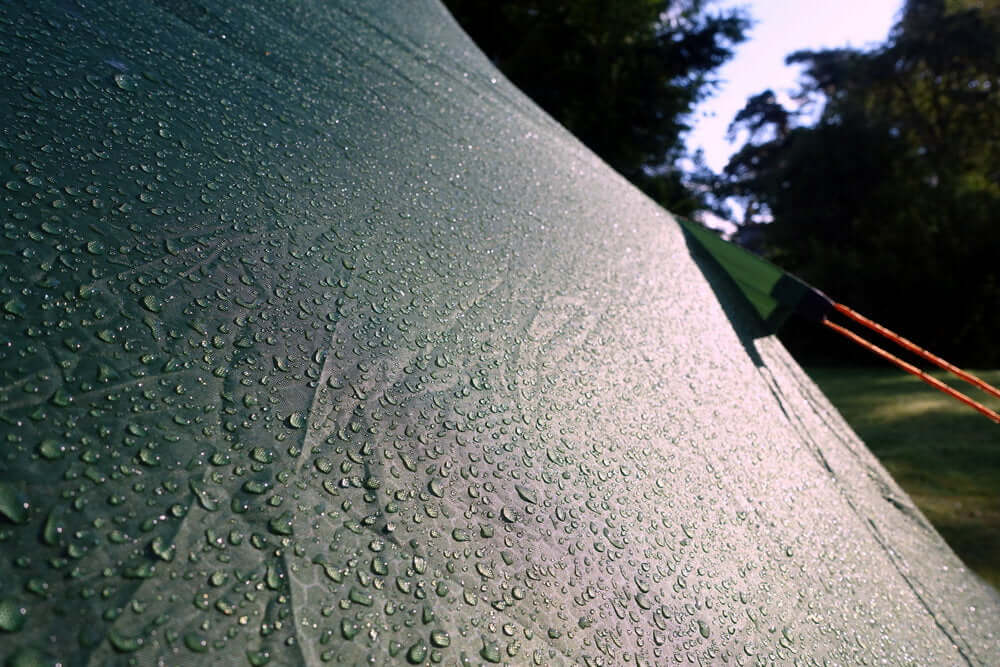
Picture this: you’re in the great outdoors, surrounded by nature’s beauty, ready for a night under the stars. But as morning arrives, you wake up to a damp tent and a soggy sleeping bag.
Sound familiar? Tent condensation can quickly turn your camping adventure into a damp disaster. But don’t worry, you’re not alone, and there are solutions. In this guide, we’re diving into practical tips to help you stop tent condensation in its tracks.
Want to enjoy a dry, comfortable night’s sleep on your next camping trip? Keep reading to discover how you can make your tent a dry haven, even in the most humid conditions. Your perfect camping experience is just a few simple steps away.

Credit: www.youtube.com
Causes Of Tent Condensation
Tent condensation happens when moisture builds up inside your tent. This moisture turns into water droplets on the tent walls. Understanding the causes helps you reduce this problem.
Condensation depends on several factors. Key causes include temperature differences, humidity inside the tent, and the type of fabrics and ventilation used.
Temperature Differences
Condensation forms when warm air inside the tent meets cold tent walls. The warm air cools down quickly and loses its ability to hold moisture. This moisture then changes into water droplets.
At night, the outside temperature drops. This makes the tent walls cold. The air inside the tent stays warmer, causing condensation to appear on the cooler surfaces.
Humidity Inside The Tent
Humidity is the amount of water vapor in the air. High humidity inside the tent raises the chance of condensation. People breathe out moisture and wet gear adds more water vapor.
- Breathing increases moisture in the air
- Wet clothes or shoes release water vapor
- Cooking inside the tent adds humidity
- Rain or snow brings moisture inside
Breathable Fabrics And Ventilation
Using breathable tent fabrics helps reduce condensation. These fabrics allow moisture to escape while keeping rain out. Good ventilation moves moist air outside the tent.
| Feature | Benefit |
|---|---|
| Breathable Fabrics | Let moisture pass out of the tent |
| Mesh Windows | Allow air flow without letting insects in |
| Ventilation Vents | Help move humid air outside |
| Tent Rainfly | Protects from rain but allows some air flow |
Choosing The Right Tent
Condensation inside tents can make camping uncomfortable. Picking the right tent helps reduce moisture buildup. This guide explains important tent features to keep you dry.
Look for tents designed to manage moisture and improve airflow. These tents protect you from wet surfaces and damp gear.
Materials That Reduce Moisture
Tent fabrics affect how much moisture builds up inside. Some materials absorb water, while others repel it. Choose tents with fabrics that stop moisture from soaking through.
- Polyester: resists water and dries quickly
- Nylon with waterproof coating: blocks rain and dew
- Breathable mesh panels: allow moisture to escape
- Waterproof floor material: prevents ground moisture
Ventilation Features To Look For
Good ventilation lowers condensation by letting fresh air flow inside. Check tents for vents and windows that open easily.
| Ventilation Feature | Purpose |
| Mesh windows | Keep bugs out and air moving |
| Roof vents | Let hot, moist air escape |
| Adjustable vents | Control airflow based on weather |
| Double-wall design | Separates wet outer layer from dry inner layer |
Setting Up For Dryness
Condensation can make your tent wet and uncomfortable. Setting up your tent properly helps reduce moisture inside. Dryness starts with good planning before pitching your tent.
This guide covers how to choose the right spot and pitch your tent to keep it dry and cozy.
Ideal Tent Placement
Pick a campsite that avoids damp areas. Avoid low spots where water can collect after rain. Look for places with good air flow to help moisture escape.
- Choose higher ground to prevent water pooling.
- Look for natural wind paths to aid ventilation.
- Avoid camping near rivers or lakes to reduce humidity.
- Clear the ground of wet leaves or grass before setting up.
- Set up under trees only if there is no risk of dripping water.
Proper Tent Pitching Techniques
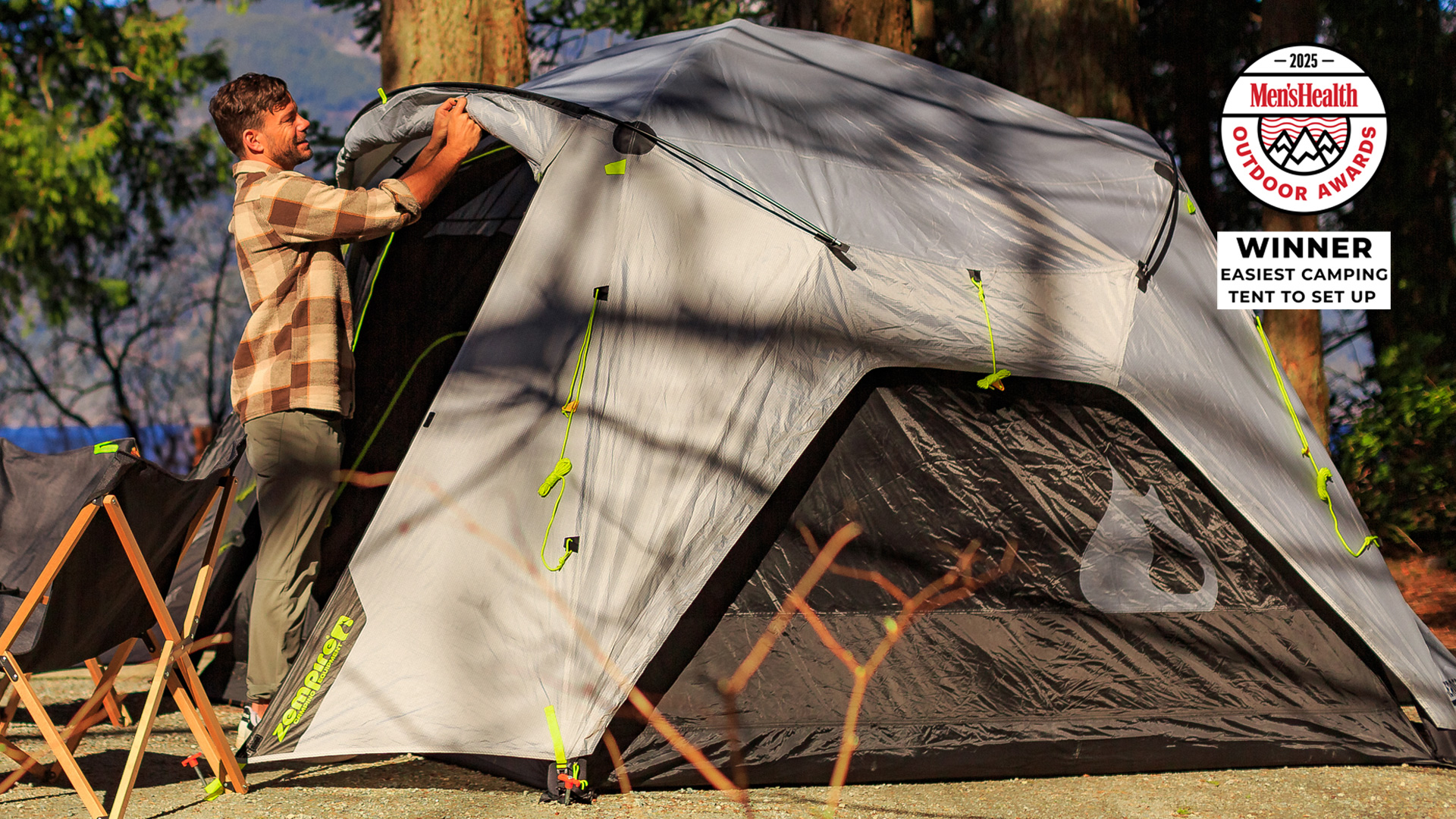
How you pitch your tent affects moisture inside. Tighten the rainfly and keep the tent floor dry. Good tension keeps rain out and air flowing.
| Technique | Purpose |
| Pitch tent taut | Prevents sagging that traps moisture |
| Use footprint or groundsheet | Keeps floor dry and stops ground moisture |
| Open vents slightly | Improves airflow and reduces condensation |
| Angle rainfly properly | Directs water away from tent walls |
Credit: zempire.ca
Ventilation Strategies
Tent condensation happens when moisture gets trapped inside. Good airflow helps stop this problem. Using ventilation right keeps the tent dry.
Focus on opening vents and letting fresh air move through the tent. This helps reduce moisture buildup and keeps the inside comfortable.
Using Tent Vents Effectively
Most tents have vents for air to flow. Keep these vents open even in cold weather. This stops warm, moist air from turning into water drops on the tent walls.
- Open top vents to let warm air escape.
- Use mesh panels to allow fresh air in.
- Close vents only if rain is heavy, but open them soon after.
- Check vents regularly to keep them clear of dirt and bugs.
Creating Cross Breeze
Cross breeze means air flows through the tent from two sides. This helps move moisture out fast. Set up your tent where air can pass freely.
| Tip | How it helps |
| Open doors on opposite sides | Air moves straight through the tent |
| Face tent openings away from obstacles | Stops wind from being blocked |
| Camp where wind is steady but not too strong | Keeps air moving without shaking tent |
Avoiding Blocked Airflow
Blocked airflow traps moisture inside. Keep air paths clear to prevent condensation. Remove items that block vents or openings.
- Backpacks or gear placed against vents
- Tent walls pressed close to each other
- Heavy rain covers sealing all openings
- Plants or trees close to tent sides
Move gear away from vents and keep tent sides free for better air.
Managing Moisture Inside The Tent
Moisture inside a tent can cause discomfort and damage gear. Managing it well keeps your space dry and cozy. Understanding how moisture builds up helps you reduce condensation.
Below are simple ways to manage moisture inside your tent. These tips focus on drying wet gear, using moisture absorbers, and controlling breath moisture.
Drying Wet Gear Outside
Wet clothes and equipment add a lot of moisture to the tent air. Drying them outside lowers humidity inside. Hang wet items on a line or branches away from your tent.
- Use a clothesline between trees
- Place gear in direct sunlight if possible
- Turn items occasionally to dry both sides
- Avoid drying inside the tent to reduce dampness
Using Moisture Absorbers
Moisture absorbers trap water vapor and help keep your tent dry. You can buy commercial packs or make DIY versions. Place them in corners or near sleeping areas.
| Type | How to Use | Benefits |
| Silica Gel Packs | Place in mesh bags inside tent | Reusable and effective |
| Charcoal Briquettes | Wrap in cloth and place in tent | Absorbs odors and moisture |
| Baking Soda | Open container left inside | Cheap and easy to find |
Minimizing Breath Moisture
Human breath adds moisture inside the tent. Reducing breath moisture helps lower condensation. Use good ventilation and limit cooking inside the tent.
- Keep tent vents open for airflow
- Sleep with a small opening to release moisture
- Avoid boiling water inside the tent
- Wear breathable clothing to reduce sweat

Credit: www.reddit.com
Additional Tips To Keep Your Tent Dry
Keeping your tent dry helps you stay comfortable and safe. Moisture inside the tent can cause problems like mold and cold nights.
Here are some extra tips that will help you stop tent condensation and keep your shelter dry.
Using A Footprint Or Groundsheet
A footprint or groundsheet is a protective layer placed under your tent. It stops moisture from the ground from soaking into the tent floor.
Make sure the footprint is slightly smaller than the tent floor. This prevents water from collecting between the footprint and the tent.
- Choose a waterproof footprint that fits your tent size.
- Lay it flat on the ground before setting up your tent.
- Check for holes or tears that could let moisture in.
Cooking Outside The Tent
Cooking inside the tent creates steam and adds moisture to the air. This moisture can cause condensation on the tent walls.
Always cook outside your tent to keep humidity low. Use a stove or campfire in a safe spot away from your shelter.
- Set up a cooking area away from the tent entrance.
- Use a windscreen to control flame and smoke.
- Keep food and cooking gear organized to avoid spills.
Weather Considerations
Weather affects how much condensation forms inside a tent. Cooler temperatures and high humidity increase moisture build-up.
Choose a campsite with natural wind flow to help dry your tent. Avoid low spots where cold air and dampness gather.
- Pick a windy site to reduce moisture inside the tent.
- Set up your tent under trees to block rain but allow airflow.
- Use rain flies properly to keep rain out but vent air.
Frequently Asked Questions
What Causes Tent Condensation During Camping?
Condensation forms when warm, moist air inside the tent meets cold surfaces. This moisture turns into water droplets, creating dampness. High humidity, poor ventilation, and body heat contribute to condensation inside tents during camping trips.
How Can I Reduce Tent Condensation Effectively?
To reduce condensation, increase ventilation by opening windows and vents. Use a rainfly properly and avoid cooking inside the tent. Position your tent in a breezy spot and keep wet gear outside to minimize moisture buildup.
Is Using A Tent Footprint Helpful Against Condensation?
Yes, a tent footprint provides an extra barrier between the ground and tent floor. It prevents ground moisture from seeping in, reducing overall dampness. Using a footprint helps keep your tent dry and reduces condensation risks.
Can Tent Materials Affect Condensation Levels?
Tent materials impact condensation. Breathable fabrics like mesh reduce moisture buildup by allowing airflow. Waterproof materials can trap moisture inside, increasing condensation. Choosing tents with proper ventilation features helps balance waterproofing and breathability.
Conclusion
Stopping tent condensation helps keep your camping dry and comfortable. Use vents and open windows to improve airflow. Avoid bringing wet clothes inside the tent. Choose a spot with good drainage and avoid low areas. A small fan or moisture absorber can also help reduce dampness.
These simple steps make your camping nights better and more enjoyable. Stay dry, sleep well, and enjoy nature without the wet hassle.