When the warm months end, your air conditioner needs a safe place to rest. If you want it ready and working perfectly next summer, how you store it this winter matters a lot.
You might think putting it away is simple, but skipping a few key steps can cause damage and cost you money. In this guide, you’ll discover easy, practical tips to protect your air conditioner during the cold season. Keep reading to learn exactly what you should do to save time, avoid repairs, and get your unit back to full power when you need it most.

Credit: www.homeserve.com
Preparing The Air Conditioner
Storing your air conditioner properly in winter helps it last longer. Preparing the unit well prevents damage from cold and dust.
This guide covers cleaning, removing filters, and drying parts before storage.
Cleaning The Unit
Clean the air conditioner to remove dirt and dust. Dirt left on the unit can cause problems next season.
Use a soft cloth and mild detergent to wipe the outside. Avoid getting water inside the unit.
- Unplug the air conditioner before cleaning
- Wipe the surface gently with a damp cloth
- Use a brush to clear dust from vents
- Do not spray water directly on the unit
Removing And Storing Filters
Remove the filters carefully from the air conditioner. Filters collect dust and must be cleaned before storage.
Wash the filters in warm soapy water. Let them dry completely before putting them away.
- Take out filters gently to avoid damage
- Use mild soap and water to clean filters
- Dry filters away from direct sunlight
- Store filters in a dry, sealed container
Drying The Components
Dry all parts of the air conditioner before storage. Moisture can cause mold and rust during winter.
Leave the unit and filters in a dry, warm place. Make sure no water remains inside or on the surfaces.
- Wipe excess water with a dry cloth
- Air dry in a well-ventilated area
- Check for moisture before storing
- Store in a dry place to avoid damage
Credit: www.amazon.com
Disassembling The Air Conditioner
Properly disassembling your air conditioner helps keep it safe during winter storage. Taking it apart carefully avoids damage and makes cleaning easier.
Follow simple steps to remove parts, handle electrical components, and organize everything well. This helps when you want to use it again.
Detaching Removable Parts
Start by taking off parts you can remove easily. These parts might include the filter, front panel, and any covers.
Removing these parts makes cleaning and storing safer. Use gentle force to avoid breaking clips or screws.
- Remove the front grille or panel by unlocking clips or screws
- Take out the air filter carefully
- Detach any side panels if your model has them
- Set all parts aside on a clean surface
Handling Electrical Components
Be careful with electrical parts when disassembling your air conditioner. Avoid touching wires or circuit boards directly.
Unplug the unit and disconnect any plugs or connectors slowly. Keep wires organized to stop damage or shorts.
- Unplug the air conditioner from the power source
- Disconnect wires or connectors carefully
- Do not pull on wires; hold connectors only
- Avoid touching circuit boards or electrical parts with wet hands
Labeling And Organizing
Label each part and keep screws and small pieces together. This helps you find everything easily later.
Use containers or bags for small parts. Write clear labels on them to avoid confusion next season.
- Use small bags or boxes for screws and clips
- Label each bag with the part name
- Keep all parts in one safe place
- Store the main unit and parts where they won’t get crushed or wet
Choosing The Right Storage Location
Storing your air conditioner properly during winter protects it from damage. The right location keeps it safe from weather and pests. This guide helps you pick the best spot for storage.
Consider temperature, light, and cleanliness when choosing the place. These factors affect how well your air conditioner stays in good condition.
Ideal Temperature And Humidity
Keep the air conditioner in a cool, dry place. Avoid very hot or cold spots. High humidity can cause rust and mold inside the unit.
- Choose a spot with temperatures between 50°F and 80°F (10°C and 27°C).
- Keep humidity below 60% to prevent moisture build-up.
- Avoid places that freeze or get very damp.
Avoiding Direct Sunlight
Sunlight can damage the air conditioner’s plastic and metal parts. It also causes the unit to heat up, which is not good for storage.
Choose a shaded area or indoors away from windows. This keeps the unit cool and protects it from UV rays that can fade or crack its surface.
Protecting From Pests And Dust
Pests and dust can harm your air conditioner during storage. Bugs may nest inside, and dust can clog filters and vents.
| Storage Tip | How It Helps |
| Use a breathable cover | Keeps dust out but prevents moisture |
| Store off the floor | Prevents pest access and water damage |
| Seal openings | Stops insects from entering |
| Clean the unit before storing | Removes food and dust that attract pests |
Packaging The Air Conditioner
Packing your air conditioner for winter keeps it safe from damage. Proper packaging stops dust, moisture, and pests from harming the unit.
Take time to prepare the air conditioner well. This helps it last longer and work well next summer.
Using Protective Covers
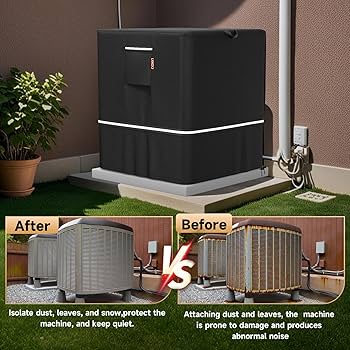
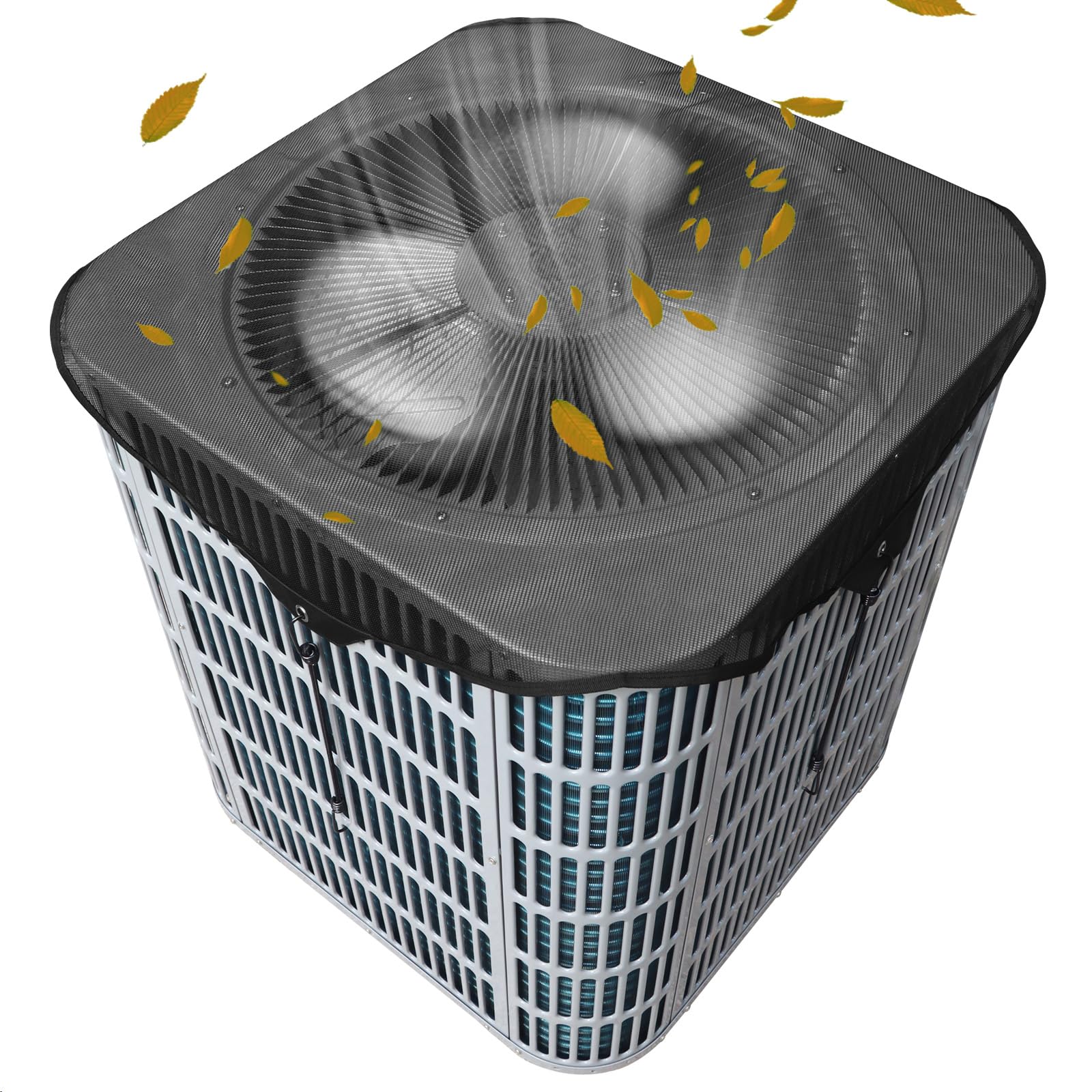
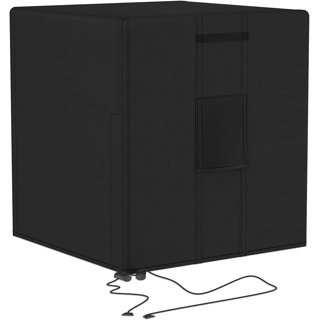
Use a protective cover designed for air conditioners. It shields the unit from dirt and scratches. Choose covers made from breathable material to avoid moisture build-up.
- Clean the air conditioner before covering it
- Place the cover tightly over the unit
- Secure the cover with straps or ties
- Check the cover regularly for damage
Sealing With Plastic Wrap
Plastic wrap helps seal the air conditioner and blocks dust and moisture. Wrap the unit carefully but avoid covering vents completely. This keeps the air inside dry.
| Material | Purpose |
| Plastic wrap | Blocks dust and moisture |
| Foam sheets | Protects from scratches |
| Breathable cover | Prevents moisture build-up |
Storing Accessories Together
Keep all parts and accessories in one place. This saves time when reinstalling the air conditioner next year. Store small items in labeled bags or boxes.
- Remote controls
- Mounting screws and brackets
- Instruction manuals
- Drain hoses or tubes
Maintenance During Storage
Storing your air conditioner properly helps it last longer. You must do regular checks and keep it clean. This guide covers key steps for winter storage.
Good maintenance prevents damage and keeps the unit ready for use next summer. Follow these tips on inspection, ventilation, and mold control.
Periodic Inspection
Check your air conditioner every few weeks during storage. Look for signs of damage or wear. Early detection helps avoid costly repairs later.
- Inspect the outer casing for cracks or dents.
- Check the power cord for frays or breaks.
- Examine the filters and clean or replace if dirty.
- Look inside for any loose parts or debris.
- Test the controls to ensure they still work properly.
Ventilation Tips
Proper airflow prevents moisture buildup inside the unit. Store your air conditioner in a dry, well-ventilated place. Avoid tight, sealed spaces.
- Choose a spot with good air circulation.
- Keep the unit off the floor to allow airflow underneath.
- Do not cover the air vents with plastic or cloth.
- Open windows or use fans if the storage area is enclosed.
Dealing With Mold And Mildew
Mold grows in damp, warm places. Keep your air conditioner dry to stop mold and mildew. Clean the unit before storage and check often.
| Action | Purpose |
|---|---|
| Wipe all surfaces with a cloth and mild detergent | Remove dirt and prevent mold spores |
| Use a vinegar-water spray inside the unit | Kill existing mold and mildew |
| Dry the unit completely before storing | Stop mold growth due to moisture |
| Check for mold every month | Catch and clean early signs |
Preparing For Next Season
Storing your air conditioner correctly helps it last longer. Proper care makes sure it works well next summer.
Follow simple steps to prepare your unit for winter. This keeps it safe and clean until you need it again.
Reassembling The Unit
After cleaning, put all parts back carefully. Make sure filters, panels, and screws are tight and in place.
- Attach the front panel securely.
- Reinsert the air filters properly.
- Check that all screws are tightened.
- Confirm the drainage system is clear.
Final Cleaning
Clean the unit one last time before storage. Dust and dirt can cause damage if left on the parts.
| Part | Cleaning Method |
|---|---|
| Exterior | Wipe with a damp cloth |
| Filters | Wash with mild soap and water |
| Vents | Use a soft brush to remove dust |
| Drainage | Clear blockages using a pipe cleaner |
Testing Before Use
Test the air conditioner before the warm season starts. This helps spot problems early and saves time later.
Check these key points during testing:
- Power on the unit and listen for unusual sounds.
- Ensure the cooling function works properly.
- Verify the remote control responds well.
- Inspect for any leaks or water buildup.
Credit: www.walmart.com
Frequently Asked Questions
How Do I Prepare My Air Conditioner For Winter Storage?
Clean the air filter and coils thoroughly. Drain any remaining water. Cover the unit to protect it from dust and moisture. Store in a dry, cool place to prevent damage during winter.
Should I Remove The Air Conditioner From The Window?
Yes, removing the AC prevents exposure to harsh winter elements. It also helps avoid damage from moisture and cold temperatures. Store it indoors in a dry area to prolong its lifespan.
How To Clean An Air Conditioner Before Winter Storage?
Turn off and unplug the unit. Remove and wash the filter with mild soap. Clean coils gently with a soft brush or vacuum. Dry all parts completely before storage.
Can I Store My Air Conditioner Outside During Winter?
No, storing outdoors exposes the unit to moisture and freezing temperatures. This can cause rust and mechanical issues. Always store the AC indoors in a dry, temperature-controlled environment.
Conclusion
Taking care of your air conditioner ensures its longevity. Proper storage during winter is essential. Clean the unit thoroughly. Remove dust and debris. Protect it with a durable cover. Store it in a dry place. This prevents rust and damage.
Check for any needed repairs. Schedule maintenance before next summer. Your AC will work efficiently. Proper care saves money in the long run. Enjoy cool air when you need it. Always prioritize regular maintenance and smart storage. Your future self will thank you.
Stay comfortable year-round with these simple steps.