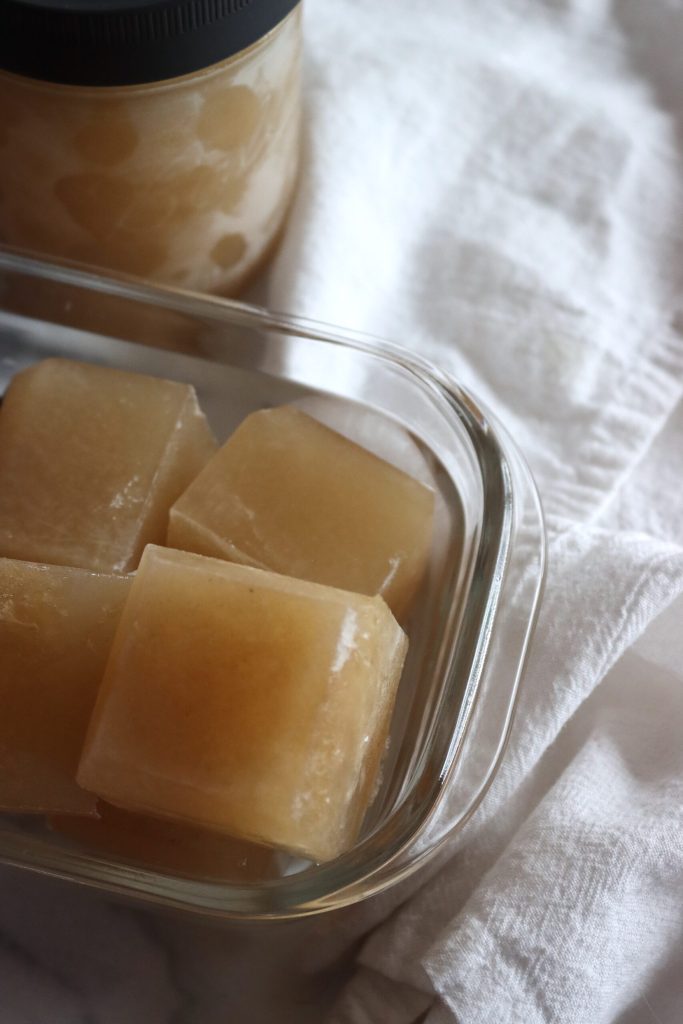
Storing bone broth in your freezer is a smart way to preserve its rich flavors and nutritional benefits, ensuring you have it on hand whenever you need it. You might wonder how to do it effectively without compromising quality.
Imagine the satisfaction of pulling out a perfect batch of homemade broth, ready to enhance your meals with its deep, savory essence. By learning a few simple techniques, you can master the art of freezing bone broth, saving time and reducing waste in the process.
Curious about the best methods to ensure your broth remains as delicious as the day you made it? Keep reading to discover how to make your freezer your broth’s best friend.
Credit: practicalselfreliance.com
Choosing The Right Containers
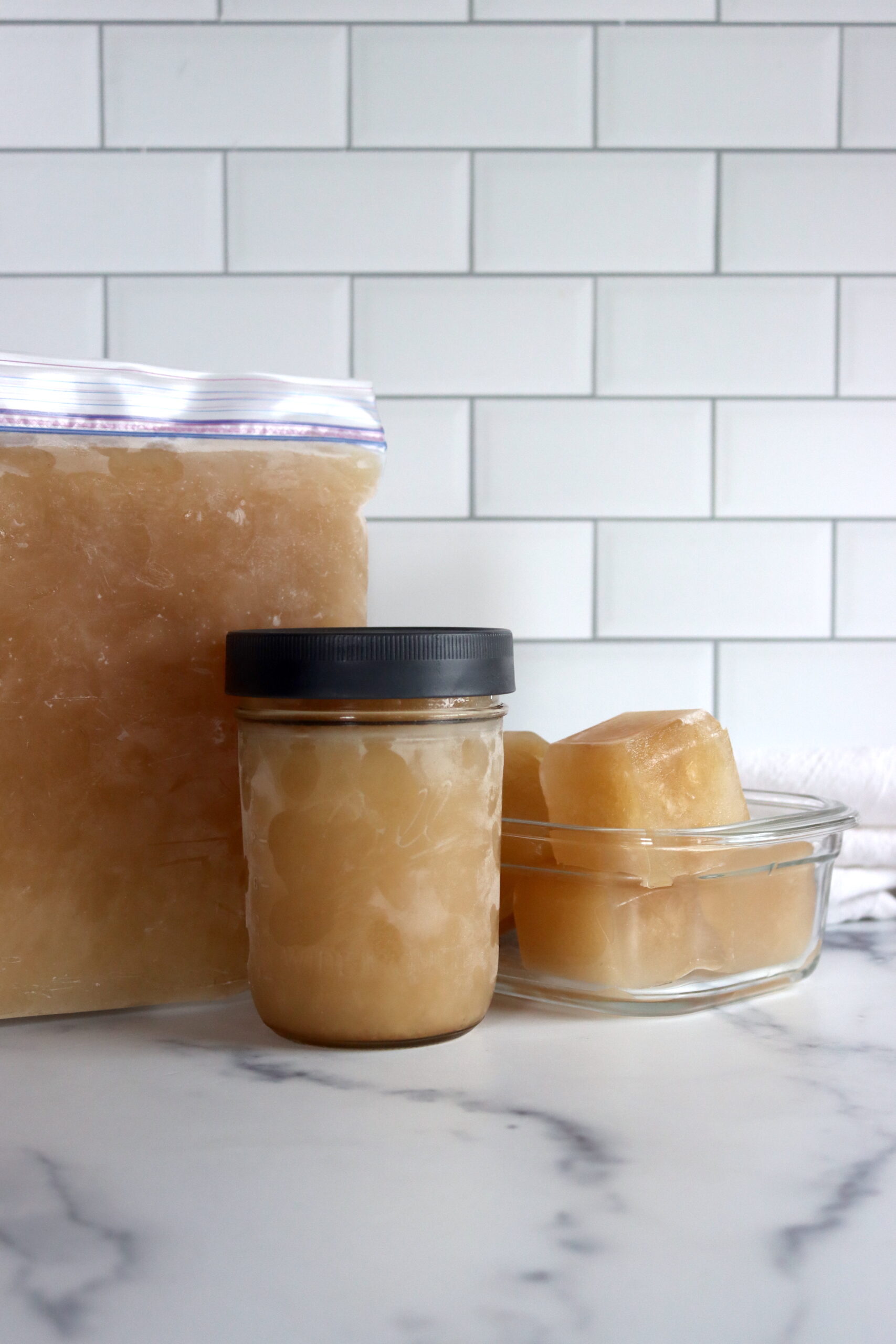
Choosing the right containers is key to storing bone broth safely and preserving its flavor. The right container protects the broth from freezer burn and keeps it fresh longer. It also makes thawing and reheating easier. Selecting containers with freezer-safe materials helps avoid cracks and leaks. Portion size matters too. Proper container choice saves space in the freezer and reduces waste.
Glass Vs Plastic Options
Glass containers do not absorb odors or stains. They keep broth fresh and taste pure. They are microwave safe and easy to clean. But glass can break if dropped or frozen too full.
Plastic containers are lightweight and less likely to break. They come in many sizes and shapes. Choose BPA-free plastic for safety. Some plastics may hold smells or stains over time.
Freezer-safe Materials
- Look for containers labeled “freezer safe” to prevent cracking.
- Thick plastic or tempered glass works well.
- Airtight lids help stop freezer burn and spills.
- Silicone containers are flexible and easy to pop out frozen broth.
- Avoid thin plastics that may crack or leak in cold.
Portion Size Tips
- Divide broth into small, usable amounts for easy thawing.
- Fill containers leaving 1–2 inches space for expansion.
- Use ice cube trays for tiny portions like for sauces.
- Label containers with date and portion size for quick use.
- Choose stackable containers to save freezer space.
Credit: practicalselfreliance.com
Cooling Bone Broth Properly
Cooling bone broth properly before freezing is essential to keep it safe and tasty. If you don’t cool it down quickly and correctly, bacteria can start to grow, and the flavor can suffer. Taking the right steps not only protects your health but also preserves the rich taste you worked hard to create.
Avoiding Bacterial Growth
Bacteria multiply rapidly when food stays in the “danger zone” between 40°F and 140°F (4°C to 60°C). To keep your broth safe, you want to move it out of this temperature range as quickly as possible.
One trick I learned is to divide the broth into smaller portions right after cooking. Smaller amounts cool faster and reduce the risk of bacterial growth. Don’t leave your broth sitting on the counter for hours—cool it within two hours after cooking.
Using Ice Baths
An ice bath is one of the fastest ways to cool your bone broth safely. Fill a large bowl or sink with ice and cold water, then place your pot or container of broth into it.
- Stir the broth occasionally to help heat escape.
- Make sure the water level is high enough to touch the sides of the container but not spill into the broth.
This simple step can cut cooling time dramatically, helping you freeze the broth sooner and lock in freshness.
Time Limits Before Freezing
You should freeze the bone broth within 4 hours of cooking to keep it fresh and safe. Waiting longer increases the risk of spoilage and bacterial contamination.
Have you noticed how some broths taste off after being left out too long? That’s often the result of improper cooling. To avoid this, plan ahead so you can chill and freeze your broth promptly.
Freezing Techniques
Freezing bone broth correctly can keep its rich flavor and nutrients intact for months. The right freezing techniques prevent freezer burn and make thawing easier. These simple steps help you enjoy your homemade broth anytime without wasting a drop.
Leaving Space For Expansion
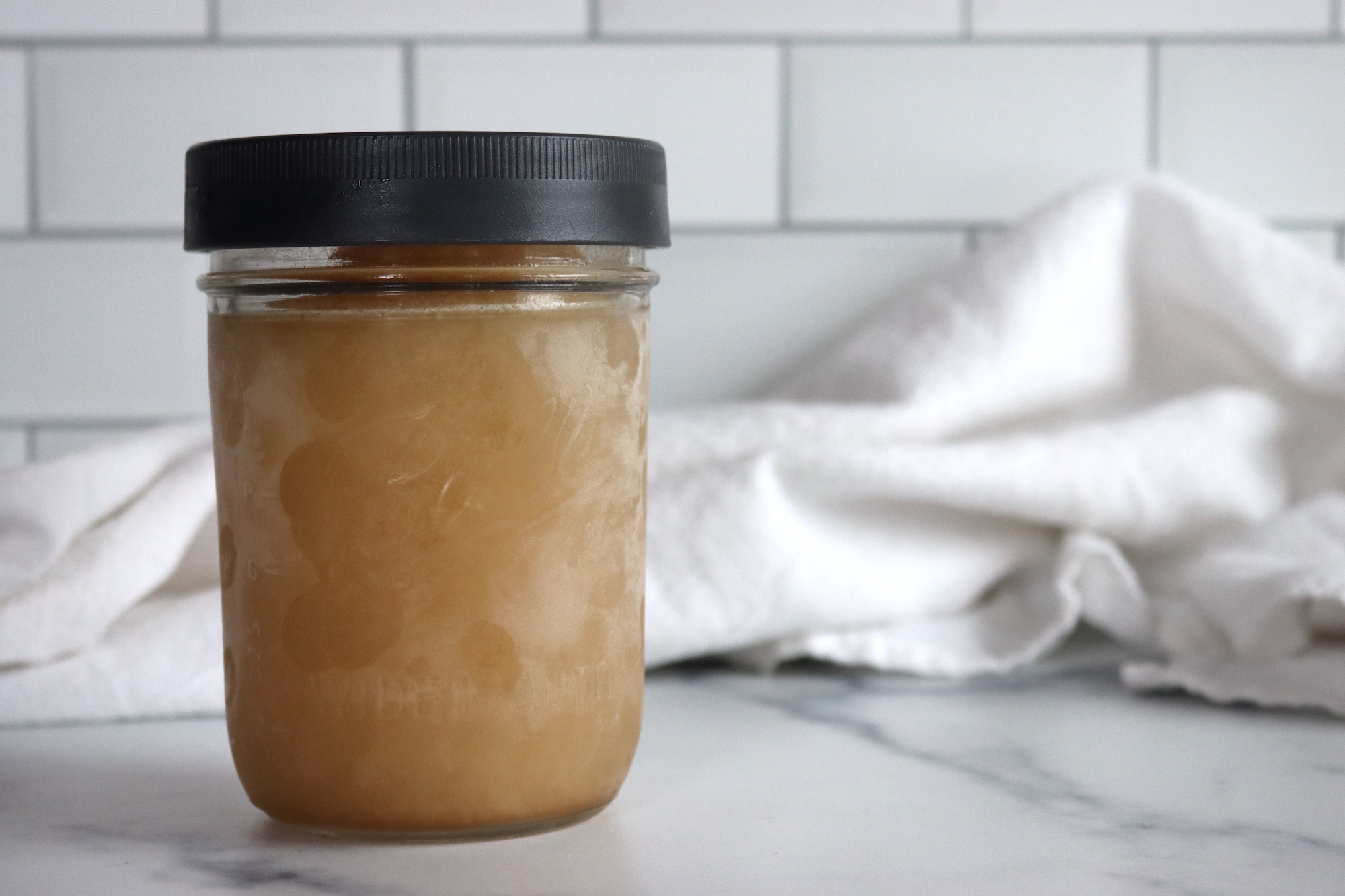
Bone broth expands as it freezes, so always leave some room at the top of your container. Filling containers to about ¾ full works best to avoid spills or broken jars. I once forgot this and ended up with a frozen mess in my freezer—trust me, it’s not worth the cleanup.
Using flexible containers or silicone molds can help accommodate this expansion. If you use glass jars, pick ones with wide mouths and leave at least an inch of space.
Labeling And Dating
Label every container with the date you froze the broth. This simple habit saves you from guessing how long it’s been stored. Write the date clearly on masking tape or use a freezer-safe marker directly on the container.
You might want to add the type of broth or any special ingredients too. It helps when you have multiple batches and want to grab the right one fast.
Freezer Organization Tips
Organize your freezer so your bone broth is easy to find and rotate. Store containers in neat rows or stackable bins to maximize space. Keep newer batches behind older ones to use them in order.
Consider grouping broth containers separately from other items. This way, you avoid digging through frozen goods and can grab broth quickly for your next recipe.
Thawing Bone Broth Safely
Thawing bone broth safely protects its flavor and nutrients. It stops bacteria growth and keeps the broth fresh. Always plan ahead to thaw bone broth correctly. Quick defrosting can spoil the broth or cause uneven heating.
Refrigerator Thawing
Place frozen bone broth in the fridge. Let it thaw slowly for 12 to 24 hours. This method keeps the broth at a safe, cool temperature. It preserves taste and quality. Use thawed broth within 3 to 4 days. Never refreeze broth after thawing in the fridge.
Cold Water Method
Seal bone broth in a leak-proof bag. Submerge the bag in cold water. Change the water every 30 minutes. This speeds up thawing without warming the broth too fast. Expect thawing to take 1 to 3 hours. Use broth immediately after thawing.
Microwave Defrosting
Use the microwave’s defrost setting for faster thawing. Remove any metal lids or foil. Heat broth in short intervals of 30 seconds. Stir broth between intervals to distribute heat evenly. Be careful not to cook the broth. Use immediately after microwaving to avoid bacteria growth.
Maintaining Bone Broth Freshness
Maintaining the freshness of your bone broth in the freezer is essential to preserve its rich flavor and nutrients. Proper storage techniques can prevent common issues like freezer burn and spoilage. Knowing how long you can safely keep your broth frozen and what signs to watch for ensures you always enjoy a delicious and healthy meal addition.
Avoiding Freezer Burn
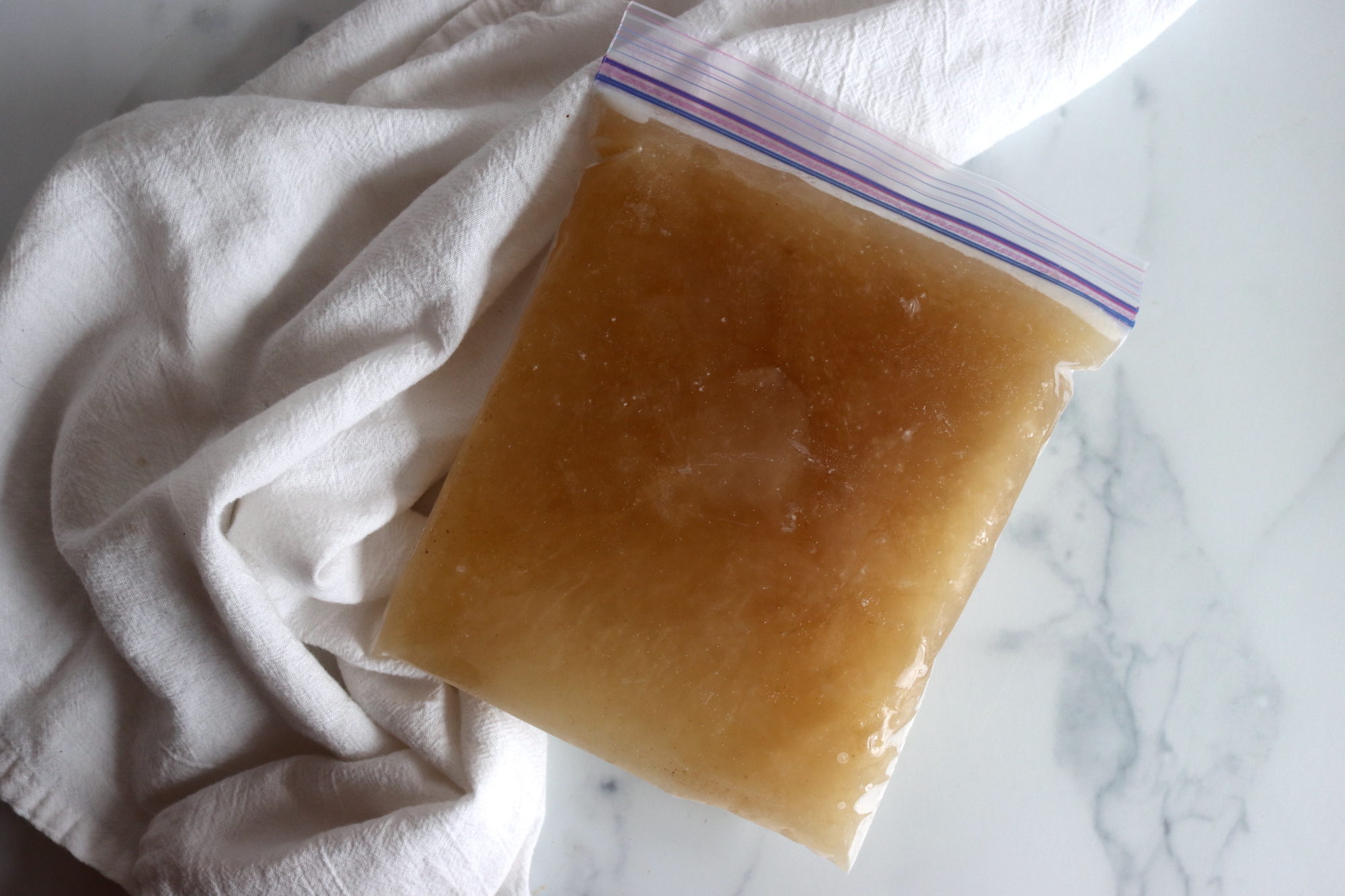
Freezer burn happens when bone broth is exposed to air inside the freezer, causing dry spots and off-flavors. To avoid this, use airtight containers or heavy-duty freezer bags. Remove as much air as possible before sealing—press the bags flat or use a vacuum sealer for the best results.
Another tip is to portion your broth into smaller servings. This limits the number of times you open and close containers, reducing air exposure. Have you ever noticed a strange texture or taste after freezing? That’s often freezer burn at work, and it’s avoidable with proper packaging.
Storage Duration Guidelines
Bone broth stays best in the freezer for about 4 to 6 months. After this period, the flavor and nutritional quality start to decline. Label your containers with the date so you can track how long they’ve been stored.
If you plan to keep broth longer, consider freezing it in ice cube trays first. Once frozen, transfer the cubes into bags or containers. This method lets you thaw only what you need, reducing waste and preserving freshness.
Signs Of Spoilage
Frozen bone broth can spoil if stored improperly or kept too long. Look out for an off smell, unusual cloudiness, or a slimy texture once thawed. These are clear signs the broth is no longer safe to use.
Have you ever tasted broth that just felt “off”? Trust your senses—if the flavor or smell is strange, it’s better to discard it. Keeping your broth fresh means paying attention to these warning signs before cooking.
Credit: practicalselfreliance.com
Frequently Asked Questions
How Long Can Bone Broth Stay In The Freezer?
Bone broth can be stored in the freezer for up to 6 months. Proper airtight containers help maintain freshness and prevent freezer burn. Label containers with the date to track storage time easily.
What Is The Best Container For Freezing Bone Broth?
Use airtight, freezer-safe containers or heavy-duty freezer bags. Glass jars with wide mouths or BPA-free plastic containers work well. Avoid overfilling containers to allow expansion during freezing.
How To Thaw Frozen Bone Broth Safely?
Thaw bone broth overnight in the refrigerator for best results. For quicker thawing, use a microwave or place the container in warm water. Avoid thawing at room temperature to prevent bacterial growth.
Can I Refreeze Thawed Bone Broth?
It is not recommended to refreeze thawed bone broth. Repeated freezing and thawing can degrade flavor and texture and increase food safety risks. Use thawed broth within 2-3 days.
Conclusion
Storing bone broth in the freezer keeps it fresh longer. Use airtight containers or freezer bags to avoid freezer burn. Label each container with the date to track freshness. Freeze in small portions for easy use later. Thaw broth slowly in the fridge for best taste.
Proper storage saves time and reduces waste. Enjoy homemade bone broth anytime with these simple steps. Easy and effective.