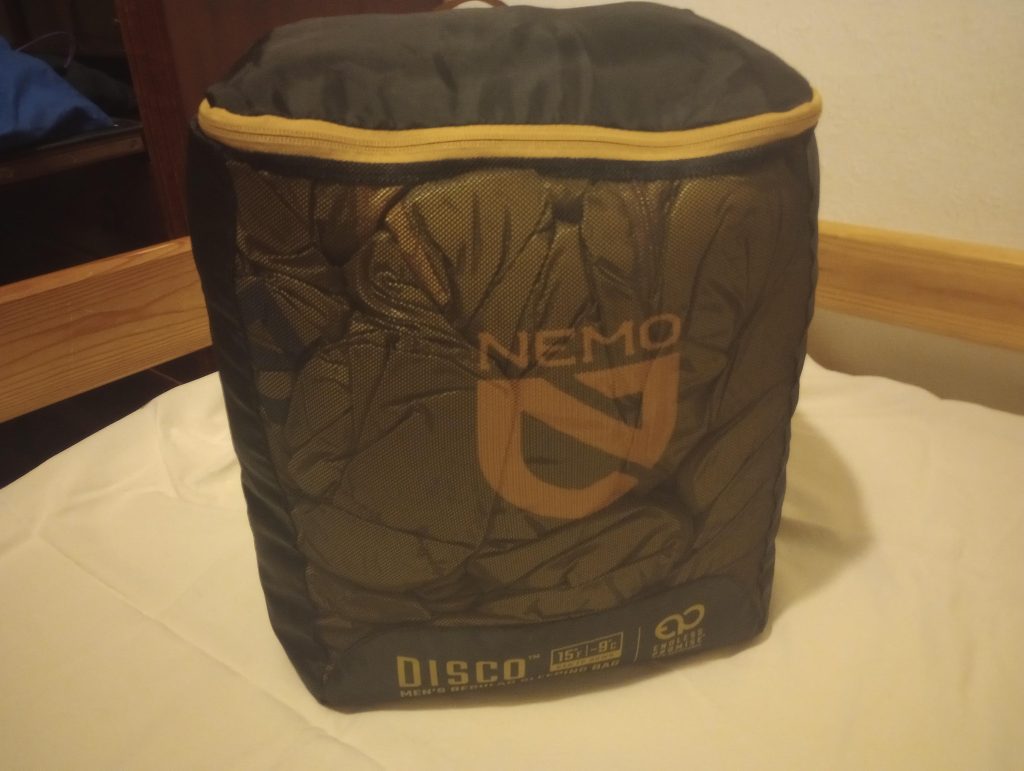
You’ve invested in a down sleeping bag because you know it keeps you warm and cozy during chilly nights. But do you know how to store it the right way to keep it fluffy and effective for years?
If you leave it crammed in a tight stuff sack or packed away damp, your sleeping bag can lose its loft and warmth—defeating the whole purpose. In this post, you’ll discover simple, practical tips to store your down sleeping bag properly.
Follow these easy steps, and your gear will stay in top shape, ready to keep you comfortable on every adventure. Keep reading—you don’t want to ruin your favorite sleeping bag without even realizing it.
Choose The Right Storage Location
Storing your down sleeping bag properly helps it last longer. Picking the right place keeps the insulation safe and dry.
Choose a spot that protects your sleeping bag from damage. This keeps it soft and warm for your next trip.
Avoid Damp And Humid Areas
Dampness can ruin down insulation by causing mold and mildew. Humid places make your sleeping bag smell bad and lose fluff.
Do not store your sleeping bag in basements or near water pipes. These areas often have high moisture levels.
- Keep away from bathrooms
- Avoid laundry rooms
- Stay clear of crawl spaces
Keep Away From Direct Sunlight
Sunlight can fade the fabric and weaken the down inside. UV rays break down materials over time.
Store your sleeping bag in a shaded place or inside a closet. This protects it from sun damage and keeps it looking new.
- Do not leave it near windows
- Avoid sun-exposed shelves
- Use a fabric storage sack if needed
Select A Cool, Dry Spot
A cool and dry location helps keep your sleeping bag fresh. Heat can dry out the down and reduce its insulation.
Choose a place with good air circulation and low temperature. A closet or a drawer works well for storage.
- Avoid places near heaters
- Keep it off the floor
- Use a breathable storage bag

Credit: www.hammockforums.net
Clean Your Sleeping Bag First
Keeping your down sleeping bag clean helps it last longer and stay warm. Dirt and oils can damage the fabric and fill over time.
Before storing your sleeping bag, make sure it is clean and dry. Follow these tips to clean it properly.
Spot Clean For Minor Stains
Small stains do not need a full wash. Spot cleaning saves time and protects the insulation inside your bag.
- Use a damp cloth with mild soap
- Gently rub the stained area only
- Avoid soaking the fabric
- Let the spot air dry completely
Follow Washing Instructions
Always check the care label on your sleeping bag before washing. Different bags may have special instructions.
| Washing Method | Details |
| Machine Wash | Use a front-loading machine on gentle cycle with cold water |
| Hand Wash | Fill a tub with cold water and mild detergent, soak and rinse gently |
| Detergent | Use a cleaner made for down or a gentle soap |
| Avoid | Bleach, fabric softeners, and hot water |
Dry Thoroughly Before Storing
Dry your sleeping bag completely to prevent mold and odor. Down takes longer to dry than synthetic fills.
Follow these tips for drying:
- Tumble dry on low heat with clean tennis balls or dryer balls
- Stop and fluff the bag every 30 minutes to break up clumps
- Lay flat in a warm, dry place if you do not use a dryer
- Store only when fully dry to avoid mildew
Use Appropriate Storage Bags
Storing your down sleeping bag correctly keeps it fluffy and warm. Using the right storage bag helps the down stay dry and lofted. Avoid damage by choosing proper materials for long-term care.
Many people make mistakes by compressing their sleeping bags for a long time. This can hurt the down and reduce its insulating power. Let’s look at the best ways to store your bag safely.
Avoid Compression Sacks For Long-term Storage
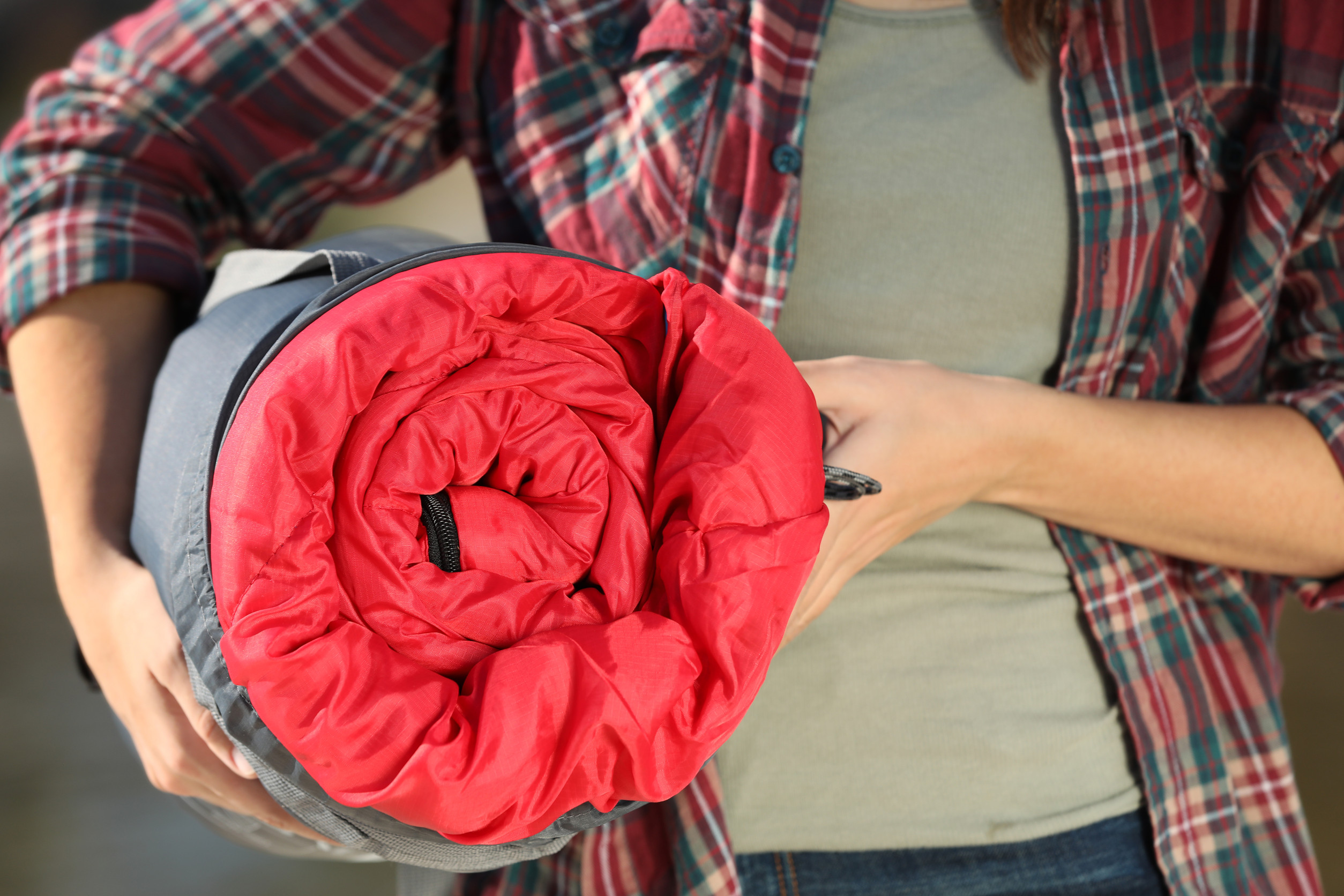
Compression sacks squeeze the down to save space. This is good for travel but bad for storage. Long-term use of compression sacks can break down the down fibers.
Keeping your sleeping bag compressed for months can cause it to lose loft. This makes the bag less warm and cozy. Always remove the bag from compression sacks after your trip.
Opt For Breathable Storage Sacks
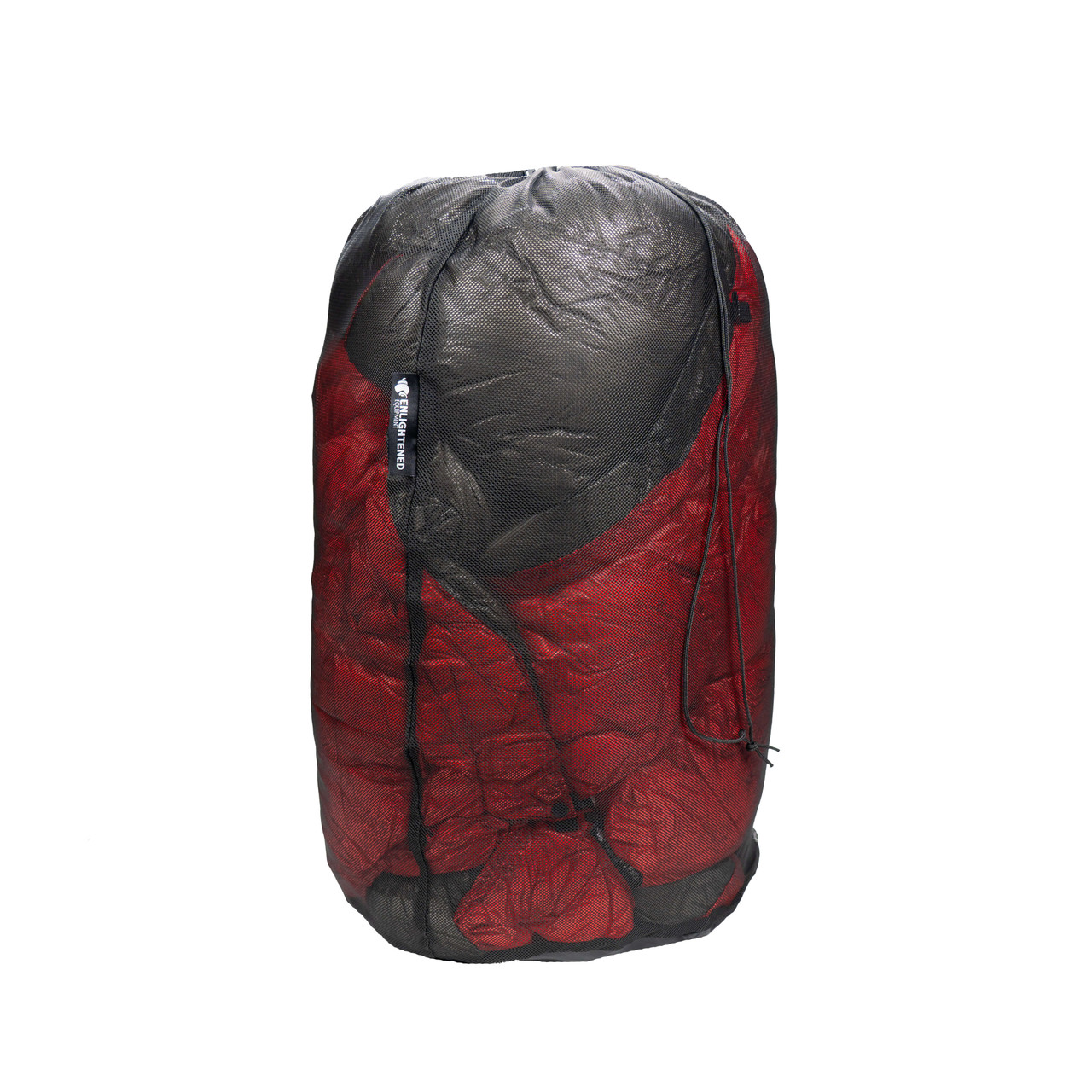
Breathable storage sacks let air flow around the sleeping bag. This stops moisture buildup and mold growth. Cotton or mesh bags work well for this purpose.
- Keep the bag dry by allowing air circulation.
- Prevent musty smells and mildew.
- Help the down maintain its loft and warmth.
Store In A Large Cotton Or Mesh Bag
Use a large cotton or mesh bag that fits your sleeping bag loosely. This way, the down can expand and stay fluffy. Avoid plastic bags as they trap moisture inside.
| Storage Type | Pros | Cons |
| Cotton Bag | Breathable, natural fiber, protects from dust | Can absorb moisture if stored in damp places |
| Mesh Bag | Excellent airflow, lightweight, easy to clean | Offers less protection from dust |
| Plastic Bag | Waterproof | Traps moisture, causes mildew and odor |
| Compression Sack | Saves space for travel | Damages down if used long term |
Credit: www.optimistdaily.com
Store Loosely To Maintain Loft
Down sleeping bags need careful storage to keep their fluffiness. Storing them tightly can crush the down and reduce warmth.
Keeping the bag loose helps the down stay full and traps more air for insulation.
Prevent Compression Damage
Do not store your down sleeping bag in its tight stuff sack for long periods. Compression breaks down the down clusters, making the bag less warm.
- Use a large cotton storage sack instead of a compression sack.
- Store the bag in a cool, dry place to avoid moisture damage.
- Keep the sleeping bag away from direct sunlight to protect the fabric.
- Allow the bag to air out before storing to prevent odors and mildew.
Hang Or Lay Flat When Possible
Hanging or laying the sleeping bag flat helps keep the down evenly distributed. This stops the insulation from clumping in one spot.
| Storage Method | Benefit | Tip |
| Hanging | Keeps loft full and even | Use wide, padded hangers to avoid marks |
| Laying Flat | Prevents compression and clumping | Store on a clean surface away from moisture |
| Loose Sack | Protects from dust and light compression | Use a breathable cotton bag |
Protect Against Pests And Mold
Keeping your down sleeping bag safe from pests and mold helps it last longer. Proper storage stops damage and keeps it fresh.
Use simple methods to protect your bag. Natural repellents and regular checks work well to keep it clean and dry.
Use Natural Repellents
Natural repellents keep pests away without chemicals. They also prevent mold by absorbing moisture.
- Cedar blocks or chips can be placed near the sleeping bag.
- Lavender sachets offer a fresh smell and deter insects.
- Dry rosemary or mint leaves work well as natural pest repellents.
- Place silica gel packets to reduce moisture inside the storage area.
Regularly Inspect Your Bag
Check your sleeping bag often for signs of pests or mold. Early detection stops bigger problems.
| Inspection Area | What to Check |
| Outer Fabric | Look for holes or stains |
| Inside the Bag | Check for dampness or mold spots |
| Zippers and Seams | Make sure they work well and are clean |
| Storage Area | Keep it dry and free from pests |
Prepare For Next Use
Properly storing your down sleeping bag helps keep it warm and fluffy. Taking time to prepare it after each trip extends its life.
Follow simple steps to get your sleeping bag ready for the next adventure.
Air Out Before Packing
After using your sleeping bag, hang it in a dry, shaded place. Let it air out for a few hours to remove moisture and odors.
Airing out prevents mold and keeps the down insulation healthy.
Re-fluff And Shake Down
Gently shake your sleeping bag to spread the down evenly. This restores its loft and warmth for your next trip.
If the down feels clumped, pat it with your hands to break it apart.
- Hold the bag by the top and shake it lightly
- Lay it flat and pat the down with your hands
- Check for any cold spots or clumps
- Repeat shaking and patting if needed
Credit: enlightenedequipment.com
Frequently Asked Questions
How Should I Store A Down Sleeping Bag Long-term?
Store your down sleeping bag loosely in a large cotton or mesh storage sack. Avoid compression to maintain loft and insulation. Keep it in a cool, dry, and well-ventilated area to prevent mold and damage.
Can I Store My Down Sleeping Bag In A Compression Sack?
No, avoid storing your down sleeping bag in a compression sack long-term. Compression reduces loft and damages insulation. Use compression sacks only for short-term travel or camping purposes.
Why Avoid Storing Down Sleeping Bags In Plastic Bags?
Plastic bags trap moisture and hinder airflow, causing mold and mildew. Down needs to breathe to stay dry and fluffy. Always use breathable storage bags like cotton or mesh for down sleeping bags.
How Often Should I Air Out My Down Sleeping Bag?
Air out your down sleeping bag every few months to keep it fresh. Hang it in a shaded, ventilated area to dry and restore loft. Regular airing prevents odors and moisture buildup.
Conclusion
Storing your down sleeping bag correctly ensures it lasts longer. Keep it dry and clean to prevent damage. Use a breathable storage sack for better air circulation. Avoid compressing it for long periods to maintain its loft. Store it in a cool, dry place away from sunlight.
Following these simple steps helps preserve your sleeping bag’s quality. Enjoy warm and comfortable nights on your future adventures. Proper care today means a cozy sleep tomorrow. Keep these tips in mind, and your sleeping bag will serve you well for years.