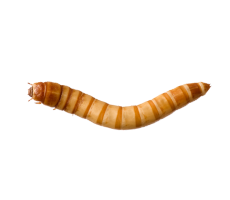
Are you raising reptiles, birds, or fish? If so, mealworms are likely a staple in your pet’s diet.
But how do you keep these little critters fresh and lively for when your pets need them most? The secret might just be in your refrigerator. Storing mealworms properly can make all the difference in ensuring they stay nutritious and ready to serve.
Imagine never having to deal with the hassle of spoiled or lifeless mealworms again. Intrigued? In this guide, we’ll walk you through the simple steps to store mealworms in your refrigerator, so you can keep them fresh and your pets happy. Stick around to discover tips that could save you time, money, and a whole lot of frustration.

Credit: www.reddit.com
Choosing The Right Container
Choosing the right container for storing mealworms in your refrigerator is crucial to keep them healthy and active. The container you select affects airflow, moisture levels, and how easy it is to manage your mealworms. Picking the wrong one can lead to mold growth or suffocation, ruining your mealworm stock.
Best Materials For Storage
Plastic and glass containers work well, but each has pros and cons. Plastic containers are lightweight and easy to handle, but some types can trap moisture, causing mold. Glass containers offer better visibility and don’t absorb odors, but they are heavier and breakable.
Personally, I prefer sturdy plastic containers with smooth sides. They are easy to clean and less likely to crack if dropped. Avoid cardboard or paper boxes—they absorb moisture quickly and don’t last long in the fridge environment.
Size And Ventilation Needs
The container size depends on how many mealworms you plan to store. Overcrowding leads to stress and higher waste buildup, which harms their health. Choose a container that gives mealworms enough space to move freely.
Ventilation is just as important. Mealworms need fresh air to prevent suffocation and mold. Drill or punch small holes in the container lid to allow airflow, but make sure the holes are small enough to keep the mealworms inside.
Have you noticed your mealworms becoming sluggish or moldy? It might be time to rethink your container choice and ventilation setup. Small changes here can make a big difference in their survival and growth.
Preparing Mealworms For Storage
Preparing mealworms for storage is essential for keeping them fresh and healthy. Proper preparation helps prevent spoilage and extends their shelf life. It involves cleaning, sorting, and feeding the mealworms before placing them in the refrigerator.
Cleaning And Sorting
Start by removing any dead or damaged mealworms. Dead mealworms can cause mold and bad smells. Gently shake or sift the mealworms to separate them from debris like shed skins or leftover food. Use a fine mesh strainer or a clean container to make this easier. Sorting helps keep only healthy mealworms for storage.
Feeding Before Refrigeration
Feed the mealworms a small amount of fresh food before storing. Suitable options include slices of carrots, potatoes, or apples. These foods provide moisture and nutrients during refrigeration. Avoid feeding too much to prevent mold growth. Remove uneaten food after a day or two to keep the environment clean.
Ideal Refrigerator Settings
Setting your refrigerator correctly is essential for keeping mealworms fresh and healthy. Ideal refrigerator settings help slow down their metabolism without causing harm. This balance extends their shelf life and keeps them active when you need them.
Optimal Temperature Range
Mealworms thrive best between 2°C and 5°C (36°F to 41°F). Temperatures below 2°C can freeze them, leading to death. If the temperature is above 5°C, mealworms become too active and may spoil faster.
Keeping the temperature steady is important. Frequent door openings can cause fluctuations. Consider using a thermometer inside the fridge to monitor this precisely.
Humidity Control Tips
Maintaining proper humidity prevents mealworms from drying out or getting moldy. Aim for around 70% relative humidity.
Use a shallow container with a damp paper towel placed near the mealworm storage box to add moisture. Avoid soaking the towel, as excess water can cause mold growth.
Have you checked the humidity levels in your fridge before? Small adjustments can make a big difference in mealworm survival.
Storage Duration And Monitoring
Storing mealworms in the refrigerator helps keep them fresh and alive longer. Proper storage duration and regular monitoring are key to maintaining their quality. Knowing how long mealworms stay fresh and spotting signs of spoilage early ensures you use them safely and efficiently.
How Long Mealworms Stay Fresh
Mealworms can stay fresh in the fridge for about two to four weeks. Cooler temperatures slow down their metabolism and growth. Keep the temperature around 40°F (4°C) for best results. Avoid freezing as it kills mealworms. Store them in a breathable container with some bedding like oats or bran.
Check on them weekly to remove any dead or moldy worms. Feeding them a small amount of fresh vegetable, like carrot slices, helps maintain moisture. Proper care extends their freshness and usability.
Signs Of Spoilage To Watch
Watch for changes that indicate mealworms are spoiled or dying. Look for:
- Unpleasant or sour smell
- Excess moisture or wet bedding
- Black or darkened worms
- Mold growth in the container
- Worms that do not move or feel dry
Removing spoiled mealworms prevents spread to healthy ones. Regularly cleaning the container and changing bedding helps maintain a healthy environment. Early detection of spoilage keeps your mealworms fresh and safe to use.
Handling Mealworms After Storage
Handling mealworms after storing them in the refrigerator requires care to ensure they remain healthy and active. Cold storage slows their metabolism, so they need gentle warming and feeding before use. Proper handling improves their survival and vitality for feeding pets or other uses.
Warming Up Procedures
Remove the mealworms from the refrigerator and place them in a cool room. Avoid sudden temperature changes to prevent shock. Let them warm up gradually over 2 to 4 hours. Use a shallow container with ventilation for better air flow. Keep them away from direct sunlight or heat sources. This slow warming helps mealworms regain normal activity.
Refeeding And Reviving
Once warmed, provide fresh food like slices of carrots, potatoes, or apples. These foods supply moisture and nutrients needed after cold storage. Replace old food to prevent mold growth. Check mealworms daily and remove any dead ones. Keep their bedding clean and dry. Feeding and cleaning revive mealworms for healthy growth and movement.
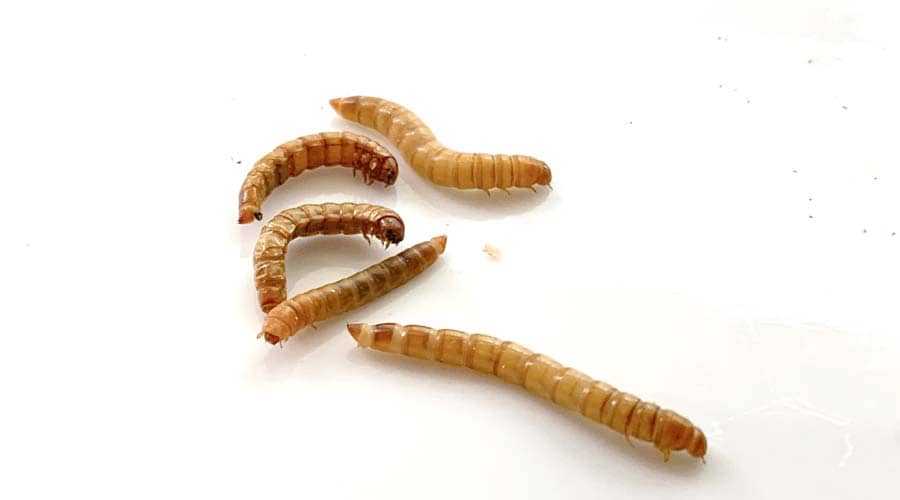
Credit: www.tyrantfarms.com
Common Mistakes To Avoid
Storing mealworms in the refrigerator seems easy but many make simple mistakes. These errors can harm the mealworms and reduce their shelf life. Avoiding common pitfalls keeps your mealworms healthy and fresh for longer.
Overcrowding Issues
Putting too many mealworms in one container causes stress and injury. Overcrowding leads to fights and higher waste buildup. This can cause mold and bacteria growth. Use a container that allows space for movement. Spread mealworms out to give air and room to grow.
Ignoring Ventilation
Mealworms need air to stay alive in the fridge. Sealing containers tightly traps moisture and heat. This creates a wet environment that can kill mealworms. Use containers with small holes or loose lids. This keeps air flowing while keeping worms inside. Proper ventilation stops mold and keeps mealworms fresh.
Alternatives To Refrigeration
Refrigeration is a common way to keep mealworms fresh, but it is not the only option. Different storage methods can suit various needs and conditions. Some alternatives extend shelf life and maintain mealworm quality without using a fridge. These methods help if space is limited or electricity is unavailable.
Freezing Options
Freezing mealworms stops their growth and preserves them for a long time. Place mealworms in an airtight container or freezer bag. Remove as much air as possible before sealing. Freeze mealworms quickly to keep their texture and nutrients intact.
Frozen mealworms stay safe for several months. Thaw them in the refrigerator before use. Avoid refreezing thawed mealworms. Freezing is ideal for long-term storage without spoilage.
Dry Storage Methods
Dry storage keeps mealworms in a low-moisture environment. This method slows decay and reduces mold risk. Spread mealworms on paper towels or mesh trays. Let them air dry in a cool, dry place with good airflow.
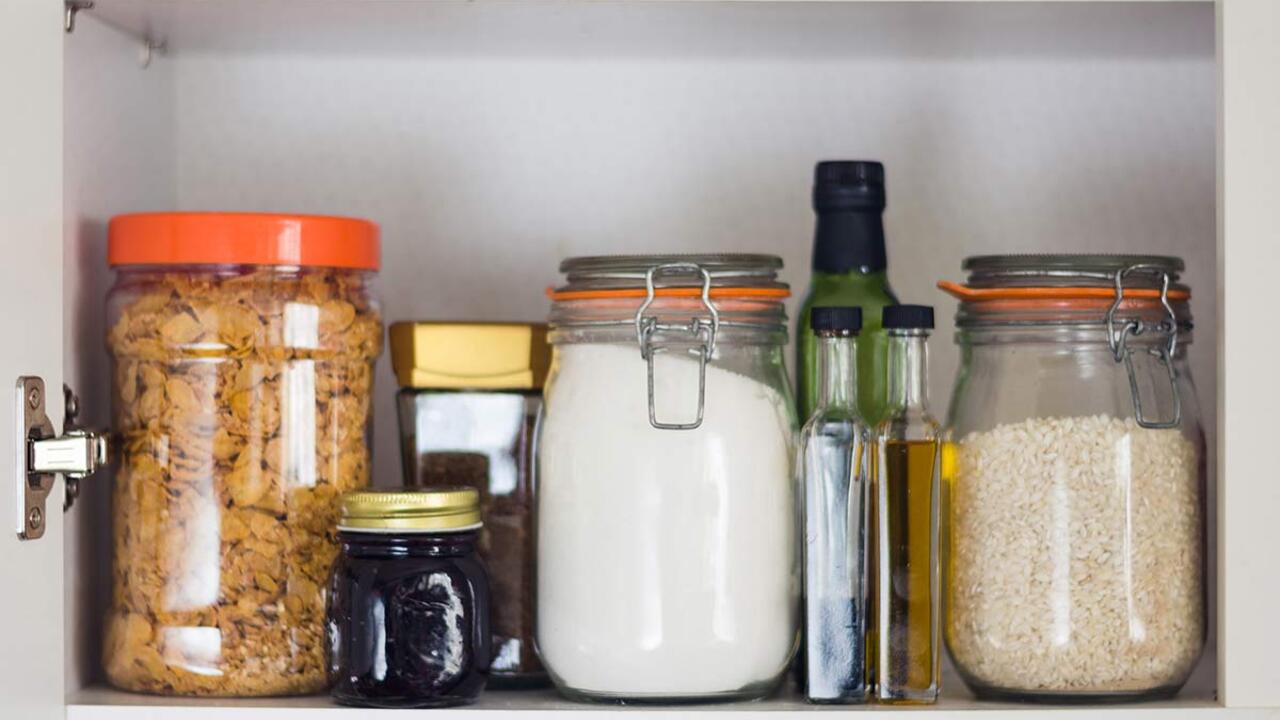
Once dry, store mealworms in sealed containers. Use silica gel packets to absorb moisture inside containers. Keep the storage area dark to avoid heat damage. Dry mealworms last longer and stay crisp.
Credit: extension.msstate.edu
Frequently Asked Questions
How Long Can Mealworms Be Stored In A Refrigerator?
Mealworms can be stored in the refrigerator for up to 2-3 months. Keep them in a breathable container with bedding like oats. This slows their metabolism and prevents them from growing or dying quickly, ensuring freshness and usability for feeding or other purposes.
What Temperature Is Ideal For Storing Mealworms?
The ideal refrigerator temperature for mealworms is around 40°F (4°C). This temperature keeps them dormant without freezing or killing them. Maintaining this cool, stable environment helps extend their shelf life and prevents spoilage or excessive moisture buildup inside the storage container.
How Should Mealworms Be Prepared Before Refrigeration?
Before refrigerating, remove uneaten food and waste from the mealworms. Place them in a container with dry bedding such as oats or bran. Avoid excess moisture to prevent mold growth. Clean preparation ensures the mealworms stay healthy and last longer during storage.
Can Mealworms Survive Freezing Temperatures?
Mealworms should not be frozen as freezing kills them. Keep them refrigerated at cool temperatures instead. Freezing damages their cells, making them unusable for feeding or breeding. Proper refrigeration is the best method to preserve live mealworms safely.
Conclusion
Storing mealworms in the refrigerator keeps them fresh longer. Keep them in a breathable container with some food. Check on them often to remove any dead worms. Keep the temperature steady, not too cold or warm. Proper storage helps maintain their quality for feeding or bait.
Follow these simple steps for best results. Your mealworms will stay healthy and ready to use. Easy and effective storage makes your work easier. Remember, care is key for healthy mealworms.