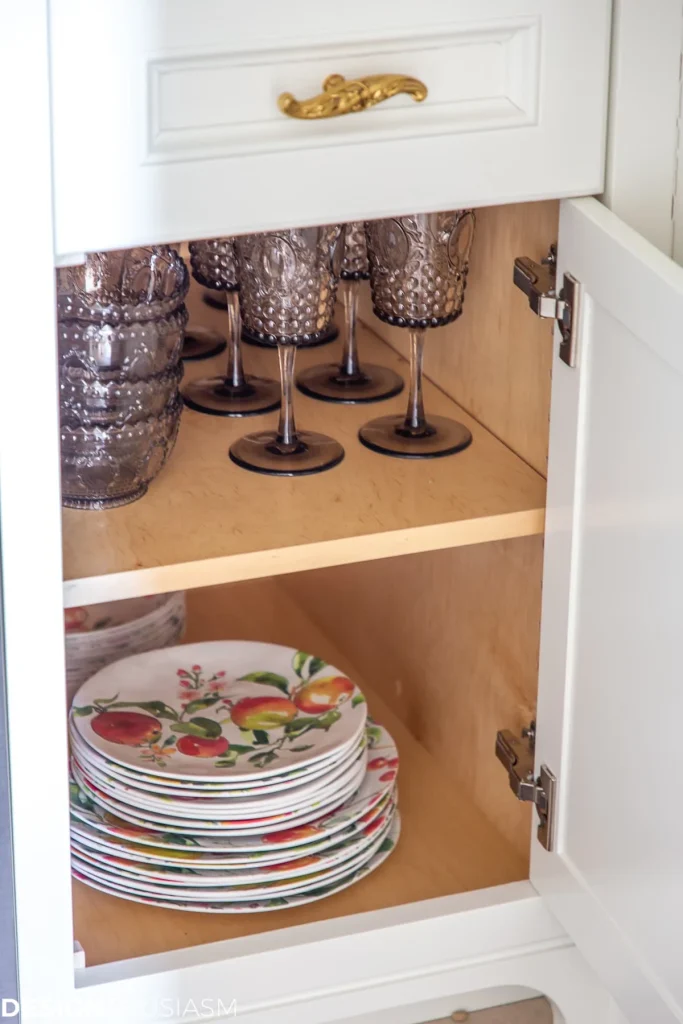
Are you tired of digging through cluttered cabinets every time you need your serving platters? Storing these important pieces the right way can save you time, protect your dishes from damage, and keep your kitchen looking neat.
Imagine opening your cupboard and instantly finding the platter you want, without the hassle. You’ll discover simple and effective tips to store your serving platters safely and conveniently. Keep reading, and make your kitchen work smarter for you!
Credit: www.livingetc.com
Choosing The Right Storage Space
Serving platters come in many sizes and shapes. Storing them properly keeps them safe and easy to find.
Choosing the right place for storage helps protect your platters from damage. It also saves space in your kitchen.
Assessing Available Kitchen Areas
Look around your kitchen to find spots for storing platters. Check cabinets, shelves, and drawers.
Measure the height and width of these areas. Make sure platters fit without forcing or stacking too tightly.
- Empty unused cabinets and shelves
- Clear space near the dining area
- Check under counters for extra room
- Use wall space for hanging racks if possible
Maximizing Cabinet And Shelf Use
Place platters vertically to save space and prevent scratches. Use dividers or stands to keep them upright.
Stack platters only if they have soft padding between them. This stops chips and cracks during storage.
- Use shelf risers to add extra layers
- Add non-slip mats to prevent sliding
- Store frequently used platters at eye level
- Group similar shapes and sizes together
Protecting Platters From Damage
Serving platters need careful storage to stay in good shape. Proper protection helps avoid costly damage.
Use simple methods to keep platters safe from cracks, scratches, and chips. This guide shows easy ways to protect them.
Using Padding And Liners
Padding and liners create a soft barrier between platters. This stops them from hitting hard surfaces or other dishes.
- Use bubble wrap or foam sheets to cushion each platter.
- Place felt or cloth liners between stacked platters.
- Store platters vertically with padding in between.
- Use storage boxes with built-in compartments or padding.
Avoiding Scratches And Chips
Scratches and chips reduce a platter’s beauty and function. Handle platters with care to prevent damage.
| Tip | How It Helps |
| Clean platters before storage | Removes particles that cause scratches |
| Do not stack heavy items on top | Prevents pressure that causes chips |
| Use soft cloth when moving platters | Reduces risk of accidental knocks |
| Store in a dry place | Prevents weakening of material |
Organizing By Size And Shape
Storing serving platters neatly saves space and protects them from damage. Sorting platters by their size and shape helps keep your kitchen tidy.
Grouping similar platters together makes it easier to find the right one for any meal. It also prevents scratches and chips.
Stacking Tips For Stability
Stack platters by size, placing the largest at the bottom. This keeps the stack steady and safe.
Use soft cloth or paper towels between platters. This stops them from sliding and protects surfaces from scratches.
- Place heavy platters on the bottom
- Stack lighter, smaller platters on top
- Use padding between each platter
- Keep stacks low to avoid tipping
Separating Odd-shaped Platters
Odd-shaped platters need extra care when storing. They can be unstable if stacked like regular platters.
Store these platters separately or upright to save space and keep them safe.
- Use dividers or shelf organizers
- Place platters upright on a rack
- Keep odd shapes away from heavy stacks
- Wrap fragile edges with bubble wrap or cloth

Credit: www.dreamywalls.com
Utilizing Vertical Storage Solutions
Storing serving platters vertically saves space and protects them. This method keeps your platters easy to reach and organized.
Using vertical storage helps prevent chips and cracks by reducing stacking pressure. It also makes your kitchen look neat.
Installing Plate Racks
Plate racks hold platters upright in cabinets or on shelves. You can buy racks or build your own from wood or metal.
- Measure your cabinet or shelf space before buying a rack.
- Choose racks with soft padding to avoid scratches.
- Install racks securely to support heavy platters.
- Space the slots wide enough for large platters.
Using Dividers And Slots
Dividers and slots create separate spaces for each platter. They keep platters from rubbing against each other.
| Divider Type | Material | Best Use |
| Wooden Slats | Wood | Strong support for heavy platters |
| Plastic Slots | Plastic | Lightweight platters and easy cleaning |
| Foam Inserts | Foam | Delicate platters needing extra cushioning |
Maintaining Easy Access
Storing serving platters so you can reach them quickly saves time. It helps keep your kitchen organized and efficient.
Use smart storage ideas to keep platters neat and easy to find. This way, you can grab what you need without hassle.
Labeling And Categorizing
Label your platters to know what each one is at a glance. Group similar platters together by type or size.
Clear labels help you find the right platter fast. Categorizing stops you from digging through piles of dishes.
- Use waterproof labels for durability
- Sort platters by use, like holiday or daily
- Keep labels visible on shelves or racks
- Group by material, such as glass or ceramic
Storing Frequently Used Platters
Keep your most-used platters in easy-to-reach places. Store them at eye level or near your food prep area.
Less used platters can go higher or lower on shelves. This saves prime spots for items you grab often.
- Use pull-out drawers for quick access
- Place heavy platters on lower shelves
- Keep daily platters near the dishwasher
- Use vertical dividers to save space
Cleaning And Care Tips
Serving platters need proper care to stay in good shape. Cleaning them well helps keep them ready for the next use.
Following simple cleaning and storage steps can make your platters last longer and look nicer.
Proper Washing Techniques
Wash your serving platters gently with warm water and mild soap. Avoid harsh chemicals that can damage the surface.
Use a soft sponge or cloth to clean the platters. Do not scrub hard or use abrasive pads that can scratch them.
- Rinse well to remove all soap residue
- Dry with a soft towel to prevent water spots
- For wooden platters, apply food-safe oil to keep them from drying out
- Avoid soaking platters for a long time to protect their finish
Storing After Use
Store platters in a dry place to avoid moisture damage. Keep them away from direct sunlight to prevent fading.
Stack platters carefully with soft cloth or paper towels between them. This prevents scratches and chips.
- Store heavy platters at the bottom to avoid breaking smaller ones
- Use vertical racks for large platters to save space
- Check platters regularly for any signs of damage or wear
- Keep delicate platters in padded containers if possible
Credit: www.amazon.com
Frequently Asked Questions
How Do I Organize Serving Platters Efficiently?
To organize serving platters efficiently, stack them by size and shape. Use adjustable dividers or pegboards in cabinets. Consider vertical storage for easy access. Label each section for quick identification. This method maximizes space and ensures you find the right platter when needed.
What Materials Are Best For Storing Platters?
Choose materials like felt or silicone for storing platters. These materials prevent scratches and provide cushioning. Use non-slip liners to keep platters stable. Avoid harsh materials that could damage the finish. Proper material selection ensures longevity and maintains the appearance of your platters.
Can Serving Platters Be Stored Vertically?
Yes, serving platters can be stored vertically. Use a rack or slotted storage system for this purpose. Vertical storage saves space and allows easy access. Ensure platters are secure to prevent tipping. This method is ideal for cabinets with adjustable shelves.
How To Protect Platters From Damage?
To protect platters, use soft liners or cloth between each piece. Store them in a dry, stable environment. Avoid stacking too many platters to prevent pressure damage. Regularly inspect and clean them to maintain their condition. Proper care ensures your platters remain in excellent shape.
Conclusion
Storing serving platters properly keeps them safe and ready to use. Use soft cloths or liners between platters to avoid scratches. Keep them in a dry, cool place to prevent damage. Stack platters carefully to save space and protect edges.
Regularly check your storage area for dust and moisture. Simple habits like these make your platters last longer. Enjoy your beautiful serving pieces every time you need them. Small steps bring big benefits to your kitchen.