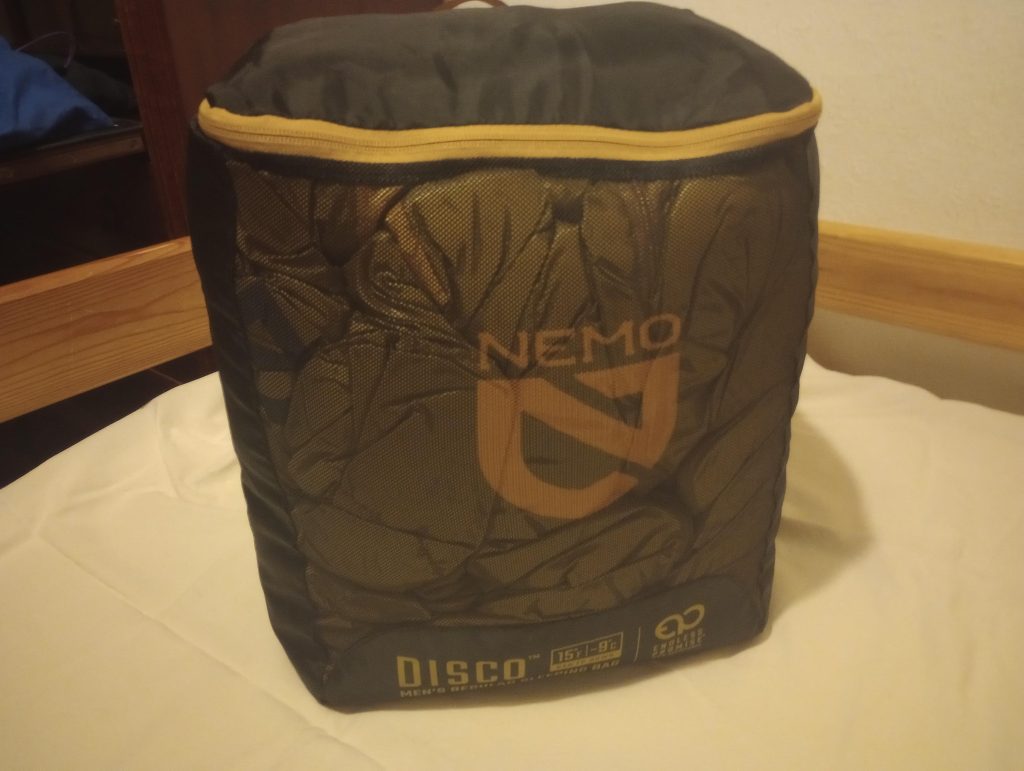
You’ve invested in a good sleeping bag, so why let it lose its warmth and comfort? How you store your sleeping bag can make all the difference in how long it lasts and how well it performs on your next adventure.
If you want to keep your sleeping bag fresh, fluffy, and ready to use, you need to store it the right way. Keep reading, and you’ll learn simple yet powerful tips that will protect your sleeping bag and make every night’s sleep better.
Don’t let careless storage ruin your gear—your next great night under the stars depends on it!

Credit: www.coreequipment.com
Selecting The Right Storage Location
Storing your sleeping bag properly helps it last longer and stay comfortable. Choosing the right place is very important.
A good storage spot keeps your sleeping bag dry and fresh. This prevents damage and bad smells.
Avoiding Damp Areas
Damp areas can cause mold and mildew on your sleeping bag. Moisture damages the fabric and insulation.
Do not store your sleeping bag in basements or near water pipes. These places often have high humidity.
- Check for leaks or water stains before storing
- Use a waterproof container if needed
- Keep away from bathrooms and kitchens
Choosing A Cool And Dry Space
Pick a place that stays cool and dry to keep your sleeping bag safe. Heat and moisture can break down the materials.
A closet or shelf in a room with stable temperature is ideal. Avoid spots with direct sunlight or heat sources.
- Keep away from heaters and radiators
- Avoid direct sunlight to prevent fading
- Choose places with low humidity
Importance Of Ventilation
Good airflow helps prevent odors and moisture buildup. Your sleeping bag needs to breathe even when stored.
Use storage spots that allow air to move around. Avoid airtight plastic bags for long-term storage.
- Use a cotton or mesh storage sack
- Leave some space around the bag
- Open the storage area occasionally to air it out

Credit: www.rei.com
Preparing Your Sleeping Bag For Storage
Proper storage helps keep your sleeping bag in good shape. It protects the materials and keeps it ready for your next trip.
Follow simple steps before storing your sleeping bag. This will make it last longer and stay comfortable.
Cleaning Before Storing
Always clean your sleeping bag before storage. Dirt and oils can damage the fabric over time.
Use a gentle wash with mild soap. Avoid harsh chemicals or hot water that can weaken the insulation.
- Check the care label for washing instructions
- Use a front-loading washing machine or hand wash
- Rinse thoroughly to remove all soap
- Avoid fabric softeners and bleach
Inspecting For Damage
Look closely at your sleeping bag for tears or holes. Small damage can get worse if not fixed.
Check zippers, seams, and fabric for any problems. Repair or patch any issues before storing.
- Inspect the zipper for smooth operation
- Look for loose threads or holes
- Check the insulation for clumps or thin spots
- Fix any damage with patches or sewing kits
Ensuring Complete Dryness
Make sure your sleeping bag is fully dry before storage. Moisture can cause mold and bad smells.
Air dry your bag in a shaded, well-ventilated area. Avoid direct sunlight to prevent fabric damage.
- Lay the sleeping bag flat or hang it loosely
- Check all areas, especially thick parts, for dampness
- Do not store if any part feels moist
- Use a fan or dehumidifier to speed drying if needed
Folding And Packing Techniques
Storing your sleeping bag correctly keeps it in good shape. Proper folding and packing help keep the insulation fluffy and warm.
This guide covers folding methods, storage options, and how to avoid damage from compression.
Proper Folding Methods
Folding your sleeping bag the right way avoids wrinkles and damage. Lay it flat and smooth out any air pockets before folding.
- Lay the sleeping bag flat on a clean surface.
- Fold the bag in half lengthwise to keep it narrow.
- Fold from the foot end toward the head in sections.
- Avoid tight folds; keep them loose to protect insulation.
- Store in a large cotton or mesh bag for breathability.
Using Storage Bags Vs. Stuff Sacks
Storage bags and stuff sacks serve different purposes. Choose the right one depending on storage time and travel needs.
| Type | Purpose | Benefits | Notes |
| Storage Bag | Long-term storage | Protects insulation, allows airflow | Usually large and loose fitting |
| Stuff Sack | Short-term packing | Compact and easy to carry | Compresses insulation, not for storage |
Preventing Compression Damage
Compression damages the sleeping bag’s insulation. Avoid storing your bag in a small stuff sack for long periods.
- Always use a large storage sack for home storage.
- Keep your sleeping bag dry before storing.
- Store in a cool, dry place away from direct sunlight.
- Do not place heavy items on top of the stored bag.
- Fluff the bag occasionally to restore loft.

Credit: www.reddit.com
Long-term Storage Strategies
Proper storage helps keep your sleeping bag safe for a long time. It stops damage from moisture and pressure.
Use good storage ways to keep your sleeping bag fluffy and ready to use next time.
Utilizing Hang Storage
Hanging your sleeping bag keeps it free from squashing. This helps keep the insulation fluffy.
Use a wide hanger or a special sleeping bag hanger to avoid marks. Hang it in a dry place.
- Choose a wide hanger to support the bag
- Hang in a cool, dry, and dark area
- Keep away from direct sunlight or heat
Benefits Of Loose Storage
Storing your sleeping bag loosely keeps the insulation from getting crushed. This keeps it warm and soft.
A large cotton or mesh storage sack works well. Avoid tight compression bags for long-term storage.
- Use a large sack to keep the bag loose
- Store in a dry place to avoid moisture
- Keep it away from sharp objects and pests
Rotating Storage Position
Changing the sleeping bag’s position helps prevent flat spots. It keeps the insulation spread evenly.
Rotate the bag every few months if you store it on a shelf or in a sack. This keeps it fluffy all over.
- Turn the bag upside down regularly
- Flip from side to side
- Check for any damage during rotation
Maintaining Freshness Over Time
Keeping your sleeping bag fresh helps it last longer and stay comfortable. Proper storage stops bad smells and dampness.
Using simple methods can keep your sleeping bag clean and ready for your next trip.
Using Deodorizers
Deodorizers help remove smells and keep your sleeping bag smelling fresh. You can use natural or store-bought options.
- Baking soda bags absorb odors without chemicals.
- Activated charcoal packs remove moisture and smells.
- Lavender sachets add a light, natural scent.
- Commercial deodorizer sprays made for fabrics work well.
Regular Airing Out
Air your sleeping bag often to keep it dry and fresh. Air circulation stops mold and mildew growth.
- Find a clean, dry place with good airflow.
- Unroll or unzip your sleeping bag fully.
- Leave it out for a few hours, away from direct sunlight.
- Fold or roll it loosely before storing again.
Managing Odors And Moisture
Controlling moisture and odors keeps your sleeping bag fresh and healthy. Avoid storing it wet or compressed.
| Tip | Reason |
| Store loosely in a large cotton bag | Allows air to flow and reduces moisture |
| Keep away from damp places | Prevents mold and mildew |
| Wash only when needed | Prevents damage and removes dirt |
| Use moisture absorbers in storage area | Keeps sleeping bag dry |
Common Mistakes To Avoid
Storing your sleeping bag properly keeps it in good shape. Many people make mistakes that harm their gear. This guide shows common errors and how to avoid them.
Knowing what not to do helps your sleeping bag last longer. Pay attention to these common storage mistakes.
Neglecting Regular Checks
Many forget to check their sleeping bags often. This can cause unnoticed damage or dirt build-up. Regular checks help spot small problems early.
- Look for tears or holes in the fabric.
- Check zippers and drawstrings for smooth use.
- Feel for any damp or musty smells.
- Make sure insulation is evenly spread out.
Ignoring Cleaning Routines
Skipping cleaning can trap dirt and odors inside your sleeping bag. Clean it carefully to keep it fresh and effective. Avoid harsh detergents or frequent washing.
| Cleaning Tip | What to Do | What to Avoid |
| Washing | Use gentle soap, cold water | Hot water, strong detergents |
| Drying | Air dry or low heat | High heat or direct sunlight |
| Spot Cleaning | Use mild soap and water | Scrubbing hard or bleach |
Overlooking Storage Conditions
Where and how you store your sleeping bag matters. Poor storage can damage insulation and fabric. Keep it loose and dry for best results.
- Do not store your sleeping bag in a compressed stuff sack.
- Choose a cool, dry place away from sunlight.
- Use a large cotton or mesh storage bag instead.
- Keep it off the floor to avoid moisture.
Frequently Asked Questions
How Should I Store A Sleeping Bag Long-term?
Store your sleeping bag loosely in a large cotton or mesh storage sack. Avoid compression to maintain loft and insulation. Keep it in a cool, dry place away from direct sunlight and moisture to prevent damage and mold growth.
Can I Store My Sleeping Bag In Its Compression Sack?
No, avoid long-term storage in compression sacks. Compression damages insulation fibers and reduces loft. Use a larger, breathable storage bag for long-term storage to preserve the sleeping bag’s warmth and durability.
What Is The Best Temperature For Storing A Sleeping Bag?
Store your sleeping bag in a cool, dry environment ideally between 50-70°F (10-21°C). Avoid extreme heat or cold, as temperature fluctuations can damage insulation and fabric materials over time.
Should I Clean My Sleeping Bag Before Storing It?
Yes, always clean your sleeping bag before storage. Follow manufacturer’s washing instructions using gentle detergents. Clean sleeping bags prevent odors, stains, and fabric degradation during storage.
Conclusion
Proper sleeping bag storage keeps it clean and fluffy for years. Always dry it fully before storing to avoid mold and smells. Use a large cotton sack or hang it loosely to keep the insulation good. Avoid tight compression bags for long storage because they can damage the material.
Taking these simple steps helps your sleeping bag stay warm and comfy on every trip. Remember, good care saves money and makes camping more enjoyable. Store it right, and your sleeping bag will be ready for many adventures ahead.