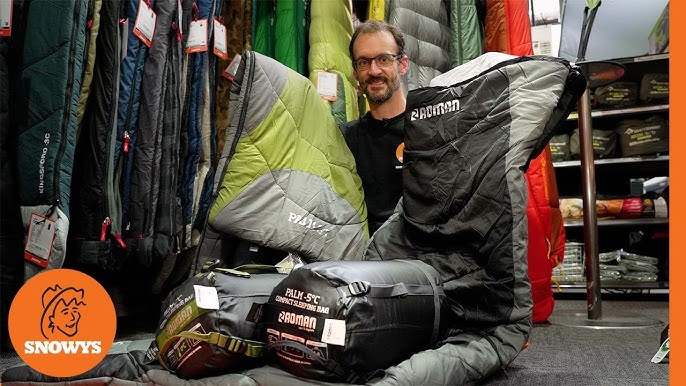
You’ve invested in a good sleeping bag, and you want it to last for many adventures to come. But how you store it can make all the difference between a fresh, fluffy bag and one that’s flat, smelly, or damaged.
If you’re unsure about the right way to store your sleeping bag, you’re not alone. Keep reading, and you’ll discover simple, effective tips that protect your gear, save space, and ensure your next night under the stars is as cozy as it should be.
Don’t let poor storage ruin your comfort—here’s how to keep your sleeping bag in top shape.

Credit: www.nemoequipment.com
Choosing The Right Storage Spot
Storing your sleeping bag properly keeps it in good shape. A poor storage spot can cause damage over time. Choose a place that helps keep your sleeping bag dry and clean.
This guide explains how to pick the best spot to store your sleeping bag. Focus on cool and dry areas, avoiding direct sunlight, and preventing moisture build-up.
Cool And Dry Areas
Sleeping bags last longer when stored in cool and dry places. Heat can break down the materials, and dampness can cause mold. Find a spot inside your home that stays cool and dry year-round.
- Choose a closet or shelf away from heaters
- Keep the sleeping bag off the floor
- Use breathable storage bags or cotton sacks
- Avoid plastic bags that trap moisture
Avoiding Direct Sunlight
Direct sunlight harms sleeping bags. UV rays fade colors and weaken fabrics. Store your sleeping bag away from windows or glass doors that get sunlight during the day.
| Sunlight Exposure | Effect on Sleeping Bags |
| Direct sunlight | Fades colors and weakens fabric |
| Indirect light | Safe for short periods |
| No sunlight | Best for long-term storage |
Preventing Moisture Build-up
Moisture causes mold and bad smells in sleeping bags. Keep your storage spot dry and well-ventilated. Use moisture absorbers if needed. Check the sleeping bag for dampness before storing.
- Store sleeping bags completely dry
- Use silica gel packets or charcoal bags nearby
- Open storage bags occasionally to air out
- Avoid damp basements or garages
Credit: www.rei.com
Proper Cleaning Before Storage
Cleaning your sleeping bag before storing it helps keep it fresh and lasts longer. Dirt and sweat can damage the fabric and insulation.
Proper cleaning also prevents bad smells and mold growth while the bag is stored. Take time to clean it well for the best care.
Removing Dirt And Debris
Start by shaking out your sleeping bag to remove loose dirt and debris. Brush off any stuck dirt with a soft brush.
Spot clean small stains using a damp cloth. Avoid scrubbing too hard to protect the fabric.
Drying Techniques
Dry your sleeping bag completely before storing. Hang it in a shaded, well-ventilated area to air dry.
Do not use direct sunlight or high heat. Too much heat can damage the insulation and outer fabric.
Using Mild Detergents
Use mild detergents made for delicate fabrics when washing your sleeping bag. Avoid bleach or strong chemicals.
Follow the detergent instructions carefully and rinse your sleeping bag well to remove all soap residue.
Best Folding And Rolling Methods
Storing sleeping bags properly keeps them clean and fluffy. Using the right folding or rolling method helps save space and protects the insulation.
This guide explains loose vs tight folding, rolling for compactness, and how to avoid damage to insulation.
Loose Vs Tight Folding
Loose folding means gently folding the sleeping bag without pressing it hard. Tight folding packs the bag into a small, compressed shape.
- Loose folding keeps insulation fluffy and lasts longer.
- Tight folding saves space but can damage the insulation.
- Use loose folding for long-term storage.
- Use tight folding only for short trips or travel.
Rolling For Compactness
Rolling your sleeping bag can make it smaller and easier to carry. Roll it evenly from the foot end to the head end.
| Tip | Reason |
|---|---|
| Lay the bag flat and smooth out wrinkles | Prevents uneven compression and damage |
| Roll tightly but not too hard | Maximizes compactness without hurting insulation |
| Secure with straps or cords | Keeps bag rolled and easy to pack |
| Store rolled bags in breathable sacks | Allows airflow and prevents mildew |
Avoiding Damage To Insulation
Insulation inside sleeping bags needs care. Too much pressure or tight packing can crush it and reduce warmth.
Follow these tips to protect insulation:
- Store sleeping bags loosely when not in use.
- Avoid storing bags compressed for long periods.
- Use a large storage sack or hang the bag if possible.
- Keep bags dry and away from direct sunlight.
Using Storage Bags Effectively
Storing sleeping bags correctly helps keep them warm and fluffy. Using the right storage bags can protect the material and extend the bag’s life.
Choosing the right bag and storing your sleeping bag properly prevents damage and keeps it ready for your next trip.
Breathable Storage Sacks
Breathable storage sacks let air move through the fabric. This stops moisture from building up inside the bag. Moisture can cause mold and bad smells.
These sacks are usually made from cotton or mesh. They keep your sleeping bag dry and fresh over time.
- Allow air circulation to prevent dampness
- Help maintain insulation and loft
- Reduce risk of mold and mildew
- Keep sleeping bag lightweight and easy to store
Avoiding Compression Sacks Long-term
Compression sacks squeeze sleeping bags into a small space. This is good for travel but bad for long storage. It can damage the insulation and make the bag less warm.
For long-term storage, avoid keeping your sleeping bag compressed. Let it rest in a loose, natural shape.
- Do not store sleeping bags tightly packed
- Keep insulation fluffy for better warmth
- Use compression sacks only for trips
- Air out the bag before storing
Custom Storage Solutions
Custom storage solutions fit your space and needs. You can use large storage bins or shelves to keep sleeping bags safe. Make sure the storage area is dry and cool.
Label your storage containers so you can find your bags easily. Good storage keeps your sleeping bags clean and ready to use.
- Use large cotton or mesh bags inside bins
- Store in dry, cool, and dark places
- Keep bags off the floor to avoid moisture
- Label containers for easy access
Space-saving Storage Ideas
Sleeping bags take up a lot of space if stored carelessly. Using smart storage ideas helps keep them neat and easy to find.
Here are some space-saving ways to store your sleeping bags without damaging them.
Hanging Storage Options
Hanging sleeping bags can keep them loose and dry. Use wide hooks or padded hangers to avoid creases. Hanging also helps air circulate and prevent odors.
- Use a sturdy clothes hanger or a special gear hanger.
- Hang in a dry place away from direct sunlight.
- Store in a breathable bag or cover to keep dust off.
- Avoid folding tightly to keep insulation fluffy.
Vacuum-sealed Bags Pros And Cons
Vacuum-sealed bags can shrink the size of sleeping bags a lot. They help save space but affect the sleeping bag’s loft and lifespan.
| Pros | Cons |
| Reduces size by removing air | Compresses insulation, reducing warmth |
| Keeps bags protected from moisture and dirt | May damage fibers if stored long-term compressed |
| Easy to pack for travel or storage | Needs careful handling to avoid punctures |
Utilizing Under-bed And Shelf Spaces
Under-bed and shelf spaces are great for storing sleeping bags without clutter. Use storage bins or bags to organize and protect them.
- Use clear plastic bins with lids to keep bags clean.
- Label bins for easy identification.
- Store bags loosely to keep their shape.
- Consider rolling bags to save space on shelves.
- Keep space dry and ventilated to prevent mold.
Maintaining Sleeping Bag Longevity
Sleeping bags need proper care to last many years. Storing them right keeps their warmth and shape.
Following simple steps helps avoid damage and keeps your sleeping bag fresh.
Regular Airing Out
After each use, air out your sleeping bag to remove moisture. Moisture can cause bad smells and mold.
Hang it in a dry, shaded place for several hours. This helps the insulation stay fluffy and dry.
- Avoid direct sunlight to protect fabric colors.
- Do not store sleeping bags wet or damp.
- Use a large hanging space to keep the bag fully open.
Inspecting For Damage
Check your sleeping bag for tears, holes, or broken zippers before storing. Small problems can get worse.
Fix minor damage quickly by sewing or patching. Replace broken parts if needed to keep the bag usable.
- Look inside and outside for any fabric damage.
- Test zippers to ensure smooth operation.
- Check insulation for clumps or thinning spots.
Proper Repacking Techniques
Do not store your sleeping bag tightly packed for long periods. This can crush the insulation and reduce warmth.
Use a large, breathable storage sack or hang the bag loosely. This keeps the insulation fluffy and extends life.
- Stuff the bag gently, do not roll or compress hard.
- Store in a cool, dry place away from sunlight.
- Use a cotton or mesh bag instead of a small stuff sack.

Credit: www.reddit.com
Frequently Asked Questions
How Should I Store A Sleeping Bag Long-term?
Store your sleeping bag loosely in a large cotton or mesh storage sack. Avoid compression bags for long-term storage to maintain loft and insulation. Keep it in a cool, dry place away from direct sunlight to prevent damage and mildew growth.
Can Storing Sleeping Bags In Compression Bags Cause Damage?
Yes, long-term compression can damage insulation and reduce loft. Use compression bags only for short-term transport. For storage, opt for breathable sacks that allow air circulation, preserving the sleeping bag’s warmth and durability.
What Is The Best Environment For Storing Sleeping Bags?
Store sleeping bags in a cool, dry, and dark environment. Avoid damp or humid areas, which can cause mold and mildew. A well-ventilated closet or storage bin is ideal to maintain freshness and prolong lifespan.
Should Sleeping Bags Be Cleaned Before Storage?
Yes, clean your sleeping bag before storing it. Follow manufacturer instructions for washing and drying. A clean sleeping bag prevents dirt and oils from causing fabric damage or odors during storage.
Conclusion
Proper storage keeps your sleeping bag fresh and lasts longer. Always dry it completely before storing. Use a large, breathable bag or hang it loosely. Avoid tight compression bags for long storage. Check your sleeping bag regularly for dampness or damage.
Clean it gently following the care instructions. These simple steps protect your gear and improve comfort on trips. Keep your sleeping bag ready for your next adventure. Easy care means better sleep outdoors every time.