
Are you wondering how to keep your window air conditioner safe and ready for next summer? Storing your unit the right way can save you money and hassle later.
If you don’t protect it properly, dust, moisture, and damage can sneak in and shorten its life. You’ll discover simple, effective steps to store your window air conditioner so it stays clean, works perfectly, and lasts for years. Keep reading to learn how to make your cooling investment go the distance.
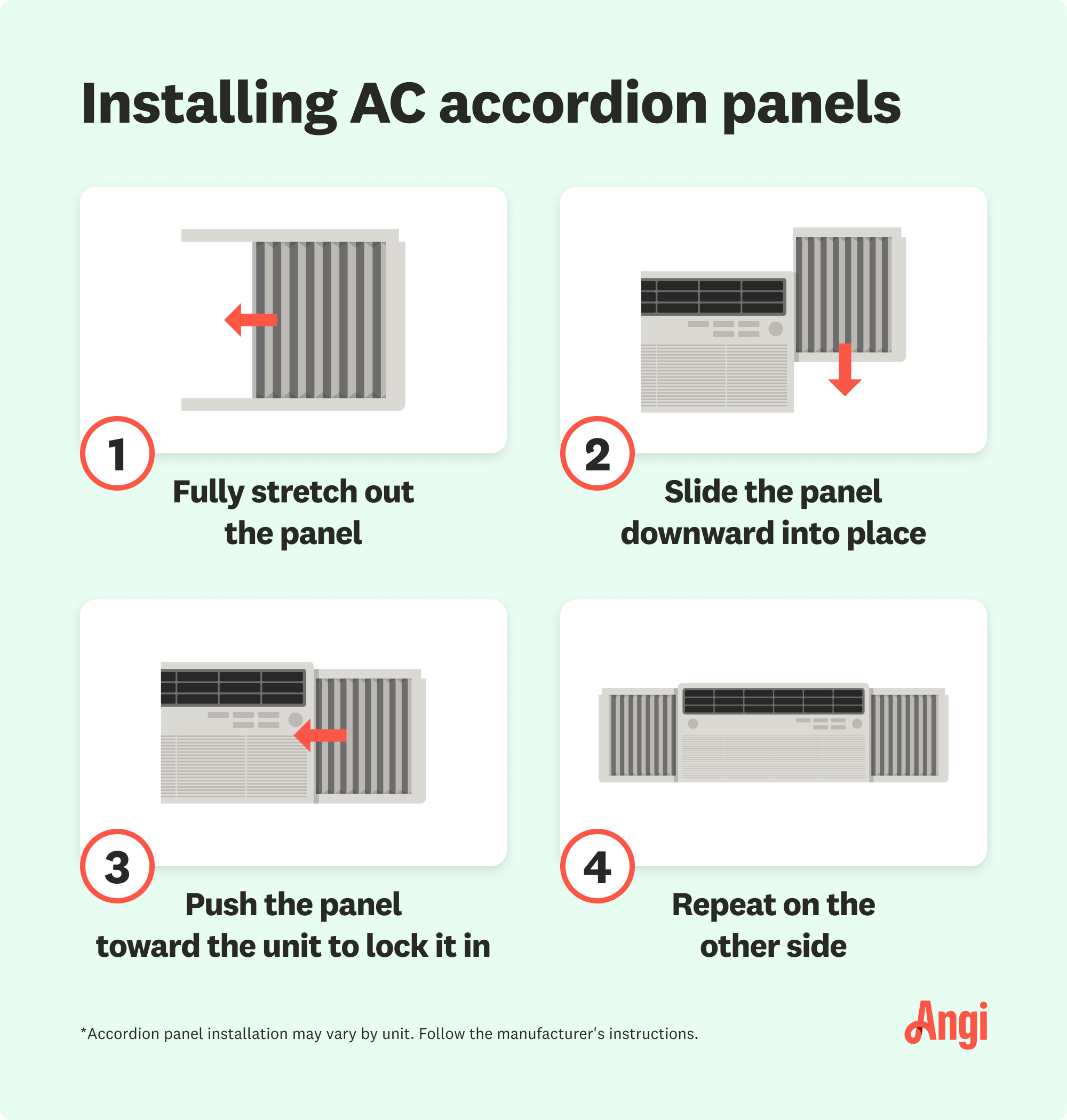
Credit: www.angi.com
Preparing The Unit
Storing your window air conditioner properly helps it last longer. Preparing the unit before storage prevents damage and keeps it clean.
Follow simple steps to get your air conditioner ready for the off-season. Proper care makes it easy to use next summer.
Cleaning The Filter And Coils
Clean the filter and coils to remove dust and dirt. This helps the unit work well and stops mold growth.
Take out the filter carefully and wash it with warm water. Let it dry completely before putting it back.
- Remove the filter gently
- Use a soft brush to clean the coils
- Rinse the filter with warm water
- Dry the filter fully before storage
Draining Residual Water
Drain any leftover water inside the unit to stop mold and rust. Water can damage the air conditioner if left inside.
Tilt the unit slightly to let water flow out from the drainage hole. Use a cloth to catch the water and dry the inside.
- Find the drainage hole on the unit
- Tilt the unit gently to drain water
- Use a cloth to soak up extra moisture
- Make sure the unit is dry before storage
Removing And Storing The Remote
Take out the remote control to keep it safe and prevent battery leaks. Store it where you can find it easily next time.
Remove the batteries if you will not use the remote for a long time. Keep the remote and batteries in a dry place.
- Take the remote out of the unit
- Remove batteries to avoid leaks
- Store remote and batteries in a dry spot
- Keep them together for easy access
Disassembling Parts
Storing a window air conditioner properly helps it last longer. Taking it apart carefully makes storage easier and safer.
Disassembling the parts involves removing the front cover, the window mounting kit, and handling electrical components. Each step needs care to avoid damage.
Detaching The Front Cover
The front cover protects the air conditioner’s internal parts. Removing it allows you to clean and store the unit better.
Look for screws or clips holding the cover. Use a screwdriver to remove screws or gently press clips to release the cover.
- Unplug the unit before starting
- Place screws in a safe container
- Handle the cover with care to avoid cracks
Removing The Window Mounting Kit
The window mounting kit keeps the air conditioner stable in the window. Removing it helps prevent damage during storage.
Unscrew the mounting brackets and remove the side panels. Keep all parts together for easy reassembly next season.
- Keep screws and brackets in a labeled bag
- Store side panels flat to avoid bending
- Clean the mounting kit before storing
Handling Electrical Components
Electrical parts need extra care to avoid damage or shock. Do not pull on cords or expose wires.
Wrap the power cord neatly and secure it with a tie. Check for any damage and fix it before storing.
- Unplug the unit before handling
- Do not bend or twist the power cord
- Store cords away from moisture and heat
Choosing The Storage Location
Storing your window air conditioner properly keeps it safe and ready for next use. The right location prevents damage and saves space.
This guide covers ideal temperature, avoiding dust and pests, and safe placement tips for storage.
Ideal Temperature And Humidity
Choose a storage spot with a moderate temperature. Extreme heat or cold can harm parts of the air conditioner.
Humidity should be low to prevent rust and mold growth on metal and electronic parts.
- Keep the temperature between 50°F and 80°F (10°C – 27°C).
- Humidity levels should stay below 60% if possible.
- Avoid storing in damp basements or hot attics.
Avoiding Dust And Pests
Dust and pests can damage the air conditioner. Choose a clean, sealed area to keep them out.
| Risk | Prevention |
| Dust buildup | Cover the unit with a plastic sheet or air conditioner cover |
| Rodents and insects | Store off the ground and use pest deterrents nearby |
| Mold growth | Use moisture absorbers like silica gel packs |
Safe Placement Tips
Place the air conditioner on a stable, flat surface. Avoid stacking heavy items on top.
- Lift the unit carefully to prevent damage to fins and coils.
- Keep it away from direct sunlight to avoid heat exposure.
- Store near a power outlet if you plan maintenance or testing.
- Ensure good air circulation around the unit.
Packing The Air Conditioner
Packing your window air conditioner properly helps protect it during storage. Good packing keeps parts safe and clean.
Use careful packing to avoid damage from dust, moisture, and bumps. This guide covers how to pack your unit well.
Using Original Packaging
Keep the original box and foam inserts if possible. They fit the unit perfectly and offer good protection.
Place the air conditioner back in the box just like when it was new. Make sure it is snug and stable.
- Use original foam pieces to cushion the unit
- Seal the box with strong tape
- Label the box for easy identification
Alternative Packing Materials
If you do not have the original box, use a sturdy cardboard box that fits the air conditioner well. Avoid loose spaces.
Wrap the unit with bubble wrap or thick blankets. Use foam or towels to fill empty spaces inside the box.
- Bubble wrap or packing paper for outer protection
- Foam pieces or towels to fill gaps
- Strong tape to close the box securely
Securing Loose Parts
Remove any loose parts from the air conditioner before packing. These parts can get lost or damaged if left loose.
Wrap small parts like screws or brackets in plastic bags. Tape them to the unit or place them inside the box.
- Remove window mounting brackets
- Pack screws and small parts in labeled bags
- Secure loose parts inside or outside the box
Maintenance During Storage
Proper maintenance helps keep your window air conditioner safe during storage. Taking care of it now saves you time later.
Follow simple steps to avoid damage and keep the unit clean while not in use.
Periodic Checks
Check your air conditioner every few weeks while it is stored. Look for dust, pests, or damage.
Make sure it stays dry and clean during these checks. Remove any debris or dirt you find.
- Inspect the unit for cracks or broken parts
- Wipe off dust with a soft cloth
- Ensure the storage area is dry and pest-free
Preventing Mold And Mildew
Mold and mildew grow in damp places and can damage your air conditioner. Keep the unit dry before storing.
Use moisture absorbers or silica gel packs near the unit to reduce humidity. Clean filters and surfaces well.
- Dry the unit completely before storage
- Store in a cool, dry place
- Place moisture absorbers inside or near the unit
- Clean or replace filters before storing
Protecting From Physical Damage
Protect the air conditioner from bumps and scratches during storage. Handle it carefully when moving.
Cover the unit with a soft cloth or plastic cover to keep dust and dirt away. Avoid stacking heavy items on it.
- Use a padded cover or cloth to protect the surface
- Store in a stable, secure place
- Do not place heavy objects on top
- Handle the unit gently when moving

Credit: www.klolab.com
Preparing For Next Use
Storing your window air conditioner properly helps it work well next season. Taking care of it now saves time and money later.
Follow these steps before using your air conditioner again. This will keep it clean and ready to cool your room.
Reinstalling Components
Check all parts you removed before storage. Make sure the filter, panels, and screws are in place.
Put each component back carefully to avoid damage. Secure the unit in the window firmly.
- Reinstall the air filter properly
- Attach any side panels or seals
- Tighten screws and brackets securely
- Ensure the unit fits tightly in the window
Cleaning Before Restart
Clean the air conditioner before you turn it on. Remove dust and dirt from all parts.
Use a soft brush or cloth to clean the filter and vents. This helps the air flow better.
- Wash or replace the air filter
- Wipe the exterior with a damp cloth
- Clear dirt from vents and coils
- Make sure no water is inside the unit
Testing Functionality
Turn on the air conditioner to check if it works well. Listen for strange sounds or smells.
Test all settings, including cooling and fan speed. Make sure the unit cools the room efficiently.
- Check power and remote control functions
- Test cooling and fan speed options
- Listen for unusual noises
- Look for leaks or water inside the unit

Credit: www.amazon.com
Frequently Asked Questions
How Do I Prepare A Window Ac For Storage?
Clean the filters and coils thoroughly. Drain all water from the unit. Cover it with a breathable cloth or plastic wrap.
Where Is The Best Place To Store A Window Ac?
Store in a dry, cool area like a basement or garage. Avoid direct sunlight and extreme temperatures to prevent damage.
Should I Remove The Window Ac During Storage?
Yes, remove the unit carefully to avoid damage. Store it flat to maintain its shape and avoid leaks.
How Often Should I Check My Stored Window Ac?
Check every 3-6 months to ensure no moisture or pests have affected the unit. Clean if necessary before reinstalling.
Conclusion
Storing your window air conditioner right is key for next summer. Clean it thoroughly to prevent mold and dust. Store it in a dry, cool place to avoid damage. Use a cover to keep it dust-free. Check the unit occasionally during winter for any signs of moisture.
Proper care ensures a longer life and better performance. These steps help you save money on repairs and replacements. With these tips, your air conditioner will be ready to keep you cool when the heat returns. Stay proactive, and enjoy a well-functioning unit next season.