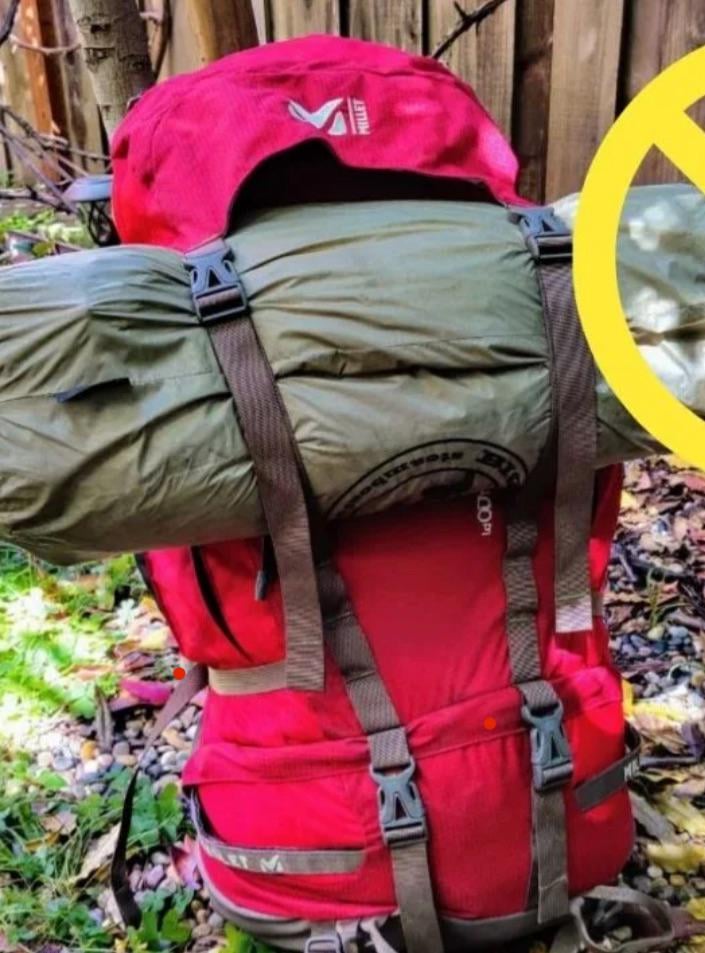
Packing your sleeping bag the right way can make all the difference on your next adventure. If you’ve ever struggled with a bulky bag that won’t fit or bounces around while you hike, you’re not alone.
Knowing how to strap your sleeping bag securely to your backpack saves space, keeps you balanced, and makes your trek much more comfortable. In this guide, you’ll discover simple steps that anyone can follow to get it done quickly and efficiently.
By the end, you’ll feel confident and ready to hit the trail without worrying about your gear slowing you down. Keep reading to master this essential skill and make your outdoor trips smoother than ever.
Choose The Right Sleeping Bag
Picking the right sleeping bag is important for your comfort and ease of carrying. It should fit your needs and backpack size.
Think about the size and weight of the sleeping bag. Also, check the material to make sure it suits your trip.
Consider Size And Weight
Choose a sleeping bag that is light and small when packed. This makes it easier to strap to your backpack.
Look for bags that compress well. A bag that fits snugly saves space and balances your load.
- Check the packed size before buying
- Choose lightweight bags for long hikes
- Make sure it fits your height and sleeping style
Select Suitable Material
The material affects warmth, weight, and water resistance. Pick one that matches the weather you expect.
Synthetic materials dry faster and work well in wet conditions. Down insulation is lighter and warmer but needs to stay dry.
- Down for cold, dry weather
- Synthetic for wet or damp conditions
- Outer fabric should be durable and water-resistant

Credit: www.reddit.com
Pick The Best Backpack
Choosing the right backpack is crucial for a comfortable hiking experience. It helps ensure that your gear, including your sleeping bag, is secure and easy to carry.
Consider factors like straps, capacity, and design to make the best choice. A well-selected backpack will make your journey more enjoyable.
Check Straps And Attachment Points
Backpacks come with different types of straps and attachment points. These are essential for securing your sleeping bag and other gear.
- Look for adjustable straps for a better fit.
- Ensure there are multiple attachment points.
- Check for sturdy buckles and clips.
Evaluate Capacity And Design
The backpack’s capacity and design determine how much gear you can carry. It also affects how you organize your items.
| Capacity (Liters) | Recommended Use |
| 20-30 | Day trips |
| 30-50 | Weekend hikes |
| 50+ | Extended trips |
Choose a design that supports your back and has enough space. This ensures comfort and efficiency on your hikes.
Prepare Your Sleeping Bag
Strapping your sleeping bag to your backpack needs good preparation. Proper packing saves space and protects your gear.
Start by getting your sleeping bag ready. How you prepare it affects how easy it is to carry.
Roll Or Stuff Properly
Rolling or stuffing your sleeping bag affects its size and shape. Rolling keeps it neat but can take more space. Stuffing fits the bag tighter into small spaces.
- Lay the sleeping bag flat and smooth out wrinkles.
- If rolling, start at the foot end and roll tightly toward the head.
- If stuffing, compress the bag by pushing it into the sack in chunks.
- Make sure no air pockets remain inside the rolled or stuffed bag.
Use Compression Sack
A compression sack helps shrink your sleeping bag’s size. It protects the bag and makes it easier to strap to your backpack.
| Compression Sack Size | Recommended Use | Tip |
| Small (5-10 liters) | For short trips or light sleeping bags | Do not overfill to allow some air circulation |
| Medium (10-15 liters) | For most standard sleeping bags | Use the straps to reduce volume evenly |
| Large (15+ liters) | For bulky or cold-weather sleeping bags | Pack heavier items below for balance |
Credit: pangolinswithpacks.com
Locate Attachment Points On Backpack
Strapping your sleeping bag to your backpack keeps it secure and saves space inside. You need to find the right spots on your backpack to attach it.
Backpacks have special places made for carrying extra gear. These spots help hold your sleeping bag tightly while you walk.
Identify Bottom Straps
Look at the bottom part of your backpack for straps. These straps are usually thicker and stronger. They are meant to hold heavy items like sleeping bags.
Bottom straps wrap around your sleeping bag and keep it from moving. Check if they have buckles or clips for easy fastening.
- Find two or more straps at the base of the backpack
- Check if straps have adjustable buckles
- Use these straps to hold your sleeping bag horizontally
Look For Side Loops
Side loops are small rings or fabric loops on the sides of the backpack. They help to secure gear using carabiners or straps.
You can thread the sleeping bag straps through these loops. This adds extra support and stops the bag from swinging.
- Find loops on both sides of the backpack
- Thread the sleeping bag straps through the loops
- Pull straps tight to keep the bag close to the pack
Strapping Techniques
Strapping your sleeping bag to your backpack saves space inside. It also keeps your bag dry and easy to reach.
There are several ways to strap a sleeping bag. Choose the best one based on your gear and hiking style.
Use Compression Straps
Compression straps are common on backpacks. They tighten around your sleeping bag to keep it secure.
Place the sleeping bag at the bottom or outside of your pack. Use the straps to pull it tight and hold it firmly.
- Align the bag with the backpack’s straps
- Wrap the compression straps around the bag
- Tighten straps until the bag does not move
- Check straps regularly to keep them tight
Employ Bungee Cords
Bungee cords stretch and adjust to hold your sleeping bag. They work well for quick packing and unpacking.
Loop the cords around the bag and backpack frame. Make sure the bag is snug but not squashed.
- Use multiple cords for better security
- Cross cords over the bag for even pressure
- Avoid sharp edges that could damage cords
- Check cords for wear before each trip
Try Lash Straps
Lash straps are strong, adjustable straps with buckles. They keep your sleeping bag tight and stable.
Wrap the lash straps around the bag and backpack loops. Pull the buckles to tighten and lock the bag in place.
- Choose lash straps with quick-release buckles
- Attach straps to backpack gear loops or daisy chains
- Secure the bag so it does not slip during movement
- Adjust strap length to avoid extra slack
Secure The Sleeping Bag
Strapping your sleeping bag to your backpack keeps it safe and dry. It also frees up space inside your pack for other gear.
Use straps or cords designed for backpacks. Secure the sleeping bag tightly but gently for best results.
Check Tightness And Stability
Check the straps to make sure the sleeping bag does not move around. Loose straps can cause the bag to slip or fall off.
- Tug each strap firmly to test tightness.
- Shake the backpack gently to see if the bag shifts.
- Adjust straps if you feel any looseness or wobbling.
- Make sure the bag sits close to the pack for better balance.
Avoid Over-tightening
Tightening straps too much can damage the sleeping bag or backpack. It may also make carrying uncomfortable.
| Problem | Effect |
| Straps too tight | Bag fabric may tear or compress |
| Excess pressure on straps | Backpack frame can warp or break |
| Uncomfortable carry | Shoulder and back pain |
| Restricted airflow | Sleeping bag stays damp longer |
Tips For Different Conditions
Strapping a sleeping bag to your backpack needs care for each condition. Different weather and loads require special steps.
These tips help you keep your sleeping bag safe and your backpack balanced.
Wet Weather Protection
Rain or snow can soak your sleeping bag and make it heavy. Use a waterproof stuff sack to keep it dry.
Wrap the sleeping bag tightly and place it under the rain cover on your backpack. This stops water from getting in.
- Use a dry bag or waterproof sack for your sleeping bag
- Place it where rain cover can protect it well
- Check straps are tight to avoid slipping in wet conditions
Adjustments For Heavy Loads
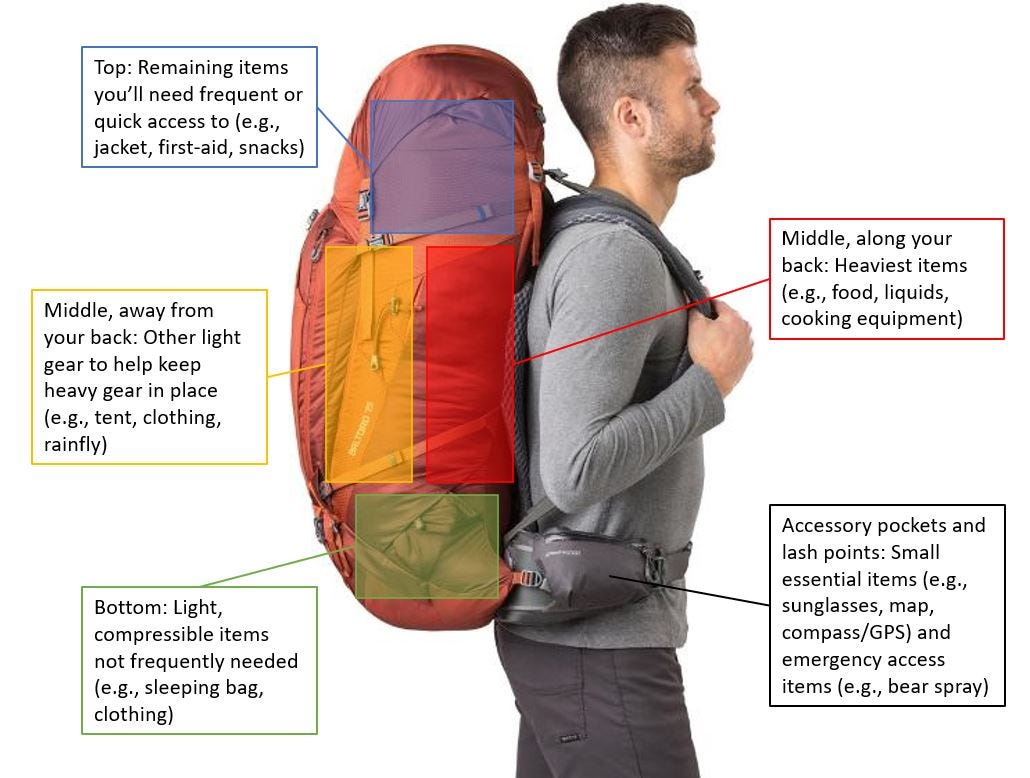
Heavy backpacks need careful balance. Attach your sleeping bag low and close to your back to keep weight steady.
Use strong straps and tighten them well. This prevents the sleeping bag from moving and causing discomfort.
- Strap the sleeping bag at the bottom of the pack
- Keep it close to your back for better balance
- Tighten straps securely to avoid shifting

Credit: www.reddit.com
Frequently Asked Questions
How Do I Strap A Sleeping Bag To A Backpack?
Use the compression straps or dedicated loops on your backpack. Secure the sleeping bag tightly to avoid movement while hiking. Position it at the bottom or top depending on your pack design and comfort preference.
What Type Of Straps Work Best For Sleeping Bags?
Nylon or polyester straps with adjustable buckles work best. They are durable, lightweight, and easy to tighten. Avoid using thin cords that may damage the bag or loosen during travel.
Should I Pack My Sleeping Bag Inside Or Outside The Backpack?
Strap your sleeping bag outside if you need quick access or to save interior space. Inside packing protects it from dirt and weather but may limit space for other gear.
How Tight Should I Secure The Sleeping Bag Straps?
Strap the sleeping bag firmly but not overly tight. This prevents shifting and damage to the bag’s insulation. Ensure the bag retains its loft and shape when secured.
Conclusion
Strapping your sleeping bag to your backpack keeps it safe and dry. It saves space inside the pack for other gear. Make sure the straps are tight but not too tight. Place the bag where it won’t swing or hit you.
Check the straps often during your hike. This simple step makes carrying your gear easier and more comfortable. Keep practicing, and it will become quick and natural. Ready for your next adventure? Your sleeping bag will be right where you need it.