Packing your sleeping bag the right way can make all the difference on your next outdoor adventure. If you’ve ever struggled with a bulky bag that won’t fit or keeps falling off your backpack, you’re not alone.
Learning how to strap your sleeping bag securely to your backpack not only saves space but also keeps your gear safe and balanced. In this guide, you’ll discover simple, effective techniques that anyone can use. By the end, you’ll be ready to hit the trail with confidence and ease.
Keep reading to unlock the secrets to hassle-free packing!

Credit: www.reddit.com
Choosing The Right Backpack
Strapping a sleeping bag to your backpack saves space inside. Picking the right backpack makes this easier and safer.
A good backpack holds your gear well and keeps your sleeping bag secure on the outside.
Backpack Types Suitable For Strapping
Some backpacks are made to carry extra gear outside. These backpacks have straps and loops for attaching items.
Hiking backpacks, trekking backpacks, and camping backpacks often work well for strapping sleeping bags.
- Hiking backpacks usually have side and bottom straps.
- Trekking backpacks offer more space and strong straps.
- Camping backpacks often include external loops and bungee cords.
Key Features To Look For
Look for backpacks with adjustable straps to fit different sleeping bag sizes. Strong buckles and loops help keep your bag safe.
- Compression straps to tighten and secure the sleeping bag.
- External loops or daisy chains for attaching gear.
- Padded straps for comfort when carrying extra weight.
- Water-resistant material to protect your gear.
- Bottom straps designed for sleeping bags or tents.

Credit: www.reddit.com
Selecting The Ideal Sleeping Bag
Choosing the right sleeping bag is important for your outdoor adventure. It must be comfortable and easy to carry.
Consider the size, weight, and packing options to fit it on your backpack.
Size And Weight Considerations
The size and weight of your sleeping bag affect how easy it is to carry. A lighter bag is better for long hikes.
Make sure it fits well in or on your backpack. You don’t want it to be too bulky.
- Check the packed size of the sleeping bag.
- Look for lightweight materials.
- Ensure it provides enough warmth.
Compression Bags Vs. Stuff Sacks
Compression bags and stuff sacks help you pack your sleeping bag. They reduce its size for easier transport.
Compression bags use straps to squeeze the bag smaller. Stuff sacks are simple bags for quick packing.
- Compression bags save more space.
- Stuff sacks are quicker to use.
- Choose based on your packing needs.
Preparing Your Sleeping Bag
Knowing how to strap your sleeping bag to your backpack saves space and keeps it dry. Proper preparation helps you carry it comfortably during your trip.
Start by making sure your sleeping bag is clean and dry. This prevents mold and bad smells while traveling.
Rolling And Compressing Techniques
Rolling your sleeping bag tightly reduces its size. Compressing it with a sack makes it easier to attach to your backpack.
- Lay the sleeping bag flat and smooth out air pockets.
- Fold the sleeping bag in half lengthwise if it is very wide.
- Roll the bag from the foot end to the top to push air out.
- Place the rolled bag into a compression sack.
- Use the sack’s straps to tighten and reduce volume.
Using Straps And Compression Systems
Use your backpack’s straps or extra compression straps to secure the sleeping bag. This keeps it stable and prevents shifting during the hike.
| Strap Type | Best Use | Tip |
| Side Straps | Attach sleeping bag to backpack sides | Adjust tightness to avoid bag movement |
| Bottom Straps | Secure sleeping bag under the backpack | Use padding to protect the bag |
| Compression Straps | Compress the bag inside or outside | Check straps for wear before use |
Credit: pangolinswithpacks.com
Strapping Methods
Strapping a sleeping bag to your backpack is important for saving space inside. It also keeps your gear organized and easy to carry. There are several ways to attach your sleeping bag depending on your backpack design and hiking needs.
This guide explains the main methods to strap a sleeping bag: top, side, and bottom attachments. Each method has its own benefits and ideal uses.
Top Attachment
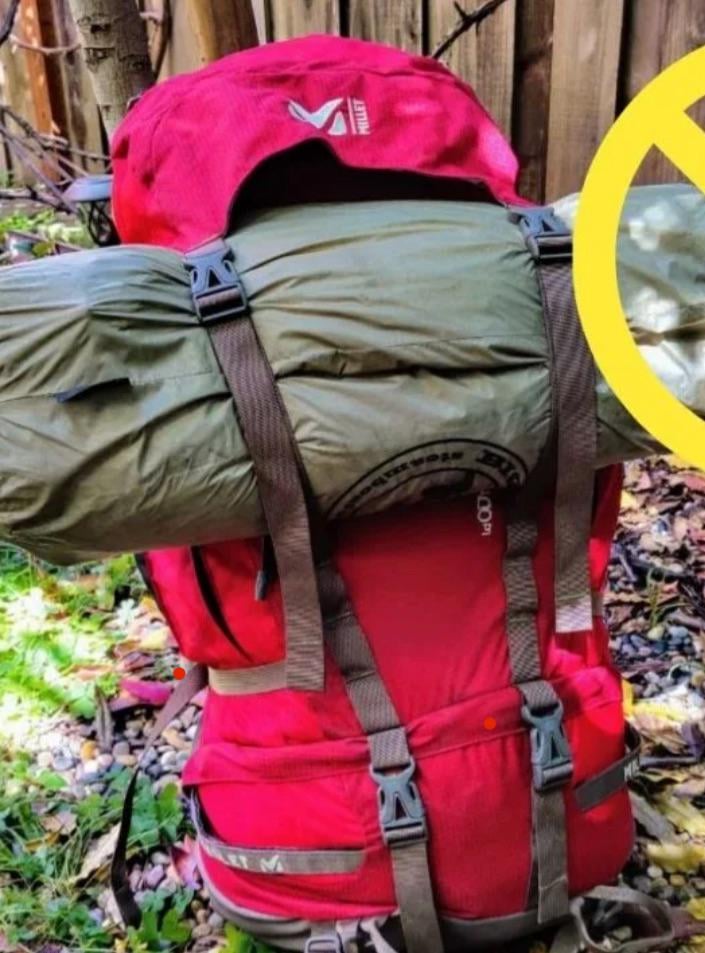
Attaching your sleeping bag on top of the backpack is common for quick access. This method keeps the sleeping bag dry and easy to reach.
- Place the sleeping bag rolled up on the top of your backpack.
- Use straps or compression cords to secure it tightly.
- Make sure the straps go over the sleeping bag and under the top handle.
- Check that the sleeping bag does not block your view or the backpack’s openings.
Side Attachment
Side attachment works well if your backpack has side straps or daisy chains. It balances weight and frees the top for other gear.
| Step | Action |
|---|---|
| 1 | Roll your sleeping bag tightly. |
| 2 | Attach it to the side using adjustable straps or clips. |
| 3 | Use both top and bottom side straps for stability. |
| 4 | Make sure the sleeping bag is snug and will not swing. |
Bottom Attachment
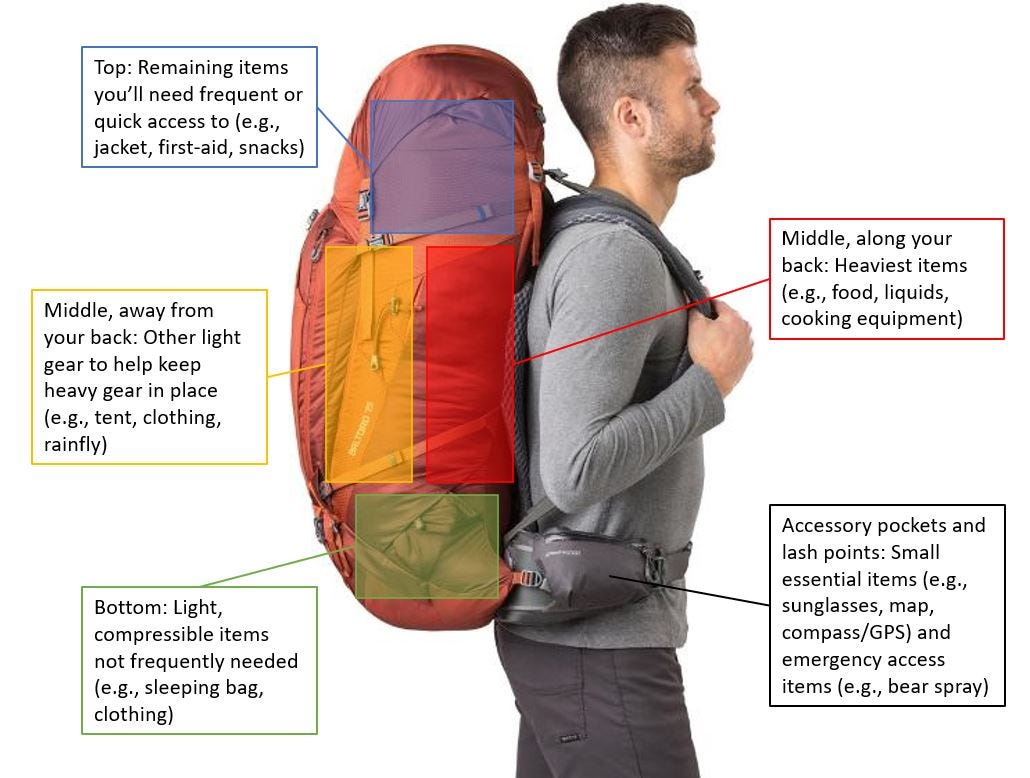
Strapping the sleeping bag at the bottom frees up space inside and keeps heavier items low for balance. It is best for bulky sleeping bags.
Tips for bottom attachment:
- Place the sleeping bag flat and roll it tightly.
- Use strong compression straps that go through the backpack’s bottom loops.
- Secure the straps firmly but avoid crushing the sleeping bag.
- Check the backpack’s weight distribution after attaching.
Securing The Straps
Strapping your sleeping bag to your backpack keeps it safe and easy to carry. Properly securing the straps prevents the bag from shifting during your hike.
Using the right technique helps balance the load and protects your gear from damage.
Choosing The Right Straps
Pick straps that are strong and adjustable. Nylon or polyester straps work well because they are durable and resist stretching.
Look for straps with quick-release buckles. These make it easy to fasten and unfasten your sleeping bag.
- Wide straps distribute weight better
- Adjustable length fits different pack sizes
- Strong buckles hold tight under pressure
- Weather-resistant materials last longer
Tightening And Fastening Tips
Start by placing the sleeping bag evenly on the backpack. Position the straps so they wrap around the bag and pack securely.
Tighten the straps enough to hold the bag firmly but not too tight to damage the fabric. Check that the buckles are locked in place.
- Pull straps evenly on both sides
- Check for any loose ends and tuck them away
- Test the strap tension by gently shaking the pack
- Use extra straps if needed for larger bags
Balancing Load And Stability
Strapping your sleeping bag to your backpack needs care. Proper load balance keeps you steady on trails.
A stable backpack feels lighter and helps avoid back pain during hikes.
Positioning For Comfort
Place the sleeping bag where it won’t push or pull your back. The bottom or the top of the pack are good spots.
- Attach the sleeping bag evenly across the backpack’s width.
- Keep it close to your body to reduce sway.
- Use straps to hold it tight without crushing the bag.
- Check that it does not block access to other pockets.
Avoiding Shifting And Movement
Secure the sleeping bag so it stays put on rough trails. Movement can throw off your balance and tire you faster.
| Method | Benefit |
| Tighten all straps | Prevents slipping and swaying |
| Use compression sacks | Reduces bag size and bulk |
| Attach with multiple straps | Improves overall stability |
| Check straps often | Keeps load secure on long hikes |
Additional Tips For Safe Carry
Strapping your sleeping bag to your backpack needs care. Safe carry prevents damage and keeps your gear dry. Follow these tips for a secure and weather-safe carry.
We focus on protecting your sleeping bag from weather and making it easy to access during your trip. These tips help you stay comfortable and prepared.
Protecting Against Weather
Keep your sleeping bag dry by using waterproof covers or dry bags. Avoid placing it where rain can soak it. Secure it tightly to stop it from swinging and getting wet.
- Use a waterproof stuff sack or dry bag for your sleeping bag.
- Wrap the sleeping bag in a rain cover before strapping it on.
- Attach it under the backpack or on top to avoid water pooling.
- Check straps often to keep the sleeping bag tight and stable.
- Choose a backpack with dedicated straps for external gear.
Quick Access Strategies
Sometimes you need your sleeping bag fast. Plan its position on your backpack for quick reach without unpacking everything.
| Position | Benefit |
| Top of backpack | Easy to grab without removing other gear |
| Side straps | Good for short stops or quick setup |
| Bottom straps | Better for long hikes, keeps weight low |
Frequently Asked Questions
How Do I Attach A Sleeping Bag To My Backpack?
Use the backpack’s external straps or loops to secure the sleeping bag. Roll the bag tightly, place it in a compression sack, and strap it firmly to avoid shifting during travel.
What Is The Best Position For A Sleeping Bag On A Backpack?
Attach the sleeping bag at the bottom of your backpack. This position balances weight and keeps bulky items away from your back, improving comfort and stability.
Should I Use Straps Or A Stuff Sack For My Sleeping Bag?
Use both for best results. A compression sack reduces volume, while adjustable straps secure the bag tightly to the backpack, preventing movement and damage during hikes.
Can I Strap A Sleeping Bag To Any Backpack?
Most backpacks have external loops or straps designed for gear attachment. If yours doesn’t, consider adding gear loops or using a pack liner to carry the sleeping bag inside.
Conclusion
Strapping your sleeping bag to your backpack keeps it secure and easy to carry. Use straps or cords to tie it tight. Place it where it won’t block your movement. Check the bag often during your hike. This simple step saves space inside your pack.
It also protects your sleeping bag from dirt and water. Practice a few times before your trip. You will feel more confident and ready. Enjoy your outdoor adventure with a well-packed backpack!