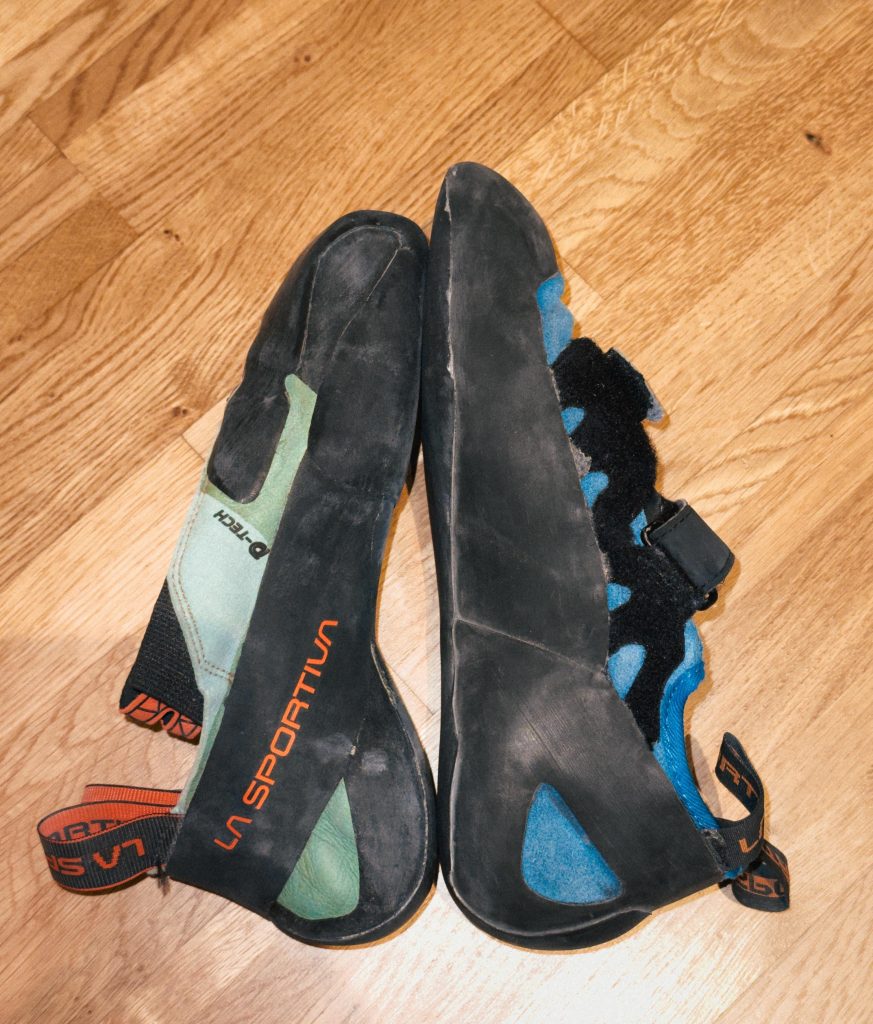
Are your climbing shoes feeling too tight and uncomfortable? If you’re struggling with sore feet or cramped toes, you’re not alone.
Getting the right fit is key to climbing better and enjoying every climb. But what if your shoes don’t fit perfectly right out of the box? Don’t worry—you can stretch climbing shoes to make them fit just right. You’ll discover simple, effective ways to stretch your climbing shoes at home.
Keep reading, and soon you’ll be climbing with comfort and confidence like never before.
Why Stretch Climbing Shoes
Climbing shoes need to fit well for safety and comfort. Sometimes new shoes feel too tight or stiff.
Stretching climbing shoes helps make them fit better. A better fit improves climbing performance.
Common Fit Issues
Climbing shoes that do not fit well cause pain or slipping. Many climbers face similar problems with fit.
- Shoes too tight around toes cause discomfort.
- Heel slipping makes climbing unstable.
- Pressure points can cause blisters or bruises.
- Stiff shoes limit foot movement and control.
Benefits Of A Custom Fit
A custom fit means shoes match your feet well. This reduces pain and improves climbing ability.
Stretching shoes helps shape them to your feet. This creates better comfort and grip on rocks.
- Improves foot support and reduces slipping.
- Increases comfort for longer climbs.
- Enhances precision and control on holds.
- Prevents foot injuries and fatigue.

Credit: gearjunkie.com
Materials And Stretching Potential
Climbing shoes need to fit well for best performance. Materials impact how much they can stretch.
Understanding the material of your climbing shoes helps in stretching them properly. Leather and synthetic materials behave differently.
Leather Vs Synthetic
Leather climbing shoes can stretch. They adjust to your foot shape over time. This makes them more comfortable.
Synthetic shoes stretch less than leather. They keep their original shape longer. This can be good for consistent performance.
- Leather stretches up to a full size
- Synthetic shoes stretch slightly, if at all
- Choose based on your comfort and performance needs
How Material Affects Stretch
Material type affects how you can stretch your shoes. Leather responds well to moisture and heat.
Synthetic materials are less flexible. They require different methods like using shoe stretchers or wearing them with thick socks.
- Leather: Use water and wear to stretch
- Synthetic: Use shoe stretchers
- Thick socks help break in both types
Preparing Your Shoes For Stretching
Stretching climbing shoes helps improve comfort and fit. Preparing your shoes correctly makes stretching easier and safer.
Start by cleaning and drying your shoes. Then, gather the right tools for stretching. These steps protect the shoes and help you stretch them well.
Cleaning And Drying
Clean your climbing shoes before stretching. Dirt and sweat can damage the shoe material during stretching.
Use a damp cloth to wipe the outside of your shoes. Avoid soaking them in water to protect the glue and leather.
- Remove dirt and dust with a soft brush or cloth
- Use mild soap if needed but rinse carefully
- Do not wash shoes in washing machines
- Let shoes air dry at room temperature
- Avoid direct sunlight or heat sources
Gathering Stretching Tools
Collect tools that help stretch your climbing shoes safely. The right tools give you control over the stretching process.
Common stretching tools include shoe stretchers, thick socks, and plastic bags. Each tool helps stretch different parts of the shoe.
- Shoe stretchers:Devices that expand the shoe’s width and length
- Thick socks:Wear inside the shoe to stretch gently
- Plastic bags:Fill with water and freeze inside shoes to expand them
- Hairdryer:Use heat carefully to soften shoe material before stretching
Techniques To Stretch Climbing Shoes
Climbing shoes often fit tightly for better performance. Sometimes, they need stretching for comfort. There are simple ways to stretch your climbing shoes at home.
These techniques help you adjust the shoes without damaging them. Use the right method for your shoe type and material.
Using Heat For Stretching
Heat softens the shoe material, making it easier to stretch. You can use a hair dryer to warm the shoes gently.
Wear thick socks and put the warm shoes on. Move your feet to stretch the shoes in the right spots.
- Heat shoes with a hair dryer for 1-2 minutes
- Wear thick socks to protect your feet
- Put on shoes and flex your feet slowly
- Repeat if needed, but avoid overheating
Wet Stretch Method
Wetting your climbing shoes can help them stretch naturally. Use water to dampen the inside slightly, not soaking wet.
Wear the damp shoes with thick socks until they dry. The shoes will mold to your feet and become more comfortable.
- Lightly wet the inside of the shoes
- Wear thick socks to protect your feet
- Put on the damp shoes and keep them on until dry
- Do not soak the shoes to avoid damage
Using Shoe Stretchers And Inserts
Shoe stretchers are tools that expand the shoe gently. Insert them inside the shoe and turn the knob to widen the shoe.
You can add inserts to target specific tight areas. Leave the stretchers inside for several hours or overnight.
- Insert the shoe stretcher into the shoe
- Turn the knob to expand the shoe slowly
- Use inserts for specific tight spots
- Keep the stretcher in place for hours
Manual Stretching Tips
You can stretch shoes by hand using your fingers or objects. Push and pull the tight areas to loosen the material.
Use a shoehorn or similar item to stretch the toe box and sides carefully. Repeat the process gradually for best results.
- Push tight areas with fingers or a shoehorn
- Stretch the toe box and sides gently
- Do small stretches regularly
- Avoid forcing the shoe to prevent damage
Target Areas To Stretch
Climbing shoes often feel tight at first. Stretching them helps improve comfort and fit. You should focus on key areas that cause discomfort.
This guide explains how to stretch the toe box, heel area, and width of your climbing shoes. Each area needs different care and methods.
Toe Box
The toe box is where your toes sit. It can feel cramped and cause pain. Stretching this area gives your toes more room to move.
- Wear thick socks and gently heat the shoes with a hairdryer.
- Use a shoe stretcher shaped for the toe box.
- Insert toe stretchers or balls to expand tight spots.
- Stretch slowly to avoid damaging the shoe material.
Heel Area
The heel area should hold your foot firmly without pinching. Stretching this part helps reduce blisters and slipping.
Heel Stretching Tips:
- Use a shoe stretcher with a heel expansion feature.
- Apply leather conditioner before stretching to soften the material.
- Wear the shoes with thick socks and walk around to help shape the heel.
Width Adjustments
Shoes that feel too tight on the sides cause discomfort. Adjusting the width makes your shoes more comfortable without losing support.
| Method | Description | Best For |
| Using Shoe Stretchers | Insert side expanders to widen the shoe gradually. | Leather and synthetic shoes |
| Wet Stretching | Wear damp shoes with thick socks to gently stretch width. | Leather shoes only |
| Heat and Wear | Warm shoes and walk until they mold to foot shape. | All shoe materials |

Credit: gearjunkie.com
How To Stretch Without Damaging Shoes
Climbing shoes often feel tight at first. Stretching them carefully helps improve comfort. You must stretch them without causing harm.
Using the right methods protects the shoe material and shape. It also keeps your shoes lasting longer.
Avoiding Overstretching
Stretching shoes too much can ruin their fit and support. Avoid pulling or stretching too far at once.
Slow and small adjustments work best. Stop stretching if the shoe feels loose or damaged.
- Stretch only one area at a time
- Use gentle pressure or mild heat
- Don’t force the shoe beyond its limits
- Check fit often during the process
Proper Care Post-stretch
After stretching, care for your shoes to keep their new shape. Clean and store them properly.
Allow shoes to dry naturally away from direct heat. Use shoe trees or stuff them with paper to hold shape.
- Wipe dirt off with a soft cloth
- Keep shoes in a cool, dry place
- Avoid storing shoes in tight spaces
- Check shoes regularly for wear
When To Seek Professional Help
Stretching climbing shoes at home can work for small adjustments. Some problems need expert care to avoid damage. Knowing when to get professional help saves your shoes.
Professionals use special tools and techniques. They can stretch shoes evenly and fix tough spots. Here are signs that you should visit a shoe specialist.
Severe Tightness Or Pain
If your climbing shoes cause strong pain or tightness, avoid forcing them. Professionals can stretch shoes safely without hurting the shoe or your feet. They know how much stretch is safe.
Material Type And Shoe Construction
Some materials like leather or synthetic fabrics need special care. Complex shoe designs with glued parts may get damaged by home methods. Professionals understand different materials and use the right approach.
- Leather shoes usually stretch better but need careful handling.
- Synthetic shoes may not stretch much and require specific tools.
- Shoes with glued soles can separate if stretched too hard.
Persistent Fit Problems
If home stretching does not improve comfort after several tries, seek help. Professionals can identify hidden fit issues. They may also suggest shoe modifications or recommend new shoes.
Custom Stretching Needs
Some climbers need specific stretches for bunions or foot shape. Professionals offer custom solutions using molds and heat treatments. This ensures a perfect fit and prevents injury.
| Reason to Seek Help | Why Professional Help Is Needed |
| Severe Tightness or Pain | Safe stretching without damage |
| Material Type | Expert handling of leather or synthetic |
| Persistent Fit Problems | Identify and fix hidden issues |
| Custom Stretching | Special molds and heat treatments |
Maintaining A Comfortable Fit
Stretching climbing shoes helps keep them comfortable during climbs. Shoes that fit well reduce foot pain and improve performance.
It is important to care for your shoes and know when to replace them. This keeps your feet safe and your climbing strong.
Regular Shoe Care
Cleaning your climbing shoes regularly stops dirt and sweat from damaging the material. Clean shoes stretch more evenly and last longer.
Store your shoes in a cool, dry place. Avoid heat or direct sunlight to keep the shoe shape intact.
- Wipe shoes with a damp cloth after each use
- Use mild soap for deeper cleaning
- Air dry shoes completely before storing
- Use shoe trees or stuff with paper to keep shape
Recognizing When To Replace
Old climbing shoes lose their stretch and support. Wearing worn-out shoes can cause discomfort and injuries.
Look for holes, loose seams, or soles that are very thin. These signs mean it is time to get new shoes.
- Check for holes in the upper fabric
- Feel for worn-out or hard soles
- Notice if shoes slip or feel loose
- Replace shoes if they cause pain during climbing

Credit: www.vertical-addiction.com
Frequently Asked Questions
How Can I Safely Stretch Climbing Shoes At Home?
You can stretch climbing shoes using thick socks and heat. Wear thick socks, put on shoes, then warm them with a hairdryer. Walk around until shoes cool. This method safely loosens tight spots without damaging the material.
What Materials Stretch Climbing Shoes The Most?
Leather climbing shoes stretch the most due to their natural fibers. Synthetic shoes stretch less but may loosen slightly with heat and wear. Understanding your shoe’s material helps apply the right stretching method for the best fit.
How Long Does It Take To Stretch Climbing Shoes?
Stretching climbing shoes typically takes a few hours to a couple of days. The time varies based on shoe material and stretching technique used. Consistent wearing and gentle stretching speed up the process safely.
Can I Use Water To Stretch Climbing Shoes?
Yes, dampening leather climbing shoes slightly can help stretch them. Avoid soaking; just use a damp cloth. Wear the shoes until they dry to mold them gently to your feet.
Conclusion
Stretching climbing shoes helps improve comfort and performance. Use simple methods like wearing them with thick socks or using shoe stretchers. Avoid overstretching to keep the shoes safe and durable. Be patient; stretching takes time for the best fit. Regular care keeps your climbing shoes comfortable for many climbs.
Try these tips to make your shoes fit better and climb with more ease.