
Are your climbing shoes feeling too tight and uncomfortable? You’re not alone.
Many climbers struggle with shoes that pinch or cause pain, which can ruin your focus and performance on the wall. But what if you could make your shoes fit better without spending a fortune on a new pair? Learning how to stretch climbing shoes properly can transform your experience, giving you the perfect balance of comfort and control.
Keep reading, and you’ll discover simple, effective techniques that help your shoes mold to your feet—so you can climb longer, harder, and with more confidence.
Why Stretch Climbing Shoes
Climbing shoes often feel tight when new. Stretching helps make them fit better.
Shoes that fit well improve climbing and reduce pain in your feet.
Comfort Vs Performance
Climbers want shoes that feel good and perform well. These goals can conflict.
Tighter shoes give better control on small holds but may cause discomfort.
- Comfort means less pain and longer climbing sessions
- Performance means better grip and precision
- Stretching shoes can balance comfort and performance
Common Fit Issues
Climbing shoes can be too tight in some areas and loose in others.
Common problems include pinching toes, tight heels, and pressure on the top of the foot.
- Pinched toes cause pain and reduce blood flow
- Tight heels can lead to blisters and slipping
- Pressure on the foot’s top hurts during climbs

Credit: www.vertical-addiction.com
Materials That Stretch
Climbing shoes need to fit snugly. Stretching them can help improve comfort. Different materials stretch in different ways.
Knowing how leather and synthetic shoes stretch helps you choose the right method. This guide explains the basics for each type.
Leather Shoes
Leather is a natural material that stretches well over time. It molds to your foot shape as you wear it. This makes leather shoes very comfortable after breaking in.
- Leather shoes stretch mostly in width and length.
- The stretching can be up to half a size or more.
- Using a shoe stretcher or wearing thick socks can speed up the process.
- Applying leather conditioner keeps the material soft for better stretching.
- Leather shoes may stretch unevenly if not cared for properly.
Synthetic Shoes
Synthetic materials stretch less than leather. They are often made from plastic fibers or mesh. These shoes hold their shape better but offer less stretch.
| Material Type | Stretch Level | Best Stretching Method |
| Microfiber | Low | Wear with thick socks |
| Mesh | Very Low | Minimal stretching possible |
| Plastic-based | Low to None | Use a shoe stretcher carefully |
Safe Stretching Techniques
Climbing shoes often feel tight at first. Stretching them safely can improve comfort. Use gentle methods to avoid damage.
Below are three safe ways to stretch climbing shoes. Each method uses careful steps to widen the shoe without harming it.
Using Heat And Moisture
Heat and moisture soften the shoe material. This makes stretching easier and safer. Use warm water or body heat to help.
- Soak socks in warm water and wear them with the shoes.
- Wear the shoes until they dry to stretch gently.
- Use a hairdryer on low heat, moving it around the tight areas.
- Avoid high heat to prevent damage to glue and fabric.
Manual Stretching Methods
Manual stretching uses your hands to stretch specific spots. This method targets tight areas carefully.
| Manual Stretching Technique | How to Do It |
| Pinch and Pull | Pinch the tight spot and pull the material outward slowly. |
| Massage the Shoe | Use fingers to massage the stiff areas to soften the material. |
| Use Your Foot | Wear thick socks and flex your foot inside the shoe. |
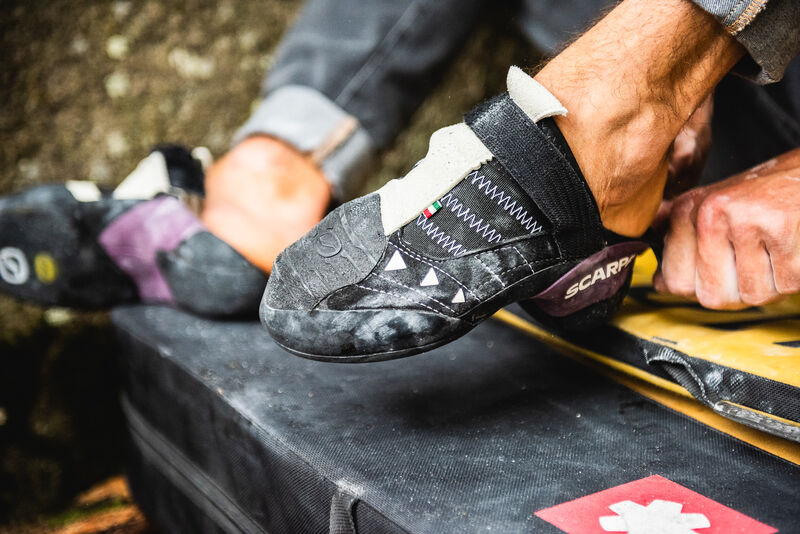
Stretching Devices
Stretching devices can widen shoes evenly. They fit inside and apply steady pressure.
- Shoe stretchers expand width and length.
- Toe stretchers target tight toe boxes.
- Insert the device and turn the handle slowly.
- Leave it in place for several hours for best results.
Credit: www.vertical-addiction.com
Quick Stretching Hacks
Climbing shoes can feel tight at first. Stretching them helps improve comfort and fit. There are easy ways to stretch shoes at home.
Try simple hacks that save time and effort. These tricks work well for leather and synthetic shoes.
Using Thick Socks
Wear thick socks to stretch your climbing shoes gently. The extra padding helps widen the shoe without damage.
Put on one or two pairs of thick socks. Then, put on the climbing shoes. Walk around the house for 30 minutes or more.
- The socks add pressure inside the shoe.
- This pressure helps stretch tight spots.
- Repeat daily for better results.
Freezing Water Method
Fill plastic bags with water and place them inside your shoes. Make sure the bags fit snugly to fill the shoe space.
Put the shoes with the water bags in the freezer. Water expands as it freezes, stretching the shoes slowly.
- Use sealable plastic bags to avoid leaks.
- Freeze shoes for 8 to 12 hours.
- Remove and let shoes thaw before wearing.
- Repeat if more stretching is needed.
Avoiding Damage
Stretching climbing shoes helps improve comfort and fit. Doing it wrong can harm the shoes.
Learn how to stretch shoes safely to keep them in good shape for longer.
Common Mistakes
Many climbers stretch their shoes too fast or use wrong tools. This causes damage to the material.
Using heat or water incorrectly can weaken glue or change shoe shape.
- Applying heat directly to the shoe’s upper
- Soaking shoes fully in water
- Using sharp objects to stretch tight areas
- Stretching shoes unevenly or too quickly
- Ignoring manufacturer instructions
Signs Of Overstretching
Overstretching causes shoes to lose shape and support. Watch for these signs to stop in time.
Damaged shoes affect climbing performance and comfort.
- Loose or baggy fit after stretching
- Cracks or tears in the shoe material
- Seams coming apart or glue failing
- Soles peeling off or deforming
- Loss of heel or toe support
When To Seek Professional Help
Stretching climbing shoes can be tricky. Sometimes, it is best to get help from experts. They have the right tools and skills.
Knowing when to ask for professional help can save your shoes and your feet from damage. Here are two places to consider.
Cobblers And Shoe Repair Shops
Cobblers have experience with different shoe materials. They can stretch shoes safely without causing harm. They use special equipment that you may not have at home.
- If your shoes feel too tight after home stretching attempts
- If the shoe material is thick or hard to stretch
- If you want to stretch only certain areas of the shoe
- If you want to keep the shoe’s shape intact
Specialized Climbing Stores
Specialized climbing stores often offer shoe stretching services. Their staff know climbing shoes well. They can give advice on fit and comfort too.
| Service | What to Expect | Cost Range |
| Shoe Stretching | Targeted stretching using climbing shoe-friendly methods | $10 – $30 |
| Fit Assessment | Check for proper fit and comfort advice | Free or low cost |
| Repairs | Fix soles, seams, or damage during stretching | Varies by repair |

Credit: www.reddit.com
Frequently Asked Questions
How Can I Safely Stretch My Climbing Shoes At Home?
You can stretch climbing shoes by wearing them with thick socks or using a shoe stretcher. Avoid heat or water methods as they may damage the materials. Gradual stretching ensures comfort without compromising the shoe’s fit or performance.
How Long Does It Take To Stretch Climbing Shoes?
Stretching climbing shoes usually takes a few days to a week. Wearing them regularly for short periods helps the material adapt. Avoid forcing the stretch quickly to prevent shoe damage and ensure a comfortable fit.
Can I Use Heat To Stretch Climbing Shoes?
Using heat to stretch climbing shoes is not recommended. Heat can weaken adhesives and distort shoe shape. Instead, opt for wearing the shoes with thick socks or a proper shoe stretcher for safe stretching.
Will Climbing Shoes Stretch More Over Time?
Yes, climbing shoes typically stretch slightly with use. Materials like leather and synthetic fabrics expand to fit your feet better. However, the amount of stretch varies by shoe type and material quality.
Conclusion
Stretching climbing shoes helps make them more comfortable. Use safe methods to avoid damage. Take small steps and test the fit often. Shoes that fit well improve climbing performance and reduce pain. Patience is key; stretching takes time. Enjoy your climbs with better-fitting shoes.
Keep caring for your gear to last longer. Try these tips and feel the difference.