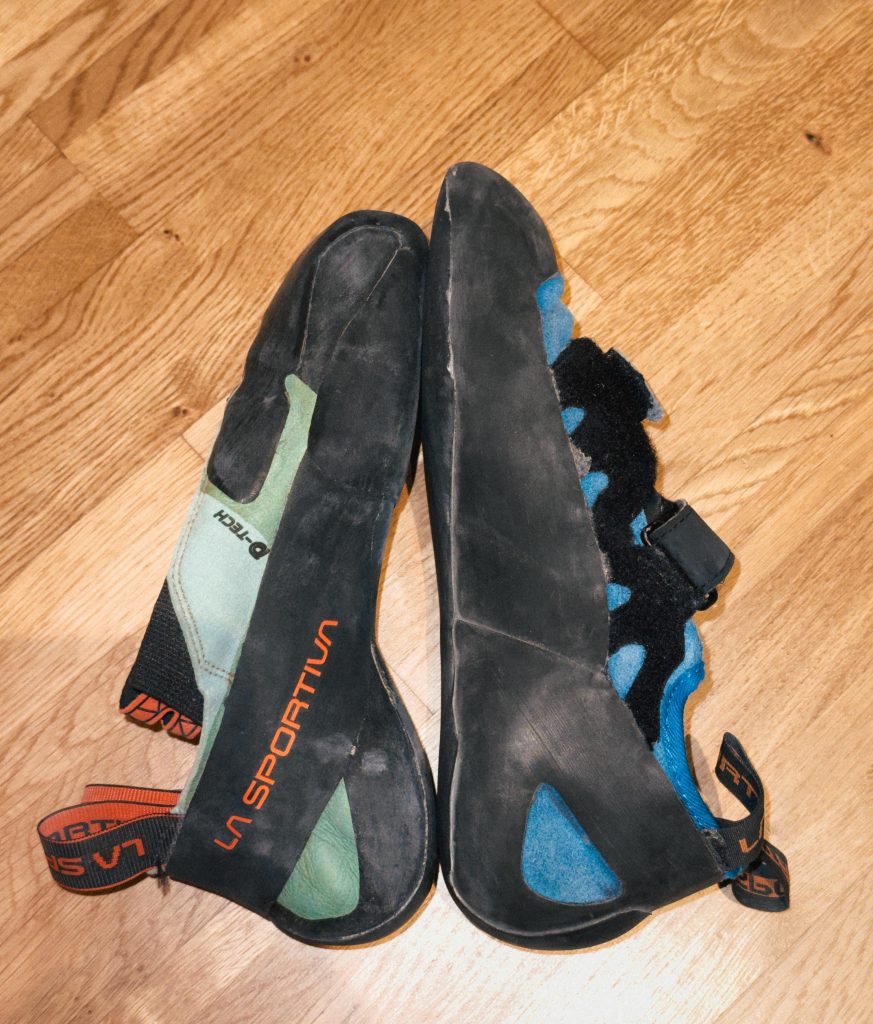
Are your climbing shoes feeling too tight and uncomfortable? You’re not alone.
Many climbers struggle with shoes that pinch or squeeze, making every step painful. But what if you could make your shoes fit just right without breaking the bank or buying a new pair? You’ll discover simple, effective ways to stretch out your climbing shoes.
By the end, you’ll know exactly how to get a better fit and climb with more comfort and confidence. Keep reading—you deserve shoes that work with you, not against you.

Credit: www.ukclimbing.com
Why Stretch Climbing Shoes
Climbing shoes need to fit well for comfort and performance. Sometimes new shoes feel tight or uncomfortable.
Stretching climbing shoes helps adjust the fit to your feet. This makes climbing safer and more enjoyable.
Common Fit Issues
Many climbers face problems with shoe fit. Shoes that are too tight can cause pain. Shoes that are too loose reduce control.
- Tight toes causing numbness or pain
- Pressure on the sides of the feet
- Heel slipping during climbs
- Difficulty wearing shoes for long periods
Benefits Of Stretching
Stretching climbing shoes improves comfort and fit. It can reduce pain and prevent injuries.
| Benefit | Explanation |
| Better Comfort | Shoes fit your feet without tight spots |
| Improved Performance | More precise foot placement on holds |
| Longer Wear | You can wear shoes longer without pain |
| Reduced Risk | Less chance of blisters and foot problems |

Credit: www.reddit.com
Materials And Tools Needed
Stretching climbing shoes helps make them fit better and feel more comfortable. You need the right materials and tools to do it safely.
This guide shows what items you will need to stretch your climbing shoes at home. Using these tools correctly can protect your shoes and feet.
Essential Tools
You need some basic tools to stretch your climbing shoes. These tools help apply gentle pressure and heat.
- Shoe Stretchers: Devices that expand shoe width and length
- Thick Socks: To wear inside shoes during stretching
- Hair Dryer or Heat Gun: To warm up the shoe material
- Plastic Bags: To protect shoes when using water or heat
- Rubber Bands or Shoe Clips: To keep shoes in stretched position
- Towels: To protect surfaces and absorb moisture
Safety Precautions
Stretching shoes needs care to avoid damage or injury. Follow safety tips for good results.
- Do not use high heat. It can ruin shoe material.
- Avoid overstretching. It can deform shoes or cause discomfort.
- Use thick socks to protect your feet during stretching.
- Test heat on a small area first to check material reaction.
- Keep shoes away from flames or hot surfaces.
- Stretch shoes gradually over time, not all at once.
Stretching Techniques At Home
Climbing shoes often fit tight for better grip. Sometimes, you need to stretch them slightly. This guide shows easy ways to stretch shoes at home.
Try these safe techniques to make your climbing shoes more comfortable. Use simple tools and materials you already have.
Using Heat Methods
Heat softens the shoe material, making it easier to stretch. You can use a hairdryer or warm water for this method.
Warm the tight parts for a few minutes. Then, wear the shoes with thick socks to stretch them as they cool down.
- Use a hairdryer on medium heat around tight areas
- Wear thick socks and put on the shoes immediately
- Walk or stand for 10-15 minutes while shoes cool
- Repeat if needed, but avoid overheating to protect the shoes
Cold Water And Freezing Trick
This trick uses water expansion to stretch shoes. Fill plastic bags with water and place them inside the shoes.
Put the shoes in the freezer. Water turns to ice and expands, gently stretching the shoes.
- Fill sealable plastic bags with water (half full)
- Insert bags into shoes, focus on tight spots
- Seal bags to avoid leaks
- Place shoes in freezer overnight
- Remove and let ice melt slightly before taking out bags
Shoe Stretchers And Inserts
Shoe stretchers are tools made to widen shoes safely. Inserts can also help by adding pressure to stretch certain areas.
Use adjustable stretchers for length and width. Inserts are cheaper but stretch less than full stretchers.
- Insert shoe stretcher and adjust to fit tight areas
- Leave stretcher in shoes for 24-48 hours
- Use inserts to target specific spots like toes or sides
- Check shoe fit regularly to avoid over-stretching

Credit: www.climbinganchors.com.au
Quick Stretching Tips
Climbing shoes often feel tight at first. Stretching them helps fit your feet better. You can stretch shoes quickly with simple methods.
Two easy ways to stretch climbing shoes are wearing thick socks and using plastic bags with warm water. Each method works well for different shoe materials.
Wearing Thick Socks
Put on a pair of thick socks before wearing your climbing shoes. The extra padding stretches the shoe gently as you walk or stand.
- Wear thick socks that cover your entire foot.
- Put on the climbing shoes over the socks.
- Walk around for 30 minutes to an hour.
- Remove shoes and check the fit.
- Repeat if the shoes still feel tight.
Using Plastic Bags And Warm Water
This method uses warm water and plastic bags to stretch the shoes safely. It works best on leather climbing shoes.
| Step | Action | Tip |
|---|---|---|
| 1 | Fill plastic bags with warm water (not hot). | Use sealable bags to avoid leaks. |
| 2 | Place the bags inside the shoes. | Make sure bags fit snugly in the toe area. |
| 3 | Put shoes in the freezer for several hours. | Water expands as it freezes, stretching the shoes. |
| 4 | Remove shoes and bags, then dry the shoes. | Check the fit before using the shoes again. |
When To Avoid Stretching
Stretching climbing shoes can help improve comfort. But some times stretching may cause problems. Knowing when to avoid stretching keeps your shoes safe.
Stretching is not good for all shoes. Some materials and conditions make stretching risky. Learn about these limits before you try to stretch your shoes.
Material Limitations
Not all climbing shoes stretch the same way. Leather shoes stretch more than synthetic ones. Synthetic materials may not change size much.
Stretching shoes made from stiff or special materials can damage them. Avoid stretching shoes with thick rubber or hard plastic parts. These parts do not stretch well and may break.
- Leather shoes stretch easily
- Synthetic shoes stretch less
- Thick rubber soles resist stretching
- Hard plastic parts do not stretch
Risk Of Damage
Stretching climbing shoes too much can harm them. Overstretching can cause seams to tear or glue to fail. This makes the shoes unusable.
Some shoes have delicate parts like thin soles or stitched areas. These parts are easy to damage if you stretch the shoe. Avoid stretching if your shoes show signs of wear.
- Overstretching can tear seams
- Glue may come undone
- Thin soles are easy to damage
- Worn shoes are weaker
Maintaining A Comfortable Fit
Climbing shoes often feel tight at first. Stretching them helps keep comfort while climbing. A good fit improves your grip and prevents pain.
Knowing how to stretch climbing shoes safely keeps them in good shape. This guide covers breaking in shoes and caring for them.
Breaking In New Shoes
New climbing shoes can feel stiff and small. Wearing them for short times helps stretch the material. Avoid wearing them too long at first.
Use thick socks to protect your feet while stretching shoes. You can also gently bend and flex the shoes by hand.
- Wear shoes indoors for 20-30 minutes daily
- Use thick socks to ease stretching
- Flex shoes by hand to loosen tight areas
- Do not force shoes on your feet to avoid damage
Regular Care And Storage
Proper care keeps climbing shoes flexible and comfortable. Clean shoes after use with a damp cloth. Let them dry in a cool, dry place.
Store shoes away from direct sunlight and heat. Use shoe trees or stuff them with paper to keep their shape. Regular care helps maintain fit and shoe life.
- Clean shoes after each use
- Dry shoes naturally, avoid heaters
- Store in a cool, dark place
- Use shoe trees or paper to keep shape
Frequently Asked Questions
How Can I Make Climbing Shoes Bigger?
To make climbing shoes bigger, wear them with thick socks around the house. Use a shoe stretcher or apply heat using a hairdryer. These methods help expand the material, making your shoes more comfortable without compromising their performance.
Do Climbing Shoes Stretch Over Time?
Yes, climbing shoes naturally stretch with regular use. The material, especially leather, tends to mold to your foot shape. This makes them more comfortable over time. However, synthetic materials stretch less, so consider this when choosing your shoes.
Is It Safe To Stretch Climbing Shoes?
Stretching climbing shoes is safe if done correctly. Avoid extreme methods that might damage the shoe material. Using gentle techniques like wearing them with socks or using a shoe stretcher maintains the shoe’s integrity while providing a better fit.
Can Heat Help Stretch Climbing Shoes?
Heat can effectively stretch climbing shoes. Use a hairdryer to warm the shoes while wearing them. The heat softens the material, allowing it to expand. Ensure you don’t overheat them, as excessive heat can damage the shoes.
Conclusion
Stretching climbing shoes helps improve comfort and performance. Use gentle methods to avoid damage. Try wearing them with thick socks or using warm water carefully. Give the shoes time to adjust after stretching. Always check fit before climbing to prevent pain or injury.
Taking care of your shoes extends their life. A good fit makes climbing safer and more fun. Keep these tips in mind for better climbing experiences.