Are you ready to make your next fishing trip a success? Knowing how to string a fishing line correctly is one of the most important skills every angler needs.
If your line is tangled, loose, or weak, you could miss the big catch. But don’t worry—this guide will walk you through each step clearly and simply. By the end, you’ll feel confident setting up your fishing line like a pro.
Keep reading, and get ready to improve your fishing game right now!
Choosing The Right Line
Choosing the right fishing line is important for a good fishing experience. The line affects how you cast, fight fish, and handle different water conditions.
There are many types of fishing lines. You must understand their strengths and uses to pick the best one for your needs.
Types Of Fishing Lines
Fishing lines come in several types. Each type has special features and suits different fishing styles.
- Monofilament: single strand, easy to handle
- Braided: made of woven fibers, very strong
- Fluorocarbon: nearly invisible underwater, sinks fast
Line Strength And Diameter
Line strength means how much weight the line can hold. It is often called “pound test.”
Diameter is the thickness of the line. Thicker lines are stronger but less smooth in water.
- Choose strength based on the fish size you want.
- Thin lines cast farther and less visible to fish.
- Stronger lines handle heavy fish and rough conditions.
Monofilament Vs. Braided Vs. Fluorocarbon
Monofilament is stretchy and easy to tie. It is good for beginners and general fishing.
Braided lines have no stretch and great strength. They are good for heavy cover and long casts.
Fluorocarbon is almost invisible underwater. It sinks faster and resists abrasion well.
| Type | Strength | Stretch | Visibility | Best Use |
|---|---|---|---|---|
| Monofilament | Moderate | High | Visible | General fishing, beginners |
| Braided | High | Low | Visible | Heavy cover, long casts |
| Fluorocarbon | Moderate to High | Low | Low | Clear water, bottom fishing |

Credit: www.youtube.com
Essential Tools Needed
Stringing a fishing line correctly needs a few important tools. These tools help you set up your fishing gear quickly and safely.
Knowing what tools to use makes your fishing experience better. It also keeps your fishing line strong and ready.
Fishing Reel Types
There are different fishing reels you can use to string your line. Each reel type has its own way to attach the line.
The common types include spinning reels, baitcasting reels, and spincast reels. Choose the reel that fits your fishing style.
- Spinning reels: Easy to use, good for beginners
- Baitcasting reels: Better control for experienced anglers
- Spincast reels: Simple design, less tangling
Line Clippers And Scissors
Line clippers and scissors are needed to cut fishing line cleanly. Using sharp tools prevents frayed ends and weak knots.
Choose clippers or scissors made for fishing lines. They cut smoothly and last longer, making your work easier.
- Line clippers: Small and handy for quick cuts
- Fishing scissors: Sharp blades for thick lines
- Multi-tool knives: Useful for cutting and other tasks
Additional Accessories
Other accessories help make stringing your line easier and more efficient. These tools also protect your gear.
Common accessories include hook removers, line conditioners, and spool holders. They help keep your fishing setup neat.
- Hook removers: Safely remove hooks from fish or line
- Line conditioner: Keeps line flexible and strong
- Spool holders: Hold the spool steady while stringing
Preparing The Reel
Before you string a fishing line, you need to prepare the reel carefully. This helps the line go on smoothly and last longer.
Taking time to set up the reel right makes fishing easier and more fun.
Cleaning And Maintenance
Clean your reel before adding a new line. Dirt and salt can damage the reel parts.
Use a soft cloth and some mild soap with water to wipe the reel. Dry it well to stop rust.
- Remove old line and debris from the spool
- Check for any worn or broken parts
- Apply light oil to moving parts if needed
Spool Setup
Place the fishing line spool on a clean surface or a spool holder. This helps the line feed smoothly.
Make sure the line will unwind in the same direction as the reel turns to avoid twists.
- Put the spool so the line comes off the top
- Hold the line tight to prevent slack
- Check the reel’s instructions for spool placement
Securing The Line
Attach the line to the reel spool with a strong knot. This keeps the line from slipping off.
Start winding the line slowly and evenly onto the spool. Keep tension on the line as you wind.
- Use an arbor knot to tie the line to the spool
- Wind the line tight but not too tight
- Fill the spool to about 1/8 inch from the edge
Step-by-step Stringing Process
Stringing a fishing line on your reel is a simple task. It helps you get ready for a good fishing day.
Follow these steps to attach and wind the line properly. This will keep your line safe and ready to use.
Attaching The Line To The Spool
Start by threading the line through the rod guides. Then, tie the line to the spool with a secure knot.
The Arbor knot is strong and easy to tie. Make sure the knot is tight before winding the line.
- Pass the line around the spool
- Make a loop and tie an Arbor knot
- Pull the knot tight against the spool
- Trim excess line close to the knot
Winding The Line Properly
Keep tension on the line as you wind it onto the spool. This helps the line lay evenly without gaps.
Turn the reel handle slowly and watch the line fill the spool. Stop before the line reaches the spool edge.
- Hold the line tight with fingers
- Turn the reel handle slowly
- Fill the spool to 1/8 inch from the edge
- Check the line for even layering
Avoiding Line Twist And Tangles
Line twist causes knots and tangles. Let the line off the spool under control to reduce twisting.
Use a swivel or let the spool spin freely while stringing. This stops the line from twisting.
- Use a swivel to prevent twist
- Let the spool spin during stringing
- Keep steady tension on the line
- Check for twists and fix them early
Knots For Securing The Line
Tying the right knot is key to keeping your fishing line secure. A good knot holds tight and does not slip. This helps you catch fish without losing your lure or hook.
Below are some common knots that anglers use to secure their fishing lines. Each knot has its own use and strength. Learning these knots can make your fishing experience better.
Improved Clinch Knot
The Improved Clinch Knot is popular for tying the line to a hook or lure. It is strong and easy to tie with most fishing lines. This knot reduces the chance of slippage.
- Thread the line through the hook eye.
- Wrap the tag end around the standing line five to seven times.
- Pass the tag end through the loop near the hook eye.
- Then pass the tag end through the big loop formed.
- Moisten the knot and pull the tag end and standing line tight.
Palomar Knot
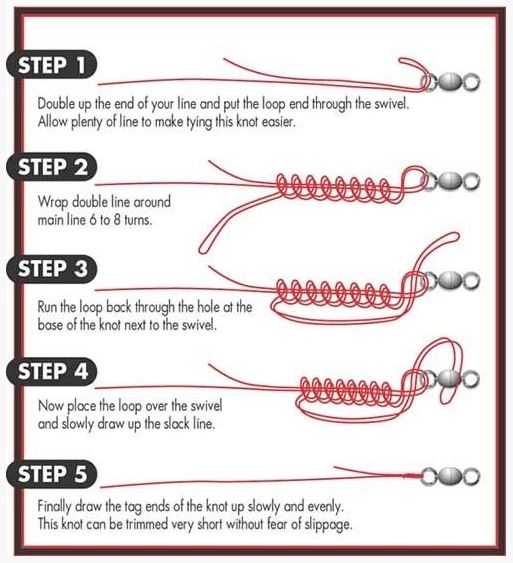
The Palomar Knot is strong and simple. It works well with braided and monofilament lines. This knot keeps the line from breaking under pressure.
- Double about 6 inches of line and pass it through the hook eye.
- Tie a loose overhand knot with the doubled line.
- Pass the hook through the loop of the overhand knot.
- Pull the doubled line to tighten the knot around the hook.
- Trim the tag end close to the knot.
Loop Knots For Lures
Loop knots give lures more freedom to move. This action makes lures look more natural in water. The knot also keeps the lure from slipping off.
| Loop Knot | Use | Key Feature |
| Non-Slip Loop Knot | Soft plastic lures | Allows free lure movement |
| Karl’s Loop | Spinnerbaits, crankbaits | Strong loop, easy to tie |
| Rapala Knot | Hard baits, plugs | Secure loop with good action |

Credit: www.wikihow.com
Common Mistakes To Avoid
Stringing a fishing line properly is important for good fishing. Many beginners make simple mistakes that cause problems later.
This guide covers common errors to avoid. Fixing these will help your fishing line last longer and perform better.
Overfilling The Spool
Putting too much line on the spool causes tangles and casting troubles. It can also damage your reel.
- Do not fill the spool above the rim.
- Leave a small gap to prevent line slipping off.
- Use the right amount of line for your reel size.
Using Damaged Line
Fishing with broken or old line risks losing fish and gear. Check your line before stringing it on the reel.
| Damage Type | What to Do |
| Frays or Nicks | Cut out damaged parts before use |
| Discoloration | Replace line if faded or brittle |
| Twists | Untwist or replace to avoid tangles |
Ignoring Line Maintenance
Skipping line care reduces its strength and life. Clean and check your line often for best results.
- Rinse line with fresh water after saltwater fishing
- Dry line completely before storing
- Inspect line regularly for damage or wear
- Replace line as needed to keep it strong
Tips For Different Fishing Styles
Stringing a fishing line correctly depends on the type of fishing you plan to do. Different fishing styles need different line setups and techniques.
Choosing the right line and stringing method can improve your fishing experience and catch rate. Learn tips for freshwater, saltwater, fly fishing, trolling, and casting.
Freshwater Vs. Saltwater Line Setup
Freshwater and saltwater fishing require different types of lines because of water conditions and fish species. Saltwater lines must resist corrosion and handle stronger fish.
- Use braided or fluorocarbon lines for saltwater to resist salt and abrasion.
- Monofilament lines work well in freshwater for flexibility and stretch.
- Choose heavier line strength for saltwater to manage bigger fish.
- Check your reel’s drag system to match line type and water conditions.
Fly Fishing Line Stringing
Fly fishing uses a special line setup to cast lightweight flies. The line weight and taper affect how you cast and present the fly.
| Fly Line Type | Use Case | Tip |
| Weight Forward | Most common, good for long casts | Match line weight to rod |
| Double Taper | Delicate presentations in calm water | Flip casting easier |
| Level | Short casts, easy to handle | Less control over presentation |
Attach the backing to your reel first. Then tie the fly line to the backing. Finally, add the leader to the fly line using a loop-to-loop connection.
Trolling And Casting Adjustments
Trolling and casting need different line setups and adjustments. Trolling requires smooth line release, while casting needs quick line retrieval and accuracy.
- For trolling, use lines with low stretch like braided lines for better bite detection.
- Adjust drag to let the line out smoothly when trolling.
- For casting, monofilament lines help absorb shocks and improve casting distance.
- Use a line conditioner to reduce tangles and improve casting performance.

Credit: www.youtube.com
Frequently Asked Questions
How Do I Choose The Right Fishing Line?
Choose a fishing line based on fish type, water conditions, and reel compatibility. Consider strength, stretch, and visibility for best results.
What Are The Basic Steps To String A Fishing Line?
Start by attaching the line to the reel spool. Then, wind the line evenly and secure the end with a knot.
How Tight Should The Fishing Line Be Wound?
Wind the line tightly but not too tight. Ensure no slack to prevent tangles and maintain smooth casting.
Can I Use Any Fishing Line For All Reels?
No, different reels require specific line types. Check reel specifications to match line weight and material properly.
Conclusion
Stringing a fishing line is easier than it seems. Follow the steps carefully, and you will do well. Practice a few times to get comfortable. A properly strung line improves your fishing experience. Take your time and check your work.
Soon, casting and catching will feel natural. Enjoy your time by the water with confidence. Keep your gear ready and your skills sharp. Fishing can be relaxing and fun for everyone. Try different lines and knots to find what suits you best.