Setting up your fishing rod correctly is the first step to a great day on the water. If you’re new to fishing or just want to improve your skills, knowing how to string up your rod can make all the difference.
Imagine the frustration of missing a catch because your line wasn’t set right. This guide will walk you through each simple step, so you can feel confident and ready. By the end, you’ll have the knowledge to get your rod ready quickly and easily, making your fishing trips more enjoyable and successful.
Keep reading, and let’s get your gear fishing-ready!
Choosing The Right Rod And Reel
Choosing the right fishing rod and reel makes fishing easier and more fun. The right gear helps you catch fish without much trouble.
This guide covers different rod types, how to pick a reel, and matching them well.
Types Of Fishing Rods
Fishing rods come in many styles. Each style fits different fishing needs and fish sizes.
- Spinning rods are light and good for beginners.
- Baitcasting rods offer control and power for bigger fish.
- Fly rods are designed for fly fishing and need special skills.
- Trolling rods are strong and used on boats to drag bait.
Selecting A Suitable Reel
Reels come in different types too. Each type works best with certain rods and fishing styles.
| Reel Type | Best Use | Ease of Use |
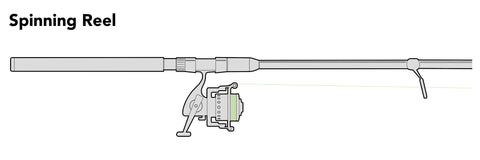
| Spinning Reel | Light to medium fishing | Easy for beginners |
| Baitcasting Reel | Heavy fishing and accuracy | Needs practice |
| Fly Reel | Fly fishing | Specialized use |
| Trolling Reel | Boat fishing | Moderate |
Matching Rod And Reel
Matching your rod and reel is important. The combo affects casting and catching fish.
- Use a spinning reel with a spinning rod for light fishing.
- Pair baitcasting reels with baitcasting rods for heavy fish.
- Fly reels must go with fly rods only.
- Check the rod’s power and action to match reel strength.
- Balance the weight so the rod feels comfortable in hand.

Credit: www.youtube.com
Preparing The Fishing Line
Setting up a fishing line is crucial for a successful fishing trip. The right preparation makes a big difference in your fishing experience.
Follow these steps to make sure your fishing line is ready for action.
Picking The Correct Line Type
Choosing the right line type depends on your fishing needs. Different lines suit different fishing environments and fish types.
- Monofilament: Good for beginners and most conditions.
- Braided: Stronger, good for heavy cover.
- Fluorocarbon: Nearly invisible, sinks faster.
Measuring And Cutting Line
Measure the line to the correct length before cutting. This ensures your line is long enough for casting and reeling.
Checking Line Strength
Line strength is crucial for catching different fish sizes. Always check the line’s pound test before heading out.
| Fish Type | Recommended Line Strength |
| Trout | 4-8 lbs |
| Bass | 8-12 lbs |
| Catfish | 15-20 lbs |
Attaching The Reel To The Rod
Attaching the reel to the fishing rod is an important step. It helps you cast and reel in fish smoothly.
This guide covers how to secure the reel seat and align the reel properly for the best fishing experience.
Securing The Reel Seat
The reel seat is where the reel attaches to the rod. It keeps the reel stable while you fish.
- Loosen the reel seat by turning the locking rings counterclockwise.
- Place the reel foot into the reel seat grooves.
- Tighten the locking rings by turning them clockwise until the reel is secure.
- Check if the reel does not move or wobble.
Aligning The Reel Properly
Proper alignment of the reel ensures smooth casting and reduces line tangles.
| Alignment Tip | Description |
|---|---|
| Reel Position | Place the reel so the handle is easy to reach with your dominant hand. |
| Reel Foot Placement | Center the reel foot in the reel seat grooves for stability. |
| Check the Line Guide | The line should pass smoothly through the guides without twisting. |
Threading The Line Through Guides
Threading the fishing line through the rod guides is an important step. It helps the line move smoothly during casting and reeling.
Careful threading also prevents damage to the line and rod. Follow simple steps to do it right.
Starting From The Tip
Begin threading the line at the tip of the fishing rod. This is the smallest guide at the end of the rod.
Hold the rod steady and insert the line through the tip guide’s ring. Make sure the line goes all the way through.
Passing Through Each Guide
Next, pull the line down the rod and pass it through every guide. Guides are the loops along the rod.
Thread the line from the tip guide to the reel guide one by one. Keep the line tight but gentle.
- Check each guide ring for dirt or damage before threading
- Use fingers or a tool to help push the line through if needed
- Make sure the line stays inside each guide ring
Avoiding Twists And Tangles
Keep the line straight and avoid twists while threading. Twists can cause tangles and weak spots.
Hold the line loosely and let it flow naturally through the guides. Stop and fix any twists immediately.
- Uncoil the line spool before threading
- Do not pull the line too hard
- Watch for loops or knots forming as you thread
Spooling The Line Onto The Reel
Spooling the line onto the reel is a key step in setting up your fishing rod. It ensures smooth casting and prevents tangles.
Doing this right helps your fishing experience be more enjoyable and efficient on the water.
Tying The Line To The Spool
Start by attaching the fishing line to the reel spool. Use a strong knot to keep it secure during casting.
The Arbor knot is simple and reliable for tying the line to the spool.
- Pass the line around the spool
- Tie an overhand knot around the main line
- Tighten the knot and trim the tag end
Maintaining Tension While Spooling
Keep tension on the line as you spool it onto the reel. This stops loose loops and tangles.
You can hold the line between your fingers or use a cloth to apply steady pressure.
- Keep the line tight but do not stretch it
- Turn the reel handle slowly and evenly
- Check for any slack or uneven winding
Filling The Spool Correctly
Fill the spool until it is nearly full but not overfilled. This helps with good line release during casting.
Leave about 1/8 inch of space between the line and spool edge to avoid line slipping off.
- Stop adding line when near the spool rim
- Check for even layering of the line
- Ensure no line is caught or tangled

Credit: www.youtube.com
Tying The Hook Or Lure
Tying the hook or lure properly is important for fishing. A good knot keeps your catch from escaping.
This guide explains how to choose the knot, secure the hook or lure, and test knot strength.
Choosing The Right Knot
Pick a knot that fits your fishing line and hook type. Some knots work better with certain lines.
Strong knots like the improved clinch knot hold well and are easy to tie.
- Improved Clinch Knot: Good for monofilament and fluorocarbon lines
- Palu Knot: Works well with braided lines
- Loop Knot: Keeps lures free to move naturally
Securing The Hook Or Lure
Thread the line through the hook eye carefully. Make sure the knot sits close to the hook.
Wrap the line tightly and finish the knot with a strong lock. Trim any extra line to avoid tangles.
- Pass the line through the hook eye twice for extra security
- Wrap the line around itself 5-7 times
- Pull the knot tight against the hook eye
- Use scissors to cut excess line close to the knot
Testing Knot Strength
After tying, test your knot by pulling the line firmly. The knot should hold without slipping.
If the knot slips or loosens, retie it. A strong knot reduces the chance of losing fish.
- Pull the line slowly at first
- Increase force to check knot security
- Look for any slips or frays in the line
- Retie if the knot feels weak
Final Checks And Adjustments
After stringing up your fishing rod, it is important to do final checks. These ensure your setup works well and lasts longer.
Check the line tension, drag settings, and casting smoothness. These steps help avoid problems while fishing.
Inspecting Line Tension
Line tension must be even and not too tight or loose. Uneven tension can cause tangles or weak spots.
Hold the rod and gently pull the line to feel the tension. Adjust the spool or guides if needed.
- Check the line along the entire rod length
- Make sure the line moves smoothly through guides
- Adjust knots or spooling if tension feels off
Adjusting Drag Settings
Drag controls how much force it takes to pull line from the reel. Set it to match the fish you want to catch.
Turn the drag knob and test the resistance by pulling line by hand. It should stop the line before it breaks.
- Start with a medium drag setting
- Increase drag if the line slips too easily
- Lower drag to avoid breaking light lines
Ensuring Smooth Casting
Smooth casting depends on proper line flow and reel function. Test your cast in an open space.
Look for snags or jerks as you cast. Adjust line guides and reel tension for better performance.
- Check the reel spool spins freely
- Ensure line flows without catching on guides
- Practice a few casts before fishing

Credit: www.youtube.com
Frequently Asked Questions
How Do I String A Fishing Rod Step-by-step?
First, thread the line through the guides starting at the tip. Tie the line securely to the reel spool. Wind the line evenly onto the reel. Make sure the tension is firm but not too tight. Finally, trim any excess line for a clean finish.
What Type Of Fishing Line Should I Use?
Choose a line based on your fishing style and target species. Monofilament is versatile and beginner-friendly. Braided lines offer strength and sensitivity. Fluorocarbon is nearly invisible underwater, ideal for clear water. Match the line strength to your rod’s rating for best results.
How Do I Avoid Tangles When Stringing A Rod?
Keep the line taut while winding it onto the reel. Avoid overlapping or twisting the line. Use a smooth, steady motion during spooling. Check that the line flows freely from the spool without resistance. Proper tension prevents knots and tangles during casting.
When Should I Replace My Fishing Line?
Replace your fishing line after every few outings or if it shows damage. Look for fraying, nicks, or discoloration. Frequent exposure to sunlight and water weakens line strength. Regular replacement ensures better casting performance and fewer lost fish.
Conclusion
Stringing up a fishing rod is simple with clear steps. Take your time and follow each part carefully. Check the line for knots and proper tension. Practice makes the process easier and faster. Soon, you will feel confident preparing your rod.
Enjoy your fishing trips with a well-prepared rod. Keep your gear in good shape for best results. Happy fishing starts with the right setup every time.