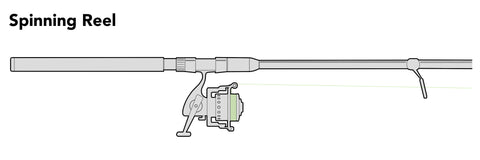
If you love fishing, knowing how to string up a fishing rod is a skill you can’t miss. Imagine heading out to your favorite spot, only to struggle with tangled lines or a poorly set rod.
That frustration can ruin your day before you even catch a fish. But don’t worry—this guide will walk you through every step, making the process simple and quick. By the time you finish reading, you’ll be ready to set up your rod like a pro and focus on what really matters: catching fish.
Keep reading, and turn your fishing trips into smooth, successful adventures.

Credit: www.youtube.com
Choosing The Right Fishing Rod
Picking the right fishing rod is important before you string it up. It helps you fish better and enjoy the experience more.
This guide will help you understand how to choose the best rod for your fishing needs.
Types Of Fishing Rods
Fishing rods come in different types for various fishing methods. Each type suits a certain kind of fishing.
The main types include spinning rods, casting rods, fly rods, and ice rods. Each has unique features.
- Spinning rods:Easy to use, good for beginners and general fishing.
- Casting rods:Offer better control and accuracy for experienced anglers.
- Fly rods:Designed for fly fishing with lightweight lines and delicate casting.
- Ice rods:Short rods used for fishing through ice holes.
Matching Rod With Fishing Style
Choose a rod that fits the type of fishing you want to do. Different styles need different rods.
For example, use a spinning rod for light freshwater fishing. Use a casting rod for heavy baits or big fish.
- Light fishing: Use spinning rods with light lines.
- Heavy fishing: Use casting rods with strong lines.
- Fly fishing: Use fly rods with special fly lines.
- Ice fishing: Use short ice rods.
Selecting Suitable Rod Length And Power
The rod length affects how far you can cast and how easy it is to handle. Power means how strong the rod is.
Long rods cast far but can be hard to control. Short rods offer better control but less casting distance.
| Rod Length | Best For |
|---|---|
| Short (5-6 feet) | Fishing in tight spaces or ice fishing |
| Medium (6-7 feet) | General freshwater fishing |
| Long (7+ feet) | Long-distance casting or surf fishing |
- Light power:For small fish and light lures.
- Medium power:For average fish and lures.
- Heavy power:For big fish and heavy baits.
Gathering Essential Tools
Stringing up a fishing rod starts with the right tools. Prepare by collecting everything needed for a smooth setup.
Having the proper equipment saves time and prevents frustration during the process.
Fishing Line Types
Choose the right fishing line for your rod. Different types suit different fishing styles.
| Line Type | Description | Best Use |
| Monofilament | Single strand, flexible, easy to handle | General fishing for beginners |
| Fluorocarbon | Less visible underwater, more abrasion resistant | Clear water fishing |
| Braided | Strong, thin, low stretch | Heavy cover or deep water fishing |
Necessary Accessories
Gather small tools and items to help you string the rod efficiently.
- Scissors or line cutters to trim excess line
- Fishing rod with reel attached
- Spare line spool for replacement
- Hooks, sinkers, and swivels as needed
- Line conditioner or lubricant to reduce friction
Preparing Your Workspace
Set up a clean and well-lit area before starting. This helps avoid tangles and lost pieces.
Workspace tips:
- Use a flat surface like a table or bench
- Keep all tools within reach
- Have a small container for hooks and small parts
- Ensure good lighting to see knots clearly
Attaching The Reel
Attaching the reel to your fishing rod is an important step. The reel holds the fishing line and helps you cast and retrieve it.
Properly securing and aligning the reel makes fishing easier and more comfortable. Follow these steps to attach your reel correctly.
Securing The Reel To The Rod
Start by placing the reel foot into the reel seat on the rod. The reel seat is near the handle and designed to hold the reel firmly.
- Slide the reel foot into the reel seat grooves.
- Tighten the reel seat rings or locking mechanism until the reel is firmly held.
- Check that the reel does not wobble or move.
- Make sure the reel is secure but do not overtighten to avoid damage.
Aligning The Reel Properly
Align the reel so that the handle is on the side you prefer. Most right-handed anglers place the handle on the right side and left-handed anglers on the left side.
| Handedness | Reel Handle Side |
|---|---|
| Right-handed | Right side |
| Left-handed | Left side |
Check that the reel spool is parallel to the rod guides. This alignment helps the line flow smoothly during casting and retrieval.
Threading The Fishing Line
Threading the fishing line correctly is key to good fishing. This process helps the line flow smoothly and avoids tangles. Follow these steps carefully to set up your rod.
Each part of the rod has a role in guiding the line. Pay close attention to the reel bail, rod guides, and line flow. Proper threading makes casting easier.
Opening The Reel Bail
Start by opening the reel bail to release the line. This lets you pull the line freely from the spool. Keep the bail open until the line is fully threaded through the rod guides.
Guiding Line Through Rod Guides
Thread the line through each rod guide from the bottom near the reel to the tip. Make sure the line sits inside each guide ring properly. This ensures even tension and control.
- Hold the line firmly while threading
- Pass the line through each guide one by one
- Check for any twists or snags in the line
- Tighten the line slightly after threading all guides
Ensuring Smooth Line Flow
After threading, close the reel bail carefully. Test the line flow by pulling it gently. The line should move without resistance or noise. Smooth flow helps with better casting and less wear.
| Common Problem | Cause | Solution |
| Line Snags | Misaligned guides | Re-thread line carefully |
| Rough Pull | Dirt in guides or bail | Clean guides and bail |
| Tangled Line | Line twisted on spool | Open bail and untwist line |
Spooling The Line Onto The Reel
Spooling the fishing line onto the reel is an important task. It helps the line run smoothly and prevents tangles.
Proper spooling can improve your fishing experience. This guide covers key tips to spool the line correctly.
Setting The Right Tension
Keep the fishing line tight while spooling. This stops loose coils from forming on the reel.
You can hold the line between your fingers or use a cloth to add resistance. Too much slack causes problems later.
Avoiding Line Twist
Line twist makes fishing harder and can cause knots. Avoid it by letting the spool rotate freely.
Make sure the line comes off the filler spool in the same direction it goes onto the reel spool. This reduces twists.
- Keep the spool of line level with the reel
- Let the spool spin as you reel in the line
- Stop if you see loops forming on the line
Filling The Reel Spool Correctly
Fill the reel spool so the line sits evenly and does not overflow. This helps with casting distance.
Leave about 1/8 inch space from the top edge of the spool. Too much line can cause tangles and backlashes.
- Spool evenly from one side to the other
- Do not overfill or underfill the spool
- Check the line level often as you spool

Credit: www.youtube.com
Tying The Line To The Rod Tip
Tying the fishing line to the rod tip is an important step. It keeps your line secure and ready for casting.
A strong knot helps prevent the line from slipping. This guide shows how to tie the line properly.
Choosing The Right Knot
Pick a knot that is strong and easy to tie. The knot must hold well under pressure from fish.
Common knots for this task include the Improved Clinch Knot and the Palomar Knot. These knots are reliable and simple.
- Improved Clinch Knot: Good for most fishing lines
- Palomar Knot: Very strong and easy to tie
- Loop Knot: Allows more line movement at the tip
Securing The Line Firmly
Make sure the knot is tight and neat. Loose knots can slip or come undone while fishing.
After tying, pull the line hard to test the knot. Trim any extra line close to the knot to avoid tangles.
- Wet the line before tightening the knot
- Pull the tag end and main line evenly
- Cut excess line close to the knot
Final Checks And Adjustments
After stringing your fishing rod, it is important to check everything carefully. This helps make sure your setup works well and lasts longer.
Final checks help avoid problems while fishing. You will get better control and casting performance.
Inspecting Line Tension
Check the tension of the fishing line along the rod guides. The line should be tight but not too tight to snap.
Loose line can cause tangles and reduce casting accuracy. Tight line improves control and sensitivity.
- Hold the rod and press the line lightly
- Look for any slack or uneven spots
- Adjust the reel spool if the line is loose
- Make sure the line flows smoothly through all guides
Testing The Reel Function
Turn the reel handle to check its operation. It should turn smoothly without sticking or noise.
Test the drag system by pulling the line gently. The drag should resist the pull but still allow line to come out.
- Spin the handle several times to check smoothness
- Pull the line to test drag tension
- Adjust drag knob to desired resistance
- Make sure the reel locks and unlocks properly
Preparing For Casting
Hold the rod and reel in your casting position. Practice releasing the line to get a feel for the setup.
Make small test casts in an open area. Check if the line flows freely and the rod bends correctly.
- Grip the rod firmly but comfortably
- Use your thumb to control the line release
- Watch for any snags or tangles during casting
- Adjust your grip or reel settings if needed

Credit: www.youtube.com
Frequently Asked Questions
How Do I String A Fishing Rod Step-by-step?
Start by threading the line through the rod guides. Tie the line to the reel spool using an arbor knot. Wind the line evenly onto the reel. Pull the line taut through the guides. Attach your lure or hook, and your rod is ready to fish.
What Type Of Fishing Line Should I Use?
Choose a fishing line based on your target fish. Monofilament is versatile and beginner-friendly. Braided line offers strength and sensitivity. Fluorocarbon is nearly invisible underwater. Match the line strength to your rod and fishing style for best results.
How Tight Should The Fishing Line Be?
The fishing line should be tight but not overly stretched. Keep enough tension to prevent tangles and slack. Too tight can damage the rod or line. Proper tension ensures smooth casting and better hook sets while fishing.
Can I String A Fishing Rod Without Tools?
Yes, you can string a fishing rod by hand. Thread the line carefully through guides and tie the reel. However, tools like pliers and scissors improve ease and precision. Using tools helps avoid line twists and knots during setup.
Conclusion
Stringing a fishing rod gets easier with practice. Start with the basics. Gather the right tools and materials. Follow the steps carefully. Remember to secure each knot tightly. Check your work for any loose ends. A well-strung rod enhances your fishing experience.
It helps catch more fish. Enjoy your time by the water. Share your new skills with friends and family. Keep learning and improving your techniques. Soon, you’ll be stringing rods like a pro. Happy fishing!