
Your wood cutting board is more than just a kitchen tool—it’s a trusty companion that helps you create delicious meals every day. But if you don’t take care of it properly, it can crack, warp, or harbor harmful bacteria.
You might be wondering, “How can I keep my board looking great and safe to use for years? ” This guide will show you simple, effective steps to protect your wood cutting board and keep it in top shape. Keep reading, and you’ll discover easy tips that save you money and make your cooking experience better.
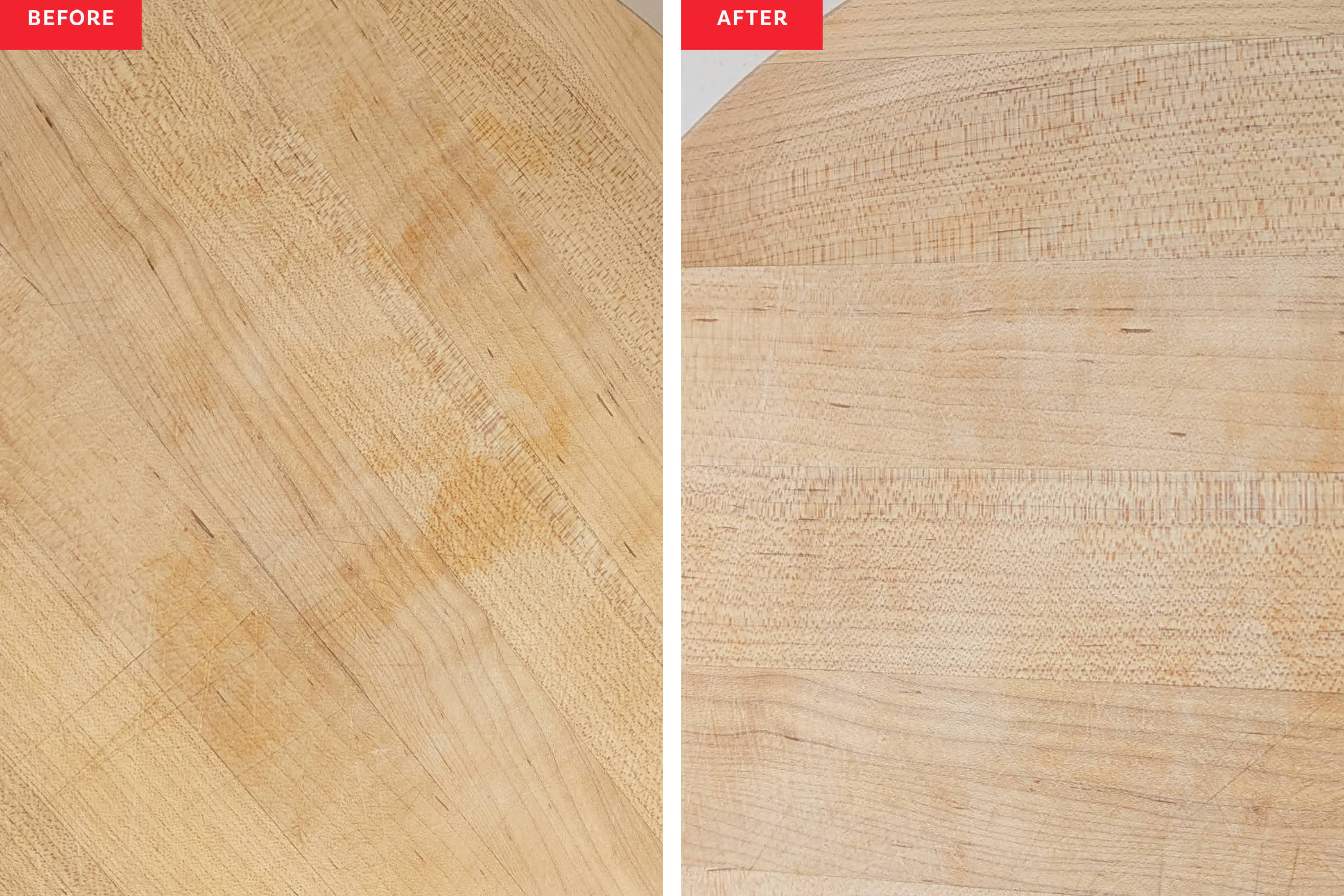
Credit: www.thekitchn.com
Choosing The Right Wood Board
Picking the right wood cutting board helps it last longer. It also keeps your food safe and your kitchen clean.
Wood types, size, and grain pattern all affect how well the board works. Choose carefully to get the best results.
Types Of Wood
Different woods have different hardness and grain. Hard woods resist knife cuts better and last longer.
Soft woods can scratch easily and may trap bacteria. Choose wood that is safe for food and easy to clean.
- Maple: Hard and durable, a popular choice
- Walnut: Dark wood, strong and stylish
- Cherry: Smooth texture, ages well
- Bamboo: Eco-friendly and tough
- Teak: Water-resistant and oily, resists warping
Size And Thickness
Pick a size that fits your kitchen space and cutting needs. Larger boards give more room to work.
Thickness affects stability and durability. Thick boards resist warping and are more stable.
- Small (8-10 inches): Good for light tasks and small kitchens
- Medium (12-18 inches): Versatile for most cutting jobs
- Large (20 inches and up): Best for big meals and heavy chopping
- Thickness: 1 to 1.5 inches is ideal for balance
Grain Patterns
Grain patterns affect how the board wears and how it feels to use. End grain boards show the wood ends.
Edge grain boards show the wood side. End grain is softer on knives but costs more. Edge grain is easier to find and cheaper.
- End Grain: Knife cuts go between fibers, stays sharp longer
- Edge Grain: Smoother surface, easier to clean
- Face Grain: Flat surface, less durable but attractive

Credit: food52.com
Cleaning Techniques
Taking care of your wood cutting board keeps it safe and lasts longer. Cleaning is a key part of this care. You need to clean it daily and sometimes more deeply.
Knowing how to avoid water damage also helps protect your board. Follow simple cleaning tips to keep your board in good shape.
Daily Cleaning
After each use, clean your wood cutting board with warm, soapy water. Use a soft sponge or cloth. Rinse well and dry with a clean towel. Do not soak the board in water.
- Use mild dish soap and warm water
- Scrub gently with a soft sponge
- Rinse with clean water
- Dry immediately with a towel
- Stand the board upright to air dry fully
Deep Cleaning Methods
Deep cleaning helps remove stains and odors. Use natural ingredients like vinegar and baking soda. These clean and disinfect without harming the wood.
| Method | How to Use |
|---|---|
| Vinegar | Spray white vinegar on board, let sit 5 minutes, then wipe clean |
| Baking Soda | Sprinkle baking soda, scrub with lemon half, rinse well |
| Salt Scrub | Rub coarse salt with lemon, rinse and dry |
Avoiding Water Damage
Water can cause wood to crack or warp. Avoid soaking or leaving your board wet. Always dry it quickly after cleaning. Oil your board regularly to keep water out and wood healthy.
- Do not soak the board in water
- Dry immediately after washing
- Store board in a dry place upright
- Apply food-safe mineral oil monthly
- Avoid dishwasher use
Seasoning And Oiling
Wood cutting boards need care to stay strong and last long. Seasoning and oiling protect the wood from cracks and stains.
Oiling helps keep the board smooth and prevents water from soaking in. It also stops the wood from drying out.
Best Oils To Use
Use oils that soak into the wood without going bad. Avoid oils that can turn sticky or smell bad over time.
- Food-grade mineral oil is safe and easy to find.
- Walnut oil adds a nice finish but watch for allergies.
- Fractionated coconut oil stays liquid and lasts longer.
- Beeswax mixed with oil gives extra protection.
How Often To Oil
Oil your cutting board regularly to keep it in good shape. How often depends on how much you use it.
- Oil new boards before first use.
- Oil weekly if you use the board daily.
- Oil monthly for light or occasional use.
- If the board looks dry or dull, apply oil again.
Steps For Proper Seasoning
Seasoning prepares the wood to absorb oil well. It seals the surface and protects the board from damage.
- Clean the board with warm water and mild soap.
- Dry it completely with a towel.
- Apply a generous coat of mineral oil or chosen oil.
- Let the oil soak in for at least 4 hours or overnight.
- Wipe off any extra oil with a clean cloth.
- Repeat oiling 2-3 times for new or very dry boards.
Preventing Stains And Odors
Wood cutting boards can absorb stains and odors from foods. Taking care of them helps keep them clean and fresh.
Simple habits and natural products can stop stains and smells from staying on your board.
Using Natural Deodorizers
Lemon and baking soda work well to remove smells on wood boards. They are safe and easy to use.
Rub lemon juice over the board, let it sit for a few minutes, then rinse. Sprinkle baking soda on the board and scrub with a damp cloth to freshen it.
- Cut a lemon and rub it on the board
- Let lemon juice sit for 5 minutes
- Rinse with warm water
- Sprinkle baking soda, scrub gently
- Wipe clean and dry well
Removing Tough Stains
Some stains need stronger cleaning. Use salt and white vinegar to lift stubborn marks.
Sprinkle coarse salt on the stain. Pour vinegar over the salt and scrub in circles. Rinse well and dry the board.
- Cover stain with coarse salt
- Pour white vinegar on the salt
- Scrub with a clean cloth or brush
- Rinse with warm water
- Dry the board fully
Avoiding Cross-contamination
Use separate boards for raw meat, vegetables, and cooked food. This stops germs from spreading.
Clean boards well after each use. Use hot water and soap, then dry them completely.
- Label boards for meat, veggies, and cooked food
- Wash boards with soap and hot water after use
- Do not soak wood boards in water
- Dry boards upright to air out
Repairing And Maintaining
Wood cutting boards need care to last longer. Fixing and cleaning them keeps them safe to use.
Regular maintenance stops damage and keeps the board smooth. Let’s look at how to repair and maintain your board.
Sanding Scratches
Sanding removes scratches and smooths the surface. Use fine sandpaper and sand with the wood grain. Clean the dust before oiling.
Fixing Cracks
Small cracks can be filled and sealed. Use wood glue or food-safe filler to fix cracks. Clamp the board until dry, then sand smooth.
- Clean the crack area before filling
- Apply wood glue or filler carefully
- Clamp the board tightly to close the crack
- Let it dry fully, usually 24 hours
- Sand the area smooth after drying
When To Replace Your Board
Replace the board if cracks are deep or it smells bad. A worn-out board can harbor germs and is unsafe for food.
| Sign | Reason to Replace |
| Deep cracks | Hard to clean, germs hide inside |
| Strong odor | Board may be rotten or moldy |
| Warped shape | Unstable surface for cutting |
| Excessive wear | Too thin or splintered surface |

Credit: www.amazon.ca
Storage Tips
Keeping your wood cutting board in good shape takes the right storage. Proper care stops damage and extends its life.
Focus on drying well, storing correctly, and avoiding warping for the best results.
Proper Drying Techniques
Dry your wood cutting board right after washing. Use a clean towel to remove water. Let it air dry fully before storing.
- Wipe off excess water immediately
- Stand board on its edge to dry air freely
- Avoid stacking wet boards together
- Do not leave boards soaking in water
Ideal Storage Conditions
Store your wood cutting board in a dry place with good air flow. Keep it away from heat sources and direct sunlight.
| Condition | Why It Matters |
| Dry environment | Prevents mold and mildew growth |
| Good ventilation | Allows board to breathe and stay fresh |
| Away from heat | Stops wood from cracking or drying out |
| Flat or upright position | Maintains board shape and balance |
Avoiding Warping
Warping happens when wood dries unevenly. Store boards to keep moisture balanced and shape intact.
Follow these tips to avoid warping:
- Store boards upright on their edges, not flat
- Keep boards away from damp or very dry places
- Use board racks or holders for even air flow
- Oil your board regularly to lock in moisture
Frequently Asked Questions
How Often Should I Oil My Wood Cutting Board?
Oil your wood cutting board every 3-4 weeks. Regular oiling prevents drying and cracking. Use food-grade mineral oil or specialized board oil. Apply a generous amount and let it soak for a few hours. Wipe off excess oil with a clean cloth.
This maintenance keeps your board in excellent condition.
Can I Put My Wood Cutting Board In The Dishwasher?
Avoid putting your wood cutting board in the dishwasher. The heat and water can warp and crack the wood. Instead, hand wash with mild soap and warm water. Dry it immediately with a towel. This method preserves the board’s quality and extends its lifespan.
What Oil Is Best For Wood Cutting Boards?
Use food-grade mineral oil for wood cutting boards. It’s safe and prevents the board from drying out. Avoid cooking oils like olive or vegetable oil, as they can become rancid. Apply the oil generously and let it soak into the wood, ensuring thorough protection.
How Do I Remove Stains From A Wood Cutting Board?
To remove stains, sprinkle coarse salt on the board. Rub with a lemon half, squeezing slightly as you scrub. This natural method helps lift stains and odors. Rinse with warm water and dry thoroughly. Regular cleaning prevents deep stains and maintains the board’s appearance.
Conclusion
Taking good care of your wood cutting board keeps it safe and strong. Clean it well after each use to stop germs. Dry it quickly to avoid cracks and warping. Oil the board regularly to keep the wood healthy. Avoid putting it in the dishwasher or soaking it in water.
Small steps make a big difference in its life. Enjoy cooking with a board that looks and works great for years. Simple care protects your investment and helps your kitchen stay clean.