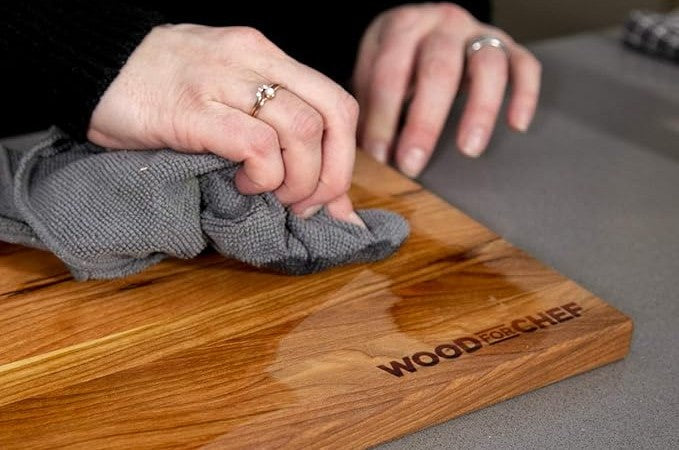
Your wooden cutting board is more than just a kitchen tool—it’s an investment that can last for years if you treat it right. But do you know the simple steps to keep it looking fresh and safe for your food?
Neglecting your board can lead to cracks, stains, and even harmful bacteria buildup. In this guide, you’ll discover easy and effective ways to clean, maintain, and protect your wooden cutting board so it stays strong and beautiful every time you use it.
Keep reading to unlock the secrets that will make your cutting board a reliable kitchen companion for life.
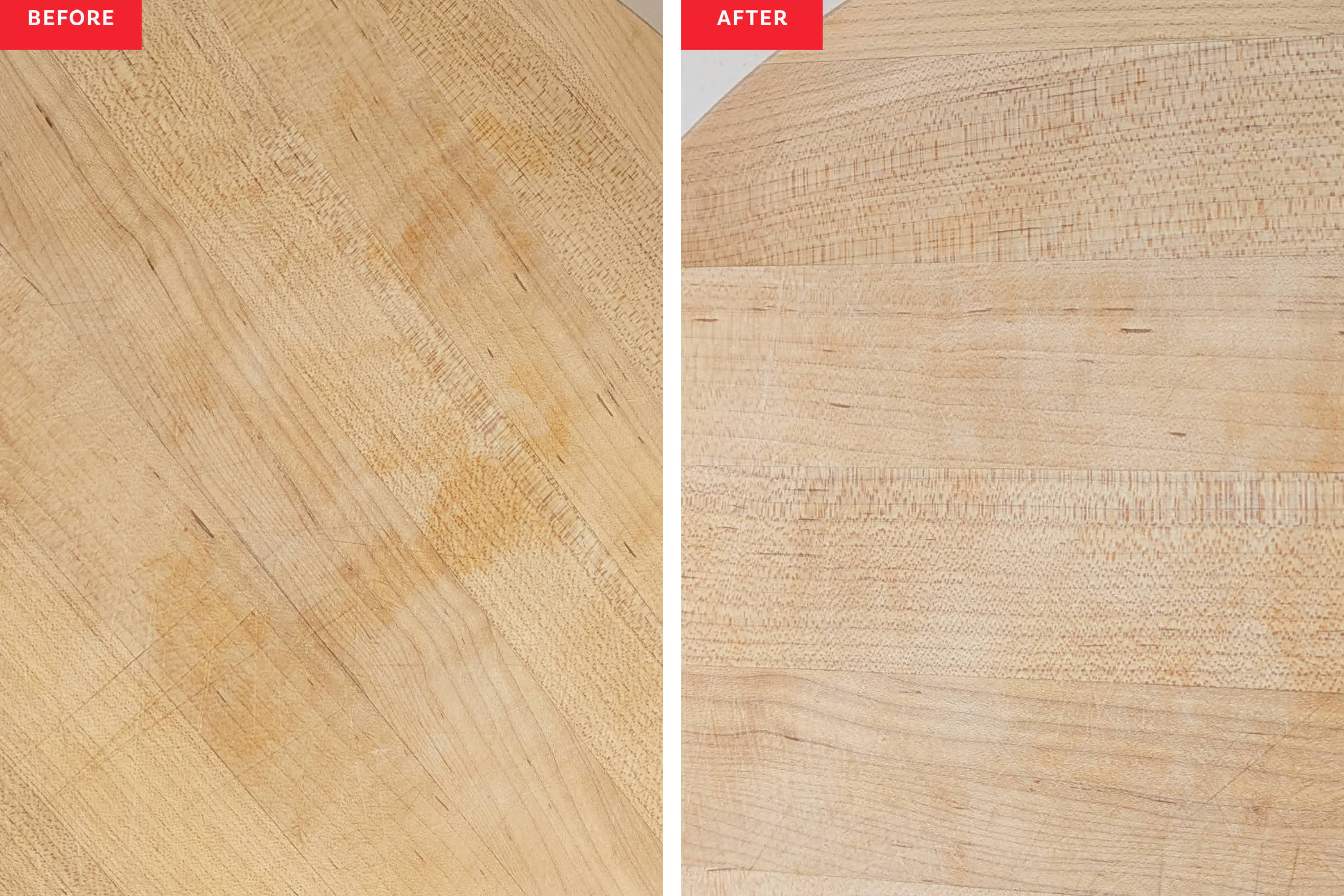
Credit: www.thekitchn.com
Choosing The Right Wood
Choosing the right wood for your cutting board is very important. The wood affects how long the board lasts and how safe it is for food.
This guide explains the difference between hardwood and softwood. It also lists popular wood types for cutting boards.
Hardwood Vs Softwood
Hardwood comes from trees that lose their leaves every year. Softwood comes from evergreen trees. Hardwoods are usually stronger and last longer.
- Hardwood is dense and holds up well to cutting and chopping.
- Softwood can get scratched and damaged quickly.
- Hardwood is less likely to absorb water, reducing bacteria growth.
- Softwood may split or crack more easily over time.
For cutting boards, hardwood is the better choice. It stays smooth and safe for food.
Popular Wood Types
| Wood Type | Hardwood/Softwood | Features |
| Maple | Hardwood | Strong, smooth grain, food safe |
| Walnut | Hardwood | Dark color, durable, gentle on knives |
| Cherry | Hardwood | Rich color, resists moisture well |
| Pine | Softwood | Soft, prone to dents and scratches |
| Cedar | Softwood | Strong aroma, softer surface |

Credit: food52.com
Cleaning Techniques
Keeping your wooden cutting board clean is important for safety and durability. Proper cleaning helps prevent bacteria and keeps the wood in good shape.
This guide covers daily cleaning and ways to remove stains and odors from your wooden board.
Daily Cleaning Routine
After each use, clean your board with warm water and mild soap. Avoid soaking the board to prevent warping.
- Rinse the board with warm water to remove food bits.
- Apply a small amount of mild dish soap and scrub gently with a soft sponge.
- Rinse thoroughly with warm water.
- Dry the board immediately with a clean towel.
- Stand the board upright or on its side to air dry completely.
Removing Stains And Odors
Stains and smells can build up over time. Use natural ingredients to clean and freshen your board.
| Cleaning Agent | Purpose | How to Use |
|---|---|---|
| Lemon | Removes stains and odors | Rub half a lemon over the board, then rinse and dry. |
| Baking Soda | Eliminates strong smells | Make a paste with water, scrub the board, rinse, and dry. |
| White Vinegar | Kills bacteria and removes odors | Spray or wipe vinegar on board, let sit 5 minutes, then rinse and dry. |
Drying And Storage
Taking care of your wooden cutting board is important to keep it safe and clean. Drying and storing it the right way helps it last longer.
Wood can crack or warp if it stays wet or is stored poorly. Follow simple steps to dry and store your cutting board well.
Proper Drying Methods
After washing, dry your wooden cutting board quickly. Water left on the wood can cause damage.
Use a clean towel to wipe the board. Then, let it air dry in a place with good airflow.
- Wipe with a dry cloth or paper towel
- Stand the board upright to dry
- Keep it in a well-ventilated area
- Do not leave it flat on a wet surface
Best Storage Practices
Store your wooden cutting board where it stays dry and clean. Avoid places with too much moisture or heat.
Keep the board upright or flat on a dry surface. This prevents warping and keeps air moving around it.
- Store upright or flat on a dry rack
- Avoid stacking heavy items on top
- Keep away from direct sunlight or heat
- Make sure the board is fully dry before storing
Oiling And Conditioning
Wooden cutting boards need regular care to stay strong and safe. Oiling and conditioning keep the wood from drying out.
This care helps stop cracks and keeps your board looking good for years.
Types Of Oils To Use
Use food-safe oils to protect your wooden cutting board. These oils soak into the wood and form a shield against moisture.
Choose oils that do not go rancid and are safe for cooking surfaces.
- Mineral oil is popular because it is safe and easy to find.
- Beeswax mixed with mineral oil adds extra protection.
- Coconut oil works but may go rancid faster.
- Walnut oil is natural but may cause allergies.
- Avoid vegetable and olive oils as they can spoil.
Frequency Of Oiling
Oil your wooden cutting board often to keep it in good shape. The right timing stops the wood from drying out.
How often you oil depends on how much you use the board and the climate where you live.
- Oil new boards before first use.
- Apply oil once a month for normal use.
- Oil more often in dry or cold climates.
- If the board looks dry or pale, add oil right away.
- After cleaning, wait until the board is dry before oiling.
Avoiding Damage
Wooden cutting boards need special care to stay strong and last long. Avoiding damage helps keep the board safe for food and easy to use.
Taking simple steps can prevent cracks and warping. Safe cutting habits also protect the wood and keep your board looking good.
Preventing Cracks And Warping
Wood can crack or warp if it gets too dry or wet. Avoid soaking your board in water. Wash it quickly and dry it well after use.
Keep your board away from heat sources like stoves or dishwashers. Heat can cause the wood to bend or split.
- Do not soak in water
- Dry board immediately after washing
- Keep away from direct heat
- Apply mineral oil regularly to keep wood moist
Safe Cutting Practices
Use knives with care to avoid deep cuts that damage the wood. Sharp knives are better because they cut cleanly and reduce splintering.
Cut in one direction and avoid chopping hard bones or frozen food on the board. Use a separate board for tough jobs to protect your wooden board.
- Use sharp knives
- Cut in one direction
- Avoid chopping bones or frozen items
- Use different boards for heavy tasks
Repairing Minor Damage
Wooden cutting boards can get small scratches and cracks over time. Fixing these minor damages keeps the board safe and looking good. Simple repairs help the board last longer.
This guide shows easy ways to repair small problems on your wooden cutting board. These steps use common tools and materials.
Sanding Scratches
Light scratches on a wooden board can be smoothed by sanding. Sanding removes the rough surface and makes the board flat again.
Use fine-grit sandpaper and sand with the wood grain. Sand gently to avoid making deep scratches.
- Clean the board before sanding
- Start with 120-grit sandpaper
- Finish with 220-grit for smoothness
- Wipe dust off with a damp cloth
- Apply food-safe oil after sanding
Fixing Small Cracks
Small cracks can trap bacteria and weaken the board. Fill cracks with a mixture of sawdust and wood glue to seal them.
After the filler dries, sand the area smooth. This repair keeps the board safe to use.
- Mix fine sawdust with wood glue to make filler
- Push filler into cracks with a putty knife
- Let it dry fully, usually a few hours
- Sand the filled spot smooth
- Apply food-safe oil to protect the wood
When To Replace Your Board
Wooden cutting boards are useful kitchen tools. You need to know when to replace them to keep your food safe.
Using a worn-out board can cause health risks. Watch for signs that show it is time for a new board.
Signs Of Wear
Look closely at your wooden board. Deep cracks or splits mean the board is damaged.
These cracks can hold bacteria and dirt. Also, if the board is warped or very rough, it is time to replace it.
- Deep cuts or cracks in the wood
- Warping or bending of the board
- Surface roughness that does not smooth out
- Foul smells that do not go away after cleaning
Health Considerations
Old wooden boards can harbor harmful germs. These germs can cause food poisoning and illness.
If cleaning does not remove stains or smells, the board may be unsafe. Using a damaged board risks contaminating your food.
- Bacteria hiding in cracks can spread to food
- Stains that do not come off after washing
- Strong odors that stay after cleaning
- Visible mold or mildew on the surface

Credit: www.amazon.ca
Frequently Asked Questions
How Do I Clean A Wooden Cutting Board?
To clean your wooden cutting board, use warm, soapy water and a soft sponge. Rinse thoroughly and dry immediately with a towel. Avoid soaking it in water to prevent warping. For deep cleaning, sprinkle salt or baking soda, scrub with a lemon, and rinse.
Can I Use Oil On My Cutting Board?
Yes, applying mineral oil helps maintain your wooden cutting board. It prevents dryness and cracking. Use a clean cloth to apply a thin layer of food-grade mineral oil. Let it absorb for a few hours, then wipe off any excess.
Regular oiling keeps your board in good condition.
How Often Should I Sanitize My Cutting Board?
Sanitize your wooden cutting board weekly to keep it hygienic. Use a mixture of one tablespoon of bleach to one gallon of water. Apply this solution, let it sit for a few minutes, then rinse with warm water. Ensure the board is completely dry before storing.
Why Is My Cutting Board Warping?
Warping occurs when the board absorbs too much moisture or dries unevenly. To prevent this, avoid soaking the board in water and dry it immediately after washing. Store it in a cool, dry place. Regular oiling also helps maintain its shape and integrity.
Conclusion
Taking care of a wooden cutting board keeps it strong and safe. Clean it well after each use. Dry it quickly to stop cracking. Use oil to keep wood smooth and shiny. Avoid soaking in water or putting in dishwasher.
Regular care helps the board last many years. A well-kept board makes cooking easier and safer. Simple steps can protect your kitchen tool. Keep your wooden cutting board healthy and ready.