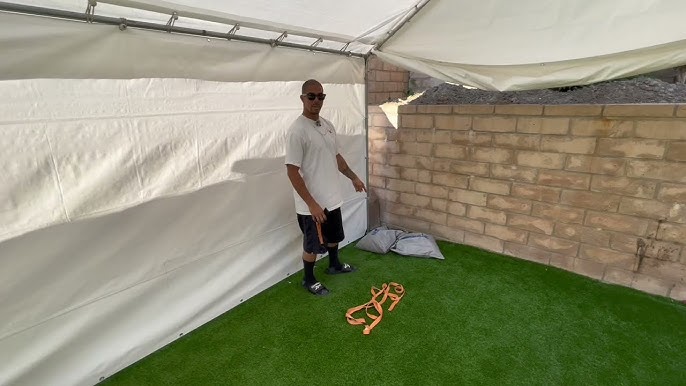
Taking down a canopy tent might seem simple, but if you rush or do it wrong, you could damage your tent or waste a lot of time. You want to pack it up quickly and safely, so it’s ready for your next use.
In this guide, you’ll discover step-by-step tips that make the process smooth and stress-free. By following these easy instructions, you’ll protect your tent and avoid common mistakes that many people make. Keep reading, and you’ll learn how to take down your canopy tent like a pro every time.

Credit: canopiesandtarps.com
Prepare For Takedown
Taking down a canopy tent safely needs good preparation. You should plan before starting to avoid damage or injury.
This guide focuses on getting ready to take down your canopy tent. Follow these tips to make the process smooth.
Clear The Area
Remove any items around or under the canopy tent. This prevents tripping and protects your belongings.
Make sure the ground is free of obstacles like rocks or branches. A clear space helps you move safely.
- Pick up chairs, tables, and decorations
- Clear trash and debris from the tent area
- Check for uneven ground or hazards
Gather Your Team
Taking down a canopy tent is easier with help. Ask friends or family to assist you.
Assign tasks to each person to work efficiently. Teamwork reduces time and effort.
- Decide who will handle the frame
- Have someone fold the canopy cover
- Assign a person to collect stakes and ropes
Check Weather Conditions
Look at the weather before starting takedown. Wind or rain can make the process hard and unsafe.
Plan to take down the tent in calm and dry conditions. This lowers the risk of accidents.
- Avoid takedown during strong winds
- Wait if it is raining or the ground is slippery
- Check the weather forecast ahead of time

Credit: www.mastercanopy.com
Remove Accessories
Taking down a canopy tent is easier when you remove accessories first. This step keeps everything organized and safe. Accessories include sidewalls, decorations, and furniture.
Removing these parts carefully helps protect the tent and makes packing faster. Follow these tips to handle each accessory type.
Take Down Sidewalls
Sidewalls protect from wind and rain but must come off before folding the tent. Start at one corner and work your way around. Detach fasteners or ties gently to avoid damage.
- Unzip or untie all connections.
- Lower sidewalls carefully to avoid tearing.
- Fold sidewalls neatly for storage.
- Keep sidewalls dry before packing.
Unclip Decorations
Remove any decorations clipped or hung on the tent frame. These include lights, banners, and ribbons. Handle clips gently to prevent breaking.
| Decoration Type | Removal Tip |
| String Lights | Unplug and unclip slowly |
| Banners | Untie or unclip carefully |
| Ribbons | Cut if needed and store |
Pack Away Furniture
Fold and pack any furniture under the tent. This includes chairs, tables, and stools. Clean furniture before storing to avoid damage.
Use this checklist to pack your furniture:
- Fold chairs and stack them.
- Collapse tables and secure legs.
- Place cushions or covers in bags.
- Store furniture in a dry place.
Collapse The Frame
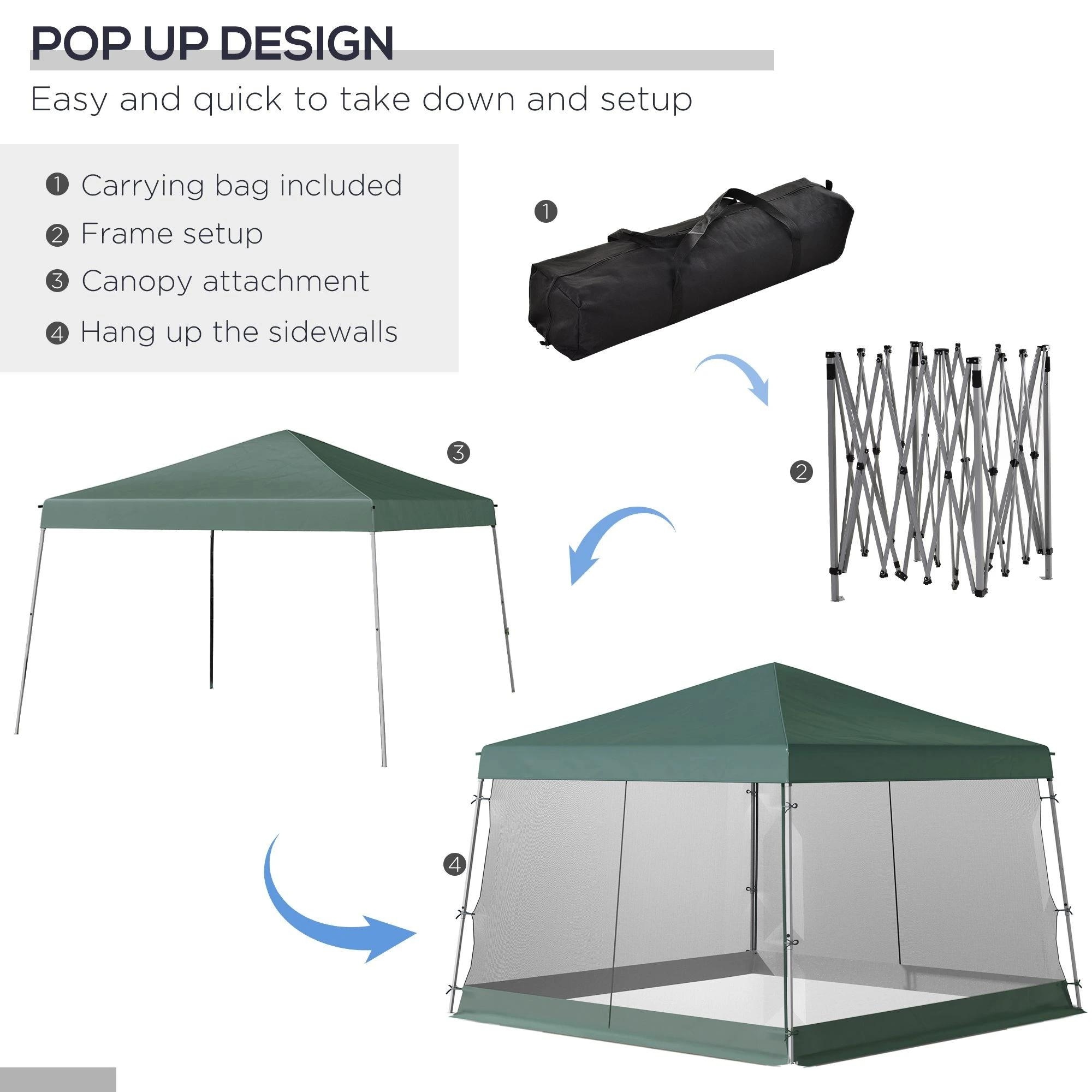
Taking down a canopy tent starts by collapsing its frame. This process makes packing easier and protects the tent.
Follow these steps carefully to collapse the frame safely and without damage.
Unlock Frame Joints
Locate the locking mechanisms on the frame joints. These keep the frame stable during use.
Release each lock by pushing or pulling as needed. This allows the frame to fold smoothly.
- Check all corners and middle joints
- Release locks gently to avoid breaking them
- Confirm each joint is free before folding
Fold Legs Inward
After unlocking, start folding the legs toward the center. This reduces the tent’s width.
Fold each leg slowly to keep the frame aligned and prevent damage.
- Bring legs together evenly
- Avoid forcing any leg if it feels stuck
- Keep the frame balanced as you fold
Lower The Canopy
Once legs are folded, gently lower the canopy fabric. This helps avoid tears or snags.
Make sure the fabric is clean and dry before folding it for storage.
- Hold the frame steady as you lower the canopy
- Fold the fabric carefully along the frame
- Store the canopy in a dry place to prevent mildew
Fold The Canopy Fabric
Taking down a canopy tent properly helps keep the fabric safe. Folding the canopy fabric with care prevents damage.
Follow simple steps to clean, dry, and fold the fabric neatly. This keeps your tent ready for the next use.
Clean The Canopy
Remove all dirt and debris from the canopy fabric. Use a soft brush or cloth to wipe off dust and leaves.
If there are stains, use mild soap and water. Avoid harsh chemicals that can damage the fabric.
- Brush off loose dirt gently
- Mix mild soap with water
- Use a soft sponge to clean stains
- Rinse with clean water
Dry The Fabric
Make sure the canopy fabric is completely dry before folding. Damp fabric can cause mold and bad smells.
Set the fabric in a sunny, open area. Let it air dry fully on both sides for best results.
- Spread fabric flat or hang it
- Dry in sunlight and fresh air
- Check all areas are dry
- Do not fold if damp
Fold Neatly
Fold the canopy fabric carefully to avoid wrinkles and tears. Keep folds straight and even.
Start folding from one side and work across the fabric. Make sure the fabric is smooth as you fold.
- Lay fabric flat on a clean surface
- Fold edges toward the center
- Fold in sections evenly
- Keep fabric smooth and flat
Pack And Store
Taking down your canopy tent carefully helps keep it in good shape. Proper packing and storage protect it from damage and dirt.
Follow simple steps to pack and store your tent so it lasts a long time and is ready for the next use.
Use A Carry Bag
Always pack your canopy tent in its carry bag. The bag keeps the fabric and frame safe during transport and storage.
Make sure the tent is dry and folded neatly before placing it inside the bag. A clean and dry tent prevents mold and damage.
Store Accessories Separately
Keep all tent accessories like stakes, ropes, and weights separate from the main tent. This prevents loss and damage.
- Use small bags or containers for stakes and ropes.
- Label each bag to find accessories quickly.
- Check for dirt or moisture before storing accessories.
Choose A Safe Storage Spot
| Storage Location | Advantages | Things to Avoid |
|---|---|---|
| Dry Closet | Protects from moisture and dust | Limited space may cause tight packing |
| Garage Shelf | Easy access for frequent use | Possible exposure to temperature changes |
| Storage Bin | Protects from pests and dirt | Needs ventilation to prevent mold |
Pick a place that stays dry and clean. Avoid damp or very hot areas to keep your tent safe.
Tips For Easy Setup Next Time
Taking down a canopy tent can be quick and simple with the right steps. It helps you save time and avoid damage.
These tips will make your next setup easier and keep your tent in good shape for many uses.
Label Components
Label each part of your tent before you take it down. This helps you find pieces fast when you set it up again.
Use tags or tape with clear names on poles, connectors, and fabric parts. Keep similar parts together.
- Mark poles by length or position
- Label connectors with matching numbers
- Tag fabric sections like roof and walls
Maintain The Tent
Keep your tent clean and dry before storing it. This stops mold and damage to the fabric and frame.
Check for tears, loose parts, or rust. Fix small problems right away to avoid bigger repairs later.
- Wipe down fabric after use
- Let the tent dry in the sun
- Oil metal joints to prevent rust
- Repair holes or rips quickly
Practice Regular Takedowns
Taking down your tent often helps you get faster and better at it. You learn how parts fit together.
Try setting up and taking down your tent in a calm place before events. This reduces stress and mistakes.
- Follow the same order every time
- Work with a partner to save time
- Store parts neatly after each use
- Keep instructions handy for reference
Credit: www.bedbathandbeyond.com
Frequently Asked Questions
How Do You Safely Take Down A Canopy Tent?
To safely take down a canopy tent, first remove all accessories. Collapse the frame by unlocking joints carefully. Lower the canopy fabric gently to avoid damage. Fold and pack the tent properly for storage.
What Tools Are Needed To Dismantle A Canopy Tent?
Most canopy tents require no special tools. Use your hands to unlock frame joints. A mallet may help loosen tight parts. Always check the manufacturer’s guide for specific tools.
How To Avoid Damage When Folding Canopy Fabric?
Avoid damage by cleaning the fabric before folding. Fold the fabric along its original creases. Keep it dry and avoid sharp folds. Store it in a protective bag to prevent tears.
Can One Person Take Down A Canopy Tent Alone?
Yes, one person can take down a small canopy tent. Larger tents may require two or more people for safety. Working slowly and carefully reduces the risk of injury or damage.
Conclusion
Taking down a canopy tent is straightforward with practice. Follow these steps to avoid frustration. Start by removing all weights and stakes. This ensures safety. Next, collapse the frame slowly. Be gentle to prevent damage. Gather the canopy material carefully.
Fold it neatly for next use. Store everything in its bag. This keeps parts safe and organized. Practice makes it easier each time. Now, you’re ready for your next adventure. Enjoy the outdoors with confidence.