
Is your air conditioner not cooling like it used to? You might be dealing with low refrigerant levels.
Knowing how to tell if your AC is low on refrigerant can save you from uncomfortable heat and costly repairs. You’ll learn simple signs to watch for and easy steps to check your system. Keep reading to make sure your home stays cool and comfortable all summer long.
Symptoms Of Low Refrigerant
Low refrigerant in an air conditioner affects its performance in clear ways. Recognizing these symptoms early helps prevent costly repairs and keeps your home cool. Watch for signs that your AC may be struggling due to low refrigerant levels.
Reduced Cooling Efficiency
Your AC blows warm or less cold air than usual. It takes longer to reach the desired temperature. Rooms feel warmer even when the AC runs constantly. This drop in cooling power is a key sign of low refrigerant.
Longer Cooling Cycles
The AC runs for extended periods without shutting off. It tries to cool the space but struggles due to insufficient refrigerant. This extra run time increases energy bills and wears out the system faster.
Ice Formation On Coils
Frost or ice appears on the evaporator coils or refrigerant lines. Ice buildup blocks airflow and reduces cooling. It happens because low refrigerant causes coils to get too cold, freezing moisture on them.
Hissing Or Bubbling Noises
Unusual sounds like hissing or bubbling near the indoor unit or refrigerant lines. These noises often mean refrigerant leaks or pressure issues. They signal that the refrigerant level is low and the system needs attention.

Credit: www.lochardplumbingheatingandcooling.com
Common Causes Of Refrigerant Loss
Refrigerant loss in an air conditioning system often causes poor cooling and higher energy bills. Understanding common causes helps spot problems early. Knowing these causes can save money and keep your AC running smoothly.
Leaks In The System
Leaks are the main reason refrigerant escapes. Tiny holes or cracks in pipes or coils let gas out. Leaks often happen near connections or worn parts. Signs include oil stains or frost on pipes. Detecting leaks early prevents big repairs.
Improper Installation
Incorrect installation can cause refrigerant to leak or run low fast. Poor sealing or loose fittings allow gas to escape. Using the wrong refrigerant type also causes issues. Always use a licensed technician for installation to avoid problems.
Wear And Tear Over Time
Old AC units lose refrigerant naturally. Parts wear down and seals weaken after years of use. Aging components increase the chance of leaks. Regular maintenance helps catch these issues before they become serious.
Checking Refrigerant Levels Safely
Checking refrigerant levels safely is important for your AC’s health and your safety. Refrigerant is a chemical that helps cool your home. Handling it requires care because it can be harmful if released. Always take safety steps before checking or touching your AC system. Use the right tools and protective gear. Understanding safe methods helps you avoid damage and injury.
Using Pressure Gauges
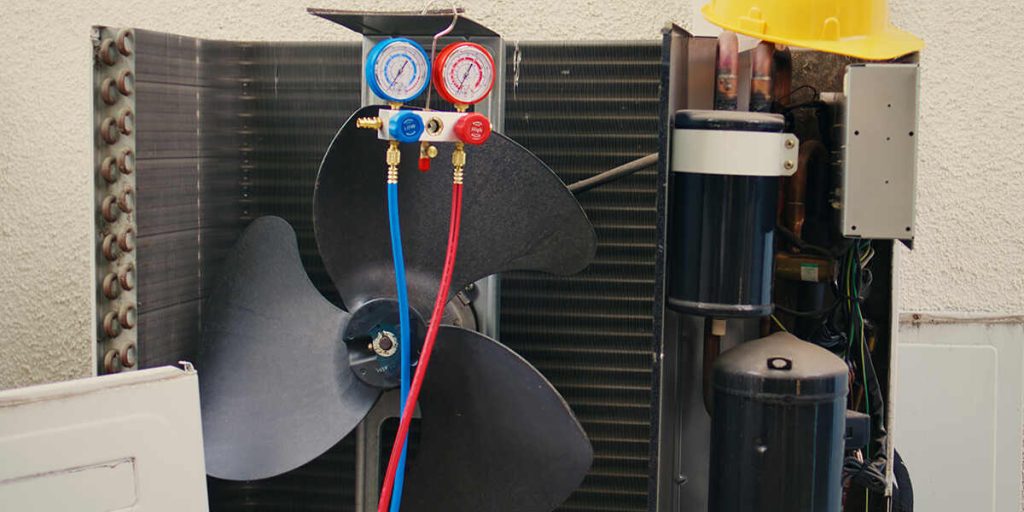
Pressure gauges measure the refrigerant pressure inside the AC system. Attach the gauge to the service port carefully. Read the pressure levels shown on the gauge. Low pressure often means low refrigerant. Avoid opening the system too much to prevent leaks. Wear gloves and eye protection. Use gauges designed for your AC type.
Visual Inspection Tips
Look for signs of refrigerant leaks around the AC unit. Check for oily spots or stains near the pipes and fittings. Listen for hissing sounds, which may indicate escaping refrigerant. Watch for ice buildup on the coils or pipes. These signs suggest low refrigerant. Do not touch the refrigerant lines without protection. Visual checks help spot problems early.
When To Call A Professional
Call an HVAC technician if you suspect low refrigerant. Professionals have tools and training to handle refrigerants safely. They can fix leaks and recharge the system correctly. Avoid trying to add refrigerant yourself. Incorrect handling can damage the AC or cause injury. A professional ensures your system runs well and stays safe.

Credit: www.youtube.com
Risks Of Low Refrigerant
Low refrigerant in your AC system is more than just a minor inconvenience. It poses several serious risks that can affect your comfort, wallet, and even the longevity of your equipment. Understanding these dangers helps you take timely action before small issues turn into costly repairs.
Increased Energy Bills
When your AC runs low on refrigerant, it has to work harder to cool your home. This extra effort draws more electricity, causing your energy bills to rise noticeably. Have you ever noticed a sudden spike in your utility costs without changing your usage habits? Low refrigerant could be the hidden culprit behind those unexpected expenses.
Damage To The Compressor
The compressor is the heart of your AC system, and low refrigerant puts it under immense strain. Without enough refrigerant, the compressor overheats and can fail prematurely. Replacing a compressor is expensive and often avoidable if you catch refrigerant issues early. Think about how much a simple refrigerant check could save you in repair costs.
Poor Indoor Air Quality
Low refrigerant doesn’t just affect cooling—it can impact the air you breathe inside your home. An overworked AC may struggle to remove humidity effectively, leading to damp conditions that encourage mold and mildew growth. Could this be why your allergies flare up or why your home feels stuffier than usual?
Preventive Measures
Preventive measures help keep your AC running smoothly. They reduce the risk of low refrigerant levels. Taking care early saves money and avoids discomfort from a failing system. Simple steps protect your AC’s performance and extend its life.
Regular Maintenance
Schedule regular AC check-ups with a professional. Clean or replace air filters often. Clear debris around outdoor units. Check for unusual noises or weak airflow. Proper maintenance keeps refrigerant levels steady and prevents leaks.
Prompt Leak Repairs
Look for signs of leaks like hissing sounds or oily spots. Fix leaks quickly to stop refrigerant loss. Delaying repairs damages the compressor and raises energy costs. Use a certified technician for safe and proper leak repairs.
Proper System Installation
Ensure your AC is installed by a qualified technician. Correct installation avoids refrigerant overcharge or undercharge. Proper setup improves efficiency and prevents early wear. A well-installed system runs longer and saves energy.
Credit: completecomforthampton.com
Frequently Asked Questions
How Can I Check Ac Refrigerant Levels?
To check AC refrigerant levels, look for signs like reduced cooling and hissing sounds. An HVAC technician can use gauges to measure pressure accurately. It’s important to address low refrigerant levels promptly to avoid damage.
What Are Signs Of Low Ac Refrigerant?
Common signs include reduced cooling efficiency, longer cooling cycles, and ice formation on the coils. You may also notice higher energy bills. These symptoms suggest your AC might be low on refrigerant.
Can Low Refrigerant Damage My Ac Unit?
Yes, low refrigerant can cause your AC to overwork, leading to compressor damage. It also reduces efficiency and cooling performance. Promptly addressing refrigerant issues can prevent costly repairs.
How Often Should Ac Refrigerant Be Checked?
AC refrigerant should be checked annually during regular maintenance. Regular checks ensure optimal performance and prevent potential issues. Consult with an HVAC professional for accurate assessments.
Conclusion
Knowing the signs of low refrigerant helps keep your AC working well. Watch for weak airflow, warm air, or ice on coils. These clues show your system needs a check-up. Acting quickly saves money and prevents bigger problems. Regular maintenance keeps your home cool and comfortable.
Don’t ignore small issues; they often grow. Keep your AC in good shape all year long. Simple steps protect your comfort and energy bills. Stay alert to these easy-to-spot signs every summer.